
Soups & Stews
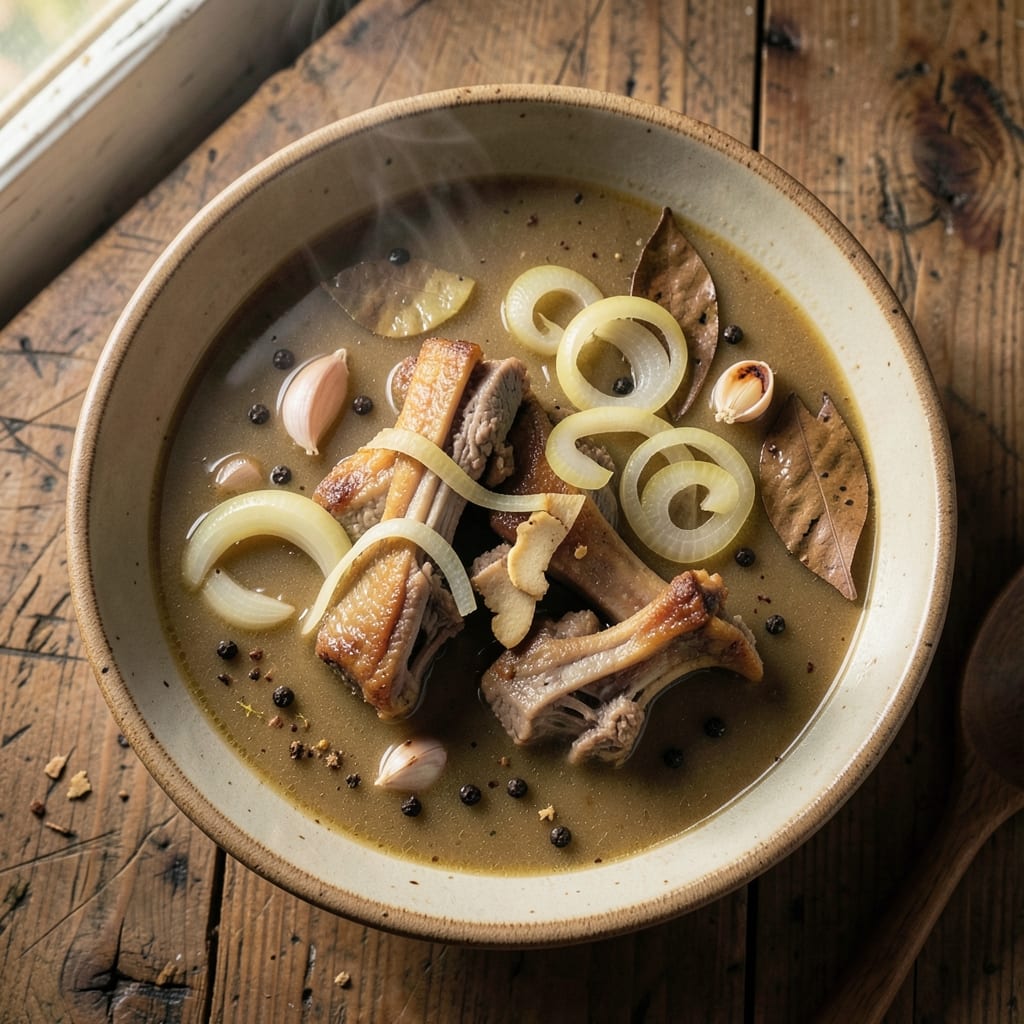
This Filipino beef bone soup delivers a deep, umami-rich broth that’s been simmering for hours, transforming tough bones into silky, flavorful strands. The secret lies in slow extraction—collagen-rich bones and aromatic spices create a broth so rich, it transforms simple ingredients into something extraordinary. I’ve perfected this recipe to balance traditional techniques with modern shortcuts, ensuring restaurant-quality results at home.
The foundation of this dish is the broth itself, where beef bones, ginger, garlic, and bay leaves infuse the water with layers of savory depth. Filipino cuisine often incorporates tangy elements like tamarind or shrimp paste (bagoong), but this version keeps it classic—pure, unadulterated umami. The silky noodles (or rice) soak up every drop of that golden, collagen-rich liquid, making each bite hearty and satisfying.
What sets this apart is the patience required—simmering for 6-8 hours unlocks the full potential of the bones, turning them into tender, edible strands. The result? A bowl of soup that’s comforting, nourishing, and deeply flavorful, perfect for cold weather or when you crave a meal that feels like a hug. The broth is versatile enough to pair with rice, noodles, or even as a base for other dishes.
Whether you’re making it traditionally in a pot or adapting it for an Instant Pot, this recipe stays true to its roots while fitting into your modern kitchen. The key is letting the flavors develop—no shortcuts here, just deep, rich satisfaction in every spoonful. Let’s get started on creating your own bowl of Filipino comfort.
Ingredients for beef bone soup filipino
Six pounds of collagen-rich bones and aromatic spices transform simple ingredients into restaurant-quality Filipino comfort.
| Ingredient | Amount | Notes |
|---|---|---|
| Beef Bones 🦴 | 4 lb | Marrow and knuckle bones preferred |
| Yellow Onions 🧅 | 2 whole | Cut into quarters, charred for depth |
| Garlic Cloves 🧄 | 8 cloves | Smashed for even infusion |
| Fresh Ginger 🌿 | 2 inch | Thinly sliced, peeled |
| Bay Leaves 🍃 | 4 whole | Dried or fresh for aroma |
| Black Peppercorns 🌶️ | 1 tbsp | Crushed lightly |
| Salt 🧂 | 2 tsp | Diamond Crystal preferred |
| Soy Sauce 🍶 | ¼ cup | Dark soy for color depth |
| White Wine Vinegar 🍋 | 2 tbsp | Brightens the broth |
| Fresh Lemongrass 🌿 | 3 stems | Bruised, cut into 2-inch pieces |
| Water 💧 | 12 cups | Filtered preferred |
| Wide Egg Noodles 🍜 | 1 lb | Fresh or dried, silky texture |
| Green Onions 🧅 | 4 whole | Sliced for garnish |
| Fresh Cilantro 🌿 | ¼ cup | Chopped, for garnish |
| Fish Sauce 🐟 | 1 tbsp | Red Boat preferred |
The bones are everything here—marrow and knuckle bones from Costco or local butchers give you that melt-in-your-mouth texture. Look for bones with good marbling and a natural red hue; avoid anything with a grayish tint. Fresh ginger and lemongrass are non-negotiable for that bright, herbal depth. I always grab extra ginger since it keeps for weeks in the freezer. For the soy sauce, dark soy from Asian markets adds that signature golden color without overpowering the broth. The fish sauce might seem odd, but it's what gives this dish that authentic umami punch—Red Boat is my go-to brand.
No lemongrass? Substitute with extra ginger and lime zest—it won't be identical, but you'll still get that citrusy brightness. Running low on fish sauce? Mushroom soy sauce or a splash of Worcestershire works in a pinch, though the flavor profile shifts slightly. The wide egg noodles are traditional, but rice noodles or even udon can work if that's what you have. For the onions, if you can't char them, caramelize them slowly in oil—it's the next best thing. And if you're short on time, pressure cooking the bones for 3 hours still yields great results, though it won't be as rich as the 6-8 hour simmer.
This broth gets better with time—3-4 days in the fridge lets the flavors meld perfectly. Portion it into containers and freeze half for later; it reheats beautifully. The noodles cook in minutes, so keep them separate until serving. Garnish with fresh cilantro and green onions right before eating—they wilt fast, so don't prep too far ahead. If you make a big batch, the broth makes an amazing base for other dishes—stir-fries, rice bowls, or even ice cream (yes, really).
Why You'll Love This Recipe
- One-Pot Magic: I swear by this recipe—just toss the bones, onions, garlic, and ginger into a pot, cover with water, and let it simmer. No chopping, no fuss, and honestly? The hardest part is waiting for that rich, golden broth to develop.
- Deep Umami Bomb: Between us, the beef bones and bay leaves create this unreal depth—like a slow-cooked secret. That first sip? It’s got layers: savory, slightly sweet, with a warmth from the ginger that lingers. My partner calls it "comfort in a bowl," and he’s not wrong.
- Leftovers That Shine: This soup gets better the next day—way better. I make a big batch on Sundays, and by Wednesday, it’s the star of my lunch. Freeze what you don’t use, and boom: instant meal on busy nights. (Yes, even on a Tuesday night.)
- Budget-Buster Winner: Beef bones are cheap, and they stretch into so much soup. A single batch feeds my family for days, and the flavor? Ridiculously good. I’ll be real: it’s my go-to when I’m pinching pennies but still want something hearty and satisfying.
Step-by-step instructions for beef bone soup Filipino recipe
Transform simple ingredients into a rich, aromatic Filipino beef bone soup with deep umami flavor.
Prepare the Beef Bones for Maximum Flavor
Rinse the 4 lb beef bones thoroughly under cold water to remove any impurities. Place them in a large stockpot and cover with 12 cups water. Bring to a boil over high heat, then reduce to a simmer and cook uncovered for 30 minutes. This initial boiling removes blood and surface impurities that can cloud your broth.
After 30 minutes, drain the water and rinse the bones again. Return them to the clean pot and add 2 whole yellow onions cut into quarters, 8 smashed garlic cloves, 2-inch fresh ginger sliced thinly, 4 whole bay leaves, and 1 tablespoon crushed black peppercorns. Cover with fresh 12 cups water and bring to a boil again. Skim off any foam that rises to the surface during the first 10 minutes of boiling—this ensures a crystal-clear broth.
Simmer the Broth for Deep Umami Development
Once the broth returns to a gentle simmer, reduce heat to low and let it cook uncovered for 3 hours. This slow simmering is crucial—it allows the collagen in the bones to break down into gelatin, creating that signature silky texture. Stir occasionally to prevent the bones from sticking to the bottom, and add 2 teaspoons salt after 1 hour of cooking.
After 3 hours, add 3 stems fresh lemongrass bruised and cut into 2-inch pieces, 2 tablespoons white wine vinegar, and ¼ cup soy sauce. These ingredients brighten the broth and add complexity. Let the soup continue simmering for another 30 minutes. The aroma should be rich and inviting—this is your cue that the flavors are melding beautifully.
Strain and Season the Broth
Carefully strain the broth through a fine-mesh sieve into a clean pot, pressing gently on the solids to extract every last drop of flavor. Discard the bones and aromatics. Return the broth to the pot and stir in 1 tablespoon fish sauce. Taste and adjust seasoning—you want a balance of saltiness, umami, and a slight tang from the vinegar. The broth should be deeply flavorful but not overpowering.
Keep the broth at a gentle simmer over low heat while you prepare the noodles. This maintains its warmth and prevents it from becoming watery as it sits.
Cook the Wide Egg Noodles
Bring a separate pot of salted water to a boil and cook the 1 lb wide egg noodles according to package instructions until al dente—about 4-5 minutes for fresh noodles or 8-10 minutes for dried. Drain and rinse briefly under cold water to stop the cooking process. This prevents the noodles from becoming mushy when added to the hot broth.
Divide the cooked noodles among 6 bowls, reserving a few strands for garnish. Ladle the hot broth evenly over the noodles, ensuring each serving gets a generous portion of the rich, flavorful liquid.
Garnish and Serve with Fresh Herbs
Top each bowl with sliced green onions and chopped fresh cilantro. The bright green herbs contrast beautifully with the deep umami broth and add a fresh finish. Serve immediately while the noodles are still warm and the broth is steaming—this is when the soup shines brightest.
For an extra touch, crack a few black peppercorns on top just before serving. The combination of silky noodles, rich broth, and aromatic garnishes makes every spoonful a delightful experience.
Pro Tips For Making Beef Bone Soup Filipino
- BLANCH BONES FIRST: I learned this the hard way—skipping the 10-minute blanch in boiling water before browning leaves your broth cloudy and bitter. The starch and impurities rise to the surface, so skim them off aggressively while the water’s hot. This isn’t just about flavor; it’s the difference between a murky soup and one that’s crystal-clear enough to drink straight.
- CHAR THE ONIONS LOW: After burning three batches of onions, I finally figured out: low and slow wins. Sauté those yellow onions in batches over medium-low heat for 15-20 minutes until deep golden, not blackened. Crowd the pan, and they’ll steam instead of caramelize—you want them sticky, sweet, and jammy, not burnt. (Yes, even if you’re impatient like me.)
- CRUSH GINGER COARSELY: My grandmother swore by this, and she was right: don’t mince the ginger into oblivion. Roughly chop it into ¼-inch chunks or smash it with the flat side of your knife—just enough to release the oils without turning it into paste. Whole pieces infuse the broth beautifully and can be fished out later if you hate texture. (Your future self will thank you.)
- SIMMER COVERED, NOT BOILING: Sounds weird, but it works: once the bones and aromatics hit the water, keep the heat at a gentle simmer—tiny bubbles breaking the surface, not a rolling boil. Boiling leaches collagen too fast, making the broth weak. Cover and let it murmur for 3-4 hours; the broth will pull rich, gelatinous, and deeply flavorful. (Your future self will really thank you this time.)
Dietary considerations for this beef bone soup filipino
Gluten-Free Adaptations
This Filipino beef bone soup is naturally gluten-free, but always double-check your ingredients. The soy sauce and fish sauce used are typically gluten-free, but opt for certified gluten-free versions like Kikkoman Tamari or Red Boat Gluten-Free Fish Sauce to be safe. The wide egg noodles can be swapped for rice noodles or gluten-free egg noodles like those from Barilla or King Arthur. 🌱
Low-Sodium Adjustments
If you're watching your sodium intake, reduce the salt to 1 teaspoon and use low-sodium soy sauce or coconut aminos instead. For extra umami without added salt, add 1 tablespoon of mushroom powder or 1 teaspoon of nutritional yeast to the broth. Taste as you go—Filipino flavors thrive on balance, so even with less salt, the broth will still taste rich and satisfying.
Vegetarian/Vegan Options
For a vegetarian version, replace the beef bones with mushroom stems or king oyster mushrooms—simmer them for 4-5 hours to extract maximum umami. Use vegan fish sauce (like Annie Chun's) and vegan soy sauce. For a dairy-free touch, ensure your noodles are egg-free or use chickpea or lentil-based noodles. The broth will still be deeply flavorful, though the texture will differ slightly. 🌿
Protein Swaps
If you prefer chicken or pork, swap the beef bones for chicken feet (for gelatinous texture) or pork knuckle bones. For a lighter option, add shrimp or tofu after cooking the broth to avoid overpowering the delicate flavors. Just remember—Filipino soups rely on the bone broth for depth, so any protein additions should complement, not compete, with that rich base.
Dairy-Free Considerations
This recipe is already dairy-free, but if you're adding toppings like cheese, opt for vegan parmesan or nutritional yeast for a cheesy flavor without dairy. The natural richness of the broth stands on its own, so no dairy is needed. Garnishes like green onions and cilantro keep it fresh and vibrant while staying completely dairy-free. ✨
Allergen-Friendly Tips
For nut allergies, avoid garnishes like crushed peanuts (common in some Filipino dishes) and stick to herbs. If shellfish is a concern, skip the fish sauce and replace it with ½ teaspoon of white miso paste or extra soy sauce. Always read labels on soy sauce and fish sauce—some brands process in facilities with nuts or shellfish. When in doubt, homemade broths with just bones, aromatics, and salt are the safest bet. 💡
Nutrition facts
Frequently asked questions
Can I use regular beef bones instead of marrow and knuckle bones?
You can, but you'll miss out on the signature silky texture from collagen-rich bones. Marrow and knuckle bones break down into gelatin during simmering, giving that luxurious mouthfeel. Regular bones will still make flavorful broth, but it won't be as rich or have those edible bone strands. For best results, ask your butcher for beef knuckle or marrow bones.
How long can I store the leftover broth?
The broth actually improves over time! Store it in airtight containers in the fridge for 3-4 days or freeze for up to 3 months. The flavors meld beautifully when refrigerated, and freezing preserves all that umami goodness. Just thaw overnight in the fridge before reheating—never microwave directly from frozen to maintain texture.
What's the fastest way to make this soup?
For a quicker version, use an Instant Pot: simmer the bones with aromatics for 3 hours on high pressure instead of 6-8 hours on the stove. While not identical, it still develops deep flavor. The key is still skimming foam early and using quality bones—just cut your active cooking time by half. For even faster results, use store-bought bone broth as a base.
Can I make this soup without fish sauce?
Yes, but you'll lose that authentic Filipino umami depth. Try substituting with 1 tbsp soy sauce + ½ tsp white miso paste for similar savory notes. If you're avoiding all fish products, the broth will still be delicious—just more subtly seasoned. The fish sauce is what gives this dish its signature complexity, so if possible, use a high-quality brand like Red Boat.
What vegetables pair well with this soup?
Traditional choices include bok choy, spinach, or long beans that wilt beautifully in the hot broth. For extra heartiness, add shredded cabbage or mushrooms> that absorb the flavors. Just remember—Filipino soups often let the broth shine, so keep veggies minimal unless you're making a vegetable-loaded version. Sauté them briefly before adding to preserve texture.