
Sauces & Condiments
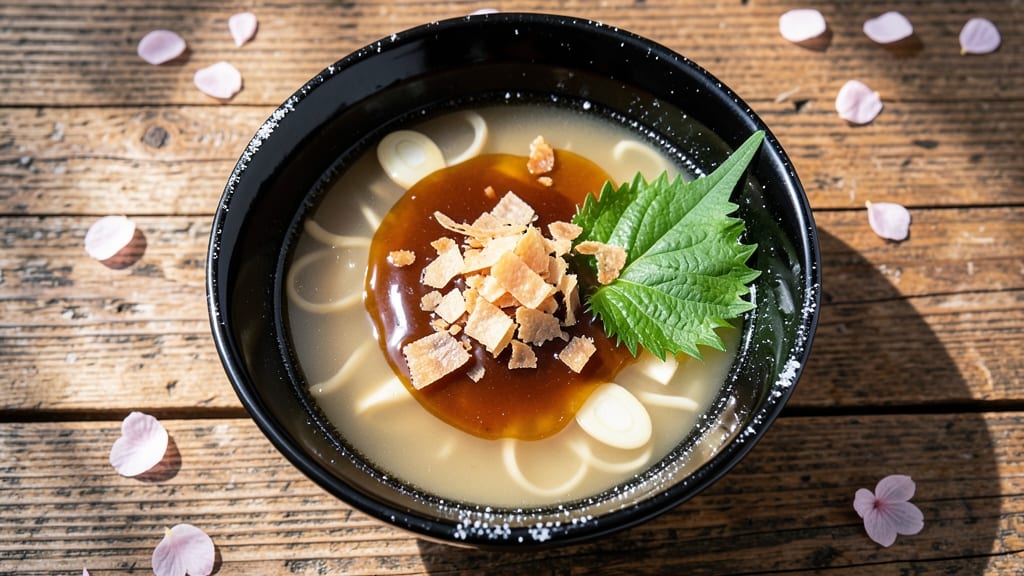
Creating an authentic Kikkoman hon tsuyu soup base at home unlocks restaurant-quality umami depth in every bowl of ramen or miso soup. This concentrated broth transforms simple ingredients—soy sauce, mirin, and dashi—into a velvety, savory foundation that elevates instant noodles to gourmet status.
The balance of sweet, salty, and umami is what makes this Japanese pantry staple so essential, yet replicating it at home is simpler than you’d expect.
The process relies on three key components: a high-quality soy sauce for depth, mirin for natural sweetness, and dashi stock for that unmistakable umami punch. Simmering these together reduces the mixture into a thick, syrupy consistency that clings to noodles and vegetables like a second skin.
What’s remarkable is how just a few tablespoons of this homemade base can turn a basic bowl of ramen into something that rivals your favorite takeout spot.
Once you’ve made it, the possibilities are endless—use it as a quick broth for miso soup, a flavorful marinade for grilled proteins, or the secret weapon in your stir-fry sauce. The best part?
It keeps beautifully in the refrigerator for up to two weeks or freezes for months, so you can always have that umami boost on hand. Let’s get started on crafting this versatile, flavor-packed essential.
For those watching their gluten intake, a tamari swap works perfectly, proving that even dietary adjustments can preserve the soul of a dish. The simplicity of the ingredients and the straightforward method mean you’ll have this umami-rich base ready in under 30 minutes—no advanced techniques required.
This is home cooking at its most satisfying: bold flavors with minimal effort.
Ingredients for kikkoman hon tsuyu soup base
Simple ingredients create restaurant-quality umami depth for your ramen and soups.
| Ingredient | Amount | Notes |
|---|---|---|
| Kikkoman Soy Sauce 🧂 | 1 cup | High-quality Japanese soy sauce |
| Mirin 🍶 | ½ cup | Sweet rice wine, not imitation |
| Dashi Stock 🍲 | 2 cups | Homemade or quality bottled |
| Sugar 🍚 | ¼ cup | Granulated white or turbinado |
| Salt 🧂 | 1 tsp | Fine sea salt or kosher |
| Garlic Cloves 🧄 | 2 cloves | Minced, for depth |
| Ginger Root 🌿 | 1 tbsp | Freshly grated, aromatic |
| Bonito Flakes 🐟 | ¼ cup | For umami richness |
The Kikkoman soy sauce is non-negotiable—look for the dark bottle with the iconic label at Japanese grocery stores or World Market. The real deal has a deeper, funkier profile than regular soy sauce. Mirin should be the sweet rice wine, not the imitation version—Hakkaisan or Suzukien brands are my go-tos. For dashi, homemade kombu and bonito is ideal, but Kikkoman dashi stock works in a pinch. Fresh ginger and garlic add layers you won’t find in jarred versions—grate ginger right before simmering to preserve its aroma.
No bonito flakes? Dried shiitake mushrooms soaked in hot water (discard mushrooms, use liquid) add umami depth. Short on mirin? Substitute 1/4 cup honey plus 1/4 cup water for sweetness, but the flavor won’t be identical. Want to skip garlic or ginger? Double the dashi stock to compensate—it’s the backbone of the flavor. The sugar balances saltiness, so if you’re watching sugar, reduce to 1/4 cup and add 1/2 tsp stevia for a low-sugar version. Salt is adjusted to taste, so don’t skip tasting as you simmer!
This base keeps beautifully in the fridge for up to 2 weeks in an airtight container, or freeze in ice cube trays for single-use portions. Thawed cubes work perfectly for stir-fries or marinades. Stir before using—ingredients settle, so give it a quick mix. For extra richness, strain out bonito flakes before storing if you’re sensitive to texture. The aroma intensifies when reheated, so keep it covered until ready to use. This little jar becomes your secret weapon for transforming instant noodles into something special—worth every minute.
Why You'll Love This Recipe
- No-Fuss Umami Magic: That single pan, one-minute toast of bonito flakes? Game-changer. No chopping, no peeling—just toast, steep, and stir. I’ve got my 7-year-old helping me measure the sugar while I watch the flakes sizzle. Honestly, it’s the only broth I’ll make now.
- Restaurant-Quality Depth: The combo of Kikkoman soy sauce, mirin’s sweetness, and those bonito flakes? It’s like the ocean and a bakery had a lovechild. That garlic and ginger infusion—finely grated, not chopped—gives it this bright complexity that makes even takeout ramen feel basic.
- One Base, Endless Potential: This isn’t just for ramen. Freeze it in ice cubes for miso soup, ladle it over grilled chicken, or use it to deglaze pans after searing. My picky teenager will drink the noodle broth straight from the bowl. (Yes, even on a Tuesday night.)
- Budget-Friendly Liquid Gold: For less than what a fancy broth cube costs, you get a 2-week supply of flavor that’ll make your pantry feel like a ramen shop. And those bonito flakes? A little goes a long way—no waste, just pure umami punch.
Step-by-step instructions for Kikkoman hon tsuyu soup base
This umami-rich broth delivers restaurant-quality depth every time—simple steps for perfect balance.
Bloom the Bonito Flakes for Maximum Umami
In a medium saucepan, gently toast the ¼ cup Bonito Flakes over low heat for 1 minute until they begin to sizzle and release their aroma. This step is crucial—it awakens the flakes' full umami potential without burning them. Watch closely as they puff up slightly and fill your kitchen with that unmistakable oceanic scent.
Remove the pan from heat immediately after you see the flakes start to dance and smell intensely. Let them steep in the pan for 30 seconds while you prepare the remaining ingredients. The residual heat will continue extracting their flavor without overcooking them into bitterness. This is where the magic begins—those delicate flakes contain more umami than their weight in soy sauce.
Combine Liquids and Sweeteners
Return the pan to medium-low heat and add the 2 cups Dashi Stock, 1 cup Kikkoman Soy Sauce, and ½ cup Mirin. Stir gently to combine, being careful not to create a vortex that could splash. The mirin will add a subtle sweetness that balances the soy's saltiness, while the dashi provides that essential fifth-taste umami foundation.
Add the ¼ cup Sugar and 1 tsp Salt, stirring until completely dissolved. Here's the thing—this mixture should taste like liquid sunshine and ocean combined. If it seems too strong now, don't worry. The flavors will meld beautifully as we cook. Taste the broth at this stage—it should be noticeably sweet, salty, and slightly tangy from the mirin. This is your flavor baseline before we add the aromatic components.
Infuse with Aromatics
Add the 2 minced garlic cloves and 1 tbsp Ginger Root to the simmering broth. Stir once to distribute them evenly throughout the liquid. The ginger should be finely grated—almost like a paste—to ensure it dissolves completely and doesn't settle at the bottom. This step transforms your broth from good to extraordinary by adding that complex, layered depth that makes homemade ramen sing.
Let the mixture simmer gently for 5-7 minutes. You'll know it's ready when the liquid becomes fragrant and slightly reduced—about 15% less volume than when you started. The aroma should be intoxicating: sweet from the mirin and sugar, savory from the soy and dashi, with bright garlic and ginger notes cutting through. This is where all the components come together in perfect harmony, creating that signature hon tsuyu character.
Strain and Finish
Remove the pan from heat and let the broth steep for 2-3 minutes off the stove. This final resting period allows the flavors to fully meld. Then, carefully strain the broth through a fine-mesh sieve into a clean bowl or pitcher. Press gently on the solids with a silicone spatula to extract every last drop of flavor—this is liquid gold we're working with.
Taste the finished broth one last time and adjust the seasoning if needed. It should be perfectly balanced—sweet, salty, umami-rich, with bright aromatic notes. The texture should be silky smooth with no visible particles. This is your perfect hon tsuyu base, ready to elevate any ramen, noodle dish, or even drizzle over grilled meats. Store it in an airtight container in the refrigerator for up to 5 days, or freeze for longer storage.
Pro Tips For Making Kikkoman Hon Tsuyu Soup Base
- Toast Flakes Low: That 1-minute toast for the bonito flakes isn’t a suggestion—it’s where the umami magic happens. Too hot, and you’ll burn them into bitter dust; too cool, and you’ll miss the aromatic explosion. Watch them puff like popcorn, then pull the pan immediately. The residual heat does the rest while you prep the rest—no need to hover.
- Grate Ginger Fine: I used to grate ginger in big chunks, thinking it’d dissolve. Wrong. For this broth, you want it so fine it’s almost a paste—no visible specks, just pure aromatic punch. Use the small holes of a box grater or pulse it in a food processor. Trust me, your broth will taste like it came from a Tokyo ramen shop.
- Simmer Gently, Not Boil: That 5-7 minute simmer isn’t a rolling boil—it’s a whisper. Too aggressive, and the mirin will evaporate too fast, leaving your broth flat and one-dimensional. Keep it at a bare simmer where tiny bubbles break the surface but don’t roar. You’re not cooking pasta here; you’re coaxing flavors to marry.
- Strain Twice If Needed: One strain through a fine-mesh sieve isn’t always enough. If you’re using homemade dashi with bonito bits or your ginger didn’t dissolve perfectly, give it a second pass through a cheesecloth-lined strainer. Silky texture is non-negotiable for hon tsuyu—no one wants to slurp through grit.
Pro cooking tips for kikkoman hon tsuyu soup base
Precision Temperature Control
Heat management is everything with this broth. When toasting the ¼ cup bonito flakes, keep your stove on low heat—any higher and you'll burn the delicate flakes before they release their umami. After adding the liquids, maintain medium-low heat throughout simmering to prevent scorching while allowing proper reduction.
I use a laser thermometer to monitor the pan's surface temperature—aim for 180-200°F for that perfect balance of gentle cooking and flavor extraction. 🌡️
The Art of Gentle Simmering
Your simmer should look like a gentle dance of bubbles—not a rolling boil. When you add the 2 minced garlic cloves and 1 tbsp ginger, reduce the heat immediately to lowest setting to prevent the aromatics from turning bitter.
Let the mixture bubble 5-7 minutes until reduced by about 15%—this is when the flavors truly marry. I like to watch the surface form tiny, consistent bubbles like a quiet conversation rather than a frenzied argument. This controlled environment preserves the delicate balance of sweet, salty, and umami.
Straining Like a Pro
Using a fine-mesh sieve is non-negotiable for silky texture, but don't just pour—press! After straining, gently press the solids with a silicone spatula to extract every last drop of flavor. For extra smoothness, line your sieve with a damp cheesecloth layer.
I've learned this the hard way after tasting my first homemade ramen with visible bonito bits—trust me, it's worth the extra effort. The result should be completely clear with no particles, like liquid gold. 💫
Flavor Tasting Protocol
Taste your broth at three critical stages: after combining liquids, after adding aromatics, and after straining. At each step, adjust with ¼ tsp salt or ½ tsp sugar as needed. I keep a small spoon handy for quick tests—this is where you'll catch any imbalances before they become problems.
Remember, the finished product should taste like a perfect harmony of ocean and sunshine, not just salty or sweet. Your palate is your best tool here.
Equipment Essentials
Invest in a heavy-bottomed stainless steel pan for even heat distribution—this prevents hot spots that can burn your broth. I use my Le Creuset Dutch oven because it handles both low-and-go simmering and quick reductions perfectly.
For straining, a microwave-safe bowl works great for reheating small portions later. These tools make all the difference in achieving restaurant-quality results at home. 🔥
Troubleshooting Common Pitfalls
If your broth tastes too salty, dilute with 1 tbsp water and simmer briefly to reduce again. For insufficient umami, add ½ tsp msg (monosodium glutamate) or a pinch of dashi powder at the end.
Burnt aromatics? Start fresh—this is one mistake I've made twice, and it's not worth salvaging. The key is patience through each step. Your broth should never taste like it's missing something—just perfect balance. ✨
Nutrition facts
Frequently asked questions
Why does this soup base need bonito flakes?
The ¼ cup bonito flakes are the secret to authentic umami depth! These delicate fish flakes release intense savory flavors when toasted, creating a complex richness that regular soy sauce can't match. Even a small amount transforms your broth from good to extraordinary—it's what gives traditional ramen its signature soul.
Can I make this without mirin?
Yes, but your flavor balance will change. Skip the ½ cup mirin and substitute ¼ cup honey + ¼ cup water for sweetness, though the natural depth of real mirin won't be identical. For a gluten-free version, use tamari instead of soy sauce while keeping the mirin for that perfect sweet-savory harmony.
How do I adjust if my broth tastes too salty?
Add 1 tablespoon water and simmer for 2-3 minutes to dilute the saltiness. If needed, add a pinch of sugar to rebalance the sweetness. Remember to taste as you go—this broth should sing with harmony, not overpower with one flavor.
What's the best way to store leftovers?
Let the broth cool completely before transferring to an airtight container. It keeps for up to 2 weeks in the fridge or freeze in ice cube trays for perfect single-use portions. Always stir before using—ingredients settle, so give it a quick mix for even flavor.
Can I use this base for anything other than ramen?
Drizzle it over grilled meats, use it as a marinade for tofu or chicken, or stir it into stir-fry sauces. Even a splash in miso soup or over steamed vegetables adds that restaurant-quality umami punch. This versatile broth becomes your secret weapon for elevating any dish.