
Soups & Stews
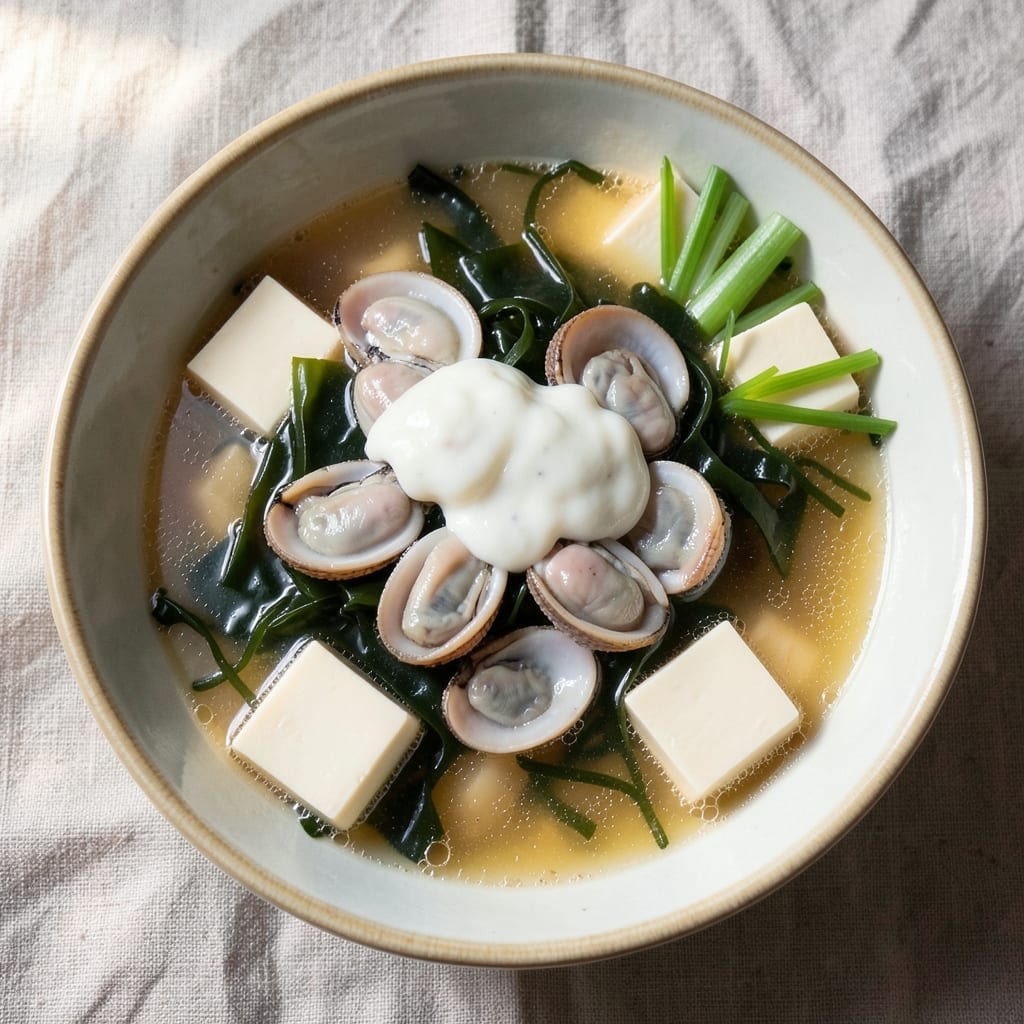
This asari miso soup recipe delivers the comforting balance of umami, briny clams, and silky tofu in a broth so rich it feels like a hug in a bowl. The secret lies in layering flavors—salty-sweet miso, tender clams, and delicate wakame—each ingredient playing its part to create harmony. I've perfected this version to be both authentic and approachable, ensuring every sip is packed with depth without requiring hours in the kitchen.
The foundation starts with a simple dashi broth, which forms the soul of the soup. Simmering clams in this light stock releases their natural sweetness, while miso paste—dissolved separately—adds a velvety richness that ties everything together. Silken tofu and wakame contribute texture and umami, balancing the brininess of the clams. The result is a soup that's restaurant-quality yet achievable at home, with just 30 minutes of active time.
What makes this recipe stand out is its versatility—it works as a light lunch, a comforting side, or even a starter for a Japanese feast. The broth remains silky and clear, not cloudy, thanks to careful straining, while the clams stay tender without overcooking. Garnish with green onions or a sprinkle of sesame seeds for freshness, and you've got a dish that's as visually appealing as it is delicious.
Whether you're serving it for a weeknight dinner or a special occasion, this asari miso soup is a foolproof way to bring Japanese home cooking into your routine. The key is patience—letting flavors meld during simmering—and attention to detail, like using fresh ingredients and dissolving the miso properly. Trust the process, and you'll have a bowl of umami perfection waiting for you.
Ingredients for asari miso soup
This umami-rich miso soup brings together delicate clams, velvety tofu, and silky wakame in a broth so comforting it feels like a hug in a bowl.
| Ingredient | Amount | Notes |
|---|---|---|
| Dried Asari Clams 🦪 | ½ lb | Fresh or frozen, thawed if frozen |
| Silken Tofu 🧀 | 8 oz | Block or vacuum-packed, cut into cubes |
| White Miso Paste 🍶 | 2 tbsp | High-quality, preferably organic |
| Dashi Stock 🍲 | 4 cups | Homemade or quality store-bought |
| Wakame Seaweed 🌊 | 1 oz | Dried, rehydrated per package |
| Green Onions 🧅 | 2 whole | Thinly sliced for garnish |
| Sesame Seeds 🌰 | 1 tsp | Toasted for garnish |
| Fresh Ginger 🧄 | 1 tbsp | Grated, for dashi infusion |
| Bonito Flakes 🐟 | 1 tsp | For umami depth (vegetarian-friendly) |
| Kombu Seaweed 🌿 | 1 piece | 4-inch strip for dashi base |
| Soy Sauce 🥢 | 1 tbsp | For balancing flavors |
| Rice Vinegar 🍶 | 1 tsp | For brightness |
| Salt 🧂 | ½ tsp | Adjust to taste |
| Water 💧 | 4 cups | Filtered for best flavor |
The clams are the star—fresh or frozen works, but avoid pre-shucked if possible. Asian markets often carry them frozen in bulk, which keeps beautifully for months. For the miso, White Miso is key—it's sweeter and more delicate than red, perfect for this soup. The tofu should be silken and vacuum-packed—it's creamier than regular tofu and holds together beautifully. If you can't find kombu, dashi granules are a solid backup, though homemade dashi with kombu and bonito is ideal for that authentic depth.
No clams? Shiitake mushrooms make a great substitute—their umami bridges the flavor gap. The wakame needs to rehydrate first (usually 5-10 minutes in warm water), but don't overdo it or it'll turn mushy. For the ginger, fresh is best, but if you're in a pinch, powdered works at half the amount. The bonito flakes are vegetarian-friendly here (just ensure they're not processed with fish oil), but you can skip them entirely if needed. The miso paste should dissolve separately in a little broth before mixing—this prevents clumping and ensures even flavor distribution.
This soup tastes even better the next day as flavors meld, so make a double batch if you can. Store leftovers in the fridge for 3-4 days or freeze for 2 months—just reheat gently to preserve that silky texture. The dashi stock can be made ahead and kept in the fridge for up to a week, making this a great make-ahead dish. Garnish with green onions and sesame seeds right before serving to keep everything fresh and vibrant.
Why You'll Love This Recipe
- Clams in 10 Minutes: The dried asari clams just need a quick soak—no chopping, no fuss. I toss them in hot water, and they plump up like magic while I stir the miso and dashi. That’s it. No prep work stealing your evening.
- Umami Bomb Combo: White miso meets dashi stock—it’s like a flavor explosion in a bowl. The silken tofu adds a silky contrast, and wakame brings that briny ocean kick. Honestly, every spoonful tastes like a hug from a Japanese grandmother.
- Lunchbox Legend: Pack it cold or reheat it—this soup holds up perfectly. I make a big batch on Sundays and take it to work, or my kids grab it for school. The clams stay tender, and the miso keeps it rich without getting soggy.
- Budget-Friendly Luxury: Dried asari and miso stretch this into a full meal for pennies. A single pack of clams feeds four, and the tofu and wakame add protein without breaking the bank. It’s my go-to when grocery money’s tight but I still want something special.
Step-by-step instructions for asari miso soup
This umami-packed soup comes together with precision and patience—let's build depth layer by layer.
Prepare the Dashi Base
In a clean pot, combine the 4 cups water, 1 piece kombu seaweed, and 1 tbsp grated fresh ginger. Bring to a gentle simmer over medium heat—you'll see small bubbles forming at the edges, not a rolling boil. Simmer uncovered for 10 minutes to infuse the water with kombu's oceanic depth and ginger's subtle warmth.
Remove the kombu and ginger immediately after simmering—they've done their job. Add 1 tsp bonito flakes (if using) and let them dissolve completely, creating that signature umami cloud. Strain the broth through a fine-mesh sieve into a clean pot, discarding the solids. This clear, aromatic foundation is where all the magic begins.
Rehydrate and Prepare the Asari Clams
Rinse the 0.5 lb dried asari clams under cold water to remove any grit, then soak them in 2 cups hot water (not boiling) for 15 minutes. The clams will soften dramatically—you'll see them plump up and turn translucent. Drain and set aside, reserving the soaking liquid for later.
While the clams soak, prepare the 1 oz wakame seaweed by rinsing it thoroughly, then soaking in 1 cup hot water for 5 minutes until softened. Drain and finely chop both the rehydrated clams and wakame—this texture is key for that silky, melt-in-your-mouth quality. The wakame should be in tiny ribbons, while the clams should be broken into bite-sized clusters.
Build the Umami Broth
Return the strained dashi to the pot and bring to a gentle simmer over medium-low heat. Add the 1 tbsp soy sauce and 1 tsp rice vinegar, stirring to combine. Taste the broth now—it should be clean, slightly salty, and bright with vinegar's acidity. This balance is your flavor baseline.
Add the chopped asari clams and wakame, then simmer for 5 minutes to infuse their flavors without overcooking. The clams should be tender but still hold their shape—if they dissolve completely, you've overcooked them. Keep the heat low to maintain the broth's delicate clarity.
Finish with Miso and Tofu
Reduce the heat to low and whisk in the 2 tbsp white miso paste using a heatproof spatula. Work quickly to dissolve the miso completely—this prevents bitterness and ensures a smooth, velvety texture. The soup should thicken slightly as it incorporates, but it shouldn't be gluey.
Gently add the 8 oz silken tofu cubes, letting them warm through without boiling. They'll absorb the broth's flavors while maintaining their delicate structure. Simmer for just 2 minutes—any longer and the tofu will turn rubbery. Taste and adjust seasoning with 0.5 tsp salt if needed, remembering the miso already contributes significant saltiness.
Serve with Garnishes
Ladle the soup into bowls, distributing the tofu and clams evenly. Top each serving with thinly sliced green onions and 1 tsp toasted sesame seeds. The green onions add a fresh contrast to the rich broth, while the sesame seeds contribute a nutty crunch that cuts through the silky texture.
Serve immediately while the broth is steaming—this soup is best enjoyed fresh, when the aromatics are most vibrant. The asari clams should be tender yet distinct, the wakame ribbon-like, and the tofu silky without being mushy. Each spoonful should deliver a perfect harmony of umami, salt, and brightness.
Pro Tips For Making Asari Miso Soup
- SOAK CLAMS TWICE: Dried asari clams need a two-stage soak—first in warm water for 10 minutes to soften, then a quick 30-second rinse in cold water to stop cooking. I learned this the hard way when my clams turned mushy after sitting too long in hot water. The cold plunge keeps them firm but plump, which makes all the difference when they open in the soup.
- DISSOLVE MISO GRADUALLY: Never dump miso paste directly into boiling dashi—it’ll scorch and turn bitter. Instead, whisk a ladle of hot (not boiling) broth into the miso paste first, then pour it back into the pot. My grandmother swore by this, and she was right: smooth, rich flavor without that burnt edge.
- STOP WAKAME AT 5 MINUTES: Wakame absorbs liquid like a sponge—leave it in too long and you’ll end up with a watery mess. Five minutes is all it needs to rehydrate and release its ocean-y goodness. Set a timer, because I know how easy it is to forget and let it turn into soup glue.
- USE SILKEN TOFU COLD: Cold silken tofu holds its shape better than warm, so slice it just before adding to the soup. If you’re impatient like me, keep it chilled in the fridge until the last minute. Warm tofu falls apart faster, and nobody wants rubbery cubes in their miso broth.
Make-ahead tips for this dish
Broth Prep Ahead
Make your dashi stock the day before—it’s the soul of this soup and tastes even better after resting. Simmer the kombu seaweed and ginger in 4 cups water for 10 minutes, then strain and store the broth in an airtight container in the fridge. The kombu’s oceanic notes deepen overnight, and the ginger’s warmth mellows perfectly. 🌊
Clam Prep Shortcut
Soak your asari clams in hot water for 15 minutes the night before, then store them in their soaking liquid in the fridge. This preps them perfectly for quick cooking—just drain and chop when ready. The clams stay fresh longer this way, and the soaking liquid adds extra umami to your broth. Pro tip: Label the container so you remember what’s inside!
Miso Paste Prep
Dissolve your white miso paste in 2 tbsp warm broth the night before and store it in a small jar in the fridge. This creates a smooth, ready-to-use miso mixture that blends seamlessly into your soup. Just stir it into the hot broth at serving time—no clumping, no stress. It’s a game-changer for restaurant-quality flavor with minimal effort. ✨
Garnish Assembly
Prep all your garnishes the day before: slice the green onions, toast the sesame seeds, and chop any extra wakame or shiitake mushrooms (if substituting). Store them separately in small containers in the fridge. This way, you just need to assemble everything when serving—no last-minute chopping while the soup simmers. 🧅
Freezer-Friendly Broth
If you’re prepping for a busy week, freeze the finished broth (without tofu or clams) in ice cube trays. Once frozen, transfer the cubes to a freezer bag for easy portioning. To use, thaw overnight in the fridge, then reheat gently. Add fresh clams, tofu, and miso when reheating—this keeps everything silky and flavorful. Perfect for meal prep! ❄️
Make-Ahead Serving Tips
For the best results, reheat only the broth (without tofu or clams) when serving leftovers. Add the tofu and clams fresh to keep their textures perfect. If you’re reheating the whole soup, do it over low heat and stir constantly to prevent the miso from separating. A splash of hot water can help restore the silky consistency if it thickens too much. 💡
Nutrition facts
Frequently asked questions
Can I use fresh clams instead of dried asari?
Yes! Fresh clams work beautifully, but you'll need to steam them first for 3-4 minutes until they open. Discard any that don't open. Use 1/2 lb fresh clams (about 10-12 clams) for this recipe, and add them directly to the simmering broth for just 2 minutes to avoid overcooking. The texture will be slightly firmer than dried clams, but still delicious.
How do I prevent the miso from getting bitter?
Miso can turn bitter if heated too long or added directly to hot broth. Always dissolve the white miso paste in 2 tbsp warm broth first, then stir it into the soup over low heat for just 1-2 minutes. Never boil miso—this destroys its delicate flavors. The key is quick incorporation and gentle heat to maintain that velvety, umami-rich texture.
What can I substitute if I can't find wakame?
Dried shiitake mushrooms or kelp flakes work well as substitutes. For shiitake, soak 2 dried mushrooms in 1 cup hot water for 10 minutes, then slice them thinly. Use 1/2 cup of the rehydrated mushrooms in place of wakame. Kelp flakes add a similar oceanic depth—just use 1 tsp and let it steep in the broth for 5 minutes before adding other ingredients.
Why did my tofu turn rubbery?
Overcooking is the most common cause. Tofu should simmer for just 2 minutes in the broth—any longer and the heat breaks down its delicate structure. Always use silken tofu (vacuum-packed) and add it last, after the miso is fully dissolved. If you notice rubberiness, try firm tofu cut into smaller pieces and simmer for only 1 minute.
Is this soup vegetarian or vegan?
This recipe is vegetarian if you use vegetable dashi (made with kombu and shiitake instead of bonito). For a vegan version, skip the bonito flakes entirely and use a vegan miso paste (some brands add fish or animal products). The clams make it pescatarian, but the core soup technique works perfectly for all three dietary preferences with simple swaps.