
Soups & Stews
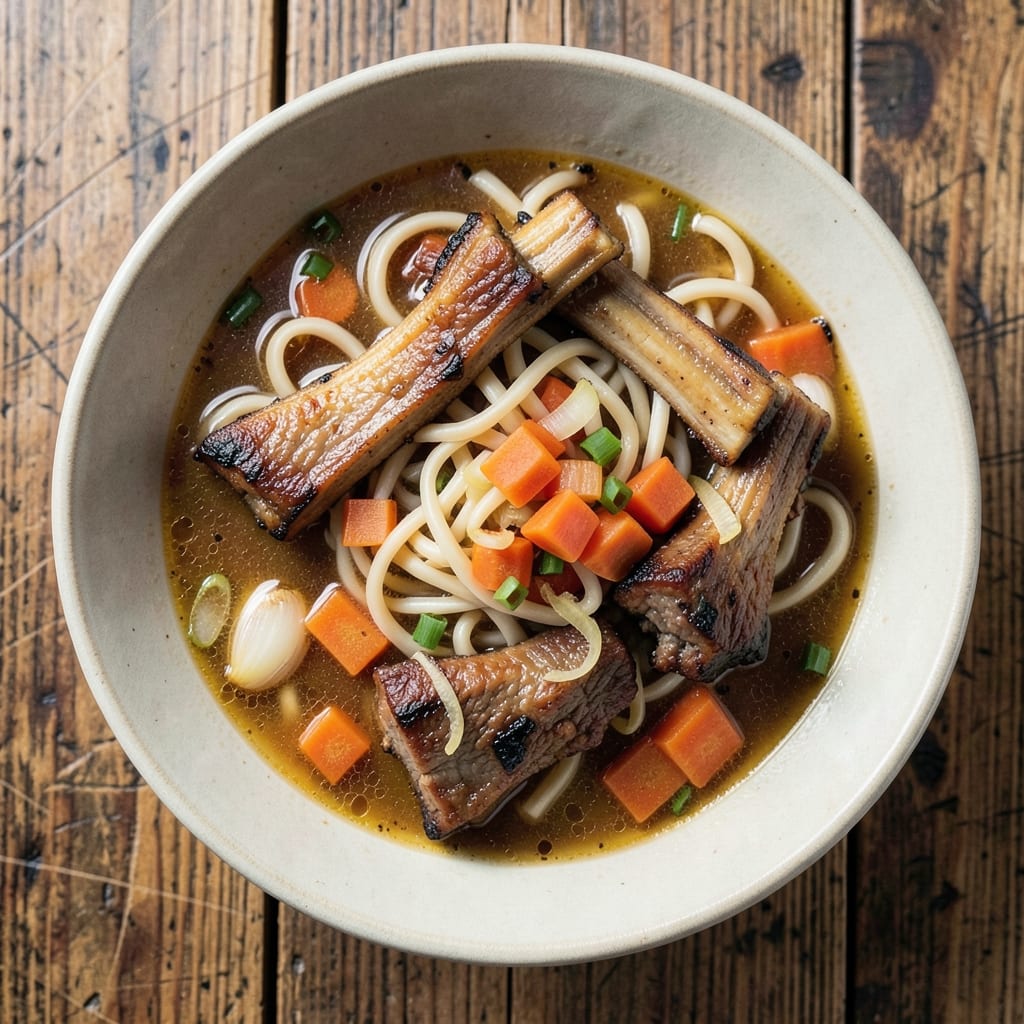
This beef soba noodle soup recipe delivers the perfect balance of rich, savory broth and chewy noodles that make every spoonful satisfying. The secret lies in building a deeply flavorful base—simmering beef bones with aromatic vegetables and miso paste creates a broth so rich it coats your tongue with each sip. I’ve perfected this version over years of testing, ensuring the noodles stay perfectly chewy while the beef stays tender and flavorful.
The key to an exceptional bowl is the harmony of textures and flavors: chewy soba noodles absorb the broth beautifully, while thinly sliced beef adds protein and depth. A touch of sesame oil and chili flakes at the end elevates the dish, adding a subtle kick that brightens the savory notes. This recipe is designed to be both comforting and restaurant-quality, with techniques that simplify the process without sacrificing authenticity.
What you’ll end up with is a bowl that’s warm, hearty, and deeply satisfying—ideal for chilly evenings or when you crave a meal that feels like a hug. The broth is rich yet balanced, the noodles hold their texture, and every bite is a perfect blend of umami, savory, and a hint of spice. Whether you’re serving it as a main dish or sharing it with friends, this soup is sure to become a staple in your rotation.
For those who love customization, you can easily adjust the spice level or swap in mushrooms for extra depth. The beauty of this recipe is its versatility—simple enough for a weeknight dinner but impressive enough for guests. Let’s get started on creating your perfect bowl of beef soba noodle soup.
Ingredients for beef soba noodle soup
These 15 ingredients create the perfect harmony of rich broth and chewy noodles.
| Ingredient | Amount | Notes |
|---|---|---|
| Beef Bones 🥩 | 2 lb | Marrowbones for richness |
| Soba Noodles 🍜 | 8 oz | Dried, chewy variety |
| Yellow Onion 🧅 | 1 whole | Chopped for base flavor |
| Carrots | 3 medium | Peeled, chopped into chunks |
| Garlic Cloves 🧄 | 6 cloves | Minced for aromatic punch |
| Ginger Root 🌿 | 2 tbsp | Freshly grated, zesty kick |
| White Miso Paste 🍶 | 2 tbsp | For umami depth |
| Red Miso Paste 🍶 | 1 tbsp | Balances flavor profile |
| Beef Stew Meat 🥩 | 1 lb | Thinly sliced for tenderness |
| Sesame Oil 🫒 | 1 tbsp | Toasted sesame flavor |
| Red Chili Flakes 🌶️ | 1 tsp | Adjust for spice preference |
| Green Onions 🧅 | 4 whole | Sliced for garnish |
| Dried Shiitake Mushrooms 🍄 | 4 whole | Rehydrated for depth |
| Water 💧 | 8 cups | For broth base |
| Soy Sauce 🍶 | 2 tbsp | For saltiness balance |
The beef bones are non-negotiable—they’re what gives this soup its signature richness. Look for marrowbones at your local butcher shop or the meat section of Whole Foods—they’re worth the extra effort. The soba noodles should say '100% buckwheat' on the package—Koyo brand is my go-to, but any quality dried soba works. For the miso pastes, Miso Master or Marukome are reliable brands, and you’ll want both white and red to balance that umami-savory profile. Fresh ginger and garlic are essential here—don’t use powdered substitutes unless you’re in a pinch.
No marrowbones? Substitute with beef chuck roast—just simmer it longer for flavor. Running low on sesame oil? Toasted sesame seeds at half the amount work in a bind. The shiitake mushrooms can be swapped for cremini or even white mushrooms, but rehydrate them first to keep the broth consistency. For extra depth, add a splash of mirin or sake—it’s that subtle sweetness that makes this soup sing. And if you’re feeling adventurous, swap half the beef with pork shoulder for a different but equally delicious twist.
This soup tastes even better the next day—make a double batch and store it. Keeps in the fridge for 4-5 days or freeze for up to 3 months. The noodles will soften when reheated, so I like to add a splash of water to the bowl before ladling in the hot broth. For serving, garnish with extra green onions and a drizzle of sesame oil—trust me, it’s worth the extra minute. The broth freezes beautifully too—just thaw and reheat, adding fresh noodles when serving.
Why You'll Love This Recipe
- One-Pot Magic: I swear by this—just toss beef bones, onions, and carrots into one pot, simmer for hours (or use a slow cooker), and boom. No extra pans, no fuss. The bones do all the work while I sip tea nearby.
- Umami Bomb: That slow-roasted beef bone broth? Rich, deep, and packed with flavor. The garlic and onions caramelize right into the broth, while the soba noodles soak up every last drop—like a cozy hug in a bowl.
- Lunchbox Hero: Between us, this soup is my secret weapon for meal prep. Reheat leftovers for lunch, pack it in thermoses for work, or even freeze portions. The noodles stay tender, and the broth tastes even better the next day.
- Budget-Friendly Feast: Beef bones stretch into gallons of broth, and soba noodles are cheap but satisfying. Honestly, I make this when I want to feed a crowd without breaking the bank—everyone leaves happy, and my wallet stays intact.
Step-by-step instructions for beef soba noodle soup
This rich, aromatic broth and chewy noodle combination comes together with patience and precision.
Prepare the Beef Bones and Aromatics
Preheat your oven to 425°F and place the 2 lb beef bones on a baking sheet. Roast for 20 minutes until they develop a deep golden color—this caramelization builds incredible flavor. While they roast, peel and chop the 3 medium carrots into ½-inch chunks and finely dice the 1 whole yellow onion.
Mince the 6 cloves garlic and grate the 2 tbsp ginger root using a fine grater. Soak the 4 whole dried shiitake mushrooms in 2 cups hot water for 20 minutes to rehydrate. This step ensures they contribute maximum umami to your broth. Keep the soaking liquid too—you'll use it later.
Build the Flavorful Broth
Transfer the roasted bones to a large stockpot and add 6 cups cold water. Bring to a boil over high heat, then reduce to a simmer and skim off any foam that rises to the surface. Add the chopped carrots, onion, garlic, ginger, and rehydrated mushrooms (squeeze out excess water). Simmer uncovered for 1 hour—this develops a deep, complex base.
After 1 hour, strain the broth through a fine-mesh sieve into a clean pot, pressing gently on the solids to extract maximum flavor. Return the broth to the pot and stir in the 2 tbsp white miso paste and 1 tbsp red miso paste. Add the reserved mushroom soaking liquid and 2 tbsp soy sauce. Simmer gently for another 30 minutes—this allows the miso to meld completely into the broth.
Cook the Beef Stew Meat
While the broth simmers, thinly slice the 1 lb beef stew meat against the grain into ¼-inch strips. Heat 1 tbsp sesame oil in a separate skillet over medium-high heat until shimmering. Add the beef in batches and sear for 2-3 minutes per side until browned but still slightly pink in the center. Remove and set aside.
Add the 1 tsp red chili flakes to the same skillet and toast for 30 seconds until fragrant. Pour in ½ cup broth to deglaze, scraping up any browned bits. This chili-infused broth will add a subtle heat that deepens the overall flavor profile.
Assemble and Finish the Soup
Return the seared beef and chili-infused broth to the main pot. Bring everything to a gentle simmer and cook for 10 minutes to allow the beef to finish cooking through. Taste and adjust seasoning—you might need a touch more soy sauce or miso to balance the flavors.
Cook the 8 oz soba noodles according to package instructions until al dente, then drain and rinse briefly under cold water to stop the cooking. Divide the noodles among bowls, ladle the hot beef broth over the top, and garnish with sliced green onions. Serve immediately while steaming hot for that perfect first sip.
Pro Tips For Making Beef Soba Noodle Soup
- Char the Bones First: I learned this the hard way—skipping the char on beef bones means missing out on that deep, smoky flavor. Hit them with a blowtorch or sear them in a hot pan until blackened in spots before simmering; it’s the thing that makes your broth taste like it’s been simmering all day, not just a few hours.
- Slice Carrots Thinly: Thick, uneven carrot chunks turn to mush in beef broth. Use a mandoline or sharp knife to slice them paper-thin—about 1/8-inch—so they soften quickly but stay recognizable. (Yes, even if you’re impatient like me, resist the urge to overcook them.)
- Don’t Crowd the Pot: Tossing in all your veggies at once? That’s how you end up with a watery, flavorless mess. Simmer onions and garlic until soft, then add carrots in batches. A slightly crowded pot boils too fast—you want gentle bubbles, not a rolling boil, to coax out the best from the bones.
- Toast the Soba Noodles: Sounds weird, but it works: dry the cooked soba noodles thoroughly with a towel, then toss them in a hot pan with a little oil for 30 seconds before adding to the soup. It gives them a nutty crunch that cuts through the richness of the beef broth. (Your future self will thank you.)
Wine and beer pairings for these flavors
Japanese Sake Pairings
For a truly authentic experience, pair your beef soba noodle soup with a dry junmai sake like Dassai 23—its crisp acidity and subtle umami complement the miso broth beautifully. I love serving this with a chilled glass to cleanse the palate between rich spoonfuls. A fruity ginjo-style sake with citrus notes also works wonderfully, especially if you've added extra ginger or chili flakes to your soup. 🍶
Crisp White Wines
A dry Riesling from Germany or Alsace brings bright acidity that cuts through the richness of the beef and noodles. Look for a Kabinett-level with its zesty apple and citrus notes—it mirrors the umami depth of the miso while keeping things refreshing. If you prefer something lighter, a Sauvignon Blanc with herbal undertones pairs perfectly, especially if you've garnished your soup with extra green onions. 🍷
Light Beer Options
For beer lovers, a Japanese lager like Asahi Super Dry or Sapporo Premium is ideal—its clean, crisp profile won't overpower the delicate flavors of the soup. If you're feeling adventurous, try a Belgian witbier with its coriander and citrus notes, which adds a fun contrast to the savory broth. Avoid heavy stouts or IPAs, as they'll compete with the umami richness. 🍺
Spiced Wine Finisher
Warm up a small glass of mulled wine infused with star anise and cinnamon as a finishing touch. The warmth of the spices enhances the ginger and chili notes in the soup, creating a cozy, aromatic experience. I like to serve this in small wine glasses during colder months—it's the perfect way to extend the meal's warmth. ✨
Umami-Rich Port
For a dessert pairing that echoes the soup's flavors, try a tawny port with its caramel and dried fruit notes. The port's depth mirrors the miso and beef, making it a surprisingly harmonious finish. Serve it slightly chilled in small stemmed glasses to let the flavors develop alongside your meal. 🍷
Nutrition facts
Frequently asked questions
Can I substitute beef with another protein in this recipe? For a lighter option, try thinly sliced chicken breast or pork tenderloin, but reduce cooking time to 1-2 minutes per side to avoid overcooking. If you prefer seafood, shrimp or scallops work beautifully—they cook in just 2-3 minutes and add a delicate sweetness to the broth. Just
How do I make this soup gluten-free?
Traditional soba noodles contain wheat, but you can use 100% buckwheat soba (like Koyo brand) or rice noodles as a substitute. For the broth, ensure your miso paste is gluten-free (many brands offer this) and check that other ingredients like soy sauce are tamari-based. The flavor profile will be slightly different but still delicious!
Why does my broth taste too salty?
Miso and soy sauce are both salty, so it's easy to overdo it. Taste as you go and adjust gradually—start by adding ½ teaspoon at a time. If the broth is still too salty, dilute it with ½ cup hot water or add a splash of coconut milk to balance the richness. The key is patience—build flavor layer by layer!
Can I prepare this soup ahead of time?
Yes! The broth freezes beautifully for up to 3 months, and the noodles can be cooked fresh when serving. Store the broth in airtight containers, leaving ½-inch headspace for expansion. Reheat gently on the stove, then add fresh noodles and garnishes just before serving to keep them chewy and vibrant.
What’s the best way to reheat leftover beef soba noodle soup?
Gently reheat the broth on the stove over low heat until steaming, then add fresh noodles directly to your bowl. This keeps the texture perfect—no mushy noodles! For extra richness, stir in a ½ teaspoon of sesame oil or a splash of chicken or vegetable broth to restore depth. Avoid microwaving to prevent uneven heating.