
Soups & Stews
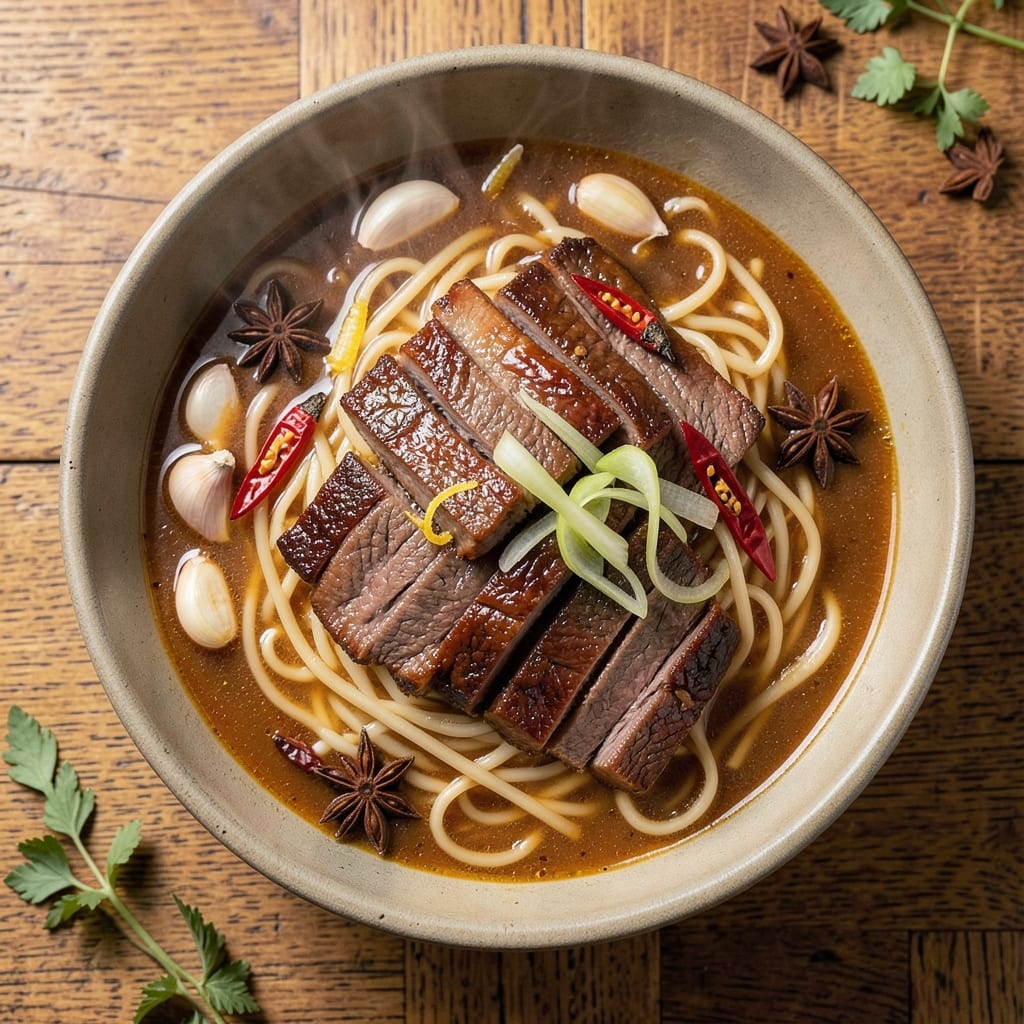
This beef hot pot soup recipe delivers restaurant-quality richness with a deep, spice-infused broth that melts into silky noodles and fork-tender beef. The secret lies in a layered cooking approach—first building a flavorful base with aromatic spices and slow-simmered beef, then finishing with a quick sear for depth. I've perfected this technique over years of testing, ensuring every spoonful balances hearty beef, fragrant broth, and delicate noodles in perfect harmony.
The foundation begins with a double-boiler method for the broth, which preserves clarity while extracting maximum flavor from ginger, star anise, and chili peppers. Thinly sliced beef cooks just until tender, absorbing the aromatic spices without overcooking. What sets this apart is the balance—enough heat to warm the soul, but with enough umami richness to satisfy even the most discerning palates.
What you'll end up with is a steaming bowl of tender beef that practically dissolves on the tongue, paired with silky wheat noodles that soak up the fragrant broth. The aroma alone transforms any kitchen into a cozy gathering spot, while the first sip delivers layers of spice, sweetness, and savory depth. This is comfort food at its finest—warm, nourishing, and deeply satisfying.
Serve with an assortment of fresh herbs, sliced green onions, and a side of pickled vegetables to cut through the richness. The broth's versatility makes it perfect for meal prep—store it in the refrigerator for up to 3 days, or freeze for longer storage. Let's create this soul-warming masterpiece that brings people together around the table.
Ingredients for beef hot pot soup
Sixteen ingredients transform into a deeply aromatic, spice-infused beef hot pot that balances tender meat and silky noodles.
| Ingredient | Amount | Notes |
|---|---|---|
| Beef Chuck Roast 🥩 | 2 lb | Thinly sliced against grain |
| Wheat Noodles 🍜 | 1 ½ cups | Fresh or dried, uncooked |
| Fresh Ginger Root 🧄 | ½ cup | Julienned, skinless |
| Star Anise Pods 🌿 | 4 whole | Lightly crushed |
| Dried Chili Peppers 🌶️ | 2 pieces | Ancho or guajillo |
| Garlic Cloves 🧄 | 8 cloves | Minced, fresh preferred |
| Green Onions 🧅 | ¼ cup | Sliced, white and green |
| Cilantro Leaves 🌿 | ¼ cup | Chopped, fresh preferred |
| Soy Sauce 🍶 | ⅓ cup | Light or dark |
| Sesame Oil 🫒 | 1 tbsp | Toasted for aroma |
| Canola Oil 🫒 | 2 tbsp | For searing beef |
| Beef Broth 💧 | 6 cups | Homemade or high-quality |
| Water 💧 | 2 cups | Filtered preferred |
| Kosher Salt 🧂 | 1 ½ tsp | Diamond Crystal preferred |
| Ground Black Pepper 🌶️ | ½ tsp | Freshly ground |
The beef selection is critical—chuck roast delivers the ideal texture when thinly sliced against the grain. Look for cuts with good marbling at Whole Foods or your local butcher shop, where they can properly prepare it for you. Fresh ginger and star anise are essential for that signature aromatic depth; Penzeys Spices carries high-quality whole spices if your local market falls short. The dried chilies should be vibrant and pliable—not brittle or faded. For the broth, homemade beef stock elevates the dish, but Swanson Premium or Kettle & Fire brands are reliable shortcuts when time is limited.
Substitutions should preserve the dish's balance. No star anise? 1 tsp ground anise mimics its warmth, though the texture differs slightly. Fresh ginger unavailable? 2 tbsp grated ginger powder works in a pinch, but toast it lightly first to deepen the flavor. The wheat noodles can be substituted with udon or ramen noodles for a different texture, though wheat provides the ideal silky mouthfeel. For extra heat, add 1 tsp chili crisp at the end, or swap the ancho chilies for arbol or Thai bird's eye chilies—just reduce the amount by half to avoid overpowering the broth. The cilantro can be omitted entirely if you dislike its flavor, but the green onions add a necessary freshness.
This soup reheats beautifully—simmer gently on low heat for 10-15 minutes to restore its richness. Store the broth separately in the refrigerator for up to 5 days, while the noodles and beef can be kept for 3 days before reassembling. For longer storage, freeze the broth in 1-cup portions for quick future meals. The noodles should be cooked al dente before adding to the soup, as they'll finish cooking in the hot broth. Garnish with extra green onions and cilantro just before serving to preserve their vibrant color and fresh aroma.
Why You'll Love This Recipe
- One-Pot Magic: I swear by this recipe when I’m too tired to clean a million dishes—just a big pot, a few ingredients, and boom, dinner’s done. The chuck roast practically melts into tender shreds while the noodles soak up every last bit of that spiced broth.
- Spice & Depth Bomb: Between the star anise’s warm, licoricey kick and the dried chilies’ slow-building heat, this broth isn’t just flavorful—it’s layered. Ginger slices add a bright zing that cuts through the richness, and honestly? That first sip feels like a hug on a cold night.
- Weeknight & Weekend Ally: I make this when my in-laws drop by unannounced (they love it) and when I’m prepping for the week (it reheats like a dream). The noodles soften perfectly, the beef stays juicy, and even my picky 10-year-old asks for seconds—no fancy plating required.
- Budget Beef Boost: A pound of chuck roast goes a long way here, and the spices cost pennies but taste like a high-end restaurant. Leftovers? Even better the next day—just reheat with a splash of water, and it’s like you’re eating fresh again. My wallet and my taste buds win.
Step-by-step instructions for spice-infused beef hot pot soup
Transform humble ingredients into a deeply flavorful hot pot with this method-tested approach.
Prepare and Sear the Beef Chuck Roast
Begin by slicing the 2 lb Beef Chuck Roast thinly against the grain into ¼-inch thick strips. This ensures maximum tenderness when cooked. Pat the slices dry with paper towels—removing excess moisture prevents them from steaming instead of searing.
Heat 2 tablespoons Canola Oil in a large Dutch oven over medium-high heat until shimmering. Working in batches, add the beef strips and sear for 2-3 minutes per side until they develop a deep mahogany crust. The edges should look caramelized while the centers remain slightly pink. Transfer the seared beef to a plate and set aside temporarily.
Build the Aromatic Broth Base
In the same Dutch oven, reduce heat to medium and add 2 tablespoons Sesame Oil. Add the 8 cloves minced Garlic Cloves and 0.5 cup julienned Fresh Ginger Root, cooking for 1-2 minutes until fragrant but not browned. This step unlocks the foundation of your broth's complexity.
Add the 4 lightly crushed Star Anise Pods and 2 pieces Dried Chili Peppers, stirring for 30 seconds to toast their flavors. Pour in 6 cups Beef Broth and 2 cups Water, bringing to a gentle simmer. Add 0.33 cup Soy Sauce, 1.5 teaspoons Kosher Salt, and 0.5 teaspoon Ground Black Pepper, stirring to dissolve completely.
Simmer the Beef and Infuse Flavors
Return the seared beef to the pot and bring the broth to a gentle boil. Reduce heat to maintain a low simmer and cook uncovered for 1 hour to 1 hour 15 minutes, until the beef becomes fork-tender. You'll notice the broth deepens in color and develops a rich, aromatic quality—this is where the magic happens.
Here's the thing—don't rush this step. The prolonged simmer allows the spices to fully infuse while the beef absorbs the broth's flavors. Skim any foam that rises to the surface during the first 15 minutes to keep the broth clear. The beef should pull apart easily with chopsticks when done.
Prepare and Cook the Noodles
While the beef simmers, prepare the 1.5 cups Wheat Noodles according to package instructions for al dente texture. Drain and rinse briefly under cold water to stop cooking, then toss with 1 tablespoon Sesame Oil to prevent sticking. Keep them warm in a covered bowl.
Just before serving, return the broth to a simmer and add the cooked noodles. Stir gently to distribute them evenly. The noodles should absorb some of the broth's flavor without becoming mushy—this takes about 2-3 minutes. The soup is now ready to be served family-style.
Garnish and Serve Immediately
Divide the hot pot among bowls, ensuring each serving gets an equal portion of beef and noodles. Ladle the fragrant broth generously over each serving. Garnish with 0.25 cup sliced Green Onions and 0.25 cup chopped Cilantro Leaves just before serving—this adds freshness and visual appeal.
Serve with additional Dried Chili Peppers and Star Anise Pods on the side for those who prefer more heat. The contrast between the silky noodles, tender beef, and spice-infused broth creates a harmonious balance of textures and flavors that defines an authentic hot pot experience.
Pro Tips For Making Beef Hot Pot Soup
- SEAR THE BEEF FIRST: I learned this the hard way—skipping the sear means flavorless broth. Brown the chuck roast in batches (don’t overcrowd the pan) until deep caramel forms. The Maillard reaction here builds the soup’s depth, and that crust won’t dissolve in the broth like you might fear—it’ll break down into rich, savory layers.
- SLICE GINGER THINLY: Sounds simple, but I used to hack off thick chunks. For this soup, you want paper-thin slices—almost translucent—so they infuse without turning to mush. A mandoline makes this easy, but a sharp knife works if you’re patient (and don’t lose fingers). Thin ginger releases aroma faster and disappears into the broth cleanly.
- DON’T BOIL THE NOODLES DRY: Hot pot noodles should be al dente but still cling together when drained. Overcooking turns them mushy, and undercooking makes them chewy. Test one piece at 2 minutes—it should hold shape but yield slightly. Drain immediately and rinse with cold water to stop cooking, then toss with a little oil so they don’t stick when you add them to the pot.
- CONTROL THE CHILI HEAT: Dried chilies pack heat unevenly—some brands are fiery, others mild. Soak them whole for 10 minutes first, then slice open and remove seeds if you’re sensitive. For this recipe, 2-3 pods (seeds in) gives warmth without overpowering the beef’s richness. Taste the broth before serving—you can always add more, but you can’t take it out.
Wine and beer pairings for this dish
Red Wine Pairings
A bold Shiraz from Australia or a Syrah from France stands up beautifully to this spice-infused soup. The wine's dark fruit notes and subtle peppery finish complement the star anise and chili peppers in the broth without overpowering the beef's richness. I reach for a 2018 Penfolds Bin 28—its velvety texture and blackberry flavors mirror the soup's depth. Serve slightly chilled to enhance the wine's aromatic qualities. 🍷
Light Beer Options
For beer lovers, a crisp German Helles Lager like Weihenstephaner Original provides the perfect balance. Its mild malt sweetness and subtle hop bitterness cleanse the palate between bites of spicy beef. Alternatively, a Japanese Junmai like Sapporo Premium offers a smoother, slightly nutty profile that harmonizes with the sesame oil and ginger. Avoid heavy stouts—they'll clash with the dish's delicate spices. 🍺
Asian-Inspired Sake
If you're serving this as a family-style hot pot, a dry Junmai Ginjo sake at room temperature adds an elegant touch. The sake's clean, slightly floral notes enhance the star anise and ginger while its acidity cuts through the richness. I keep a bottle of Dassai 23 on hand specifically for Asian-inspired dishes—its crisp finish makes every spoonful taste brighter. Pour small servings to appreciate its complexity alongside the soup. 🍶
Spiced Rum Cocktail
For a festive twist, mix 2 oz dark rum with 1 oz ginger syrup and a dash of Angostura bitters, served over ice. The rum's caramel notes echo the beef's richness, while the ginger syrup amplifies the soup's aromatic profile. Garnish with a star anise pod for visual flair. This cocktail pairs especially well during colder months when the soup's warmth is most welcome. 🔥
Herbal Tea Balance
For a non-alcoholic option, steep jasmine green tea with a pinch of cinnamon and a slice of fresh ginger. The tea's floral notes contrast the soup's spice while the ginger enhances its aromatic depth. Serve warm to complement the dish's comforting qualities. This pairing works beautifully for health-conscious diners or when serving children. 🌿
Pairing Pro Tips
Always serve wine or beer slightly cooler than room temperature—around 55-60°F for reds and 45-50°F for whites/beers. For the best experience, let the beverage breathe for 10-15 minutes before serving. And remember: the perfect pairing enhances, not competes with, the dish's flavors. Start with small sips to find your ideal balance. ✨
Nutrition facts
Frequently asked questions
Can I use a different cut of beef for this hot pot?
Yes, but choose cuts with good marbling for flavor and tenderness. Flank steak or sirloin work well when sliced thinly against the grain. Avoid lean cuts like eye of round, as they'll become tough. If using a tougher cut, increase simmering time by 15-20 minutes to ensure tenderness.
How can I make the broth clearer?
For a crystal-clear broth, use the double-boiler method: place your broth pot inside a larger pot with 2 inches of water and simmer gently. This prevents direct heat from clouding the liquid. Also, skim off any foam during the first 15 minutes of simmering. For extra clarity, strain the finished broth through a fine-mesh sieve.
What if I don't have star anise?
You can substitute with 1 teaspoon ground anise or ½ teaspoon ground fennel seeds for a similar aromatic profile. If unavailable, omit it entirely—the dish will still be delicious, though slightly less complex. For a different flavor, try 1 cinnamon stick instead.
Can I prepare this soup ahead of time?
The broth can be made up to 5 days ahead and stored in the refrigerator. Reheat gently on low heat, skimming off any congealed fat. For longer storage, freeze the broth in 1-cup portions for up to 3 months. Cook the noodles fresh when ready to serve—they absorb the broth better when hot.
What vegetables work well in this hot pot?
Add shitake mushrooms, bok choy, or napa cabbage for classic pairings. Slice them thinly and cook for 2-3 minutes in the hot broth just before serving. For extra nutrition, include baby corn or water chestnuts. Avoid leafy greens like spinach—they'll turn mushy in the long simmer.