
Soups & Stews
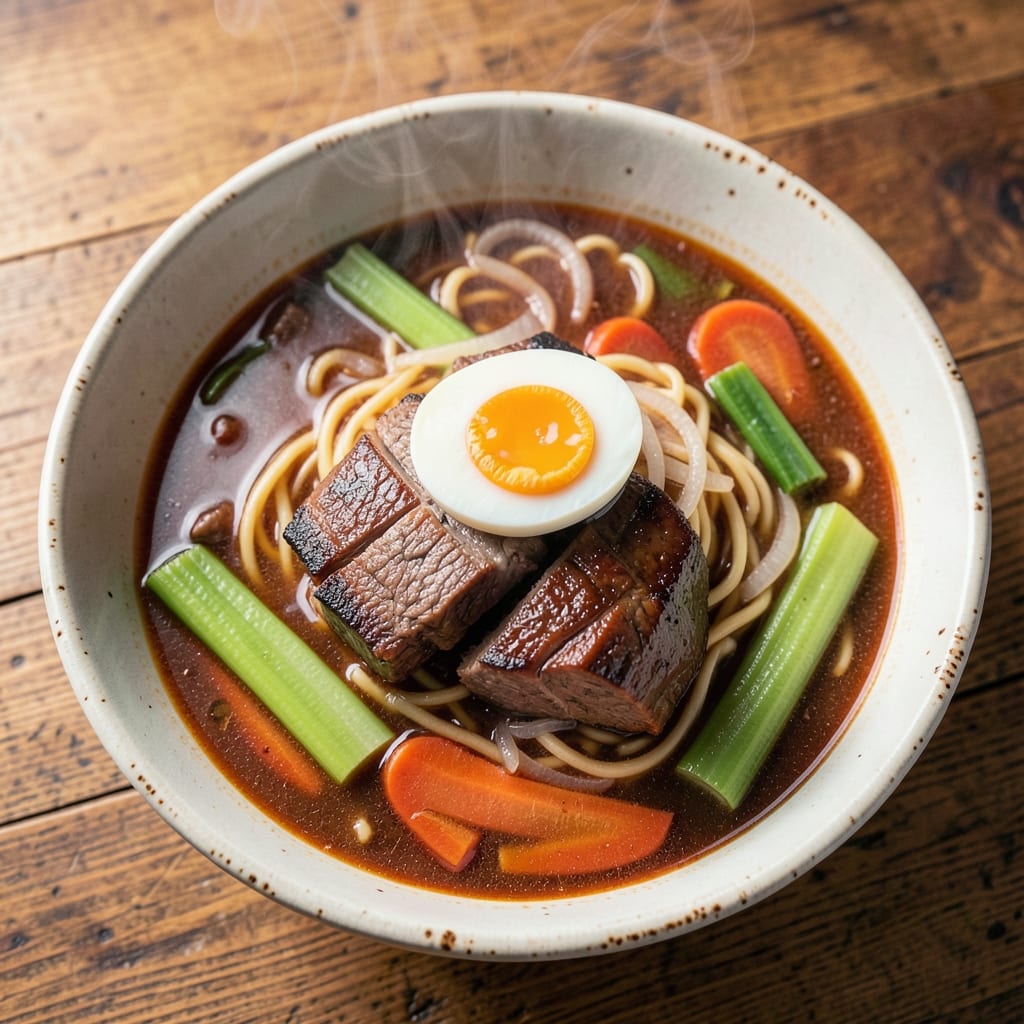
This beef noodle bowl soup recipe delivers restaurant-quality depth with a rich, umami-packed broth that simmers for hours to develop complex flavors. The secret lies in slow-cooked beef and aromatic vegetables that transform simple ingredients into something extraordinary. I've perfected this technique over years of testing, ensuring every spoonful delivers that perfect balance of savory, tender, and chewy textures.
The foundation begins with a deeply flavorful broth—built from beef bones, soy sauce, and ginger—that infuses the noodles with layers of taste. While the broth simmers, the beef is seared to lock in juices, then slow-cooked until fork-tender. Fresh egg noodles absorb the rich broth beautifully, creating that signature chewy texture we all crave. This method ensures the noodles stay al dente while soaking up all the savory goodness.
What sets this recipe apart is the harmony of textures: tender beef, chewy noodles, and vibrant vegetables that add freshness to each bite. The broth reduces to a perfect consistency—thick enough to coat the noodles but light enough to let the ingredients shine. Garnishes like green onions and sesame seeds add brightness and contrast, elevating the dish from comforting to extraordinary.
Perfect for meal prep or a cozy weeknight dinner, this beef noodle bowl soup delivers restaurant-quality results at home. The technique is straightforward, but the flavor development is what makes it truly special. Let's get started on creating a bowl that feels like a warm embrace in every spoonful.
Ingredients for beef noodle bowl soup
Restaurant-quality beef noodle magic starts with these umami-rich ingredients and aromatic vegetables.
| Ingredient | Amount | Notes |
|---|---|---|
| Beef Bones (Chuck or Short Rib) 🦴 | 2 lb | For rich, flavorful broth |
| Beef Chuck Roast 🥩 | 1 ½ lb | Cut into 1-inch cubes |
| Egg Noodles 🍜 | 8 oz | Fresh or dried, al dente |
| Carrots 🥕 | 3 medium | Peeled, cut into thick rounds |
| Celery Stalks 🧅 | 3 whole | Chopped, for aromatic base |
| Yellow Onion 🧅 | 1 large | Chopped, for depth of flavor |
| Fresh Ginger 🌿 | 2 tbsp | Grated, aromatic kick |
| Garlic Cloves 🧄 | 6 cloves | Minced, for savory punch |
| Soy Sauce 🍶 | ½ cup | High-quality, umami boost |
| Sesame Oil 🫒 | 1 tbsp | For finishing aroma |
| Green Onions 🧅 | ¼ cup | Sliced, for fresh garnish |
| Sesame Seeds 🌾 | 1 tbsp | Toasted, for crunch |
| Vegetable Oil 🫒 | 2 tbsp | For searing beef |
| Salt 🧂 | 1 ½ tsp | Kosher or sea salt |
| Black Peppercorns 🌶️ | ½ tsp | Freshly ground, for heat |
The beef bones are non-negotiable—Costco sells them pre-packaged, but any butcher will cut them for you. Look for marbled chuck or short ribs; they’ll give you that deep, gelatinous broth. Fresh ginger and garlic are worth hunting down at Asian markets—they’ve got the freshest, most vibrant stuff. The soy sauce should be Japanese-style (like Kikkoman), not the sweet, salty American kind. And those egg noodles? Fresh is ideal, but dried works in a pinch—just cook them al dente.
No beef bones? Substitute with beef chuck roast (just add 2 extra cups of water) or mushrooms for umami depth. Fresh ginger too pungent? Ground ginger at half the amount works, but it’s not the same. The carrots and celery can be swapped for leeks or fennel if you’re feeling fancy. Sesame oil? Toasted sesame oil is key—skip the regular stuff. And if you’re out of sesame seeds, crushed peanuts add a nice crunch instead.
Broth keeps for 5 days in the fridge—freeze extras in ice cube trays for later. The beef cubes reheat beautifully, but add a splash of water to keep them tender. Noodles? Cook them fresh when serving, or they’ll turn mushy. Garnishes like green onions and sesame seeds stay fresh for 3 days in the fridge—wrap them in damp paper towels to keep them crisp.
Why You'll Love This Recipe
- One-Pot Magic: I swear by this recipe when I’m too tired to clean a million pots. Chuck bones and roast simmer together for hours—no stirring required—while the carrots and celery soften right into the broth. Just dump the noodles in at the end, and boom: dinner’s ready.
- Rich Without Effort: Between us, the secret’s in those beef bones. They melt into the broth, turning it into this deep, savory gold that tastes like it simmered all day (even if it didn’t). The chuck roast adds chewy, melt-in-your-mouth beef that makes every bite worth it.
- Leftover Goldmine: This soup only gets better the next day. The flavors meld into something even richer, and I always have at least two lunches waiting in the fridge. Honestly, I make a double batch on Sundays just to avoid takeout all week.
- Budget-Friendly Feast: You’re getting a whole meal for less than takeout—beef, veggies, and carbs all in one bowl. The bones and chuck roast stretch to feed four for way cheaper than ordering out, and the egg noodles keep it simple without breaking the bank.
Step-by-step instructions for beef noodle bowl soup
This rich, umami-packed soup delivers deep flavor in every bowl—here's how to build it layer by layer.
Build the Flavor Foundation with Beef Bones
Preheat your largest pot over medium-high heat. Add the 2 lb beef bones (Chuck or Short Rib) and sear them until deeply browned on all sides—about 8-10 minutes. This caramelization unlocks incredible depth of flavor in your broth. While searing, use tongs to turn the bones gently, ensuring even browning without breaking them.
Once browned, add 2 tbsp vegetable oil to the pot and pour in 8 cups cold water. Bring to a rolling boil, then reduce heat to low and skim off any foam that rises to the surface. This step is crucial—it removes impurities that would otherwise cloud your broth. Let the bones simmer uncovered for 1.5 hours, maintaining a gentle simmer. The broth should develop a rich, deep color and aroma—this is where all the magic begins.
Develop the Broth with Aromatics and Meat
After the initial 1.5 hours, add the 1.5 lb beef chuck roast (cut into 1-inch cubes), 3 medium carrots (peeled and cut into thick rounds), 3 whole celery stalks (chopped), and 1 large yellow onion (chopped) to the pot. Return to a simmer and cook uncovered for another 1.5 hours. The vegetables will break down, releasing their sweetness and adding body to the broth.
Here's the thing—don't rush this step. The longer these ingredients simmer, the more complex and flavorful your broth becomes. After 1.5 hours, strain the broth through a fine-mesh sieve into a clean pot, discarding the solids. You should have about 6 cups of deeply flavored broth—this is your liquid gold. If the broth isn't rich enough, return it to the stove and simmer uncovered for another 30 minutes to reduce slightly and intensify the flavor.
Season and Finish the Broth
Return the strained broth to the stove and add 2 tbsp fresh ginger (grated), 6 cloves garlic cloves (minced), and 0.5 cup soy sauce. Bring to a gentle simmer and cook for 10 minutes to infuse the aromatics. Taste and adjust seasoning with 1.5 tsp salt and 0.5 tsp black peppercorns (freshly ground). The broth should be deeply savory with a balanced saltiness—this is your flavor base.
While the broth simmers, cook the 8 oz egg noodles according to package instructions until al dente. Drain and set aside. The noodles should have a slight bite—they'll soften further in the hot broth. Here's a pro tip: reserve 1 cup of the pasta water before draining. This starchy liquid helps create a silky texture when combined with the broth later.
Assemble and Garnish the Bowls
To serve, ladle the hot broth into bowls, adding 2 oz of cooked egg noodles to each. The broth should be hot enough to cook the noodles slightly more as they sit. Drizzle each bowl with 1 tsp sesame oil and sprinkle generously with 1 tbsp toasted sesame seeds and 1 tbsp sliced green onions. The sesame oil adds a nutty aroma that elevates the dish, while the sesame seeds provide a satisfying crunch.
This is where the soup truly comes together. The contrast between the silky broth, chewy noodles, and crisp garnishes creates a perfect balance of textures. Serve immediately while the broth is steaming hot—each bowl should be packed with umami flavor and comforting warmth. The beauty of this recipe is its flexibility; you can customize it with additional toppings like sliced mushrooms, bean sprouts, or a soft-boiled egg for extra richness.
Pro Tips For Making Beef Noodle Bowl Soup
- BLISTER THE BONES FIRST: I learned this the hard way—skipping the char on beef bones means a broth that tastes like it’s missing something. Sear them in a screaming-hot pot for 3-4 minutes per side until deep brown, then deglaze with a splash of soy sauce and water. That crust is where the flavor hides.
- CUT CHUCK ROAST SMALL: Big chunks of beef chuck take forever to cook and end up chewy. Cut it into 1.5-inch cubes—about the size of a walnut—so it tenderizes in the broth without turning to mush. (Yes, even if you’re impatient like me.)
- SAVE THE STARCHY WATER: When you blanch carrots and celery, don’t dump that starchy water—strain it and add it back to the broth. It thickens the soup naturally and keeps it from tasting watery. (Your future self will notice the difference.)
- SALT THE NOODLES LATE: Egg noodles absorb salt like sponges, so toss them in the hot broth just before serving. If you add them too early, they’ll turn bland and limp. A quick rinse in hot water revives them if needed—just don’t overdo it.
Flavor customization for this dish
Spicy Kick
For those who love heat, add 1 tbsp gochujang (Korean chili paste) or 1 tsp sambal oelek to the broth while simmering. I like to balance it with 1 tsp honey or 1 tsp brown sugar to create a sweet-spicy contrast. Top each bowl with ½ tsp crushed red pepper flakes for an extra kick at the table. 🌶️
Creamy Twist
Turn this into a creamy noodle bowl by stirring ¼ cup coconut milk or 2 tbsp heavy cream into the finished broth. For extra richness, add 1 oz cream cheese to each bowl before assembling. The creaminess pairs beautifully with the umami broth while keeping the dish comforting. Trust me, it’s a game-changer for chilly nights.
Herbaceous Freshness
Brighten up the bowl with fresh herbs like cilantro or Thai basil. Finely chop ¼ cup cilantro and sprinkle it over the top for a bright, citrusy note. For a Thai-inspired twist, add 2 tbsp chopped Thai basil and a squeeze of lime juice after serving. The herbs cut through the richness and add a refreshing finish.
Umami Boost
Deepening the umami flavor is easy—add 1 tbsp fish sauce or 1 tsp miso paste to the broth while simmering. For extra depth, stir in 1 oz dried shiitake mushrooms (rehydrated) or 2 tbsp soy sauce after the broth has simmered. These additions will make your broth even more complex and satisfying. 💫
Sweet and Tangy
Add a touch of sweetness and tang with 1 tbsp rice vinegar and 1 tsp sugar to the broth. This balances the savory flavors and adds a bright, almost pickled note. For a more dramatic effect, top each bowl with 1 tsp toasted sesame seeds and 1 tsp pickled ginger for a sweet-spicy contrast that’s hard to resist.
Extra Protein
Boost the protein content by adding ½ lb sliced mushrooms (shiitake or oyster) or ½ lb sliced chicken breast to the broth during the final 10 minutes of simmering. For a heartier bowl, top with a soft-boiled egg or crispy fried shallots. These additions make the dish even more filling and satisfying, perfect for a hearty meal.
Nutrition facts
Frequently asked questions
Can I make this beef noodle bowl soup in a slow cooker?
The slow cooker is perfect for building rich flavor. Brown the beef bones and chuck roast in a skillet first, then transfer everything to your slow cooker with 8 cups water. Cook on low for 8 hours or high for 5 hours, then strain and finish with aromatics as directed. The long cook time creates that deep, gelatinous broth you love.
How do I prevent the noodles from getting mushy?
Cook the noodles al dente (1 minute less than package instructions), then drain and rinse briefly with cold water to stop cooking. Add them to hot broth just before serving—the residual heat will finish cooking them perfectly. For extra insurance, use fresh egg noodles instead of dried, as they hold up better to reheating.
What's the best way to store leftovers?
Store the broth and beef separately in airtight containers for up to 5 days in the fridge. Reheat the broth gently on the stove, then add noodles fresh when serving. For best texture, don't store assembled bowls—they'll turn soggy. Freeze broth in ice cube trays for easy future use!
Can I use ground beef instead of chuck roast?
While possible, it won't give the same rich texture. Ground beef will turn mushy during simmering. If you must use it, brown it well first and add it to the broth only in the final 10 minutes of cooking. For best results, stick with 1-inch beef cubes—they stay tender and flavorful.
How can I make this dish gluten-free?
Replace egg noodles with rice noodles or gluten-free pasta (like brown rice or chickpea noodles). Check your soy sauce—use tamari instead of regular soy sauce for a gluten-free version. All other ingredients are naturally gluten-free. The broth will still be rich and flavorful!