
Soups & Stews
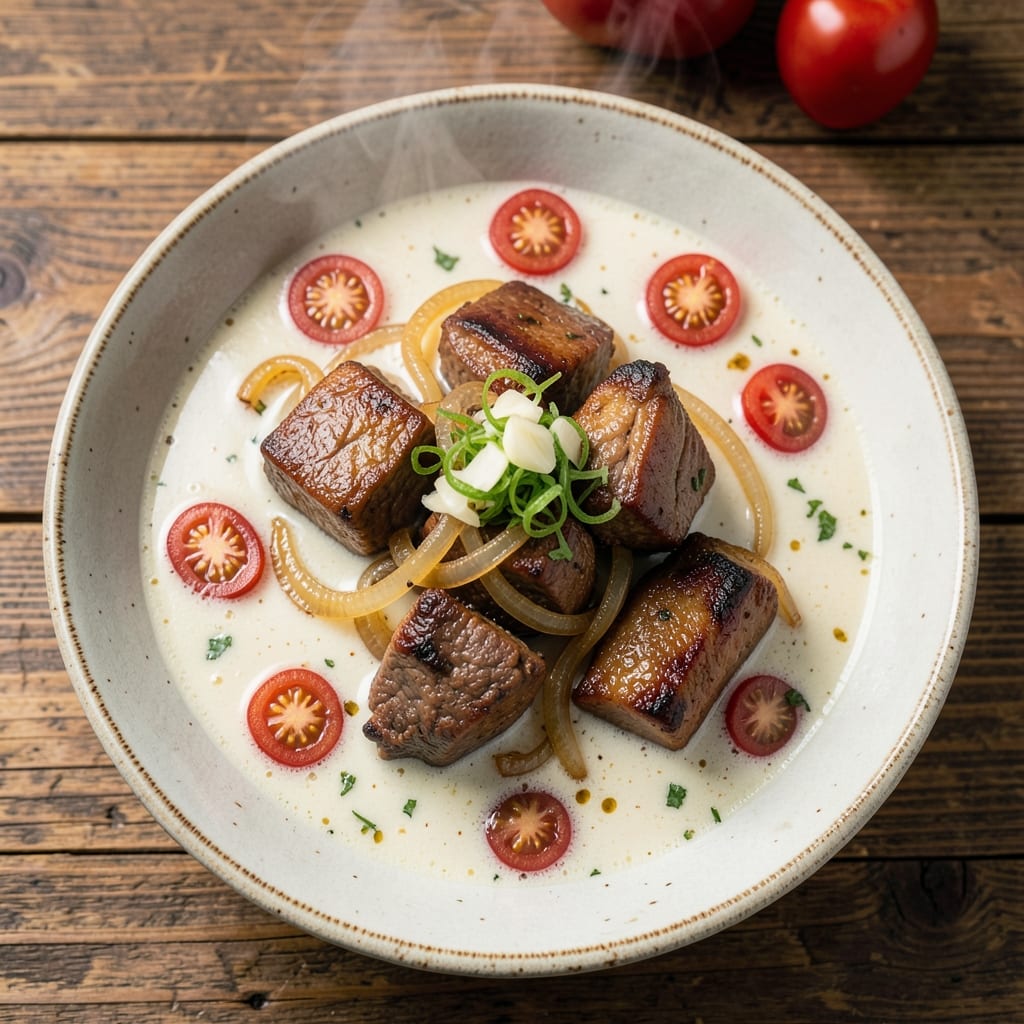
Beef giniling soup transforms humble ingredients into a rich, aromatic Filipino classic where crispy pork bits float in a velvety coconut broth. This recipe captures the heart of Filipino comfort food—where tender meat meets fragrant spices and creamy coconut milk. The secret lies in slow-simmering the broth and achieving that perfect crispy texture on the pork pieces, a technique passed down through generations.
The beauty of giniling soup is its versatility—it’s equally at home as a festive centerpiece or a weeknight family meal. We’ll start with mincing the beef and sautéing aromatics like garlic, ginger, and onions until fragrant, then build the broth with coconut milk and a blend of spices. The key is patience; letting the soup simmer low and slow allows the flavors to meld into a harmonious, deeply satisfying dish.
What makes this recipe special is the balance of textures: the crispy pork bits contrast beautifully with the smooth, creamy broth. The soup’s rich, savory depth comes from the slow cooking process, where the spices and meat infuse the coconut milk into something truly extraordinary. Serve it with steamed rice and a side of atchara for a complete Filipino feast.
Regional variations exist, but this version stays true to the classic while making it accessible for home cooks. Whether you’re preparing it for a celebration or a simple family dinner, this beef giniling soup delivers warmth, tradition, and a taste of home in every spoonful.
Ingredients for beef giniling soup
Transform humble ingredients into a rich Filipino classic with crispy pork bits and velvety coconut broth.
| Ingredient | Amount | Notes |
|---|---|---|
| Beef Chuck Roast 🥩 | 2 lb | Cut into 1-inch cubes |
| Coconut Milk 🥥 | 2 cans | Full-fat, 13.5 oz each |
| Yellow Onions 🧅 | 2 whole | Thinly sliced, about 3 cups |
| Garlic Cloves 🧄 | 8 cloves | Minced, about 2 tbsp |
| Fresh Ginger 🌿 | 2 inch | Thinly sliced, peeled |
| Tomatoes 🍅 | 4 whole | Medium, quartered |
| Potatoes 🥔 | 4 medium | Peeled, cut into chunks |
| Carrots 🥕 | 3 whole | Peeled, cut into rounds |
| Bay Leaves 🍃 | 2 whole | Dried, for infusion |
| Ground Black Pepper 🌶️ | 1 tsp | Freshly ground preferred |
| Salt 🧂 | 1 ½ tsp | Kosher or sea salt |
| Cooking Oil 🫒 | ½ cup | Vegetable or canola |
| Green Onions 🧅 | 4 whole | Sliced, for garnish |
| Potatoes 🥔 | 2 lb | Peeled, cut into chunks |
| Fish Sauce 🍶 | 2 tbsp | For umami depth |
The beef is the heart of this dish—chuck roast gives the best texture when cut into even 1-inch cubes. Your local Asian market often carries this cut pre-packaged, but any butcher will slice it for you. Look for good marbling to ensure tenderness. Coconut milk is non-negotiable here; full-fat cans from brands like Thai Kitchen or Goya deliver that creamy richness. For the aromatics, fresh ginger and garlic make all the difference—no substitutes here. The tomatoes should be ripe but firm, and the potatoes need to be starchy varieties like Russets for that perfect texture.
No fish sauce? Soy sauce at half the amount works in a pinch, though it won't be identical. Fresh ginger too fibrous? Ground ginger at one-third the amount gets you close. The potatoes can be swapped for sweet potatoes if you prefer, though they'll change the flavor profile slightly. For extra crispiness on the pork, double-fry the pieces—first in the broth, then again after draining. The carrots can be baby carrots if that's what you have, but whole carrots cut into rounds give that classic look. If your coconut milk separates, stir vigorously before using—it's normal and won't affect the flavor.
This soup tastes even better the next day as the flavors meld. Store leftovers in an airtight container in the fridge for up to 5 days. For longer storage, freeze portions for 3 months. I like to portion it into individual containers so I can reheat just what I need. The crispy pork bits lose their texture when reheated, so I always make a fresh batch when serving. Garnish with those sliced green onions right before eating—they add a fresh pop of color and brightness that ties everything together.
Why You'll Love This Recipe
- One-Pot Magic: I swear by this recipe when I’m too tired to wash a million dishes. Chuck roast goes in raw, simmers until tender—no fancy searing, no browning stress. Just chop onions, garlic, and ginger, toss it all in one pot, and let it work its magic.
- Creamy Without the Guilt: That coconut milk transforms everything—rich but not heavy, with just enough ginger heat to wake up your taste buds. Honestly, the first time I made it, I kept going back for seconds just to taste that perfect balance of savory beef and velvety broth.
- Leftovers That Beg for More: Between us, this soup only gets better the next day. The beef shreds so easily, the flavors meld into something deeper, and I’ve reheated portions for lunch all week without a single complaint. My kids even ask for it on school nights—rare.
- Budget-Friendly Feast: A single chuck roast stretches for four meals, and the rest of the ingredients cost pennies. I’ll be real: this is my go-to when grocery budgets get tight, but it still feels like a treat. Plus, the leftovers freeze beautifully for those lazy days.
Step-by-step instructions for beef giniling soup
Master this Filipino classic with perfectly crispy beef bits and rich coconut broth.
Prepare and Deep-Fry the Beef
Cut the 2 lb Beef Chuck Roast into 1-inch cubes as specified. In a deep pot or Dutch oven, heat 0.5 cup Cooking Oil over medium-high heat until shimmering. Working in batches, fry the beef cubes for 3-4 minutes per batch until they develop a deep golden-brown crust and float to the surface. This crispy texture is what defines giniling.
Remove the fried beef with a slotted spoon and drain on paper towels. Keep the oil in the pot—you'll use it again for the vegetables. The key here is high heat and patience; don't crowd the pot or the temperature will drop, resulting in greasy rather than crispy beef.
Sauté Aromatics and Build the Base
In the same pot with the remaining oil, add the 2 whole Yellow Onions (thinly sliced) and cook for 3 minutes until softened and lightly golden. Add the 8 cloves Garlic Cloves (minced) and 2 inch Fresh Ginger (thinly sliced) and cook for 1 minute until fragrant. This aromatic foundation will infuse the entire soup.
Next, add the 4 whole Tomatoes (quartered) and cook for 4-5 minutes until they break down and release their juices. Stir in the 2 whole Bay Leaves, 1.5 tsp Salt, and 1 tsp Ground Black Pepper. Pour in 2 cups water and bring to a gentle simmer. This step develops the flavor base that will carry through the entire cooking process.
Simmer the Vegetables and Potatoes
Add the 4 medium Potatoes (peeled and cut into chunks) and 3 whole Carrots (peeled and cut into rounds) to the pot. Pour in 1 can Coconut Milk and bring to a gentle boil. Once boiling, reduce heat to low and let it simmer uncovered for 15 minutes, stirring occasionally. The potatoes should be tender but not falling apart.
After 15 minutes, add the 2 lb Potatoes (peeled and cut into chunks) and the remaining 1 can Coconut Milk. Stir well to combine and continue simmering for another 10 minutes until all vegetables are tender. The soup should have a thick, creamy consistency from the coconut milk, but still allow for easy spooning.
Incorporate Crispy Beef and Finish
Return the fried beef cubes to the pot and gently stir to coat them in the coconut broth. Add the 2 tbsp Fish Sauce and simmer for 5 minutes to allow the flavors to meld together. Taste and adjust seasoning if needed—you may need a bit more salt to balance the fish sauce.
Remove the 2 whole Bay Leaves before serving. The soup is now complete, with tender vegetables floating in a rich coconut broth and the signature crispy beef bits that give this dish its name. The fish sauce adds that essential umami depth that makes this soup truly authentic.
Serve with Fresh Garnishes
Ladle the hot soup into bowls and garnish each serving with 4 whole Green Onions (sliced). The bright green color and fresh flavor contrast beautifully with the rich coconut broth. Serve immediately while the beef remains crispy and the soup is steaming hot.
This soup delivers on all the promises of Filipino comfort food—creamy coconut broth, tender vegetables, and those irresistible crispy beef bits that make each bite satisfying. The combination of textures and flavors makes this more than just a soup; it's a complete meal experience.
Pro Tips For Making Beef Giniling Soup
- SEAR THE BEEF FIRST: That chuck roast won’t render its own fat into rich, caramelized bits—you’ve got to shock it with high heat for 3-4 minutes per side. I used to skip this, and the soup always tasted flat. A quick sear builds flavor that coconut milk can’t hide.
- PEEL GINGER WRONG: Scrape the skin off ginger with a spoon instead of peeling it like an apple—it’s faster and preserves more of the fiery, aromatic oils. My grandmother swore by this, and she was right: the soup’s depth comes from those tiny, stubborn bits clinging to the root.
- STIR THE COCONUT MILK: Shake the can of coconut milk hard before opening—those thick, creamy layers separate like oil and water. Then, stir it into the soup gradually while simmering, or you’ll end up with a sad, watery mess. Trust me, I’ve ruined two batches this way.
- SALT THE BEEF TWICE: Generously salt the chuck roast before searing, then add another pinch when the onions and garlic hit the pot. The first layer seasons the meat, and the second balances the coconut’s richness. I skip this when I’m lazy, but the dish is noticeably better when I don’t.
Wine and beer pairings for these flavors
Filipino White Wine
The creamy coconut richness of beef giniling pairs beautifully with crisp, light-bodied white wines that cut through the fat without overpowering the dish. I reach for Sauvignon Blanc from the Philippines—try Petron’s White or Lambayec—as their citrus and herbal notes complement the ginger and fish sauce perfectly. The acidity refreshes your palate between rich spoonfuls. 🍷
Riesling Harmony
A slightly off-dry Riesling from Germany or Australia adds a lovely contrast with its stone fruit flavors and subtle sweetness. Look for Dr. Loosen Blue Slate—its mineral notes balance the coconut’s richness while enhancing the umami from the fish sauce. Chill to 45-50°F before serving to maintain the crispness that makes it ideal with this dish.
Local Beer Pairings
For beer lovers, San Miguel Pale Pilsen—the Philippines’ classic lager—is a no-brainer. Its clean, crisp maltiness and slight hop bitterness cleanse the palate between rich bites. Alternatively, try Red Horse Original for a lighter option that won’t compete with the soup’s depth. Serve both beers well-chilled at 40-45°F for the best experience. 🍺
Coconut-Inspired Cocktails
For a festive touch, serve a Piña Colada made with Malibu coconut rum, pineapple juice, and a splash of cream of coconut. The tropical flavors mirror the soup’s coconut base while adding a refreshing contrast. For a non-alcoholic option, mix coconut water with lime juice and a touch of agave syrup—simple but perfectly refreshing alongside the rich soup.
Regional Filipino Wine
If you can find it, Bodega de San Isidro’s Tempranillo from Spain is a surprising but excellent match. Its earthy red fruit notes and moderate tannins stand up to the soup’s depth while respecting Filipino flavors. For a local option, Petron’s Red Blend offers a more accessible choice with balanced acidity that complements the dish beautifully.
Nutrition facts
Frequently asked questions
What makes giniling soup different from regular beef soup?
The defining feature is the crispy fried beef bits that float in the creamy coconut broth. Unlike regular beef soup where meat is simmered directly, giniling requires frying the beef first to create that signature texture. The slow simmer with coconut milk and aromatics then transforms it into a rich, velvety dish with contrasting textures.
Can I substitute chicken or pork for the beef? While beef is traditional, you can use chicken thighs (cut into similar-sized pieces) or pork shoulder for a different flavor profile. For chicken, reduce cooking time by 10 minutes since it cooks faster. Pork benefits from an extra 5 minutes of frying to ensure crispiness.
Why does my soup turn out watery?
Watery soup usually means the coconut milk wasn't thickened enough during simmering. The key is simmering uncovered on low heat for the full 25 minutes—this allows excess moisture to evaporate while concentrating flavors. If needed, remove the lid for the last 5 minutes to reduce further. Also ensure you're using full-fat coconut milk.
How can I make this soup vegetarian?
Replace the beef with extra-firm tofu (pressed and cubed) or mushrooms (like shiitake or portobello). For crispiness, pan-fry the tofu or mushrooms in oil until golden before adding to the broth. Use soy sauce instead of fish sauce and add 1 tbsp miso paste for umami depth. The coconut milk will still create that creamy texture.
Can I make this soup ahead of time?
Yes! This soup tastes even better the next day as flavors meld. Store in an airtight container in the fridge for up to 5 days. For serving, reheat gently on low heat—just until warmed through. The beef bits may lose some crispiness, so consider frying fresh pieces when reheating for optimal texture.