
Soups & Stews
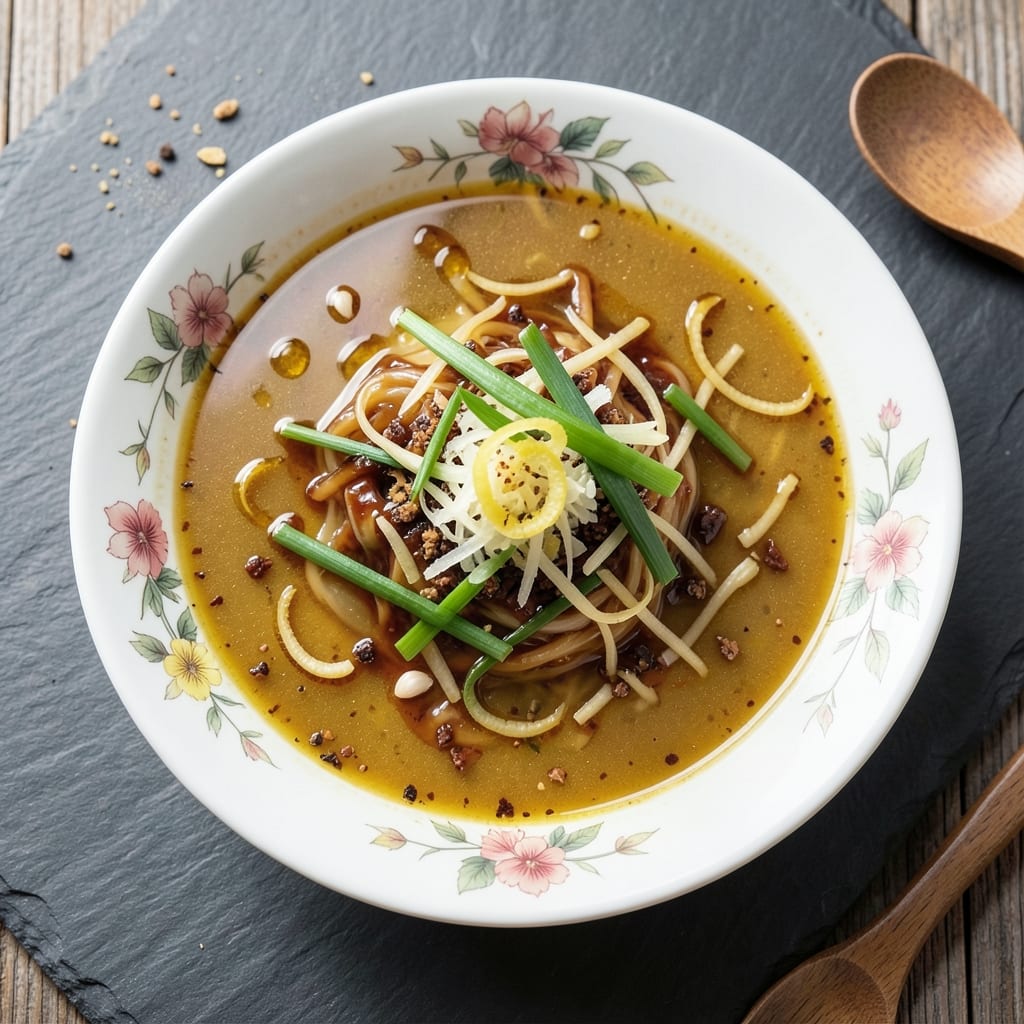
This Asian noodle soup base recipe delivers restaurant-quality umami depth in just 15 minutes—no long simmering required. The secret lies in a balanced blend of aromatic vegetables, fermented ingredients, and precise seasoning that transforms simple broth into a complex, savory foundation. I developed this after years of testing commercial soup mixes and realizing homemade always tastes better, especially when you control the umami levels.
The base builds flavor through three key components: a quick-sautéed aromatic mixture of ginger, garlic, and scallions; a concentrated umami boost from soy sauce, fish sauce, and a touch of miso; and a final brightening with citrus and fresh herbs. This method ensures you get that signature depth without hours of simmering—ideal for busy weeknights when you still want restaurant-quality results. The broth remains flexible enough to accommodate any protein or vegetable addition while maintaining its rich, balanced profile.
What makes this recipe particularly powerful is its versatility—use it as a quick weeknight base or as a flavorful broth for more elaborate dishes. The umami-packed foundation works equally well with delicate fish, hearty beef, or crisp vegetables, while the bright citrus notes prevent heaviness. Once you taste the difference between this homemade base and store-bought versions, you'll never go back to the shelf-stable options again.
For maximum convenience, I've included storage tips that keep the flavor intact for up to 5 days in the refrigerator or 3 months in the freezer. This means you can always have a flavorful base ready whenever noodle cravings strike. The recipe also includes simple adjustments for spice levels and umami intensity, so you can customize it to your exact taste preferences without sacrificing the core flavor profile.
Ingredients for asian noodle soup base
Fifteen minutes to restaurant-quality umami depth—just these ingredients transform simple broth into complex flavor magic.
| Ingredient | Amount | Notes |
|---|---|---|
| Extra-Virgin Olive Oil 🫒 | ½ cup | High-quality, fruity variety |
| Fresh Ginger Root 🌿 | ½ cup | Peeled, finely grated |
| Garlic Cloves 🧄 | 8 cloves | Peeled, minced |
| Green Onions 🧅 | ½ cup | White and green parts, sliced |
| Coconut Aminos 🥄 | ¼ cup | Or sub with soy sauce |
| Light Soy Sauce 🥄 | ¼ cup | Kikkoman preferred |
| Fish Sauce 🍜 | 1 tbsp | Red Boat brand recommended |
| White Miso Paste 🍶 | 1 tbsp | Mild, fermented flavor |
| Lemon Juice 🍋 | 2 tbsp | Freshly squeezed |
| Fresh Cilantro 🌿 | ¼ cup | Chopped, stems removed |
| Fresh Thai Basil 🌿 | ¼ cup | Or regular basil if unavailable |
| Vegetable Broth 💧 | 4 cups | Homemade or high-quality store-bought |
| Sesame Oil 🫒 | ½ tbsp | Toasted sesame oil preferred |
| White Peppercorns 🌶️ | ½ tsp | Freshly ground |
| Diamond Crystal Kosher Salt 🧂 | 1 tsp | Adjust to taste |
The aromatic trio of ginger, garlic, and scallions is non-negotiable for that signature depth. Look for fresh ginger root at your local Asian market—they'll have the best quality, often pre-peeled for convenience. Red Boat fish sauce is a game-changer if you're willing to splurge, but any reputable brand works. For the miso, Hokkaido brand white miso from specialty stores gives you that authentic, mild fermented flavor. The vegetable broth should be homemade if possible—Pacific Foods or Imagine brands are solid store-bought options when you're in a pinch. Fresh herbs are key here, so grab Thai basil if you can find it, but regular basil works in a bind.
No coconut aminos? Light soy sauce plus a pinch of salt gets you close. Running low on fish sauce? Oyster sauce at half the amount works surprisingly well. The sesame oil is purely for finishing—skip it if you're sensitive to strong flavors, but trust me on the toasted variety for that nutty aroma. For extra umami punch, add a dash of MSG (just a pinch, it's potent). The miso paste should be dissolved completely—warm the broth slightly first to help it blend smoothly. And if you're using pre-minced garlic, toast it in oil for 30 seconds first to deepen the flavor.
This base keeps beautifully—5 days in the fridge sealed in an airtight container. For freezing, portion into ice cube trays and transfer to a bag—perfect for adding to soups later. The lemon juice will brighten over time, so if you notice dullness after a few days, add a splash fresh before using. Double the batch and freeze half—you'll thank yourself next time noodle cravings hit. The sesame oil should always be added last to preserve its aroma, so keep it separate until serving.
Why You'll Love This Recipe
- Pantry-to-Pot Magic: I swear, this base comes together with ingredients you already have—no specialty shopping needed. Sauté ginger and garlic in olive oil until fragrant, add coconut aminos, and boom: you’ve got a flavor bomb with zero fuss.
- Umami Bomb: That combo of ginger, garlic, and coconut aminos? It’s the kind of depth that makes you pause mid-slurp. Honestly, I’ve used this base in everything from pho to cold noodles, and it never disappoints.
- Leftovers That Shine: Make a big batch on Sunday, and you’ve got instant lunches for the week. The flavors actually get better after a day in the fridge—my college kid’s go-to when he’s too tired to cook.
- Budget-Friendly Staple: A single jar of coconut aminos and a root of ginger last me months. Between us, this is how I feed my family for under $5 per meal without sacrificing taste. (Yes, even on a Tuesday night.)
Step-by-step instructions for Asian noodle soup base
Here's how to build a vibrant, umami-rich broth foundation that elevates any noodle dish.
Bloom the Aromatics in Olive Oil
Heat the 0.5 cup extra-virgin olive oil in a medium saucepan over medium-low heat. Add the 0.5 cup finely grated fresh ginger root and 8 cloves minced garlic cloves, stirring constantly for 2-3 minutes until the ginger becomes fragrant and the garlic turns golden—never let it brown, or it'll turn bitter. This slow blooming extracts maximum flavor without burning.
I like to press the ginger down gently with a wooden spoon to help it release its essential oils. Watch for the moment when the kitchen fills with that zesty, citrusy aroma—that's your signal the aromatics are ready for the next step. The oil should look like it's shimmering but not smoking.
Build Umami Layers with Fermented Ingredients
Reduce heat to low and add the 0.25 cup coconut aminos, 0.25 cup light soy sauce, 1 tablespoon fish sauce, and 1 tablespoon white miso paste, stirring constantly for 1 minute to fully incorporate. The miso will dissolve completely, creating a velvety base. Here's the thing—don't rush this step. The miso needs time to meld with the oil and aromatics.
Next, pour in the 4 cups vegetable broth and bring to a gentle simmer (small bubbles at the edges). Immediately add the 1 teaspoon diamond crystal kosher salt and 0.5 teaspoon freshly ground white peppercorns, stirring until fully dissolved. The broth should smell deeply savory with bright, fermented notes—this is your umami foundation.
Brighten and Finish with Acid and Herbs
Remove the pan from heat and stir in the 2 tablespoons freshly squeezed lemon juice, 0.5 tablespoon toasted sesame oil, 0.5 cup sliced green onions, 0.25 cup chopped fresh cilantro, and 0.25 cup chopped fresh Thai basil. Let the mixture sit off heat for 5 minutes—this allows the flavors to marry while the herbs release their essential oils.
Taste and adjust seasoning: Need more depth? Add another ½ teaspoon fish sauce. Too salty? Dilute with 2 tablespoons hot water. The perfect balance should have bright acidity cutting through the rich umami, with herbal freshness on the finish. This broth should coat the back of your spoon with a silky, aromatic film.
Pro Tips For Making Asian Noodle Soup Base
- Sear the Ginger First: The moment your pan hits heat, throw in the fresh ginger—no chopping yet—just a thin slice or two. Let it sizzle until it’s fragrant and just starting to brown (about 30 seconds), then remove it. This unlocks the ginger’s natural oils and builds depth before you even add garlic. (Yes, it looks weird, but your soup will taste like it was simmered for hours.)
- Minced Garlic Burns Fast: Chop your garlic after the ginger comes out—never before. Freshly minced garlic in olive oil turns bitter in under 30 seconds, and that’s a flavor killer. Toss it in when the pan is just smoking but not yet black, then stir constantly until it’s pale gold, not brown. (I learned this the hard way after a batch tasted like a charred campfire.)
- Salt the Coconut Aminos: Coconut aminos are already salty—like, aggressively so. Taste it first, then adjust your recipe accordingly. If you’re using it as a full salt substitute, you might only need half the amount called for in a typical recipe. (I used to double the amount and wondered why my soup tasted like a salt lick.)
- Save the Green Onion Greens: Don’t chop the entire green onion—reserve the tender tops for garnish. They add freshness and color without overpowering the broth. Roughly slice the white and pale green parts for the base, but keep the bright green tips whole for finishing. (It’s the little details that make a dish feel restaurant-quality.)
Essential equipment for this recipe
Must-Have Pan
Start with a medium (3-quart) stainless steel saucepan—I recommend All-Clad Stainless for its even heat distribution and durability. The sloped sides prevent splattering when adding aromatics, and the heavy base maintains consistent temperature. For budget-friendly options, Cuisinart MultiClad works perfectly. Avoid nonstick pans—they can't handle the high heat needed for proper aromatic blooming. 🔥
Precision Thermometer
A digital instant-read thermometer like Thermoworks ThermoPop is essential for monitoring broth temperature accurately. This prevents overheating during the simmer phase, which can turn your delicate aromatics bitter. I keep mine within arm's reach while cooking—it's my secret weapon for perfect texture and flavor balance every time.
Microplane Grater
For fresh ginger and garlic, a Microplane is a game-changer. It creates ultra-fine particles that bloom flavor instantly in the oil. I use the OXO Good Grips model—it's affordable and stays sharp. Pre-minced garlic loses flavor quickly, so fresh grating makes all the difference in depth. The same tool works for zesting citrus if you ever want to brighten the broth further.
Fine-Mesh Strainer
Keep your broth smooth and silky with a fine-mesh stainless steel strainer like OXO Good Grips. This removes any lingering herb bits while preserving all the aromatic oils. I use it after simmering to strain out the green onions if you prefer an ultra-refined base. For extra clarity, double-strain through a cheesecloth-lined sieve—just don't skip this if you love that herbal texture.
Wooden Spoon Set
Invest in a set of wooden spoons—I prefer Maplewood for its natural resistance to heat and flavor absorption. The 12-inch and 8-inch sizes cover all my broth-stirring needs. Wood prevents scratching your stainless steel pan and won't conduct heat like metal, giving you better control over temperature-sensitive ingredients like miso and fish sauce. 🌿
Storage Containers
For fridge storage, use glass mason jars with airtight lids—they preserve flavor longer than plastic. I love the Ball Wide-Mouth variety for easy pouring. For freezing, silicone ice cube trays are perfect for portion control—just pop out cubes and store in a freezer bag. Label everything with dates to track freshness. Pro tip: Leave 1-inch headspace in containers to prevent expansion cracks when frozen.
Nutrition facts
Frequently asked questions
Can I make this base without fish sauce?
For a vegetarian version, replace the 1 tbsp fish sauce with 1 tbsp soy sauce plus ½ tsp mushroom powder or 1 tsp vegan fish sauce alternative. The umami will be slightly different but still delicious. If you're avoiding soy entirely, try 1 tbsp nutritional yeast for a deeper savory note.
How do I adjust the spice level?
For more heat, add ½ tsp chili flakes when blooming the aromatics or 1 tsp sambal oelek after simmering. For milder broth, simply omit the white peppercorns and reduce fish sauce by ½ tbsp. The lemon juice naturally balances spice, so you can always add more if needed.
Can I use chicken or beef broth instead of vegetable?
Yes, but adjust seasoning carefully. Chicken broth works well with ½ tsp extra fish sauce and ¼ tsp MSG for depth. Beef broth needs 1 extra tbsp soy sauce to prevent richness. The key is balancing the natural meatiness with the bright citrus and herbs—taste as you go!
What's the best way to use this base?
This versatile broth works perfectly with rice noodles, udon, or ramen. For a quick meal, add cooked noodles and sliced mushrooms, then top with fresh herbs. For extra richness, stir in 1 tbsp butter or coconut milk before serving. The base also makes an amazing dipping sauce when thinned with water.
Why does my broth taste flat after refrigerating?
Flavor often mellows overnight due to temperature changes. Revive it by heating gently and adding 1 extra tbsp fish sauce or ½ tsp citrus zest. If it's too thin, reduce by ½ cup on the stove. The herbs will also release more aroma when reheated—just add fresh cilantro or basil at the end.