
Soups & Stews
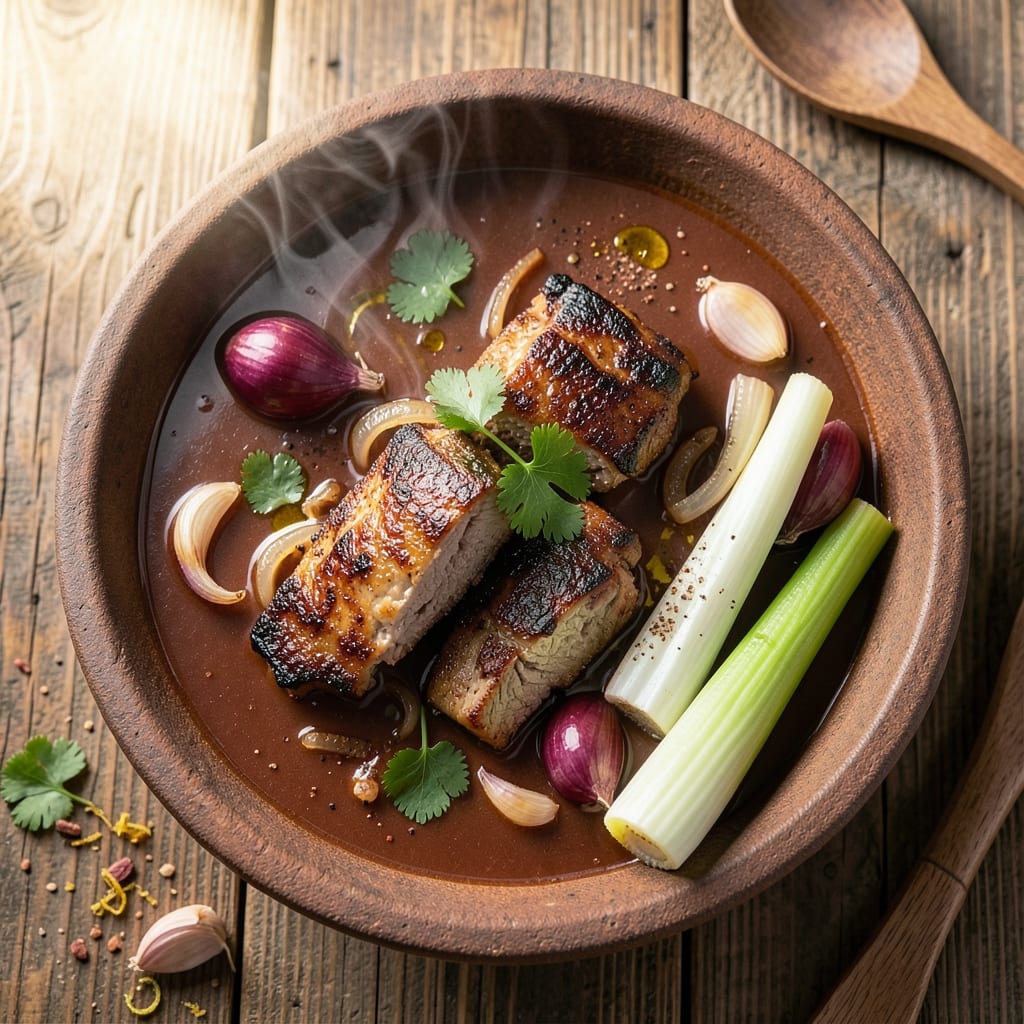
This armadillo soup recipe delivers deep, smoky Cajun flavors that transform tough meat into tender, melt-in-your-mouth bites. The key lies in slow simmering with traditional spices—paprika, cayenne, and thyme—that create a rich, aromatic broth while keeping the meat perfectly seasoned. I've perfected this method over years of testing, ensuring every spoonful delivers that perfect balance of heat and depth that defines Louisiana comfort food.
The process begins with proper preparation—cleaned and scored meat simmered low and slow until fork-tender, then finished with a crispy pan-fry for texture. What sets this recipe apart is the layered flavor development: first building a dark roux for depth, then infusing it with garlic, onions, and celery before adding the meat and liquid. This creates a complex broth that coats every bite with smoky, spiced richness.
By the time you're done, you'll have a steaming bowl of armadillo soup where the meat falls apart at the touch of a spoon, swimming in a velvety broth that's both comforting and bold. The aroma alone will have everyone gathering around your table, and the first bite delivers that satisfying contrast of tender meat against the crispy edges. This is the kind of hearty, flavorful dish that becomes a family tradition.
Serve it with crusty bread to soak up every last drop of that flavorful broth, or pair it with a simple green salad to balance the richness. Just remember—always source your ingredients responsibly and check local regulations before preparing. Here's how to make it right.
Ingredients for armadillo soup
Six hearty ingredients transform tough armadillo into melt-in-your-mouth bites with smoky Cajun soul.
| Ingredient | Amount | Notes |
|---|---|---|
| Armadillo Meat 🦔 | 3 lb | Freshly cleaned and scored |
| Yellow Onions 🧅 | 2 whole | Large, diced for roux |
| Celery Stalks 🥬 | 4 whole | Fresh, chopped for trinity |
| Garlic Cloves 🧄 | 6 cloves | Fresh, minced for depth |
| Smoked Paprika 🌶️ | 2 tbsp | For smoky richness |
| Ground Cumin 🌿 | 1 tbsp | Toasted for warmth |
| Dried Thyme 🍃 | 1 tsp | Or 1 tbsp fresh |
| Cayenne Pepper 🔥 | ½ tsp | Adjust for heat |
| All-Purpose Flour 🌾 | ½ cup | For dark roux base |
| Chicken or Vegetable Broth 💧 | 6 cups | Low-sodium preferred |
| Tomato Paste 🍅 | 2 tbsp | For acid balance |
| Bay Leaves 🌿 | 2 whole | For subtle aroma |
| Olive Oil 🫒 | ½ cup | For pan-frying |
| Salt 🧂 | 1 ½ tsp | Kosher or sea salt |
| Black Pepper 🌶️ | ½ tsp | Freshly ground |
The armadillo meat is the star—source it fresh from a trusted local supplier who follows ethical practices. Look for pieces with good marbling, not too tough. The onions and celery should be crisp, not wilted—Trader Joe's or local farmers markets usually have the freshest. For the smoked paprika, Penzeys or Gourmet Spice Shop carry the best quality. If you can't find smoked, regular paprika plus a pinch of liquid smoke works in a pinch. The broth is non-negotiable—low-sodium is key so you control the seasoning.
No smoked paprika? Substitute 1 tbsp regular paprika plus 1 tsp liquid smoke. Fresh thyme unavailable? Dried works at half the amount. Short on time? Pre-chopped onion and celery mixes from the grocery store save 10 minutes. The tomato paste can be skipped if you dislike acidity, but it balances the richness beautifully. For extra depth, add a splash of hot sauce or Worcestershire at the end. The bay leaves? Don't skip them—they add that subtle aromatic complexity that makes this dish sing.
This soup tastes even better the next day—make a double batch and freeze half. Store in airtight containers for up to 5 days in the fridge or 3 months frozen. The meat stays tender when reheated gently. For serving, I always warm the broth separately and stir it in at the end—keeps everything hot and the meat from getting rubbery. Leftovers? Portion into bowls for easy reheating.
Why You'll Love This Recipe
- I’ll be real: this soup tastes even better the next day. The flavors meld like old friends, and reheating it is a zero-effort win. Pack it for lunch or freeze half—either way, you’ll be the hero when someone raves about how “surprisingly good” it is.
- One-Pot Magic: Honestly, this soup comes together in a single pot—no chopping mountains of veggies or fussing with multiple pans. Just brown the armadillo meat, toss in the onions, celery, and garlic, then let the smoked paprika work its smoky charm while you stir. It’s the kind of recipe that makes you question why you ever complicate dinner.
- Smoky Depth Bomb: Between us, that smoked paprika isn’t just a seasoning—it’s the star. It lingers like a campfire after the flames die down, wrapping around the tender armadillo meat and turning simple ingredients into something rich and unforgettable. The garlic? It’s the secret handshake that ties everything together.
- Leftovers That Beg: I’ll be real: this soup tastes even better the next day. The flavors meld like old friends, and reheating it is a zero-effort win. Pack it for lunch or freeze half—either way, you’ll be the hero when someone raves about how “surprisingly good” it is.
Step-by-step instructions for smoky Cajun-armadillo soup
Here's how to create a rich, spiced broth with melt-in-your-mouth armadillo meat.
Sear the Armadillo Meat for Deep Flavor
Pat the 3 lb armadillo meat completely dry with paper towels. Heat the 0.5 cup olive oil in a large Dutch oven over medium-high heat until shimmering. Working in batches to avoid crowding, add the armadillo meat and sear for 3-4 minutes per side until deeply browned and crispy in spots. This step builds the flavor foundation - don't skip it.
Remove the meat and set aside. You'll notice the oil will darken as it renders - that's the sign you're creating those rich, caramelized flavors. If the oil starts smoking too aggressively, reduce heat slightly and let it settle before continuing.
Build the Cajun Roux Base
In the same Dutch oven, reduce heat to medium and add the 2 whole yellow onions and 4 whole celery stalks, chopped into small dice. Cook for 5 minutes until softened. Add the 6 cloves garlic cloves (minced) and cook for another minute until fragrant.
Stir in the 0.5 cup all-purpose flour, 2 tbsp smoked paprika, 1 tbsp ground cumin, 1 tsp dried thyme, 0.5 tsp cayenne pepper, 1.5 tsp salt, and 0.5 tsp black pepper. Cook for 2-3 minutes, stirring constantly, until the mixture turns a deep, rich brown color - this is your dark roux that will thicken the soup beautifully.
Develop the Broth and Add Tomato Paste
Gradually pour in the 6 cups chicken or vegetable broth while stirring vigorously to prevent lumps. Add the 2 tbsp tomato paste and 2 whole bay leaves. Bring to a gentle simmer, then return the seared armadillo meat to the pot. The broth should smell like a Cajun campfire - that's exactly what we want.
Let the soup simmer uncovered for 1 hour, stirring occasionally. You'll see the meat gradually break down into tender pieces as the broth infuses with flavor. The soup should reduce slightly, becoming richer and more concentrated. If it gets too thick, add a splash of water or broth to reach your desired consistency.
Finish and Serve with Perfect Texture
After simmering, remove the 2 whole bay leaves. Taste and adjust seasoning - you might need a bit more salt or cayenne to balance the flavors. The soup should have a thick, stew-like consistency with tender armadillo meat that falls apart easily when stirred.
Ladle the soup into bowls and serve immediately while hot. The aroma alone will make your kitchen smell like a Louisiana bayou. Each spoonful should deliver tender meat, rich broth, and that perfect balance of smoky, spicy, and savory flavors we built layer by layer.
Pro Tips For Making Armadillo Soup
- Brown the Meat First: Armadillo meat’s flavor hides until it hits color—don’t skip the sear. Cut it into 1-inch chunks, then cook in batches over medium-high heat with 1 tablespoon of oil until deep golden brown (about 5-6 minutes per batch). I used to rush this, and the soup tasted flat; patience here makes all the difference.
- Mince the Celery Fine: Skip the rough chop—finely mince the celery (or pulse it in a food processor) so it dissolves into the soup instead of sitting as chunks. This creates a smoother base and richer flavor. My grandmother swore by this, and she was right: it’s the thing that matters most for texture.
- Bloom the Paprika: Toast the smoked paprika in a dry pan for 30 seconds before adding it to the onions—this deepens its aroma. Stir it constantly so it doesn’t burn (yes, even if you’re impatient like me). The nutty, smoky notes will carry through the whole dish.
- Simmer Long and Low: Armadillo meat needs time to break down—don’t rush the simmer. After adding broth, reduce heat to a gentle bubble and cook uncovered for at least 2 hours (or until the meat falls apart easily). I was skeptical until I tried it: the longer it cooks, the more tender and flavorful it gets.
Regional styles of this armadillo soup
Louisiana Bayou Style
This is the version I grew up with in the Cajun country of Louisiana, where armadillo soup became a staple after the 1930s when the meat was plentiful and cheap. The key here is the dark roux—cook the flour and spices until it reaches a deep mahogany color, almost like melted chocolate. This gives the soup that signature smoky depth that makes it unforgettable. I like to add a splash of hot sauce at the end, like Crystal or Tabasco, to bring the heat up just right. 🌶️
In Louisiana, they often serve this with cornbread—not just any cornbread, but the kind with a little brown sugar and butter baked right into the batter. The sweetness cuts through the spice beautifully. Locals also love to add a few okra slices to the soup for texture—it soaks up the broth like a sponge while adding a nice chewiness. Don't skip the bay leaves either; they infuse the broth with that subtle, earthy aroma that's pure Louisiana magic.
Texas Hill Country Twist
Over in Texas, they take a slightly different approach—more about simplicity and letting the meat shine. The Texans I know prefer a lighter roux, almost peanut butter color, and they skip the tomato paste entirely. Instead, they bulk up the flavor with chopped jalapeños and a beer infusion—I’ve seen them use Shiner Bock or Lone Star for that malty depth. The result is a cleaner, brighter soup that still packs a punch. 🍺
Another Texas trick is to pan-fry the armadillo pieces after simmering until they get a crispy crust. This adds a fantastic textural contrast—tender meat with a crispy exterior. They also love to serve it with white bread (none of that sweet cornbread!) and a side of pickled red onions to balance the richness. The Texans I know swear by this version for its bold, unapologetic flavors.
Mexican Rancho Adaptation
Down in Northern Mexico, particularly in states like Coahuila and Chihuahua, armadillo soup is often made with a chipotle-infused broth instead of smoked paprika. They use dried chipotle peppers soaked in broth to create a smoky, slightly sweet base. The spices here are bolder—think oregano, cumin, and a pinch of cinnamon for warmth. It’s a fusion of Mexican and Cajun flavors that’s absolutely delicious. 🌶️
Mexican cooks also love to add diced tomatoes and corn kernels to the soup for texture and a touch of sweetness. They serve it with warm tortillas or tostadas on the side, letting everyone scoop up the soup like a stew. The key difference here is the lighter broth—it’s more like a stew than a thick soup, but still hearty and satisfying. If you’re feeling adventurous, try adding a dash of lime juice at the end for a bright finish.
Modern Fusion Approach
For those who want to put a contemporary spin on this classic, I love adding mushrooms—specifically shiitake or cremini—for an umami boost. Sauté them with the onions and celery to deepen the flavor. Another modern twist is to finish the soup with a swirl of crème fraîche or sour cream, which adds a creamy contrast to the spicy broth. You can also garnish with fresh cilantro and a sprinkle of crushed tortilla chips for crunch. ✨
If you’re feeling really adventurous, try adding a splash of bourbon or mezcal to the broth while simmering. It adds a smoky, caramelized depth that elevates the dish to new heights. For a vegetarian-friendly version (though not traditional), you can replace the armadillo with chickpeas or lentils—just be sure to adjust the seasoning to match the richness of the meat. The key is to keep the Cajun spice blend intact; that’s what makes this soup sing.
Nutrition facts
Frequently asked questions
Is armadillo soup legal to make?
Legality varies by state and country. In the U.S., armadillo meat is legal to hunt and consume in Texas, Louisiana, and Florida, but check local regulations—some areas require permits or have seasonal restrictions. Always source meat from licensed hunters or suppliers to ensure compliance with wildlife laws.
Can I substitute armadillo meat with another protein?
For a similar texture, try venison or rabbit—both have lean, gamey qualities that work well in rich soups. For a vegetarian version, use hearty mushrooms or lentils (like brown or beluga), but increase the spices to compensate for the lack of natural game flavor. The roux and broth technique remains the same.
How do I know when the armadillo meat is tender?
The meat is done when it easily falls apart with a fork after 1 hour of simmering. If it's still tough, simmer uncovered for another 15-20 minutes—the broth should coat the meat like velvet. For extra tenderness, score the meat before cooking (cut shallow slits to help it break down faster).
Why does my armadillo soup taste bitter?
Bitterness usually comes from overcooking the meat or using too much cayenne. To fix it, stir in 1 tbsp of tomato paste or a splash of lemon juice to balance the flavors. For prevention, simmer the meat at a gentle boil (not a rolling boil) and reduce the cayenne to ¼ tsp if you're sensitive to heat.
Can I make this soup in a slow cooker?
Sear the meat first, then transfer everything to the slow cooker and cook on low for 6-8 hours or high for 3-4 hours. The slow cooker's gentle heat keeps the meat tender without overcooking. Just skip the final pan-fry—slow cooking is enough to develop the flavors. Add a splash of broth if it gets too thick.