
Soups & Stews
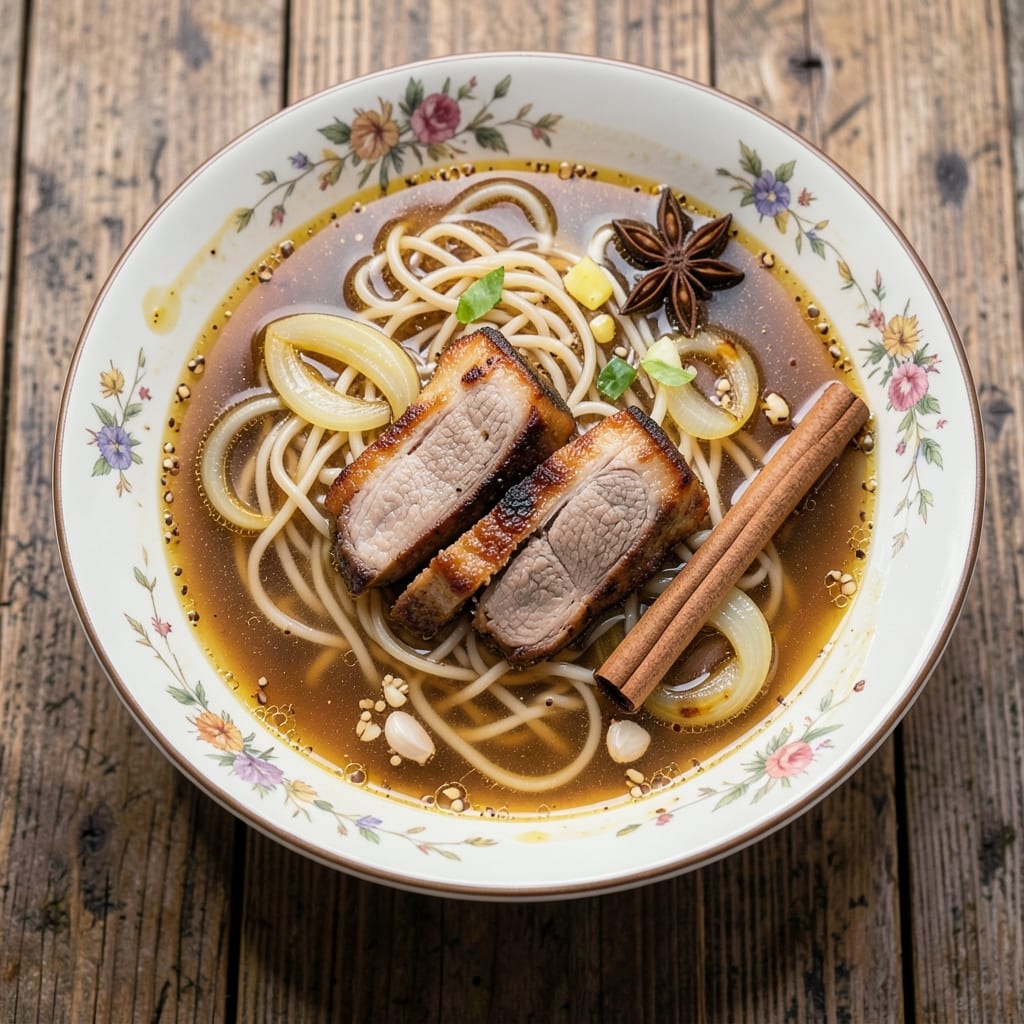
This beef broth noodle soup recipe delivers the kind of deep umami flavor and comforting texture that transforms a simple meal into a restaurant-worthy experience. The secret lies in slow-simmered beef broth—rich, aromatic, and packed with layers of savory depth—that coats silky noodles in every satisfying bite. I’ve perfected this technique over years of testing, balancing traditional bone-braising methods with modern shortcuts for home cooks.
The broth starts with a flavor base of onions, garlic, ginger, and star anise, simmered until their aromas meld into something irresistibly complex. Meanwhile, the noodles cook just until they’re tender but still hold their shape, ensuring they absorb the broth’s essence without turning mushy. This isn’t your average quick-fix soup—it’s a foolproof method that yields results worthy of a late-night craving or a cozy weeknight dinner.
What sets this recipe apart is the balance: a pressure cooker can cut broth time to 90 minutes, but the slow simmer (4+ hours) unlocks unmatched depth. The final touch—topping with scallions, sesame oil, and a dash of chili oil—adds brightness and heat to cut through the richness. Every spoonful delivers that perfect harmony of silky noodles, concentrated broth, and textural contrast that makes this soup unforgettable.
Whether you’re feeding a family or meal prepping for the week, this recipe scales effortlessly. The broth freezes beautifully, so you can prep ahead and assemble when hunger strikes. Let’s get started—your taste buds will thank you.
Ingredients for beef broth noodle soup
Rich bones, aromatic spices, and silky noodles—this is your umami-packed soup starter kit.
| Ingredient | Amount | Notes |
|---|---|---|
| Beef Bones (Chuck or Short Rib) 🥩 | 4 lb | Raw, marrow-rich preferred |
| Yellow Onions 🧅 | 2 whole | Chopped, medium size |
| Garlic Cloves 🧄 | 8 cloves | Peeled, smashed slightly |
| Fresh Ginger 🌿 | ½ cup | Peeled, thinly sliced |
| Star Anise Pods 🌶️ | 2 whole | Whole pods, not ground |
| Cinnamon Sticks 🌿 | 2 whole | 2-inch pieces |
| Bay Leaves 🍃 | 4 whole | Dried, standard size |
| Dried Shiitake Mushrooms 🍄 | 4 whole | Rehydrated, stems removed |
| Fresh Shiitake Mushrooms 🍄 | ½ lb | Sliced, for garnish |
| Egg Noodles 🍜 | 12 oz | Fresh or dried, wide |
| Sesame Oil 🫒 | 1 tbsp | Toasted, for finishing |
| Chili Oil 🌶️ | 1 tbsp | Homemade or store-bought |
| Green Onions 🧅 | ¼ cup | Thinly sliced, for garnish |
| Salt 🧂 | 1 ½ tsp | Kosher or sea salt |
| Black Peppercorns 🌶️ | ½ tsp | Freshly cracked |
The bones are non-negotiable—marrow-rich chuck or short ribs from Costco or your local butcher deliver that deep, gelatinous richness. Look for bones with visible marrow and a rich, beefy aroma. If you can’t find them fresh, frozen works too—just thaw overnight in the fridge. The star anise and cinnamon sticks are where the magic happens; grab them from the spice aisle at Whole Foods or Penzeys for the best quality. Fresh ginger and shiitake mushrooms add layers of earthy depth, so don’t skip them—dried shiitake rehydrate perfectly in the broth, while fresh ones add a meaty texture when sliced for garnish.
No star anise? 1 tsp ground anise seed works in a pinch, but the whole pods infuse better. Running out of cinnamon sticks? 1 tsp ground cinnamon is fine, though the sticks add a subtle, aromatic presence. The egg noodles should be fresh or high-quality dried—avoid pre-cooked or mushy varieties. For a shortcut, use udon or ramen noodles instead, but they’ll absorb more broth. The sesame oil and chili oil are all about balance—start with 1 tbsp each and adjust to taste; they brighten up the rich broth beautifully. If you’re feeling adventurous, swap the chili oil for a drizzle of sriracha or gochujang for a different kick.
Broth freezes like a dream—portion it into 1-cup containers for easy reheating later. The noodles? Best served fresh, but you can cook them ahead and reheat in the broth for 2-3 minutes to revive their texture. Store the broth in the fridge for 5-6 days or freeze for up to 3 months. Pro tip: Skim off any fat that rises to the top before freezing for a cleaner reheat. Garnishes like green onions and fresh shiitake mushrooms can wait until serving—add them right before eating to keep everything vibrant.
Why You'll Love This Recipe
- One-Pot Wonder: The beef bones and onions caramelize right in the pot—no extra pans, no extra mess. I swear, the only cleanup is rinsing one deep pot, and honestly? That’s a win after a long day.
- Deep Umami Magic: That star anise and ginger simmering with the bones? It’s like flavor alchemy—rich, warm, and just a little mysterious. Between us, the broth alone makes me want to eat it straight from the bowl (but the noodles are there for a reason).
- Lunchbox Hero: Make a double batch on Sunday, and you’ve got hearty lunches for the week. The broth stays vibrant in the fridge, and I’ve sent my kids off with thermoses of this—no sad desk lunches here.
- Budget Bone Zone: Chuck bones are cheap, and every last bit gets used—no waste, just flavor. I’ll be real: this soup stretches my grocery budget without skipping on taste, and the leftovers? Even better the next day.
Step-by-step instructions for beef broth noodle soup
Here's how to craft a deeply flavorful broth and silky noodles that come together perfectly.
Prepare the Beef Bones and Aromatics
Preheat your oven to 425°F and place the 4 lb beef bones (chuck or short rib) on a baking sheet. Roast for 20-25 minutes until they develop a deep golden brown crust. This step is crucial—it caramelizes the bone surfaces, intensifying the broth's umami depth.
While the bones roast, peel and thinly slice the 0.5 cup fresh ginger and peel and smash the 8 cloves garlic. Chop the 2 whole yellow onions into even chunks. Rehydrate the 4 whole dried shiitake mushrooms by soaking them in hot water for 20 minutes, then slice them and reserve the soaking liquid. This preparation ensures all your aromatics are ready when you need them.
Build the Umami-Rich Broth
Transfer the roasted bones to a large stockpot. Add the sliced ginger, smashed garlic, chopped onions, rehydrated shiitake mushrooms, 2 whole star anise pods, 2 whole cinnamon sticks, and 4 whole bay leaves. Pour in 12 cups of cold water—enough to cover the bones by about 2 inches.
Bring to a boil over high heat, then immediately reduce to a simmer. Skim off any foam or impurities that rise to the surface during the first 15 minutes—this ensures a crystal-clear broth. Let the broth simmer uncovered for 3-4 hours, maintaining a gentle bubble. The longer it cooks, the deeper the flavor becomes, with the bones breaking down into rich, gelatinous goodness.
Strain and Season the Broth
After simmering, strain the broth through a fine-mesh sieve lined with cheesecloth, pressing gently on the solids to extract every last drop of flavor. Discard the bones and aromatics—they've done their job. Return the strained broth to the pot and stir in the reserved shiitake soaking liquid. Season with 1.5 tsp salt and 0.5 tsp freshly cracked black peppercorns, tasting as you go. The broth should be deeply savory but balanced, with a subtle warmth from the spices.
Keep the broth at a gentle simmer while you prepare the noodles. If you're not using them immediately, you can store the broth in the refrigerator for up to 3 days or freeze it for 3 months. The flavors only intensify over time, making this a perfect make-ahead component.
Cook the Egg Noodles
Bring a large pot of water to a rolling boil and add 12 oz egg noodles. Cook according to package instructions until they're just shy of al dente—you want them to finish cooking in the hot broth. Drain the noodles, reserving 1 cup of pasta water to help emulsify the broth later. The noodles should be tender but still have a slight bite to them.
Divide the cooked noodles among four deep bowls. Ladle the hot broth over the noodles, filling each bowl about three-quarters full. The contrast between the silky noodles and the robust broth is what makes this dish so satisfying.
Finish and Serve with Flavorful Oils
Drizzle each bowl with 1 teaspoon sesame oil and 1 teaspoon chili oil, swirling gently to coat the noodles and broth. Top with sliced 0.5 lb fresh shiitake mushrooms and 0.25 cup thinly sliced green onions. The chili oil adds a subtle heat, while the sesame oil brings a nutty aroma that complements the umami broth beautifully.
Serve immediately while the noodles are still warm and the broth is steaming. Each bite should deliver a harmonious balance of rich, meaty depth from the broth, the silky texture of the egg noodles, and the bright, fresh finish from the toppings. This isn't just soup—it's a deeply comforting, umami-packed experience that warms you from the inside out.
Pro Tips For Making Beef Broth Noodle Soup
- Char the Bones First: Toss your beef bones in a cold pot, then turn the heat to medium-high and let them sear until blackened in spots. I learned this the hard way—skipping this step means a broth that tastes more like watered-down meat than rich, deep flavor. Those charred bits are where the magic happens, so don’t rush it.
- Slice Ginger Thick: Use ½-inch thick slices of ginger instead of grating it—no, really, trust me. The thick slices infuse the broth without turning it bitter, and you can fish them out whole later. Grated ginger dissolves too fast and can make the broth taste harsh, especially if you’re simmering for hours.
- Don’t Crowd the Pot: Start with just enough water to cover the bones by 2 inches, then add more as needed. I used to dump in a gallon of water right away, thinking it would speed things up, but all I got was a weak, diluted broth. Give those bones room to develop flavor—they’ll release collagen and marrow better when they’re not swimming in a sea of water.
- Add Star Anise Late: Toss the star anise pods in with the onions and garlic, but pull them out after 30 minutes of simmering. Leave them in too long, and you’ll end up with a broth that tastes like perfume—nice, but way too strong. A quick 30-minute steep is all you need for that subtle, aromatic depth without overpowering the beef.
Wine and beer pairings for these flavors
Red Wine Pairings
A bold Cabernet Sauvignon from Napa Valley is my go-to choice for this rich, umami-packed soup. Its dark fruit notes and tannic structure stand up beautifully to the deep beef broth while complementing the noodles' silkiness. Look for a 2019 or newer vintage with 14-15% ABV—just enough body to match the soup's intensity. 🍷
For a lighter but equally harmonious option, try a Syrah from the Rhône Valley. The blackberry and pepper undertones in a well-balanced Syrah echo the chili oil's heat while the wine's earthy notes mirror the shiitake mushrooms. A 2020 or 2021 vintage with 13.5-14% ABV works perfectly, especially if you prefer a slightly fruit-forward profile.
White Wine Options
If you're craving a white, a dry Riesling from Germany's Mosel region brings surprising depth. Its citrus and mineral notes cut through the richness of the broth, while the wine's acidity refreshes your palate between bites. Choose a Kabinett or Spätlese with 11-12% ABV—just enough alcohol to stand up to the dish without overpowering it.
Beer Pairings
A dark amber ale like Samuel Adams Boston Lager or Guinness creates a perfect balance. The malty sweetness and hop bitterness complement the soup's umami while the creamy head adds a satisfying contrast to the silky noodles. For a lighter option, try a Belgian witbier like Hoegaarden—its corianander and citrus notes brighten the dish without competing.
Non-Alcoholic Choices
For a refreshing non-alcoholic pairing, serve with sparkling hibiscus tea (known as jamaica in Mexico). The tart, cranberry-like flavor and effervescence cleanse your palate between bites. Alternatively, a cold brewed green tea with a squeeze of lemon adds brightness and a subtle astringency that enhances the soup's depth. ✨
Nutrition facts
Frequently asked questions
Can I use store-bought beef broth instead of making it from scratch?
The homemade broth is what gives this soup its signature depth, but you can absolutely use high-quality store-bought beef broth in a pinch. Look for brands like Kettle & Fire or Imagine that use real beef bones—they'll provide a more authentic flavor than watered-down versions. Just simmer it for 30-45 minutes with the aromatics (onions, garlic, ginger, star anise) to build extra complexity before adding the noodles.
How do I prevent the noodles from turning mushy in the broth?
Cook the noodles just until they're 1-2 minutes shy of al dente (check package instructions), then drain immediately. The noodles will finish cooking in the hot broth while absorbing its flavor without over-softening. For extra insurance, use fresh egg noodles or high-quality dried varieties like De Cecco, which hold up better than generic brands.
What's the best way to reheat leftover broth and noodles?
Reheat the broth alone first—gently warm it on the stove over low heat or in the microwave at 50% power to avoid separating the fat. Once hot, stir in the noodles and add a splash of water if the broth seems too thick. For best texture, reheat only what you plan to eat immediately—leftover noodles in broth can become gummy if stored too long.
Can I make this soup vegetarian or vegan?
Replace the beef bones with mushroom stems, carrot pieces, and kombu seaweed for umami depth. Use vegetable broth and add 1 tbsp soy sauce or miso paste to the broth for richness. For a vegan version, ensure your noodles are egg-free (like brown rice noodles) and use sesame oil and chili oil as garnishes—both are typically vegan-friendly.
How can I make this soup spicier or more aromatic?
For extra heat, add 1-2 tbsp chili oil to the broth while simmering or stir in 1 tsp gochujang at the end. For more aroma, toast 1 tsp coriander seeds and 1 tsp fennel seeds in a dry pan until fragrant, then add them to the broth with the other spices. Fresh herbs like cilantro or Thai basil also brighten the dish beautifully when added at the end.