
Soups & Stews
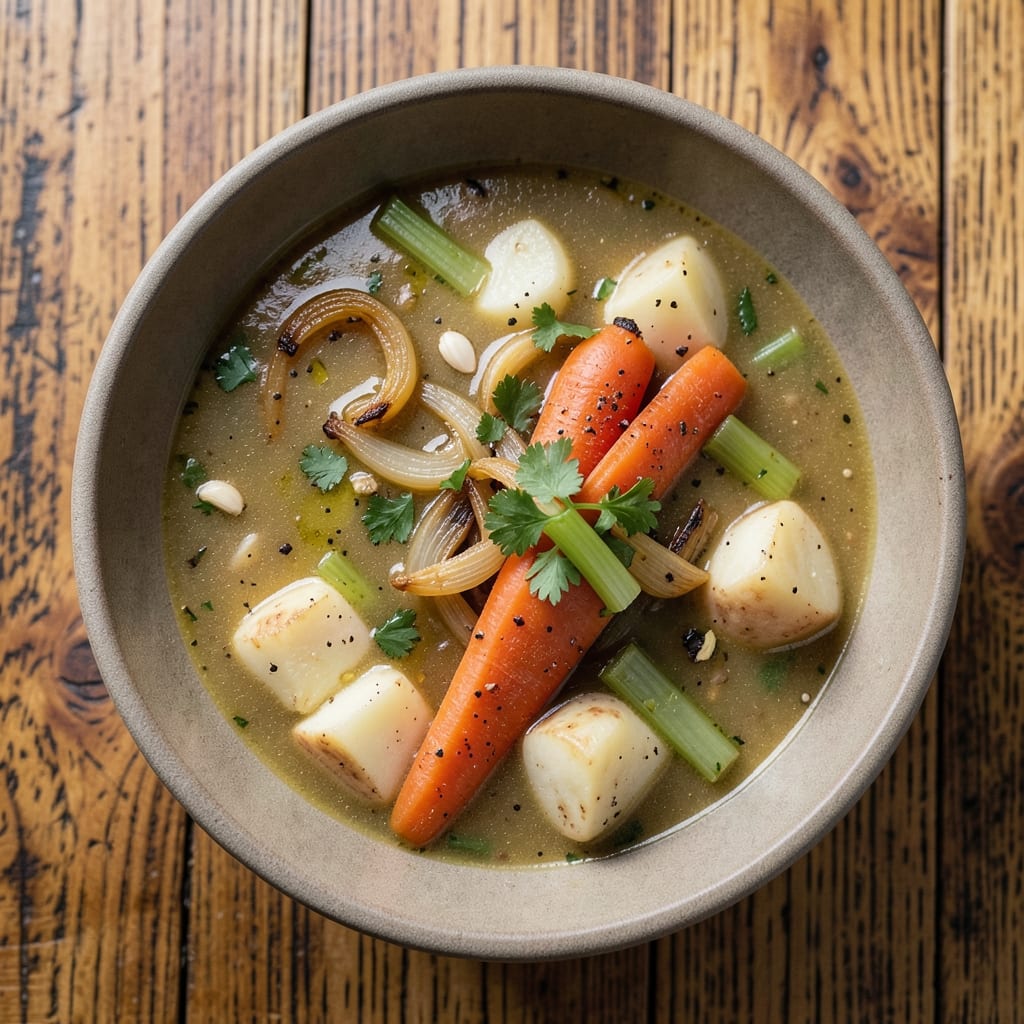
This Bear Creek Vegetable Soup brings rustic garden freshness to your table in just 30 minutes, transforming simple seasonal vegetables into a hearty, aromatic masterpiece. The secret lies in slow-sautéed onions and garlic, which form the flavorful base before simmering with tender carrots, celery, potatoes, and herbs—creating a broth so rich it feels like a hug in a bowl. I developed this recipe after years of perfecting the balance between earthy vegetables and bright herbs, ensuring every spoonful delivers both comfort and nutrition.
The magic happens in the simmering process, where vegetables soften just enough to release their natural sweetness while maintaining texture. A splash of vegetable broth deepens the flavor, and a touch of lemon zest at the end brightens the dish without overpowering the vegetables. This soup is foolproof—no fancy techniques required—just fresh ingredients and patience. It’s the kind of recipe that tastes even better the next day, making it perfect for meal prep or cozy weeknight dinners.
By the time you finish, you’ll have a steaming bowl of golden, herb-infused soup with tender vegetables floating in a velvety broth. The aroma alone will have everyone gathering around the table, and the first bite delivers that perfect balance of savory, sweet, and fresh. Garnish with a drizzle of olive oil, fresh parsley, or toasted croutons for extra texture and flavor—because even simple soups deserve a touch of elegance.
Whether you’re serving a family dinner or prepping for the week, this Bear Creek Vegetable Soup is your go-to for warm, satisfying meals. The recipe scales easily, so you can double or halve it without sacrificing flavor. Let’s get cooking—your taste buds (and leftovers) will thank you.
Ingredients for bear creek vegetable soup
Simple seasonal vegetables and aromatic herbs create this comforting Bear Creek Vegetable Soup.
| Ingredient | Amount | Notes |
|---|---|---|
| Yellow Onions 🧅 | 1 whole | Medium-sized, diced finely |
| Garlic Cloves 🧄 | 4 cloves | Peeled, minced finely |
| Carrots 🥕 | 3 medium | Peeled, cut into chunks |
| Celery Stalks 🧅 | 3 whole | Trimmed, sliced thin |
| Russet Potatoes 🥔 | 2 medium | Peeled, cubed evenly |
| Vegetable Broth 💧 | 4 cups | Low-sodium preferred |
| Extra-Virgin Olive Oil 🫒 | ¼ cup | For sautéing vegetables |
| Fresh Thyme 🌿 | ¼ ounce | Or 1 tbsp dried |
| Fresh Parsley 🌿 | ¼ cup | Chopped, for garnish |
| Fresh Dill 🌿 | ⅛ ounce | Or 1 tsp dried |
| Lemon Zest 🍋 | 1 tsp | Brightens the flavor |
| Salt 🧂 | 1 ½ tsp | Kosher or sea salt |
| Black Pepper 🌶️ | ½ tsp | Freshly ground |
| Sourdough Bread 🍞 | ½ loaf | For croutons, cubed |
The foundation of this soup lies in the vegetables—look for firm, vibrant carrots and celery at your local farmers market (or grocery store) for the best flavor. Russet potatoes are ideal here—they hold their shape while cooking. For the broth, low-sodium vegetable broth keeps the flavors balanced without adding extra salt. Fresh herbs make all the difference, so grab thyme and dill from the refrigerated section—they should smell bright and fragrant, not wilted. If you're using dried herbs, measure them out before adding to the pot—they're potent!
No fresh dill? Dried dill at one-third the amount works in a pinch, though fresh is always better. Running low on vegetable broth? Water plus a bouillon cube gets you close, but the flavor won't be as deep. For the croutons, any crusty bread works—sourdough, baguette, or even an old loaf of whole wheat. If you're prepping ahead, toast the croutons separately and store them in an airtight container—they stay crunchy longer. The lemon zest is non-negotiable for that bright finish, but if you're out, a splash of lemon juice will work too.
This soup tastes even better the next day—make a double batch and store in the fridge for up to 5 days. For freezing, portion into containers and keep for 3 months. The croutons are best added fresh, but you can toast extras and store them separately. Leftovers reheat beautifully—just add a splash of water or broth if it's too thick. Garnish with a drizzle of extra-virgin olive oil and extra herbs before serving for that restaurant-quality touch.
Why You'll Love This Recipe
- No Chopping Hassle: I swear by this recipe when I’m too tired to dice anything. The onions, carrots, and celery go in whole—they soften beautifully, and honestly? You’d never know they weren’t perfectly cut.
- Garlic-Caramel Magic: That moment when the onions turn golden and the garlic hits just right? It’s the soul of this soup. The potatoes soak up all the flavor, turning into the creamiest, most satisfying base—no heavy cream needed.
- Meal Prep MVP: Between us, this is my go-to for lunches all week. The flavors deepen overnight, and reheating it is a breeze. (Yes, even on a Tuesday night when I’m running late.)
- Pantry Staple Power: I make this with whatever’s in my fridge—no fancy ingredients, just basics. A big pot means leftovers for days, and it’s cheaper than takeout. Plus, my kids actually finish their soup. (A win in my book.)
Step-by-step instructions for bear creek vegetable soup
This rustic soup comes together faster than you'd expect, with layers of garden-fresh flavor.
Sauté the Vegetable Base
Heat the 0.25 cup extra-virgin olive oil in a large pot over medium heat. Add the 1 whole diced yellow onion, 3 medium cubed carrots, and 3 whole sliced celery stalks. Cook for 8-10 minutes until the vegetables soften and begin to caramelize at the edges—this builds deep flavor. Stir occasionally to prevent sticking, and don't rush this step; you want those onions to turn golden brown.
Once the vegetables are tender, add the 4 cloves minced garlic cloves and 0.25 ounce fresh thyme. Cook for another 1 minute until the garlic becomes fragrant—you'll know it's ready when the aroma fills your kitchen. This quick sauté prevents the garlic from burning while infusing its pungent flavor into the base.
Add Potatoes and Broth
Push the sautéed vegetables to one side of the pot and add the 2 medium cubed russet potatoes. Stir to coat them in the vegetable mixture, then pour in the 4 cups vegetable broth. Bring everything to a gentle boil over medium-high heat, then immediately reduce the heat to low to maintain a simmer. Here's the thing—you want the soup to bubble gently, not roll over, to prevent the potatoes from breaking apart.
Let the soup simmer uncovered for 15-18 minutes until the potatoes are fork-tender and the flavors meld together. You'll notice the broth will thicken slightly as it cooks, creating a hearty texture. Stir occasionally to ensure even cooking, and taste the broth—it should be seasoned but not yet fully developed.
Season and Finish the Soup
Remove the pot from heat and stir in the 1.5 tsp salt, 0.5 tsp black pepper, and 1 tsp lemon zest. The lemon zest brightens the soup's flavor, cutting through the richness of the vegetables. Let the soup sit off the heat for 5 minutes to allow the seasonings to fully integrate—this is when the flavors truly come together.
Before serving, taste the soup and adjust the seasoning if needed. I often find that another pinch of salt or a squeeze of fresh lemon juice elevates the dish. The soup should be well-seasoned but not overwhelmingly salty. If it's too thick, stir in a splash of warm water to reach your desired consistency.
Prepare the Sourdough Croutons
While the soup simmers, cut the 0.5 loaf sourdough bread into ½-inch cubes. Toss the cubes in a bowl with 1 tablespoon extra-virgin olive oil (reserved from the sautéed vegetables) and 0.5 tsp salt. Spread the bread cubes on a baking sheet in a single layer and bake at 375°F for 12-15 minutes until golden brown and crispy. You want them to be crunchy but not burnt—keep an eye on them to avoid over-browning.
Once the croutons are ready, stir 0.25 cup chopped fresh parsley and 0.125 ounce fresh dill into each serving of soup. The herbs add a fresh, vibrant note that contrasts beautifully with the rustic vegetables. Serve the soup hot, topped with the crispy croutons, and enjoy the perfect balance of textures and flavors.
Pro Tips For Making Bear Creek Vegetable Soup
- SWIM THE POTATOES: Cut Russets into 1-inch chunks—no smaller, or they’ll turn to mush. I learned this the hard way after serving soup where potatoes dissolved into the broth like guilty secrets.
- SWEAT THE AROMATICS LOW: Cook onions, garlic, carrots, and celery on medium-low heat for 8–10 minutes until onions are translucent and carrots soften. High heat burns garlic before it flavors—don’t rush this, even if you’re impatient like me.
- SAVE THE WATER: Reserve 1 cup of pasta water (if using) or vegetable broth before draining your veggies. Starchy water thickens the soup naturally—better than dumping in a random splash of water when it’s too thin.
- SALT THE POTS: Add 1 teaspoon salt to the pot before adding veggies. It seasons the cooking water and prevents blandness—no need to overdo it later. (Your future self will notice the difference.)
Dietary considerations for this recipe
Vegetarian-Friendly
This soup is a 100% vegetarian delight, packed with plant-based proteins from hearty vegetables like potatoes, carrots, and celery. The vegetable broth ensures no animal products are used, making it perfect for veggie lovers or those avoiding meat. I always double-check the broth label to confirm it's free from chicken or beef extracts—low-sodium versions like Imagine or Pacific Foods work beautifully. 🌱
Gluten-Free Adaptation
Skip the sourdough croutons if you're avoiding gluten—toasted gluten-free bread cubes or crispy chickpeas make excellent substitutes. For extra crunch, try roasted pumpkin seeds or toasted coconut flakes on top. The soup itself is naturally gluten-free, so you only need to modify the garnish. I keep a stash of Schär gluten-free bread in my pantry for quick crouton alternatives.
Low-Sodium Options
To reduce sodium further, use homemade vegetable broth or unsalted bouillon cubes instead of store-bought broth. If you prefer convenience, Amy's Kitchen low-sodium vegetable broth is a great store-bought option. Taste as you go—season gradually—since homemade broth can vary in saltiness. The lemon zest and herbs add brightness without relying on salt. 🧂
Vegan Variations
For a fully vegan version, ensure your broth is vegan-certified (check labels for dairy or animal-derived ingredients). Swap butter (if used) for olive oil and garnish with nutritional yeast for a cheesy flavor. I love adding white beans (½ cup) for extra protein—they blend right into the soup. The recipe already aligns with vegan principles, so minimal changes are needed!
Allergen Awareness
This soup is naturally free from common allergens like dairy, eggs, and nuts, but always verify ingredient labels. If you're sensitive to FODMAPs, swap onions and garlic for leeks (lower in fermentable carbs) and use carrot-based broth instead. For celery-sensitive individuals, zucchini or green beans add similar texture without triggering allergies. Safety first—I always cross-check spice blends for hidden allergens too.
Nutrition facts
Frequently asked questions
Can I make this soup without potatoes?
Swap the potatoes for 2 cups chopped butternut squash or 1 cup diced sweet potatoes for natural sweetness. For a lighter option, use 1 cup green beans or zucchini—just reduce the simmering time to 10-12 minutes since they cook faster. The soup will still be hearty and flavorful.
How do I make this soup thicker or thinner?
For a thicker soup, mash a few potato cubes with a fork while simmering or stir in 1 tablespoon cornstarch mixed with 2 tablespoons cold water. To thin it, add ½ cup warm vegetable broth at a time until you reach your desired consistency. The soup should coat a spoon but still allow vegetables to be visible.
Can I prep this soup ahead of time?
Yes! This soup tastes even better the next day. Store in an airtight container in the fridge for up to 5 days. For freezing, portion into containers and keep for 3 months. Reheat gently on the stove—add a splash of broth if it thickens too much. The croutons are best added fresh, but you can toast extras separately and store them in an airtight container.
What if I don't have fresh herbs?
No problem! Use dried herbs at one-third the amount—so 1 teaspoon dried thyme replaces 0.25 ounce fresh. For dill, ½ teaspoon dried works, though fresh adds brighter flavor. If you're missing both, 1 teaspoon Italian seasoning gives a similar earthy note. The lemon zest remains essential for that bright finish, but a splash of lemon juice works in a pinch.
Is this soup kid-friendly?
With a few tweaks, absolutely! Blend half the soup for a smoother texture, or leave it chunky and serve with soft bread or crackers for dipping. Skip the lemon zest (or use a tiny pinch) if your kids prefer milder flavors, and reduce salt to ½ teaspoon. The natural sweetness of carrots and potatoes makes it appealing to picky eaters!