
Soups & Stews
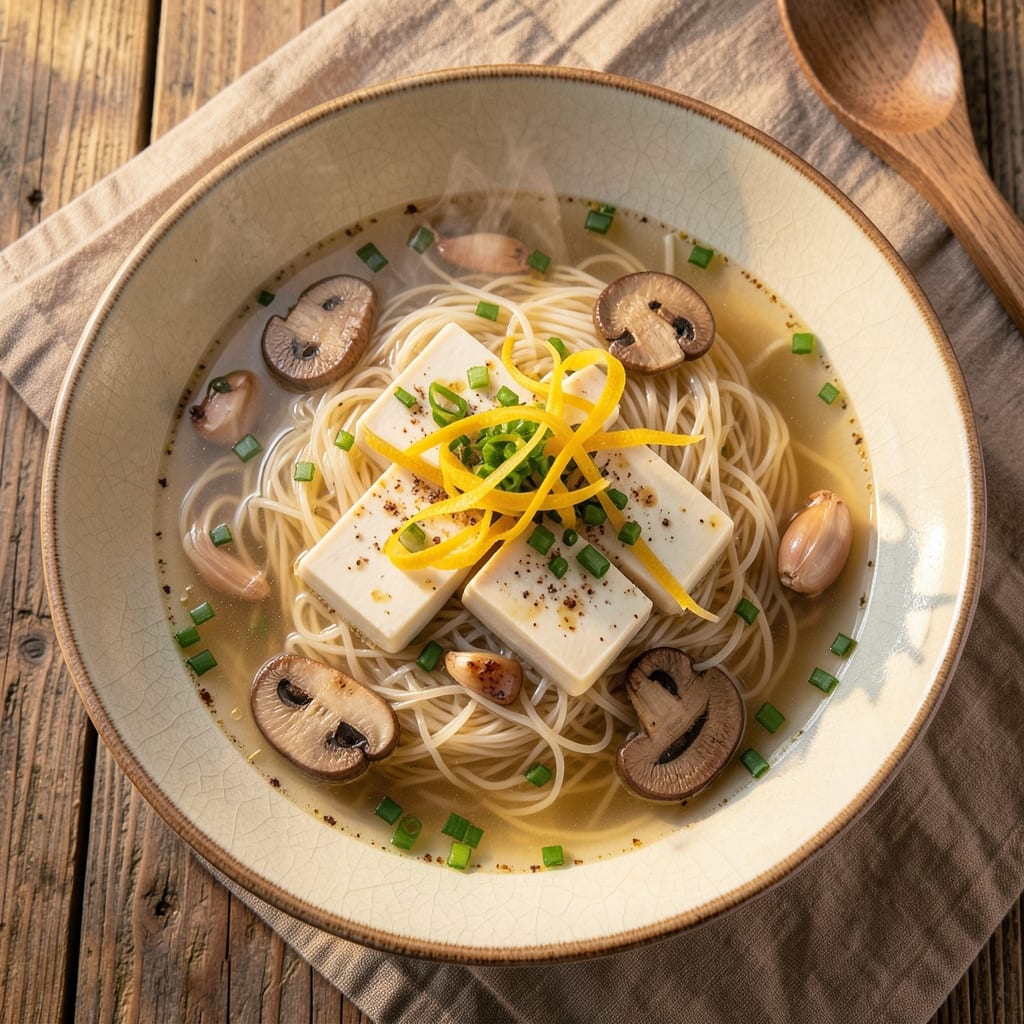
Bean thread noodles soup transforms simple ingredients into a dish that feels like a warm embrace on cold days. The secret lies in perfectly balanced flavors—silky noodles glide through a savory broth infused with mushrooms, tofu, and aromatic spices, creating a harmony of textures and tastes. This recipe delivers restaurant-quality results without requiring advanced techniques, making it accessible for home cooks ready to elevate their soup game.
What sets this soup apart is the technique of blanching the noodles just before serving, ensuring they maintain their signature slippery texture while absorbing the rich broth. The broth itself is built layer by layer, starting with a fragrant base of ginger, garlic, and scallions, then deepened with umami-packed mushrooms and tender tofu. Every spoonful is a perfect blend of earthy, savory, and slightly sweet notes, designed to satisfy even the most discerning palates.
The assembly is where the magic happens—hot broth meets cooled noodles, creating that signature silky mouthfeel that defines this dish. Garnishes like fresh cilantro, crushed peanuts, and a squeeze of lime add brightness and contrast, turning a simple bowl into a visually stunning and deeply flavorful meal. This soup is more than just comfort food; it’s a celebration of texture and taste that will leave you reaching for seconds.
Whether you're preparing for a cozy family dinner or meal prepping for the week, this bean thread noodles soup delivers consistent, restaurant-quality results. The recipe scales easily, and the flavors only deepen as it sits, making it perfect for leftovers. Ready to transform your weeknight dinners with this silky, savory masterpiece?
Ingredients for bean thread noodles soup
Silky noodles, savory broth, and umami-rich ingredients transform this simple vegan recipe into a restaurant-worthy dish.
| Ingredient | Amount | Notes |
|---|---|---|
| Bean Thread Noodles 🍜 | 8 oz | Dried, uncooked, rinsed |
| Firm Tofu 🥬 | 1 lb | Extra-firm, pressed and cubed |
| Shiitake Mushrooms 🍄 | 8 oz | Fresh, stems removed, sliced |
| Fresh Ginger 🧅 | 1 tbsp | Finely minced, peeled |
| Garlic Cloves 🧄 | 4 cloves | Peeled, minced |
| Scallions 🥬 | 3 whole | White and green parts, sliced |
| Vegetable Broth 💧 | 6 cups | Low-sodium preferred |
| Lime Juice 🍋 | 2 tbsp | Freshly squeezed |
| Soy Sauce 🍶 | 2 tbsp | Tamari for gluten-free |
| Sesame Oil 🫒 | 1 tbsp | Toasted, for finishing |
| Crushed Peanuts 🥜 | ¼ cup | Roasted, for garnish |
| Fresh Cilantro 🌿 | ¼ cup | Chopped, for garnish |
| Extra-Virgin Olive Oil 🫒 | 2 tbsp | For cooking mushrooms |
| Salt 🧂 | 1 tsp | Kosher, to taste |
| White Pepper 🌶️ | ¼ tsp | Freshly ground |
The bean thread noodles are the star—look for dried strands at Asian markets or well-stocked grocery stores. Trader Joe's carries them year-round, but if you can't find them, rice vermicelli noodles in a pinch (though texture won't be identical). Fresh shiitake mushrooms add that signature earthy depth—avoid dried unless rehydrated properly. For tofu, extra-firm holds shape best—press it for 20 minutes before cubing to remove excess water. The ginger and garlic should be bright and aromatic—no woody stems or sprouting cloves.
No shiitake mushrooms? Cremini or oyster mushrooms work in a squeeze, but shiitake's meaty texture is ideal. Soy sauce can be swapped for coconut aminos if gluten-free is critical. Fresh lime juice is non-negotiable—bottled won't cut it. For extra richness, add 1 tbsp nutritional yeast to the broth. The sesame oil should be toasted—store-bought versions at Whole Foods or Asian markets are best. If you can't find crushed peanuts, lightly toast regular peanuts and pulse in a food processor—game changer for texture.
Broth keeps 3-4 days in the fridge—flavors only deepen. Noodles should be blanched just before serving to maintain that signature slippery texture. Garnishes like cilantro and peanuts stay fresh 3 days refrigerated in airtight containers. Double the batch—this soup tastes even better the next day as flavors meld. For meal prep, store broth and garnishes separately, then assemble fresh.
Why You'll Love This Recipe
- No-Chop Nightmare: I swear by this one—just slice the tofu into cubes, soak the noodles for 10 minutes, and toss in pre-sliced shiitakes. The ginger and garlic get minced in 30 seconds, and boom: dinner’s ready. My lazy nights thank me every time.
- Umami Bomb: That combo of shiitakes and ginger? Chef’s kiss. The mushrooms add this deep, earthy richness, while the garlic and tofu keep it bright and satisfying. It’s the kind of flavor that sticks with you—no bland broths here.
- Lunchbox Hero: Between us, this soup reheats like a dream. Pack it in thermoses for work, and it’ll still taste fresh hours later. My college kid devours it cold from the fridge—honestly, I’d eat it that way too.
- Pantry Magic: You’re using ingredients you already own. No fancy swaps needed—just tofu, mushrooms, and a handful of spices. I’ve made this for under $5 per serving, and it still feels like a restaurant dish. Budget-friendly doesn’t mean boring.
Step-by-step instructions for silky slippery noodles in savory broth
Follow this method for perfectly balanced texture—silky noodles, tender tofu, and umami-rich broth.
Prepare the Bean Thread Noodles
Rinse the 8 oz bean thread noodles thoroughly under cold water to remove any surface starch. Soak them in a large bowl of cold water for 20-30 minutes until they become pliable and slightly translucent. You'll know they're ready when they can be easily separated with your fingers—this prevents clumping in the soup.
Drain the noodles and rinse again with cold water to stop the cooking process. Set them aside in a separate bowl. The key here is to handle them gently—they're delicate when fresh. If you notice any strands sticking together, separate them with your fingers or a fork. These noodles will continue cooking in the hot broth, so don't over-soak them.
Cook the Tofu and Mushrooms
Heat 2 tablespoons extra-virgin olive oil in a large pot over medium-high heat. Add the 1 lb cubed firm tofu and cook for 4-5 minutes until lightly golden on all sides. Remove the tofu with a slotted spoon and set aside—it will finish cooking in the broth.
In the same pot, add 8 oz sliced shiitake mushrooms and cook for 5-6 minutes until they release their moisture and begin to brown. Add 1 tablespoon minced fresh ginger and 4 cloves minced garlic, cooking for another 30 seconds until fragrant. This step builds the aromatic foundation of your soup. If the mushrooms release too much liquid, let it evaporate before moving forward—you want concentrated flavor.
Build the Flavorful Broth
Pour in 6 cups vegetable broth and bring to a simmer. Add 2 tablespoons soy sauce, 1 teaspoon salt, and 0.25 teaspoon white pepper, stirring to combine. Return the tofu to the pot and simmer for 8-10 minutes until the tofu is heated through and the broth has deepened in flavor. Taste and adjust seasoning if needed—this is where you ensure the balance of saltiness and umami.
Add the 3 sliced scallions and simmer for another 2 minutes. The scallions will soften slightly but retain their bright color. Remove the pot from heat and stir in 2 tablespoons lime juice—this brightens the entire dish and cuts through the richness of the tofu and mushrooms. The acidity also helps set the texture of the noodles when they're added.
Combine and Finish
Gently add the drained bean thread noodles to the pot and stir carefully to coat them evenly in the broth. Return to low heat and simmer for 3-4 minutes, stirring occasionally, until the noodles are heated through and have absorbed just enough liquid to become silky. They should remain slightly firm to the bite—overcooking will make them mushy.
Remove from heat and stir in 1 tablespoon sesame oil. This final touch adds a nutty aroma and rich depth to the soup. Ladle the soup into bowls, garnishing each serving with 0.25 cup crushed peanuts and 0.25 cup chopped fresh cilantro. The peanuts add crunch while the cilantro brings freshness to balance the savory broth.
Pro Tips For Making Bean Thread Noodles Soup
- SOAK NOODLES SEPARATELY: Bean thread noodles need just 10-15 minutes in warm water (not boiling) to soften properly. I learned this the hard way—dumping them in with the broth makes them mushy. Use a fine-mesh strainer and rinse them under cold water afterward to stop the cooking process.
- STIR-FRY TOFU FIRST: Cook the firm tofu in a dry wok or pan for 3-4 minutes before adding broth—this gives it a crisp exterior that holds up better in soup. I was skeptical until I tried it; the texture stays intact even after simmering, and it absorbs flavors more evenly.
- SLICE GINGER THINLY: Use a mandoline or sharp knife to slice ginger paper-thin (about 1mm) for this soup. Thick chunks sit like rocks at the bottom, while thin slices infuse the broth beautifully. Pro tip: Toss the slices in 1 teaspoon of oil before adding to the pot to prevent them from sticking together.
- SIMMER LOW AND LONG: Once everything’s in the broth, reduce heat to the lowest setting you can tolerate—this soup tastes best when it’s gently simmering, not bubbling. I used to rush it, but 15-20 minutes of slow cooking lets the shiitake mushrooms release their umami fully and the noodles soften just right.
Essential equipment for great bean thread noodles soup
Large Pot Essentials
Start with a 6-8 quart heavy-bottomed pot—I swear by my All-Clad Stainless Steel—to ensure even heat distribution and prevent scorching. The extra capacity accommodates noodles expanding in hot broth while allowing room for stirring. Avoid non-stick pots for this recipe; stainless steel enhances flavor development through the Maillard reaction when searing mushrooms and tofu. 🔥
Blanching Tools
For perfect noodle texture, you'll need a fine-mesh strainer (like the OXO Good Grips) and a large mixing bowl for the cold water bath. The strainer prevents noodles from breaking during draining, while the bowl's depth makes rinsing easier. I keep a small bowl of ice water nearby to shock-cook noodles if needed—this stops the cooking process instantly for restaurant-quality results.
Knife & Cutting Gear
Invest in a sharp 8-inch chef's knife (I use Mercer Culinary) and a cutting board with non-slip feet. The knife should effortlessly slice through tofu into ½-inch cubes and mushrooms into ¼-inch strips. A microplane is perfect for fresh ginger and garlic—it yields finer minces that dissolve beautifully into the broth without grittiness.
Measuring Precision
Use a digital kitchen scale (like the OXO Good Grips) for tofu and mushrooms to ensure consistent portions. For liquids, a quart measuring cup with markings makes broth adjustments foolproof. A fine-mesh tamis sieve helps strain excess starch from rinsed noodles, preventing clumping. I also keep a small bowl specifically for lime juice to avoid cross-contamination with other ingredients.
Garnish Essentials
Crushed peanuts need a food processor or rolling pin—I pulse ½ cup roasted peanuts in my Ninja FP-101 for perfect texture. A pair of kitchen shears makes quick work of fresh cilantro, while a small squeeze bottle (like the OXO Good Grips) helps distribute sesame oil evenly over finished bowls. These tools elevate presentation without complicating the cooking process.
Broth Boosters
Optional but game-changing: a high-powered blender (like Vitamix) for making homemade vegetable broth from scratch. If using store-bought, a fine-mesh strainer helps remove any sediment. For extra depth, I toast 1 tsp coriander seeds in a small dry skillet before adding to the broth—this adds a subtle citrus note that pairs beautifully with the lime. 💫
Nutrition facts
Frequently asked questions
Can I use regular rice noodles instead of bean thread noodles?
While rice vermicelli will work in a pinch, they won't provide the same signature slippery texture. Bean thread noodles are thinner and more delicate, designed to glide through broth without losing their shape. If substituting, use fine rice noodles and reduce cooking time by 1-2 minutes to avoid mushiness. The flavor profile will be close, but the mouthfeel will differ slightly.
How do I prevent the noodles from sticking together in the soup?
Rinse the noodles thoroughly after soaking, then separate any strands that clump with your fingers. The key is in the blanching technique: cook them for just 3-4 minutes in the hot broth and stir gently but frequently. Adding a splash of cold water to the broth right before adding noodles can also help maintain separation. Never let them sit in the broth unattended.
Can I make this soup gluten-free?
Use tamari instead of soy sauce and ensure your vegetable broth is certified gluten-free. For extra umami, add ½ cup coconut aminos to the broth. All other ingredients in this recipe are naturally gluten-free, including the bean thread noodles, tofu, and mushrooms. Always check labels on packaged items to be safe.
What's the best way to store leftovers?
Store the broth and noodles separately in airtight containers. The broth keeps for 3-4 days in the fridge, while the noodles (if blanched) can be refrigerated for 2 days. Reheat the broth first, then add fresh noodles when serving to maintain that perfect slippery texture. Freezing isn't recommended for the noodles as they absorb moisture and become soggy.
Can I add meat or seafood to this vegan recipe?
While this recipe is designed to be vegan, you can easily adapt it! For a seafood version, add ½ lb shrimp or 8 oz firm white fish (like cod) to the broth during the final 5 minutes of simmering. For meat, shredded chicken or thinly sliced pork work well—just cook them separately before adding to the broth to avoid overcooking.