
Soups & Stews
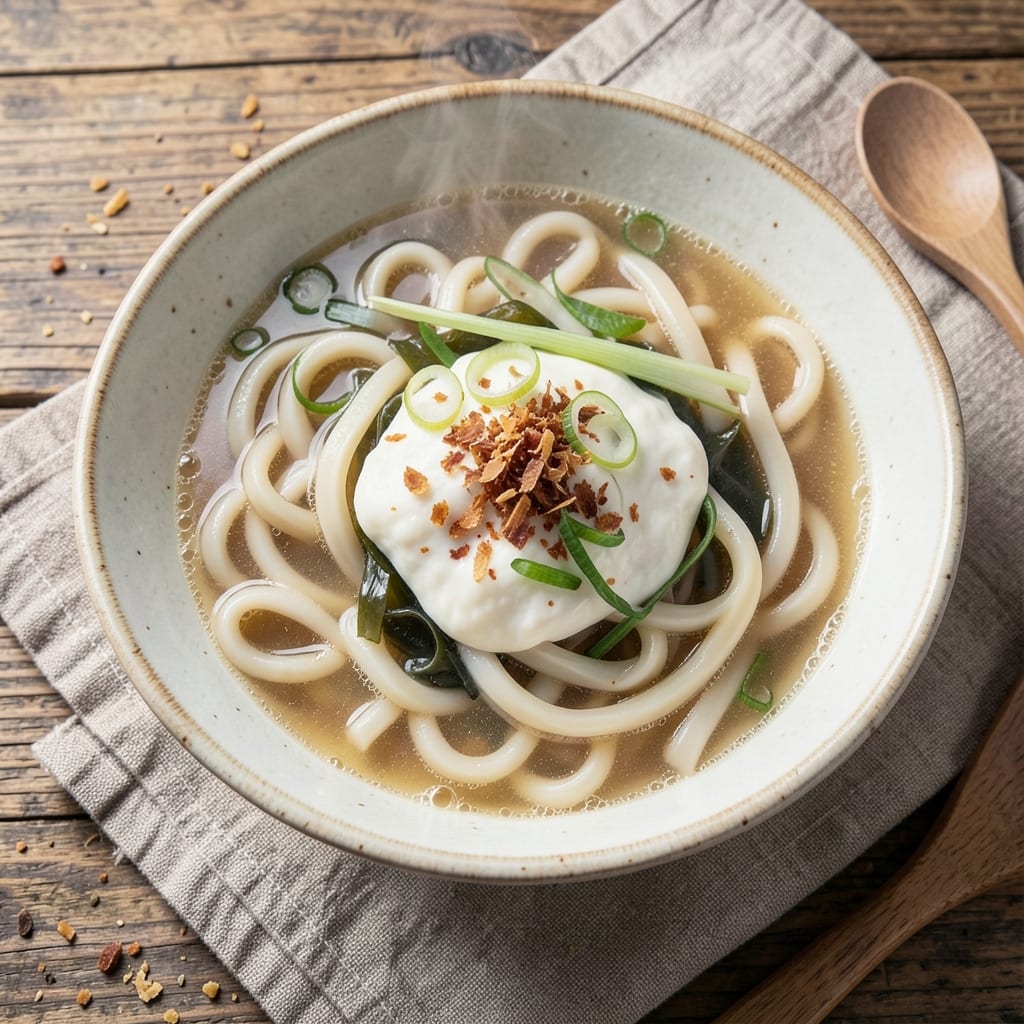
This basic udon soup recipe delivers the comforting essence of Japanese home cooking with just a few simple ingredients. The secret lies in the broth—whether you use dashi for light clarity or miso for deep umami richness—and how it transforms ordinary udon noodles into slippery, satisfying strands. I've perfected this version over countless bowls, ensuring it's approachable yet authentic, perfect for weeknight dinners or cozy gatherings.
The foundation begins with simmering kombu and bonito flakes for a clean, aromatic dashi base, or blending miso paste directly into hot water for an instant, robust flavor. Udon noodles cook in just 3 minutes—no overcrowding the pot—and the broth absorbs their starch, creating a naturally thickened, velvety consistency. Toppings like tempura flakes, kamaboko, or green onions add texture and color, but even without them, the soup shines.
What makes this recipe special is its balance: the slippery noodles glide effortlessly through the broth, while the umami depth from miso or dashi ensures every spoonful is satisfying. The broth's warmth and the noodles' texture create a harmonious bite that's both simple and deeply comforting. Serve it steaming hot, garnished with your choice of toppings, and watch it disappear in minutes.
This udon soup is the ultimate beginner-friendly dish that still feels like a restaurant-quality experience. The method is straightforward, the ingredients accessible, and the result always delicious—whether you're cooking for one or sharing a pot with friends. Let's get started on creating your perfect bowl.
Ingredients for basic udon soup
Slippery noodles and umami-packed broth make this comforting bowl shine—just 12 simple ingredients transform into restaurant-quality udon.
| Ingredient | Amount | Notes |
|---|---|---|
| Dried Udon Noodles 🍜 | 8 oz | Fresh or dried, cut into 3-inch strands |
| White Miso Paste 🧈 | 2 tbsp | Aged 1-2 years for rich umami |
| Dashi Stock 💧 | 4 cups | Homemade or quality store-bought |
| Kombu Seaweed 🍃 | 1 piece | 4x4-inch sheet, dried |
| Bonito Flakes 🐟 | 1 tbsp | High-quality, not powdered |
| Green Onions 🧅 | 3 whole | Thinly sliced, white and green parts |
| Sesame Oil 🫒 | 1 tsp | Toasted, for aroma |
| Toasted Sesame Seeds 🌾 | 1 tsp | For garnish |
| Tempura Flakes 🍟 | 2 tbsp | Optional, for crunch |
| Soft-Shell Tofu 🧀 | 4 oz | Sliced, optional protein |
| Kamaboko (Fish Cake) 🐟 | 2 pieces | Sliced, optional garnish |
| Salt 🧂 | ½ tsp | Kosher or sea salt |
The miso paste and dashi stock are the heart of this soup—Honten or Marukome miso delivers the deepest umami, while homemade dashi (simmered kombu and bonito) adds clarity. For convenience, Kikkoman dashi granules work in a pinch, but nothing beats the real deal. Kombu should be dried and slightly crispy—Japanese specialty stores like Nijiya or Amazon carry the best sheets. If you can't find bonito flakes, dried shiitake mushrooms steeped in hot water make a great substitute, though the aroma won't be identical.
No udon noodles? Fresh ramen noodles (thicker than thin noodles) stretch the dish, though texture will differ. Substitute with wheat soba if you're avoiding gluten, but the broth will cling differently. Tempura flakes are optional but add that signature crunch—Kewpie or Trader Joe's brands are reliable. For the tofu, soft-shell holds up best to the hot broth, but silken tofu works if sliced thin. Kamaboko can be swapped for smoked salmon or avocado slices for a non-fish option. The green onions should be fresh—stems included for extra flavor, though most people discard them.
Broth keeps for 3 days in the fridge, but the noodles soften over time—reheat with a splash of water to restore texture. Freeze broth only (no noodles)—it loses its slippery quality when thawed. Udon noodles last 1 month uncooked in a cool, dry place; once cooked, they’re best eaten fresh but can be parboiled and frozen for 1 month in a sealed bag. Miso paste? Store it in the fridge after opening—it’ll last 1 year, but the flavor deepens with age. Garnishes like tempura flakes and sesame seeds stay fresh for 2 weeks in airtight containers.
Why You'll Love This Recipe
- Five-Ingredient Magic: I swear, this is the kind of recipe where you almost feel guilty for how little effort it takes. Toss in dried udon, a spoon of miso, kombu, bonito flakes, and dashi—boil, simmer, done. The noodles soften while you’re still pouring the stock, and that umami bomb from the miso and dashi? No measuring cups, no stress.
- Umami Bomb: Honestly, the flavor profile here is chef’s kiss—that rich, fermented depth from the white miso, the oceanic funk of kombu, and the smoky, salty dance of bonito flakes. It’s not just good; it’s the kind of taste that makes you pause mid-bite and think, “Wait, how is this so good?” The dashi stock ties it all together like a warm hug in a bowl.
- Leftover Hero: Between us, this soup begs to be made in bulk. The noodles hold up beautifully when reheated—just add hot water and a splash of fresh dashi. I’ve made a whole batch on Sunday, and by Wednesday, it’s still the star of my lunch. (Yes, even when my microwave’s looking sad.)
- Budget Comfort: This is my wallet’s favorite recipe. Dried udon, miso, and kombu are all pantry staples that last forever, and bonito flakes stretch a long way. For under $10, I feed my whole family a meal that feels like a fancy ramen night—no takeout, no guilt. The kind of deal that makes me high-five myself in the kitchen.
Step-by-step instructions for basic udon soup
This simple method delivers restaurant-quality udon with deep umami flavor and perfect texture.
Prepare the Kombu and Dashi Foundation
Place the 1 piece Kombu Seaweed in a clean pot and cover with 4 cups Dashi Stock. Bring to a gentle simmer over medium heat and let it steep for 10 minutes. You'll notice the kombu releases its mineral-rich essence into the broth, creating a subtle sweetness that forms the base of your soup.
After steeping, remove the kombu with tongs and discard it. The broth should now have a delicate, almost translucent appearance with a faint seaweed aroma. Keep the heat at a low simmer—this prevents the broth from developing any off-flavors while maintaining its clarity.
Build Rich Umami with Miso and Bonito
In a small bowl, dissolve the 2 tbsp White Miso Paste in ¼ cup of the hot kombu broth using a whisk until completely smooth. This creates a velvety miso emulsion that won't separate. Slowly pour this miso mixture back into the simmering kombu broth while stirring continuously.
Add the 1 tbsp Bonito Flakes and let them infuse for 2-3 minutes until they begin to sizzle and release their aromatic oils. You'll smell that distinctive umami punch—this is where the magic happens. The bonito flakes should turn a rich amber color before you remove them with a slotted spoon. Discard the flakes but leave their essence in the broth.
Cook the Udon Noodles to Perfection
Bring a separate pot of water to a rolling boil and add 0.5 tsp Salt. Add the 8 oz Dried Udon Noodles and cook according to package instructions, typically 4-5 minutes, until they float to the surface. The noodles should be tender but still hold some bite—this ensures they don't turn mushy in the soup.
Drain the noodles immediately and rinse briefly under cold water to stop the cooking process. This prevents overcooking while removing excess starch that could make your soup too thick. Divide the cooked noodles among 4 bowls—you'll add them to the soup just before serving to maintain their texture.
Assemble and Garnish the Soup
Return the miso broth to a gentle simmer. Add the 4 oz sliced Soft-Shell Tofu and 2 pieces sliced Kamaboko to the broth and let them warm through for 1-2 minutes. The tofu should be heated just enough to be warm but still tender, while the kamaboko will absorb the broth's rich flavors.
Just before serving, add the 3 whole sliced Green Onions to each bowl. Drizzle with 1 tsp Sesame Oil and sprinkle with 1 tsp Toasted Sesame Seeds and 2 tbsp Tempura Flakes. The tempura flakes add a delightful crunch contrast to the silky broth, while the sesame elements bring nutty depth to every spoonful.
Pro Tips For Making Basic Udon Soup
- Toast the kombu first: I learned this the hard way—skipping the 30-second dry toast in the pot before adding water dulls the dashi’s depth. Just heat the kombu in the empty pot until it crackles, then pour in water. That first aromatic hit is non-negotiable for real umami.
- Dissolve miso last: Stirring miso into boiling stock kills its delicate flavor. After simmering dashi and bonito flakes (5 minutes max), remove from heat, then whisk in miso until fully dissolved. The cooler temp preserves its funky, fermented goodness—no burnt paste here.
- Boil noodles separately: Tossing udon into the soup pot turns it into a mushy mess. Cook noodles in a separate pot with salted water (4-5 minutes), then drain and rinse briefly under cold water. Slip them into the broth just before serving—al dente every time.
- Use bonito flakes right: Scatter them on after the broth simmers, not before. Let them sizzle for 30 seconds—this releases their smoky aroma without overpowering. Then remove them (unless you’re keeping them for texture). Skim off any floating bits; they’re bitter.
Troubleshooting this recipe
Broth Too Thin?
If your broth lacks body, simmer it uncovered for an extra 5-10 minutes to reduce and concentrate the flavors. For instant thickening, whisk in 1 tsp cornstarch mixed with 2 tbsp cold water until smooth, then stir into the broth. The starch will break down and create a silky texture without altering the taste. For a more traditional approach, blend ½ cup cooked udon noodles with ¼ cup broth, then strain back into the pot—this adds natural starch and umami depth. 💫
Miso Clumps?
Always dissolve miso paste in hot broth (not cold water) using a whisk to prevent clumping. If you already have lumps, strain the broth through a fine-mesh sieve or cheesecloth into a clean pot. For a smoother texture, blend the miso with ¼ cup broth first, then strain before adding to the main pot. Never use a metal spoon—it can react with the miso and create off-flavors. A wooden spoon or silicone spatula works best for stirring.
Noodles Mushy?
Overcooked udon noodles lose their satisfying bite. To fix this, rinse them in ice water for 30 seconds to shock and firm them up. For future bowls, cook the noodles 30 seconds less than package instructions and add them to the soup just before serving—this ensures they maintain their texture. If you're prepping ahead, parboil the noodles for 2 minutes, drain, and store in an airtight container with a damp paper towel. Cook fully when ready to serve.
Broth Too Salty?
If your broth tastes overly salty, balance it by adding 1 tbsp sugar or 1 tbsp mirin to sweeten and round out the flavors. For a more neutral approach, stir in ½ cup hot water to dilute the salt concentration. If using miso, reduce the amount by ½ tsp in future batches—miso is three times saltier than table salt. Taste as you go: the broth should be savory but not briny.
Bonito Flakes Not Infusing?
Low-quality bonito flakes won’t release their aroma properly. Use high-quality flakes (like Katsuobushi) and heat the broth to a gentle simmer—not a rolling boil. If your flakes aren’t sizzling after 2-3 minutes, they’re likely stale. For a substitute, try dried shiitake mushrooms steeped in hot water for 10 minutes, then strained. The mushrooms add earthy depth without the fishy aroma. 🐟
Garnishes Too Dry?
Toasted sesame seeds and tempura flakes lose crispness when exposed to moisture. Store them in airtight containers away from heat sources. For extra crunch, toast sesame seeds in a dry skillet over medium heat for 1-2 minutes until fragrant. Keep tempura flakes in the freezer to preserve their texture. Garnish bowls right before serving—this ensures every bite has that satisfying crunch. 🌾
Nutrition facts
Frequently asked questions
Can I make udon soup without miso?
For a lighter broth, use just dashi with a pinch of salt and a splash of soy sauce. For extra depth, substitute miso with 1 tbsp soy sauce + 1 tsp sugar to mimic umami and sweetness. Traditionalists might also try awase sauce (a blend of soy, mirin, and sugar) for a balanced flavor. The key is maintaining that savory foundation—just adjust seasoning to taste.
How do I store leftover udon broth?
Broth keeps for 3-4 days in the fridge, covered tightly. For longer storage, freeze it in 1-cup portions—leave ½-inch headspace to prevent ice crystals. Thaw overnight in the fridge, then reheat gently. Never refreeze broth after thawing, as it can develop off-flavors. The noodles? Cook fresh for best texture, but you can parboil them ahead and store separately.
What's the best way to reheat udon noodles?
Never microwave udon directly—they'll turn mushy! Instead, place noodles in a pot with ½ cup fresh broth or water and simmer for 1-2 minutes until heated through. For extra flavor, add a splash of soy sauce or sesame oil. If reheating with broth, strain it first to remove any sediment. The goal is to restore that slippery texture without overcooking.
Can I use instant udon noodles?
Yes, but with adjustments! Instant udon (like Nissin U-Foods) works in a pinch, but they're thinner and often contain additives. For better texture, add 1 extra minute of cooking time and rinse in cold water to remove excess starch. The broth will be less traditional, so boost umami with an extra ½ tsp miso paste or 1 tsp soy sauce. These noodles are convenient but lack the authentic chewiness.
Why does my udon broth look cloudy?
Cloudiness usually means starch from the noodles or miso hasn't fully dissolved. Simmer the broth uncovered for 5-10 extra minutes to reduce and clarify it. For a quicker fix, whisk in 1 tsp cornstarch mixed with 2 tbsp cold water until smooth. If using miso, ensure it's fully dissolved in hot broth before adding to the pot. Cloudiness won't ruin the flavor—it just indicates the broth needs more time to develop its silky texture.