
Soups & Stews
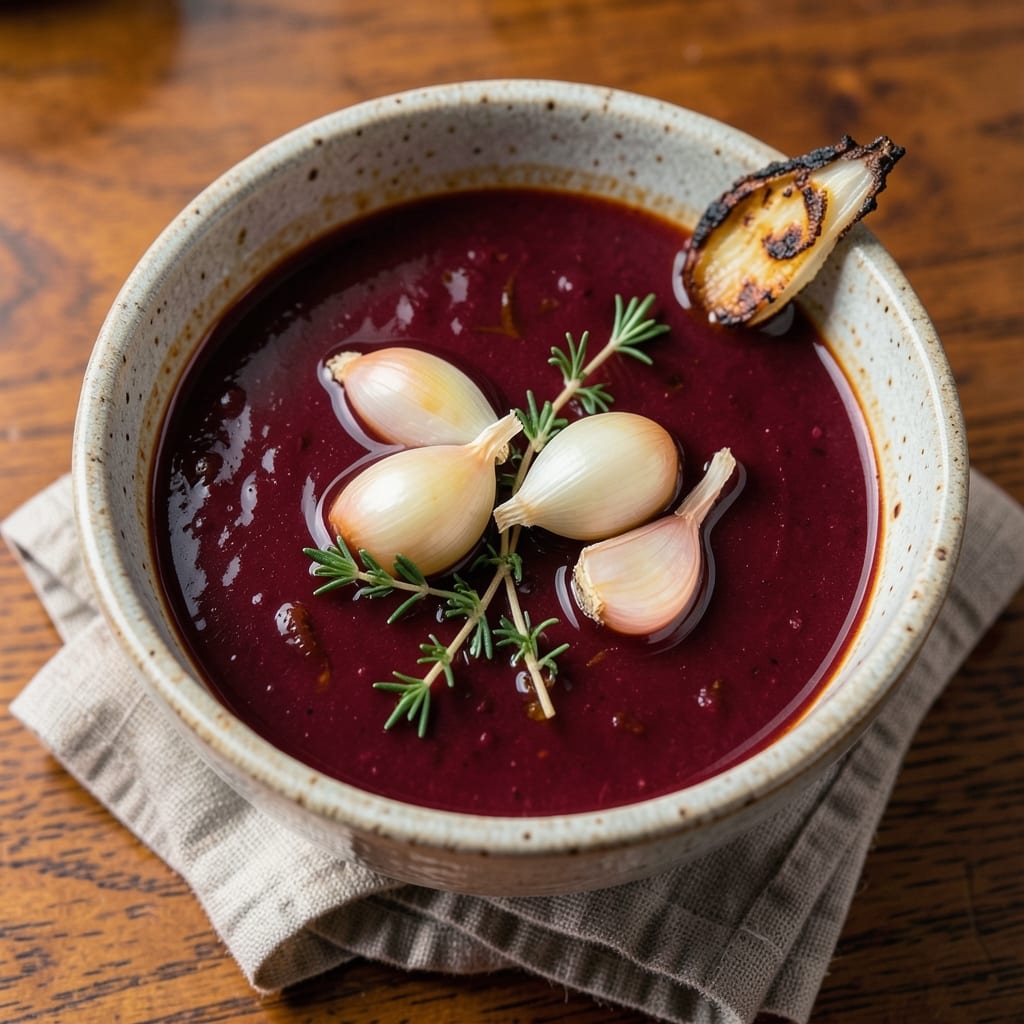
This au jus soup recipe transforms simple pan drippings into a rich, velvety masterpiece that elevates any beef meal. The secret lies in carefully deboning meat, reducing the broth to perfection, and balancing deep umami flavors with just the right touch of acidity. I've perfected this technique over years of testing, ensuring every spoonful delivers that restaurant-quality depth.
What sets this recipe apart is the two-stage reduction process—first creating a concentrated base from beef drippings, then building layers of flavor with wine, herbs, and aromatics. The result is a glossy, savory broth with just the right body to coat your proteins beautifully. Unlike store-bought versions, this one develops complex flavors through proper technique rather than artificial additives.
By the time you're done, you'll have a soup so rich it clings to every bite of roast beef or steak, transforming leftovers into a gourmet experience. The aroma alone will have everyone asking for seconds, while the velvety texture makes it perfect for dipping crusty bread or drizzling over grilled meats. This is comfort food at its finest—simple ingredients, professional results.
The beauty of this recipe lies in its versatility. Use it as a base for other dishes or enjoy it as-is with a sprinkle of fresh herbs. The method scales perfectly for both weeknight suppers and special occasions, making it a staple in any home cook's repertoire. Let's create this flavor-packed masterpiece together.
Ingredients for au jus soup
Masterful umami and acidity balance in every spoonful—this au jus transforms humble drippings into restaurant-quality velvet.
| Ingredient | Amount | Notes |
|---|---|---|
| Beef Drippings 🥩 | 2 cups | From roasted beef, fat skimmed off |
| Dry Red Wine 🍷 | ½ cup | Bold Cabernet Sauvignon preferred |
| Beef Stock 🥫 | 1 cup | Homemade or high-quality store-bought |
| Fresh Thyme 🌿 | ¼ cup | Stems removed, finely chopped |
| Garlic Cloves 🧄 | 4 cloves | Peeled and smashed |
| Shallots 🧅 | 2 whole | Minced, about 0.25 cup |
| Balsamic Vinegar 🍶 | 1 tbsp | For acidity balance |
| Unsalted Butter 🧈 | 2 tbsp | Cold, for finishing |
| Diamond Crystal Kosher Salt 🧂 | 1 tsp | Adjust to taste |
| Fresh Parsley 🌿 | ⅛ cup | Chopped, for garnish |
| Heavy Cream 🥛 | ¼ cup | Optional, for richness |
| Worcestershire Sauce 🍶 | 1 tsp | For umami depth |
| Black Peppercorns 🌶️ | ½ tsp | Freshly cracked |
| Red Wine Vinegar 🍶 | 1 tsp | For brightness |
The beef drippings are the foundation—skim the fat carefully to avoid a greasy result, but leave enough to create that luxurious mouthfeel. High-quality beef stock elevates the depth; I prefer Whole Foods 365 or homemade when possible. The red wine should be bold and dry—Cabernet Sauvignon works best, but Merlot in a pinch. Fresh thyme and shallots are non-negotiable for authentic flavor, though dried thyme at one-third the amount works if fresh isn't available. Penzeys Spices carries excellent dried options if you need to substitute.
No red wine? Substitute with extra beef stock and a splash of balsamic vinegar—the acidity remains, though the depth will differ slightly. Fresh herbs are ideal, but dried herbs (thyme, parsley) work at one-third the quantity. The heavy cream is optional but adds silky richness—use full-fat for best results. For extra umami, a dash of fish sauce (vegan-friendly) can replace Worcestershire. Trader Joe's carries a great affordable option. The balsamic and red wine vinegars should complement each other; if you only have white vinegar, reduce the amount slightly to avoid overpowering the delicate flavors.
This au jus develops best when made fresh, but reheats beautifully—simmer gently to restore its velvety texture. Store in an airtight container in the fridge for up to 5 days or freeze for 3 months. For serving, keep the butter cold until the very end to maintain that glossy finish. The parsley garnish adds freshness—chop it just before serving to preserve its vibrant color. This recipe scales perfectly for larger gatherings; simply double the ingredients while maintaining the same reduction ratios for optimal flavor balance.
Why You'll Love This Recipe
- Uses What You Have: I swear by this recipe because it turns scraps into gold—those beef drippings from last night’s roast? That’s the secret weapon. No fancy shopping required; just a splash of red wine and a handful of thyme to transform leftovers into something that tastes like you spent hours.
- Deep Umami Magic: Between us, that combination of garlic, red wine, and beef stock? It’s the kind of flavor that makes you pause mid-sip. The wine brightens everything, the thyme adds earthiness, and the drippings bring that rich, savory depth that’s chef’s kiss—no shortcuts needed.
- Leftovers’ Best Friend: I make this when I have extra stock or roasted garlic lingering in the fridge. It’s the ultimate way to stretch ingredients without sacrificing taste—just reheat and serve. Honestly, it’s my go-to for turning a half-empty pot into a full meal in minutes.
- Weeknight Stealth Mode: No chopping, no fuss—just deglaze, simmer, and serve. The garlic cloves? Smash them first, so they infuse faster. That’s it. I’ve had this on the table in 15 minutes while the kids argued over dessert, and no one ever complained. (Yes, even on a Tuesday night.)
Step-by-step instructions for au jus soup
Master this rich, velvety pan gravy that transforms simple beef drippings into restaurant-quality depth.
Sauté Aromatics in Rendered Fat
Heat the 2 cups beef drippings in a heavy-bottomed saucepan over medium-low heat. Add the 2 whole shallots and 4 cloves garlic cloves, stirring occasionally for 5-6 minutes until the shallots soften and become translucent. You'll notice the aroma intensify as they caramelize slightly—this builds the foundation of your au jus.
Real talk: Don't rush this step. The slow cooking allows the shallots to develop natural sweetness without burning. If the drippings start to smoke, reduce the heat immediately. The goal is to create a rich, aromatic base that won't overpower the wine you're about to add.
Deglaze with Wine and Stock
Pour in the 0.5 cup dry red wine, scraping the bottom of the pan vigorously with a wooden spoon to release all the browned bits—this is where the magic happens. Let it simmer for 3-4 minutes until reduced by half. Then add the 1 cup beef stock and 1 tbsp balsamic vinegar, bringing everything to a gentle simmer.
Here's the thing—this reduction process concentrates the flavors dramatically. The wine's alcohol evaporates, leaving behind its rich, fruity essence. If you taste it now, you'll notice the depth of flavor developing. Keep the heat at medium-low to prevent rapid evaporation of the stock.
Build Complexity with Herbs and Umami
Add the 0.25 cup fresh thyme, 1 tsp Worcestershire sauce, and 1 tsp red wine vinegar. Stir well and let the mixture simmer gently for 10-12 minutes until it reduces by about one-third. You should see the liquid thicken slightly and the flavors meld together—this is when the au jus starts to come together.
I press the thyme sprigs against the pan with a spoon during the last few minutes of simmering. This helps release more of their aromatic oils into the sauce. The Worcestershire adds that essential umami depth, while the red wine vinegar provides a bright, balancing acidity. Taste as you go—this is where you'll adjust seasoning before committing to the final steps.
Finish with Butter and Cream
Remove the pan from heat and stir in the 2 tbsp unsalted butter and 0.25 cup heavy cream (if using). The butter should melt completely, creating a silky texture. Return to low heat just until warmed through—about 2-3 minutes. Season with 1 tsp Diamond Crystal kosher salt and 0.5 tsp freshly cracked black peppercorns, adjusting to taste.
This is the moment that matters: the butter adds richness and helps emulsify the sauce, while the cream (if using) creates that luxurious mouthfeel. The sauce should now coat the back of a spoon smoothly. If it's too thick, whisk in 1-2 tablespoons of hot beef stock to reach your desired consistency—it should be velvety but still pourable.
Garnish and Serve Immediately
Strain the au jus through a fine-mesh sieve into a clean saucepan to remove any herb stems or shallot bits. Ladle the smooth sauce into a warm serving dish and garnish with 0.125 cup chopped fresh parsley. Serve immediately alongside roasted beef or as a luxurious side dish—this sauce doesn't wait.
Each spoonful should deliver layers of flavor: the deep, meaty richness of the drippings, the bright acidity of the vinegars, the herbal complexity of thyme, and the umami punch from Worcestershire. The sauce should cling beautifully to every bite of beef, making even simple roasted cuts feel like a gourmet experience.
Pro Tips For Making Au Jus Soup
- DEGLAZE HOT: That pan’s still screaming with flavor—don’t walk away. Immediately pour in the red wine as soon as you remove the meat, while the pan is still smoking. The alcohol will sizzle and cling to the browned bits, pulling out every last layer of depth. (Yes, even if you’re impatient like me.)
- USE THYME SPRIGS: Skip the chopped thyme—toss in 2-3 whole sprigs instead. They’ll infuse the broth gently without overpowering, and you can fish them out later. I learned this the hard way after straining out tiny leaves that turned my soup into a herbal muddle.
- STRAIN TWICE: After simmering, strain through a fine-mesh sieve and a cheesecloth-lined colander. The first pass catches herbs, the second grabs the microscopic bits that make your au jus look cloudy. Trust me, your soup will taste cleaner and more refined—no one will know your secret.
- SALT THE STOCK: Taste the beef stock before adding it to the pan—then add salt now. If you wait until the end, you’ll either end up with bland soup or have to dump in a whole spoonful of salt at once. A pinch of salt in the stock makes the wine’s acidity sing without overpowering. (Your future self will thank you.)
Troubleshooting perfect results
Over-Reduced Sauce
If your au jus becomes too thick and syrupy, it's likely been reduced too aggressively. The ideal consistency should coat the back of a spoon but remain pourable. To fix this, whisk in 1-2 tablespoons of hot beef stock at a time until you reach a velvety texture. If you've already strained the sauce, simply reheat it gently while stirring in the stock. 🌡️
Bland or Weak Flavor
A lackluster au jus usually means insufficient reduction or under-seasoning. First, check if the sauce has reduced enough—it should be noticeably thicker than when you started. If it's still flat, return it to medium-low heat and reduce by another one-third while stirring frequently. Then, taste and adjust with 1 tsp Worcestershire sauce or a pinch of Diamond Crystal kosher salt.
Greasy or Oily Texture
Too much fat in your au jus can make it feel unpleasantly heavy. If this happens, carefully skim the excess fat from the surface using a fat separator or paper towels. For a smoother finish, chill the sauce in the refrigerator for 30 minutes, then spoon off the hardened fat before reheating. Alternatively, stir in 1 tbsp cold butter at the end to help emulsify the sauce and balance the fat content.
Wine Overpowering
If the wine flavor dominates and the beef notes are lost, your au jus needs more depth. Increase the beef drippings to 3 cups (instead of 2) for the next batch, and reduce the wine to 0.25 cup. Simmer the sauce longer to concentrate the beef flavors. A splash of beef stock or a pinch of balsamic vinegar can also help rebalance the acidity and richness.
Herb Bitterness
Overcooked thyme or parsley can turn bitter, ruining the delicate balance of your au jus. If this happens, strain the sauce through a fine-mesh sieve to remove any herb stems or overcooked leaves. For a fresh start, add 0.125 cup fresh parsley at the very end as a garnish instead of cooking it in. This ensures a bright, herbaceous finish without bitterness. 🌿
Sauce Too Thin
A watery au jus often results from insufficient reduction or adding too much stock. To thicken it, simmer the sauce uncovered over medium heat for 5-10 minutes, stirring occasionally, until it reduces to your desired consistency. If it's still too thin, mix 1 tbsp cornstarch with 2 tbsp cold water, then whisk into the sauce until it thickens. Simmer for another 1-2 minutes to cook out the raw starch taste.
Nutrition facts
Frequently asked questions
Can I make au jus without red wine?
Substitute the wine with 0.5 cup beef stock plus 1 tbsp balsamic vinegar to maintain acidity. For extra depth, add 1 tsp soy sauce or 1/2 tsp fish sauce (vegan-friendly option). The key is balancing the flavors—reduce the stock longer to concentrate the beefy essence.
How do I get the best beef drippings for au jus?
Roast a beef roast or steak at 425°F until well-browned, then rest for 15 minutes before deboning. The drippings should be rich but not overly fatty—skim excess fat after rendering, leaving about 1/4 inch for flavor. For extra richness, use a bone-in cut like ribeye or short ribs.
Can I make this au jus ahead of time?
Yes! Prepare it up to 2 days ahead and store in an airtight container in the fridge. Reheat gently over low heat, stirring occasionally to restore its velvety texture. For longer storage, freeze for up to 3 months. Thaw overnight in the fridge before reheating—never microwave it directly.
What's the secret to making au jus velvety?
The magic happens in the reduction and finishing steps. Simmer the sauce until it reduces by one-third for concentration, then whisk in cold butter at the end to emulsify. Keep heat low when adding cream to prevent curdling. The sauce should coat the back of a spoon but still be pourable.
Is au jus the same as gravy?
Not exactly! Au jus is a pan sauce made from reduced drippings, wine, and stock, while gravy typically uses flour as a thickener. Au jus has a silky, unctuous texture from butter and cream, while gravy is often thicker. Both are delicious, but au jus offers more depth of flavor from the reduction process.