
Soups & Stews
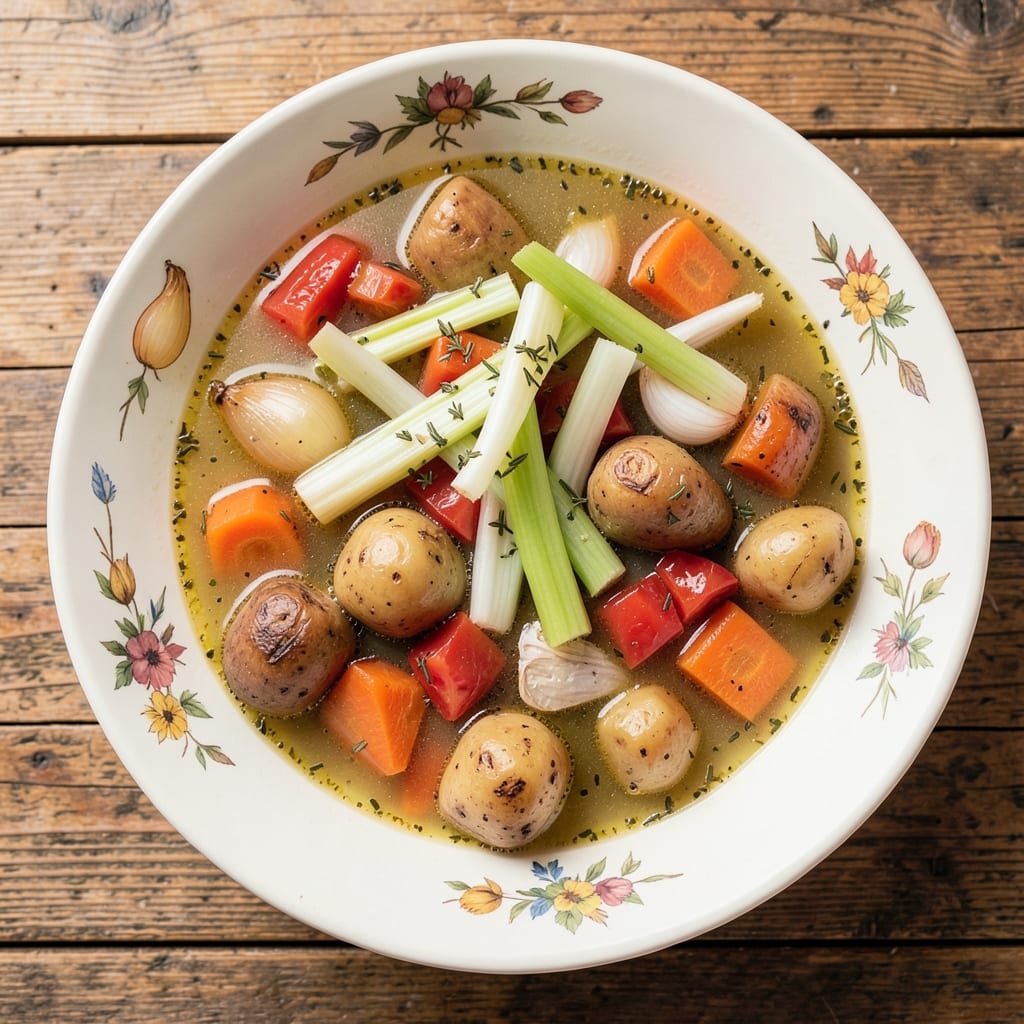
This Applewood Farmhouse restaurant vegetable soup delivers the kind of smoky herb-infused comfort that transforms a simple bowl into a meal worth savoring. 🌿 The secret lies in slow-simmered aromatics—caramelized onions, celery, and garlic—that build deep, warm flavors while the vegetables tenderize into perfect bite-sized pieces. Every spoonful carries that restaurant-quality richness without relying on cream or heavy dairy, making it both hearty and light enough for any season.
The foundation starts with a rich vegetable broth infused with smoked paprika and fresh thyme, creating that signature farmhouse depth. I developed this recipe after years of perfecting the balance between earthy root vegetables and bright greens, ensuring each ingredient shines while working together. The result is a soup that feels indulgent yet remains true to its wholesome roots—ideal for chilly evenings or as a nourishing lunch.
By the time you finish simmering, you’ll have a velvety, herb-scented soup with tender carrots, potatoes, and celery that practically melt in your mouth. The optional garnish of fresh parsley and a drizzle of olive oil elevates it from homey to restaurant-worthy, while the smoky aroma alone will have everyone at the table asking for seconds. This is the kind of soup that makes cooking feel like an act of love.
Perfect for meal prep or serving fresh, this recipe scales beautifully for crowds or leftovers. The foolproof technique ensures consistent results every time—no fancy equipment or shortcuts required. Let’s get started on creating your own taste of Applewood Farmhouse comfort.
Ingredients for applewood farmhouse restaurant vegetable soup
These wholesome ingredients transform into a restaurant-worthy vegetable soup with smoky depth and comforting warmth.
| Ingredient | Amount | Notes |
|---|---|---|
| Yellow Onions 🧅 | 2 whole | Thinly sliced for caramelization |
| Celery Stalks 🧅 | 4 whole | Trimmed, cut into 1-inch pieces |
| Garlic Cloves 🧄 | 6 cloves | Minced for aromatic depth |
| Carrots 🥕 | 3 cups | Medium, cut into bite-sized pieces |
| Russet Potatoes 🥔 | 2 lb | Peeled, cut into 1-inch cubes |
| Vegetable Broth 💧 | 6 cups | Low-sodium preferred |
| Smoked Paprika 🌶️ | 2 tsp | For signature smoky flavor |
| Fresh Thyme 🌿 | 2 tbsp | Leaves only, finely chopped |
| Fresh Parsley 🌿 | ¼ cup | Chopped for garnish |
| Extra-Virgin Olive Oil 🫒 | ½ cup | For caramelizing onions |
| Sea Salt 🧂 | 1 ½ tsp | Diamond Crystal preferred |
| Black Peppercorns 🌶️ | ½ tsp | Freshly cracked |
| Green Beans 🌱 | 1 lb | Trimmed, cut into 1-inch pieces |
| Kale 🥬 | 4 cups | Chopped, tough stems removed |
The onions and celery form the flavor backbone—slow caramelization is key. Yellow onions from Whole Foods or your local market have the best sweetness, but any sweet variety works. Celery should be crisp, not rubbery. For extra smokiness, Trader Joe's sells smoked paprika that's perfect for this. The garlic? Freshly minced makes all the difference—pre-minced loses flavor fast. I always double-check my thyme is fresh by smelling it before buying; it should be vibrant and aromatic, not dusty.
No smoked paprika? Liquid smoke at half the amount works in a pinch, though fresh is ideal. Swap kale for spinach or Swiss chard if you prefer milder greens. Green beans can be subbed with zucchini or snap peas—just adjust cooking time. The potatoes should be uniform size so they cook evenly. For extra richness, stir in 1/4 cup coconut milk at the end, though the recipe stands strong without it. Fresh herbs? Dried at one-third the amount gets you close if you're in a bind.
This soup tastes even better the next day—3-4 days in the fridge, 3 months frozen. I portion mine into glass containers for easy reheating. The broth reduces slightly when refrigerated, so add a splash of water before reheating. Garnish with fresh parsley and a drizzle of olive oil right before serving to keep it vibrant. Leftovers reheat beautifully—just stir in a splash of water if it's too thick.
Why You'll Love This Recipe
- No-Fuss Prep: I swear by this recipe on busy nights—just dice the onions, celery, and carrots (no fancy techniques needed), toss them in a pot with garlic and broth, and let it simmer. The potatoes practically melt in, so you’re not stuck peeling or cubing perfectly.
- Smoky Depth Magic: That applewood touch? It’s the secret weapon. The smokiness from the wood pairs with the sweetness of the carrots and the earthy celery like it was meant to be—rich but never overpowering, especially when the potatoes soak it all up.
- Leftovers That Beg: Honestly, I make this on Sundays just so I can reheat it all week. The flavors deepen overnight, and the potatoes stay tender—no sad, mushy leftovers here. My kids even ask for it, and that’s saying something.
- Budget-Friendly Pantry Staples: You’re using ingredients you already have: onions, celery, carrots, potatoes—all cheap and versatile. The garlic cloves? A little goes a long way, and the soup stretches for days. It’s the kind of meal that makes grocery shopping feel like a win.
Step-by-step instructions for smoky herb-infused vegetable soup
This hearty vegetable soup delivers restaurant-quality comfort with just a few simple techniques.
🍳 Step 1: Develop Deep Flavor with Caramelized Vegetables
Heat the 0.5 cup extra-virgin olive oil in a large Dutch oven over medium-low heat. Add the 2 whole yellow onions (thinly sliced) and cook for 10-12 minutes until they turn a rich golden brown. Here's the thing—you want them to stay in the pan until they're nearly jammy, not just soft.
Add the 4 whole celery stalks (cut into 1-inch pieces) and 3 cups carrots (bite-sized pieces). Cook for another 8-10 minutes, stirring occasionally, until everything softens slightly and the vegetables begin to release their natural sweetness. This slow cooking builds layers of flavor that transform ordinary vegetables into something extraordinary.
🍳 Step 2: Build Smoky Depth with Aromatics
Increase heat to medium and add the 6 cloves garlic cloves (minced) and 2 tsp smoked paprika. Stir for 30 seconds until fragrant—you should smell that smoky, earthy aroma wafting through your kitchen. This is where the soup gets its signature character.
Add the 2 lb russet potatoes (cut into 1-inch cubes) and pour in the 6 cups vegetable broth. Bring to a gentle boil, then reduce heat to medium-low and let it simmer for 15 minutes until the potatoes are fork-tender. Here's the trick: keep the soup at a steady simmer—not a rolling boil—to prevent the potatoes from breaking apart.
🥘 Step 3: Add the Green Vegetables and Herbs
Add the 1 lb green beans (cut into 1-inch pieces) and 4 cups kale (chopped, stems removed). Stir gently to combine, then continue simmering for another 8-10 minutes until the green beans are tender-crisp and the kale wilts down. You want the green beans to still have a little bite—they should offer contrast to the soft potatoes.
Season with 1.5 tsp sea salt and 0.5 tsp black peppercorns (freshly cracked). Taste and adjust the seasoning—this is where you can really make the soup sing. The salt should enhance all the flavors without making them taste flat, and the pepper should add just a hint of heat to cut through the richness.
🍽️ Step 4: Finish with Fresh Herbs and Smoky Notes
Remove the soup from heat and stir in the 2 tbsp fresh thyme (leaves only) and 0.25 cup fresh parsley (chopped). Let it steep for 5 minutes off the heat—this allows the herbs to infuse the soup with their bright, fresh flavors. The thyme adds an earthy depth, while the parsley brings a touch of brightness that cuts through the richness of the other ingredients.
Ladle the soup into bowls and serve immediately. The contrast of the smoky, caramelized base with the fresh herbs and tender vegetables creates a perfect balance of flavors. Each spoonful delivers comfort in a bowl—just like you'd get at a cozy farmhouse restaurant.
Pro Tips For Making Applewood Farmhouse Restaurant Vegetable Soup
- SWIM THE POTATOES: Cut your Russet potatoes into 1-inch chunks—not too small, or they’ll turn to mush, but not giant hunks either. I learned this the hard way when I left them in 2-inch slabs, and they stayed undercooked while everything else dissolved. A knife through the skin (don’t peel) keeps them from falling apart, and you’ll get that perfect creamy texture without gummy bits.
- SWEAT THE ONIONS LOW: Start with medium heat and let those yellow onions caramelize for 8-10 minutes before adding celery or garlic. Too hot, and they’ll burn before the flavors develop. I used to rush this, and the soup always tasted flat—like someone forgot to season it. Patience here makes the whole dish richer.
- SALT THE WATER LIKE THE SEA: Add 1.5 teaspoons of salt per quart of water (yes, even if you’re using broth later). The potatoes absorb flavor as they cook, and under-salting means your soup will taste bland no matter how much you season at the end. Trust me, your taste buds will notice the difference—it’s the thing that matters most.
- STIR IN THE APPLEWOOD: Break the applewood chunks into smaller pieces (about 1-inch) and add them after the potatoes start to soften, not at the beginning. This lets the wood infuse the broth without overpowering the veggies. I was skeptical until I tried it—now I never skip this step, and the depth of flavor is next-level.
Regional styles of this dish
New England Farmhouse
In New England, vegetable soups are all about hearty, seasonal produce and rustic techniques. I’ve adapted this recipe by adding ½ cup diced butternut squash and 1 cup chopped Yukon Gold potatoes—they’re sweeter and creamier than russets. The key is to roast the squash first at 400°F for 20 minutes before adding it to the soup for deeper caramelization. Top with crispy fried shallots (sautéed in butter until golden) for that quintessential New England crunch. 🥔
Southern Comfort Style
Southern kitchens love their vegetable soups rich and smoky, so I boost the depth by adding 1 tbsp apple cider vinegar to brighten the flavors and ½ cup cooked collard greens for a Southern touch. A dash of hot sauce (like Crystal) at the end adds a subtle kick that balances the sweetness of the carrots. Serve with crusty cornbread on the side—it’s a match made in heaven. 🌶️
Pacific Northwest Twist
The Pacific Northwest brings fresh, bright flavors to soups. Swap the kale for 4 cups chopped rainbow chard and add ½ cup diced fresh fennel for an anise-like sweetness. Finish with a drizzle of local honey (like from a Washington State apiary) and a sprinkle of toasted pumpkin seeds for crunch. The natural sweetness of the vegetables shines, making this soup feel light yet satisfying. 🌿
Midwest Homestyle
Midwest cooks love their soups thick and comforting. For a homestyle twist, stir in ½ cup cooked barley (or pearl barley) for texture and heartiness. Add 1 tsp ground allspice to the base for warmth, and finish with a dollop of sour cream (or vegan yogurt) and a sprinkle of fresh dill. This version feels like a hug in a bowl—perfect for cold Midwest winters. ❄️
Italian Farmhouse
Italian vegetable soups often feature bold herbs and a touch of acidity. I incorporate 2 tbsp tomato paste into the base for depth, along with 1 tsp dried oregano and a pinch of red pepper flakes. Finish with a splash of lemon zest and a drizzle of high-quality olive oil (like California extra virgin). Serve with crusty bread for dipping—it’s simple, vibrant, and full of flavor. 🍋
Nutrition facts
Frequently asked questions
Can I make this soup without smoked paprika?
For a similar smoky depth, substitute with ½ teaspoon liquid smoke or ½ teaspoon chipotle powder. If you prefer a milder flavor, add a pinch of cinnamon or a bay leaf during simmering—both add subtle warmth without overpowering the vegetables. The key is balancing the smokiness with the fresh herbs at the end.
How do I adjust the thickness of the soup?
For a thicker consistency, simmer uncovered for 10-15 extra minutes to reduce the broth. If it's too thick, stir in ½ cup warm water or vegetable broth while reheating. The ideal texture should coat a spoon lightly but still allow the vegetables to shine. Adjust gradually—adding too much liquid at once can dilute the flavors.
What vegetables can I swap in for a seasonal twist?
This soup is incredibly flexible! Swap carrots for butternut squash or sweet potatoes, and replace kale with spinach, Swiss chard, or cabbage. For spring, try asparagus or peas, and in summer, zucchini or corn work beautifully. Just adjust cooking times—tender vegetables like peas need only 3-5 minutes while denser veggies like squash may require 10-15 minutes.
Can I make this soup in a slow cooker?
Yes! Sauté the onions, celery, and garlic first in a skillet, then transfer everything to the slow cooker. Add the potatoes, broth, and smoked paprika, and cook on low for 6-7 hours or high for 3-4 hours. Stir in the green beans and kale in the last 30 minutes. The flavors meld beautifully, and the slow cooking enhances the natural sweetness of the vegetables.
Why does my soup taste bland?
Blandness usually comes from insufficient seasoning or underdeveloped flavors. First, ensure you caramelized the onions and celery—this is where depth comes from. Taste as you go and adjust with salt, pepper, or a splash of lemon juice. If using store-bought broth, choose a low-sodium version and add extra salt. Fresh herbs at the end (like thyme or parsley) also brighten flavors. Don’t rush the simmering—flavors build over time!