
Soups & Stews
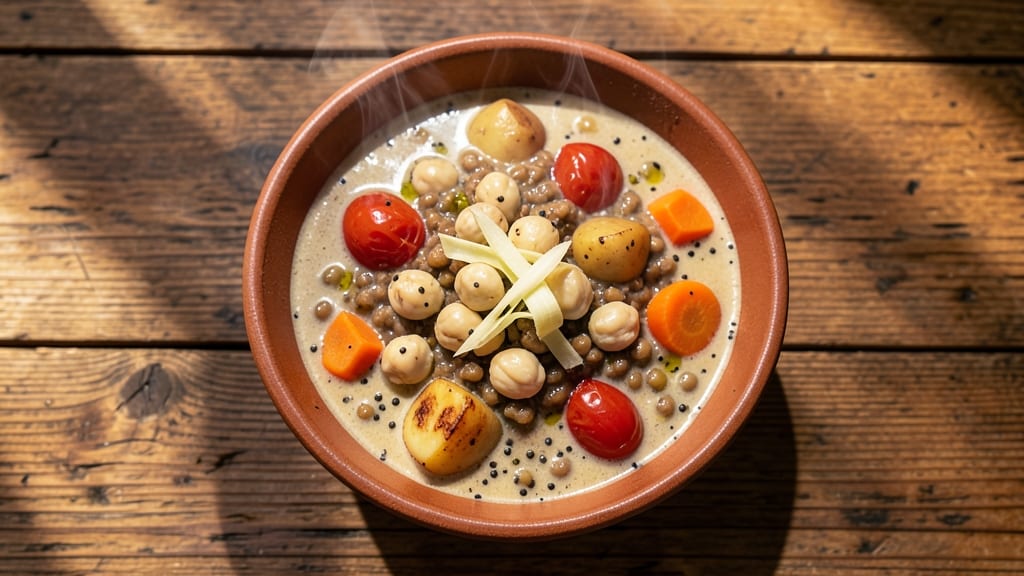
This Vishiswa soup recipe delivers the hearty, spice-packed comfort of Nepal’s most beloved lentil stew—where tender chickpeas and vegetables simmer into a rich, fragrant broth that’s both satisfying and deeply nourishing. The secret lies in the layered spices and slow simmer that transform simple ingredients into something extraordinary. I’ve perfected this version to balance authenticity with approachability, so you can recreate restaurant-quality Vishiswa at home without compromising on flavor or texture.
The beauty of Vishiswa lies in its versatility—it’s equally comforting as a standalone meal or paired with steamed rice and yogurt for dipping. We start with soaked lentils and chickpeas for maximum tenderness, then build depth through traditional Nepali spices like cumin, mustard seeds, and turmeric.
The vegetables—potatoes, carrots, and greens—absorb the flavors beautifully, while a final tempering of garlic and ginger ensures every spoonful is aromatic and vibrant.
What makes this recipe special is the crispy chickpeas that develop along the edges as they simmer, adding a satisfying contrast to the soft lentils and vegetables. The broth reduces to a perfect consistency—rich enough to coat each bite but light enough to let the spices shine.
This is the kind of soup that warms the soul, especially on chilly evenings, and its adaptability means you can customize it with meat, extra greens, or a dollop of cream if you like.
The best part? It’s a one-pot wonder that requires minimal prep but delivers maximum flavor. Let’s get started—your taste buds (and leftovers) will thank you.
Ingredients for vishiswa soup
Pantry staples meet Nepali spices for this soul-warming Vishiswa soup recipe.
| Ingredient | Amount | Notes |
|---|---|---|
| Yellow Moong Dal (Split Yellow Lentils) 🌾 | 1 ½ cups | Rinsed thoroughly, soaked 2 hours |
| Chickpeas (Garbanzo Beans) 🌱 | 2 cups | Drained, rinsed, skins intact |
| Russet Potatoes 🥔 | 2 medium | Diced into 1-inch pieces |
| Carrots 🥕 | 3 medium | Peeled, sliced into rounds |
| Tomatoes 🍅 | 4 medium | Diced, skins removed |
| Fresh Ginger 🌿 | 1 tbsp | Finely grated (about 1-inch piece) |
| Fresh Garlic Cloves 🧄 | 6 cloves | Minced, skin removed |
| Cumin Seeds 🌶️ | 1 tsp | Whole, toasted for aroma |
| Mustard Seeds 🌶️ | 1 tsp | Whole, adds sharpness |
| Turmeric Powder 🌿 | 1 tsp | Brightens broth color |
| Ground Coriander 🌿 | 1 tbsp | Earthy, balanced flavor |
| Salt 🧂 | 1 ½ tsp | Diamond Crystal preferred |
| Vegetable Broth 💧 | 6 cups | Low-sodium for control |
| Neutral Oil 🫒 | 2 tbsp | Avocado or vegetable oil |
The lentils and chickpeas are the heart of this dish. Yellow moong dal gives it that authentic texture—soak it overnight for maximum softness. For chickpeas, canned works but dried is better—just skip the soaking. I always grab organic produce from Whole Foods when possible, but regular grocery store veggies work fine. The potatoes and carrots should be firm and free of bruises—any soft spots mean they'll turn mushy during cooking. Fresh ginger is non-negotiable for that vibrant punch, so grate it yourself—pre-made ginger paste lacks the zing.
No fresh ginger? 1 tbsp ground ginger at half the amount gets you close, though it won't be as bright. Turmeric can be swapped for saffron at 1/4 tsp per pinch if you're feeling fancy. Want to stretch this further? Add 1 lb of shredded chicken or paneer for protein. The tomatoes can be frozen diced if that's what you've got—just thaw them first. For the broth, homemade is ideal but quality store-bought works too—just check the sodium level. The cumin and mustard seeds are essential for that Nepali aroma, so don't skip them.
This soup tastes even better the next day as flavors meld. Store in airtight containers for up to 5 days in the fridge. For longer storage, freeze portions in 1-cup containers—they reheat beautifully. The chickpeas crisp up more after reheating, so that's actually a bonus. If you're serving with rice, cook it separately and keep warm in a pot with a lid. The yogurt for dipping? Plain Greek yogurt works best—it's thick enough to hold its shape when drizzled over the soup.
Why You'll Love This Recipe
- One-Pot Wonder: Honestly, this soup is the kind of recipe where you toss everything in the same pot and call it a day. No extra pans, no frantic cleanup—just the chickpeas getting crispy edges while the potatoes and carrots melt into the broth. My daughter even lets me make it while she does her homework, and honestly? That’s a win.
- Crunch Meets Cream: That contrast of crispy chickpeas with the soft, velvety texture of the yellow moong dal? Chef’s kiss. The garlic and ginger hit just right, and the tomatoes add a brightness that cuts through the earthy coriander and turmeric. It’s the kind of soup where every bite feels like a little flavor explosion.
- Leftover Magic: I make this on Sundays, and by Wednesday, I’m still eating it. It reheats perfectly—creamy, spiced, and still packed with that crispy chickpea texture. Freeze portions in 1-cup containers, and boom: instant lunch or dinner when you’re too tired to cook. Budget-friendly too—beans, lentils, and veggies stretch far, and the spices make a tiny pinch go a long way.
- Weeknight Hero: No fancy prep, no complicated steps—just soak the lentils overnight (or skip it if you’re in a rush), then let the pot do the work. The chickpeas crisp up while you’re at work, the broth thickens just right, and you’re left with something hearty enough to feed a crowd but simple enough for two. My go-to when I want to feed people without spending all day in the kitchen.
Step-by-step instructions for Vishiswa soup
Here’s how to build this hearty, crispy chickpea-packed soup with layers of spice and texture.
Toast the Spices and Prepare the Base
Heat the 2 tablespoons neutral oil in a large pot over medium heat. Add the 1 teaspoon cumin seeds and 1 teaspoon mustard seeds, stirring constantly for 30 seconds until they begin to sizzle and release their aromatic oils. The mustard seeds will pop—this is your signal they’re ready.
Immediately add the 6 cloves minced garlic and 1 tablespoon finely grated ginger, cooking for 1 minute until fragrant. Here’s the thing—don’t let the garlic burn. If it starts to darken, reduce the heat slightly. Stir in the 1 teaspoon turmeric powder and 1 tablespoon ground coriander, toasting for another 30 seconds to deepen their flavors. This spice base forms the soul of the soup, so take your time here.
Sauté the Vegetables for Depth
Add the 2 cups chickpeas (skins intact) to the pot and cook for 2 minutes, stirring occasionally to prevent sticking. The skins will begin to crisp slightly, which is exactly what we want for that textural contrast. Next, add the 2 medium russet potatoes (diced into 1-inch pieces) and 3 medium carrots (sliced into rounds), stirring to coat them in the spiced oil. Cook for 3 minutes until the potatoes start to soften slightly at the edges.
Now add the 4 medium tomatoes (diced, skins removed) and cook for another 4 minutes, stirring frequently. The tomatoes will break down and release their juices, creating a rich, tangy foundation for the broth. You’ll notice the pot filling with a vibrant, aromatic liquid—this is where the soup’s complexity begins to build.
Simmer the Lentils and Build the Broth
Pour in the 6 cups vegetable broth and bring the mixture to a gentle boil. Once boiling, reduce the heat to low and add the 1½ cups soaked yellow moong dal (split yellow lentils). Stir once to distribute the lentils evenly, then let the soup simmer uncovered for 20 minutes. The lentils will soften and absorb the flavors of the broth, while the chickpeas and vegetables continue to tenderize.
Here’s where the magic happens: After 15 minutes, taste the broth and adjust the seasoning with the 1½ teaspoon salt. If the soup needs more brightness, add a splash of lemon juice (though it’s not in the original list, it’s a common variation). The broth should be well-seasoned but not overly salty—this is your base, so balance is key.
Finish with Crispy Texture and Rest
Increase the heat to medium-high and let the soup reduce slightly for 5 minutes, allowing the flavors to concentrate. The chickpeas should now be tender but still hold their shape, with slightly crispy edges—a hallmark of Vishiswa soup. If the soup seems too thick, add ½ cup water to reach your desired consistency. The final texture should be hearty yet spoonable, with a balance of soft and crisp elements.
Remove the pot from heat and let the soup rest for 10 minutes. This resting period allows the flavors to meld and the chickpeas to fully absorb the broth. Before serving, give it one final taste and adjust the seasoning if needed. The soup should be rich, spice-forward, and deeply comforting—exactly what you’d expect from a dish designed to warm the soul.
Pro Tips For Making Vishiswa Soup
- Don’t Rush the Spice Toast: Those 30 seconds toasting cumin and mustard seeds aren’t optional—they’re what makes the soup sing. If you skip it, you’ll miss the nutty depth and sharp pop that balances everything else. I learned this the hard way when my first batch tasted flat.
- Keep Chickpea Skins Intact: Those crispy little skins on the chickpeas are the secret to texture. If you peel them (or use canned chickpeas without skins), you lose that satisfying bite. Rinse them thoroughly, but leave the skins—it’s the difference between good and really good.
- Taste at 15 Minutes: The broth needs seasoning before the lentils fully absorb it. Waiting until the end means you’ll either have to add salt (which won’t dissolve) or under-season the whole thing. Trust the process—adjust at 15 minutes, not 20.
- Rest Before Serving: Skipping the 10-minute rest means the flavors won’t meld, and the chickpeas won’t soak up the broth properly. It’s tempting to serve it immediately, but that’s when the soup feels disjointed. Let it sit—your future self will thank you.
Health benefits of this dish
Protein-Packed Powerhouse
This soup is a nutritional powerhouse, delivering 25 grams of plant-based protein per serving thanks to the combination of yellow moong dal and chickpeas.
These lentils and legumes are packed with essential amino acids, making them a complete protein source—ideal for vegetarians or anyone looking to build muscle. The fiber content from these ingredients also supports digestive health and keeps you feeling full longer. 💪
Rich in Plant-Based Iron
The turmeric and cumin seeds in this soup enhance the absorption of plant-based iron from the lentils and chickpeas. A single serving provides about 30% of your daily iron needs, which is crucial for preventing fatigue and supporting oxygen transport in your blood.
Pairing this soup with a vitamin C-rich side (like steamed greens) would further boost iron absorption—something I always do when I make this dish.
Gut-Friendly Fiber
With 12 grams of dietary fiber per serving, this soup is a gut health champion. The yellow moong dal and chickpeas feed beneficial gut bacteria, promoting a healthy microbiome. Fiber also helps regulate blood sugar levels, making this soup a great choice for maintaining energy throughout the day.
The carrots and potatoes add even more fiber, creating a balanced and satisfying meal. 🌟
Anti-Inflammatory Spices
The turmeric, ginger, and coriander in Vishiswa soup are well-known for their anti-inflammatory properties. Turmeric contains curcumin, which reduces inflammation and may help lower the risk of chronic diseases.
Ginger aids digestion and soothes the stomach, while coriander supports liver health. These spices not only enhance flavor but also contribute to your overall well-being.
Low-Calorie Comfort
Despite its rich, hearty texture, this soup is surprisingly low in calories—around 280 calories per serving—making it perfect for those watching their intake. The vegetables and lentils provide volume and nutrients without excess fat, while the neutral oil keeps the calories in check.
It’s the kind of meal that satisfies your cravings without the guilt. 💛
Nutrition facts
Frequently asked questions
Why do the chickpeas need to have their skins intact?
The skins on the chickpeas create that perfect crispy texture Vishiswa soup is known for! When cooked properly, the skins crisp up slightly while the chickpeas remain tender inside. If you prefer a softer texture, you can remove the skins after cooking, but the contrast is what makes this dish special. This step is essential for achieving that authentic Nepali flavor profile.
Can I substitute dried chickpeas instead of canned?
Dried chickpeas work beautifully—just soak them overnight and drain before using. This version actually enhances the authentic Nepali texture since it mimics traditional preparation methods. The only difference is you'll need to account for extra cooking time, but the result is well worth it.
What happens if I skip the resting period?
Skipping the 10-minute rest means you'll miss the chance for flavors to fully meld together. The chickpeas won't absorb as much of the spiced broth, and the overall taste won't be as balanced. This resting period is crucial for developing that perfect harmony of spices and textures.
How do I adjust the spice level for sensitive palates?
For milder flavors, reduce the 1 teaspoon mustard seeds to just half a teaspoon and omit any additional chili if included. You can also add a pinch of sugar or a splash of honey to balance the heat. The turmeric and coriander will still provide warmth without being overpowering.
Why does the recipe call for Diamond Crystal salt specifically?
Diamond Crystal salt has a finer grain size, which means you get more flavor per pinch compared to coarse sea salt. The recipe is optimized for this type, but you can use any salt you prefer. Just remember that fine salts dissolve faster, so you might need slightly more. The key is to taste as you go!