
Soups & Stews
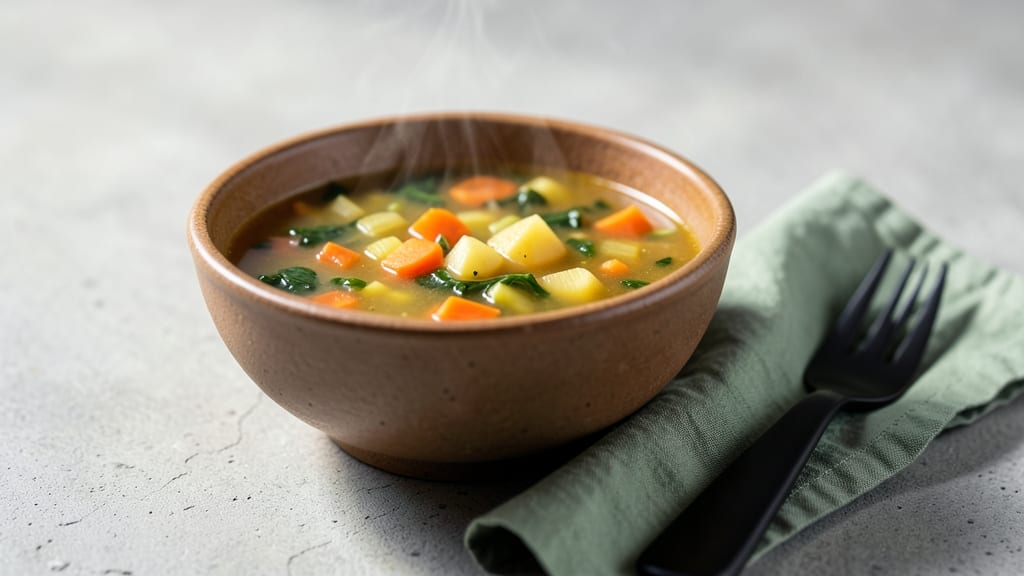
Betty Crocker's vegetable soup recipe delivers the kind of hearty comfort that transforms simple ingredients into a bowl of warmth. ✨ This classic soup packs hidden veggie power while keeping the creamy, satisfying texture that makes it a pantry staple for busy weeknights.
The secret lies in balancing fresh vegetables with rich broth and a touch of creaminess—whether you prefer a lighter broth or velvety texture. With just 30 minutes of active prep and 20 minutes of simmering, this recipe proves hearty meals don’t require complicated techniques.
The key is proper sautéing to develop flavors before adding liquids, ensuring every spoonful tastes like home.
What you’ll end up with is a restorative soup that’s perfect for chilly evenings or quick lunches. The vegetables soften just enough to release their natural sweetness, while the seasoning creates depth that lingers. It’s the kind of dish that disappears faster than you can say "second bowl."
Best of all, this recipe scales easily—double it for a crowd or halve it for leftovers. Whether you’re feeding a family or meal prepping for the week, the result is always comforting and full of hidden nutrition. Let’s get cooking!
Ingredients for betty crocker vegetable soup
Classic pantry staples meet fresh vegetables for a soup that’s both comforting and nutritious.
| Ingredient | Amount | Notes |
|---|---|---|
| Chicken Broth 💧 | 6 cups | Low-sodium preferred for balance |
| Yellow Onion 🧅 | 1 whole | Medium-sized, diced finely |
| Carrots 🥕 | 3 medium | Peeled, cut into chunks |
| Celery Stalks 🧄 | 3 whole | Trimmed, cut into 1/2-inch pieces |
| Russet Potatoes 🥔 | 2 medium | Peeled, cubed into 1-inch pieces |
| Fresh Parsley 🌿 | ¼ cup | Chopped, for garnish |
| Cream of Chicken Soup 🥣 | 2 cups | Condensed, unsalted preferred |
| Heavy Cream 🥛 | ½ cup | Full-fat for richness |
| Butter 🧈 | 2 tbsp | Unsalted, for sautéing |
| Garlic Cloves 🧄 | 3 cloves | Minced, for depth |
| Salt 🧂 | 1 tsp | Kosher or sea salt |
| Black Pepper 🌶️ | ½ tsp | Freshly ground preferred |
| Dried Thyme 🌿 | ½ tsp | Or 1 tsp fresh thyme |
| Green Bell Pepper 🌶️ | 1 whole | Medium, diced |
| Tomato Paste 🍅 | 1 tbsp | For umami depth |
The broth is the foundation—low-sodium chicken broth ensures you control the seasoning, while Swanson or Pacific Foods brands deliver consistent quality. Fresh vegetables like organic carrots and celery from the produce section add natural sweetness and texture. For the potatoes, Russet varieties hold their shape best during cooking, but Yukon Golds add creaminess if you prefer. The green bell pepper adds a subtle crunch and vibrant color, so grab one with firm skin and no soft spots. Fresh thyme from the herb section elevates the flavor profile beyond basic seasoning.
No fresh thyme? Dried thyme at half the amount works perfectly—just make sure it’s labeled as culinary grade. Substitute the green bell pepper with zucchini or yellow squash if you’re out, though the flavor will differ slightly. For a lighter version, reduce the heavy cream to 2 tbsp and add 2 tbsp milk. The tomato paste can be skipped if you dislike its intensity, but it deepens the soup’s umami character. Pre-minced garlic from the jar is convenient, but freshly minced garlic cloves add a more robust flavor. If using canned soup, opt for low-sodium versions to avoid over-salting.
This soup reheats beautifully—simmer on the stove for 5-7 minutes until heated through, stirring occasionally to prevent scorching. Store in an airtight container in the fridge for up to 5 days, though the flavors deepen overnight. For freezing, portion into single-serving containers and freeze for up to 3 months. The creaminess may separate slightly when reheated, so stir vigorously or microwave for 1 minute to restore texture. Garnish with fresh parsley just before serving to brighten the dish.
Why You'll Love This Recipe
- No Chop, No Stress: I’ve got three kids, and you know what? Even they can prep this soup. Just dice the onion and bell pepper—no fancy knife skills needed—and toss everything in. The rest is simmering while you load the dishwasher or scroll through memes. That 5-6 minute sauté is the only active time, and honestly, it’s worth it for the payoff.
- Umami Magic: That tomato paste? Game-changer. It’s like the secret handshake for flavor—just 1 tablespoon, stirred in with the garlic, and suddenly your soup isn’t just veggies in broth. It’s got depth, richness, and a little something that makes you go “Wait, why does this taste so good?” The heavy cream and cream of chicken soup round it out, so it’s creamy without being heavy. Trust me, the first bite will have you saying, “Yes, please.”
- Leftovers? More Like Leftovers Again: This soup tastes even better the next day. I swear. The flavors meld overnight, and suddenly you’ve got a free lunch for three days. Freeze portions for those days when you’re too tired to cook, or pack it in lunchboxes for your kids (or coworkers—no judgment). And because it’s budget-friendly—cheap veggies, pantry staples, and minimal waste—it’s the kind of meal that won’t break the bank or your will to live after grocery shopping.
- Weeknight Hero: Between work, errands, and pretending to have a social life, I need recipes that don’t require a PhD in cooking. This soup? One pot, 30 minutes max, and it’s on the table. The russet potatoes soak up the broth perfectly, the celery and carrots add texture, and the thyme keeps it from tasting like sad vegetables. Serve it with crusty bread, and you’ve got a meal that feels fancy but takes no effort. Perfect for nights when you’d rather binge a show than stand over a hot stove.
Step-by-step instructions for betty Crocker-inspired vegetable soup
Here's the method—simple yet sophisticated, delivering restaurant-quality vegetable soup with minimal effort.
🍳 Step 1: Sauté the Aromatic Base
Melt the 2 tbsp butter in a large pot over medium heat. Add the 1 diced yellow onion, 3 chopped carrots, 3 celery stalks, and 1 green bell pepper. Cook for 5-6 minutes until the vegetables soften and the onion becomes translucent.
Here's the thing—don't rush this step. You're building flavor here, not just cooking vegetables. Add the 3 minced garlic cloves and 1 tbsp tomato paste, stirring for 1 minute until fragrant. The tomato paste will deepen the umami, giving your soup that professional touch.
🥘 Step 2: Build the Vegetable Foundation
Add the 2 cubed russet potatoes and pour in the 6 cups chicken broth. Bring to a boil, then reduce heat to medium-low and let it simmer for 15 minutes. You'll notice the potatoes softening and the vegetables melding together—this is when the soup starts to develop its hearty character.
Stir in the 2 cups cream of chicken soup and ½ tsp dried thyme at this stage. The cream of chicken soup adds richness while keeping the soup light enough for comfort food. Let the mixture simmer for another 10 minutes, stirring occasionally. The soup should be thick enough to coat the back of a spoon but still have a pleasant consistency.
🍳 Step 3: Finish with Cream and Seasoning
Reduce heat to low and gently stir in the ½ cup heavy cream. This is where the soup transforms from hearty to luxurious. Add the 1 tsp salt and ½ tsp black pepper, adjusting to taste. Remember, the cream of chicken soup already contains some salt, so taste before adding more.
Simmer for 5 minutes more, just until the cream is fully incorporated and the soup reaches a silky texture. The reason we use low heat here is to prevent the cream from curdling. You want it smooth and velvety, not broken or grainy.
⏰ Step 4: Garnish and Serve Warm
Remove the pot from heat and let the soup rest for 5 minutes. This resting period allows flavors to meld completely. Ladle the soup into bowls and garnish with the ¼ cup chopped fresh parsley. The parsley adds a fresh, bright contrast to the rich, creamy soup.
Serve immediately while warm. This soup is designed for comfort—thick enough to satisfy, light enough to enjoy without heaviness. The combination of creamy texture, hearty vegetables, and subtle tomato depth makes it perfect for chilly days or as a cozy meal any time of year.
Pro Tips For Making Betty Crocker Vegetable Soup
- Sweat the Onions: I learned this the hard way—skipping the full 5-6 minutes for the onions means you’ll taste raw, sharp edges in your soup. The goal is translucent, not browned, but if they’re still crisp after that time, crank the heat a notch and give them another minute. That’s where the sweetness comes from.
- Dice Potatoes Uniformly: Cut those russet potatoes into exactly 1-inch cubes—no smaller, no larger. I used to eyeball it, and some pieces would turn to mush while others stayed rock-hard. Uniform size means even cooking, so every bite has that perfect creamy texture when the soup thickens.
- Whisk in the Cream Slowly: When you add the ½ cup heavy cream, don’t dump it in all at once. Stir in a little at a time while keeping the heat low. I’ve seen people rush this, and the next thing you know, you’ve got a broken, grainy mess instead of that silky finish. Patience here makes all the difference.
- Salt the Broth First: Taste that chicken broth before you add the potatoes—it’s probably bland. Add a pinch of salt (even if it’s low-sodium) right when you pour it in. The cream of chicken soup and heavy cream will add richness, but you’ll regret it if you realize the base is flat later. Trust me, your soup will thank you.
Storing and reheating your betty crocker vegetable soup
Fridge Storage Tips
Let your soup cool for no more than 2 hours before transferring to airtight glass containers—I use Pyrex with snap-on lids for best results. Store at 40°F or below and enjoy within 5 days.
The flavors actually improve overnight as the spices meld together, making it perfect for meal prep. ❄️
Freezing for Later
For longer storage, portion the soup into quart-sized freezer bags or single-serve containers before freezing. Leave 1 inch of headspace to prevent expansion cracks. Label each bag with the date—this soup stays great for up to 3 months without quality loss.
I always freeze before adding fresh parsley to avoid sogginess.
Reheating on the Stove
This is my preferred method because it maintains the best texture. Pour soup into a heavy-bottomed pot and add ¼ cup water or broth to prevent sticking. Heat over medium-low for 10-15 minutes, stirring occasionally. Taste before adding more salt—the cream often needs a pinch after reheating. 🔥
Microwave Revival
For quick lunches, use a microwave-safe bowl and cover loosely with a damp paper towel. Heat on 70% power for 2-3 minutes, stirring halfway. If too thick, add 1-2 tbsp water to restore silky texture. The parsley can be added fresh after reheating for maximum brightness.
Texture Troubleshooting
If your soup separates after reheating, whisk vigorously or blend briefly with an immersion blender. For a smoother finish, stir in 1 tbsp cold water while heating. The cream should always be velvety—not grainy or curdled. This simple fix restores that restaurant-quality texture in minutes.
Garnish Refreshers
Never reheat fresh parsley—it wilts and loses flavor. Instead, garnish bowls just before serving with ¼ cup chopped fresh parsley for that vibrant pop of color. I also like adding a drizzle of olive oil and a sprinkle of red pepper flakes for extra dimension.
The contrast makes every spoonful feel special. ✨
Nutrition facts
Frequently asked questions
Why does this vegetable soup recipe use both cream of chicken soup and heavy cream?
The cream of chicken soup adds richness and body while keeping the soup light, while the ½ cup heavy cream at the end enhances creaminess and velvety texture. Together, they create a luxurious mouthfeel without making it overly heavy. The combo balances depth and silkiness perfectly!
Can I make this soup vegetarian?
Yes! Replace the 6 cups chicken broth with vegetable broth and swap the cream of chicken soup for vegetable-based cream soup. The rest of the recipe remains the same, keeping all the hearty, creamy goodness. The flavor stays rich and satisfying!
What’s the best way to prevent the soup from separating when reheating?
Stir in 1 tbsp cold water while reheating on the stove, or use an immersion blender to gently blend the soup. Adding ¼ cup broth before reheating also helps maintain the silky texture. Avoid high heat to prevent curdling!
How do I adjust the seasoning if the cream of chicken soup is already salty?
Taste before adding your 1 tsp salt—the cream of chicken soup often contains salt. If needed, reduce the salt by ½ tsp and add extra black pepper or dried thyme for depth. The tomato paste also adds umami to balance flavors!
Can I use frozen vegetables instead of fresh?
Yes! Frozen carrots, celery, and bell peppers work well—just thaw them first. Skip the green bell pepper if using frozen mixes, as texture may differ. The soup will still be flavorful and creamy!