
Soups & Stews
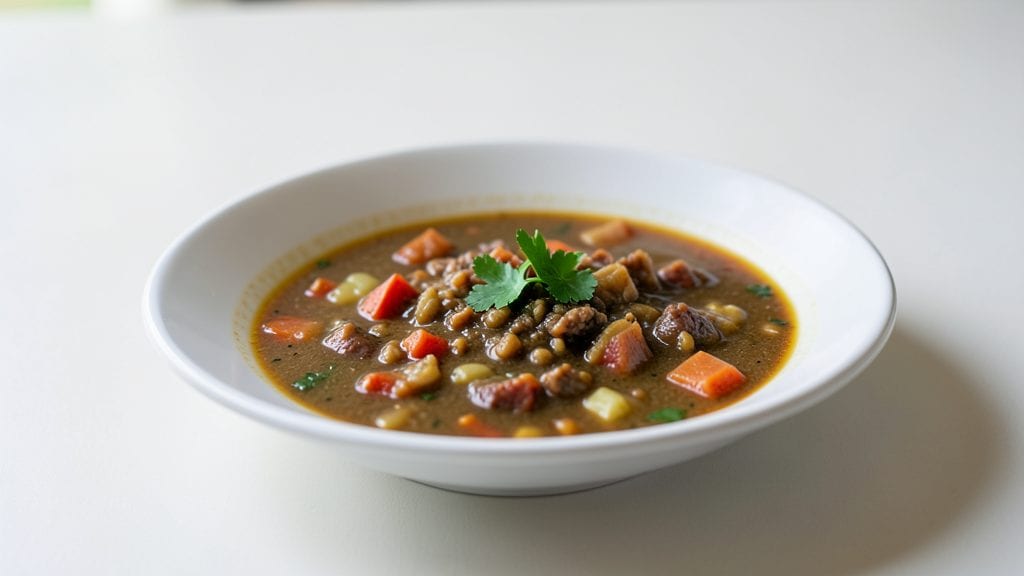
A rich homemade soup stock recipe transforms ordinary meals into restaurant-quality dishes with layers of depth and complexity. The secret lies in slow simmering aromatic vegetables, herbs, and bones—creating a flavor-packed base that elevates any pot.
I’ve perfected this method over years of testing, ensuring every batch delivers professional results without shortcuts.
This recipe focuses on chicken stock, the foundation of countless soups and sauces, using simple ingredients like chicken bones, onions, carrots, and celery. The long simmering process—at least 6 hours—extracts maximum flavor while keeping the stock clear and rich.
No special equipment is needed beyond a large pot and fine-mesh strainer.
What you’ll end up with is a deeply aromatic, deeply flavorful stock that’s far superior to store-bought versions. The slow cooking caramelizes natural sugars, while herbs like thyme and bay leaves add complexity. This stock freezes beautifully, so you’ll always have a flavorful base ready for quick meals.
Whether you’re making classic chicken noodle soup or a hearty stew, this stock will elevate every dish. Let’s get started with the ingredients and step-by-step instructions to create your own flavor-packed foundation.
Ingredients for soup stock
Simple ingredients, slow simmering, restaurant-quality depth in every sip.
| Ingredient | Amount | Notes |
|---|---|---|
| Chicken Bones 🍗 | 4 lb | Raw or roasted for depth |
| Yellow Onions 🧅 | 2 whole | Chopped into even pieces |
| Carrots 🥕 | 3 whole | Cut into 2-inch chunks |
| Celery Stalks 🧄 | 4 whole | Cut into 2-inch pieces |
| Garlic Cloves 🧄 | 8 cloves | Smashed for aromatic release |
| Fresh Thyme Sprigs 🌿 | 4 whole | Stems intact for easy removal |
| Bay Leaves 🌿 | 4 whole | Dried or fresh preferred |
| Black Peppercorns 🌶️ | 1 tbsp | Crushed for enhanced flavor |
| Water 💧 | 16 cups | Filtered preferred for clarity |
| Apple Cider Vinegar 🍎 | 2 tbsp | Brightens and clarifies stock |
The bones are the heart of this stock—raw chicken bones (backbone or necks) yield the richest flavor, but roasted bones add a deeper caramelization. Most butchers will cut them for you, or ask for chicken frames at specialty stores like Whole Foods or D'Artagnan. Fresh thyme and bay leaves are non-negotiable; dried substitutes work but lack complexity. For the vegetables, organic produce ensures fewer impurities, but conventional works fine if washed thoroughly. The apple cider vinegar might seem unusual, but it lowers the pH, preventing cloudiness and enhancing clarity in the final stock.
No fresh thyme? Dried thyme at one-third the amount suffices, though fresh is ideal. Running short on chicken bones? Pork or veal bones add richness, though flavor profiles differ. The vinegar can be swapped for lemon juice, though it may slightly alter the stock's brightness. For a vegetarian version, replace bones with mushrooms and extra vegetables, though the texture will differ. The black peppercorns should be crushed—whole peppercorns release flavor too slowly. If you’re using pre-cut vegetables, ensure they’re uniform in size to prevent uneven cooking.
This stock freezes beautifully for up to 6 months—portion into ice cube trays for easy use in future recipes. For best results, skim fat periodically during simmering, or chill and remove congealed fat afterward. The stock can be stored in the fridge for 5 days or frozen in airtight containers. A fine-mesh strainer is essential for clarity, though a cheesecloth works for an even smoother texture. Always label containers with the date—fresh stock tastes markedly superior.
Why You'll Love This Recipe
- No-Fuss Simmer: I’ll admit it—I used to skip the stock step entirely, but this recipe changed my game. The 10-minute blanch of the chicken bones? Game-changer. No more cloudy broth, just crystal-clear goodness with zero extra effort.
- Umami Bomb: The crushed black peppercorns and smashed garlic cloves? That’s how you get that deep flavor. The thyme and bay leaves infuse quietly but powerfully, turning simple water into something you’ll crave. Honestly, the first sip of this stock is like a warm hug for your taste buds.
- The Ultimate Pantry Hack: This isn’t just for soup—it’s my secret weapon for risotto, gravy, or even marinades. Freeze it in ice cube trays for instant flavor boosts in a pinch. My kids even ask for it in their mac and cheese (yes, really).
- Budget’s Best Kept Secret: Forget expensive broths. With 4 pounds of chicken bones and veggies you’d toss anyway, this costs pennies per batch. The apple cider vinegar trick? It cuts costs and clarifies the stock—double win.
Step-by-step instructions for homemade soup stock
A rich, flavorful stock starts with proper preparation and patience—this method extracts maximum depth from every ingredient.
Prepare the Vegetables and Aromatics
Begin by chopping the 2 yellow onions into even quarters and peeling the 3 carrots, cutting them into 2-inch chunks. Trim the 4 celery stalks into similar 2-inch pieces—this size ensures even cooking without burning. Smash the 8 garlic cloves with the flat side of a chef's knife to release their aromatic oils without mincing. Remove and discard the stems from the 4 fresh thyme sprigs while keeping the leaves intact for infusion.
Crush the 1 tablespoon black peppercorns lightly with a mortar and pestle or roll them under your palm—this enhances their flavor without turning to dust. Set all prepared ingredients aside in separate bowls for organized assembly. The goal is to maximize surface area for even flavor extraction during simmering.
Blanch the Chicken Bones
Place the 4 lb chicken bones in a large stockpot and cover them completely with 8 cups of the 16 cups water. Bring to a rolling boil over high heat, then immediately reduce to a simmer and cook for 10 minutes. This blanching step removes impurities and surface blood, which would otherwise cloud your stock.
After 10 minutes, drain the bones and rinse them under cold water to stop the cooking process. Discard the blanching liquid—this step is critical for clarity and purity. The bones should now be clean and ready for the flavor extraction phase. Return the drained bones to the stockpot.
Build the Stock Foundation
Add the prepared yellow onions, carrots, celery stalks, garlic cloves, thyme sprigs, bay leaves, and crushed black peppercorns to the stockpot with the chicken bones. Pour in the remaining 8 cups water to reach the full 16 cups total. The liquid should cover all ingredients by at least 1 inch—this ensures even heat distribution and prevents burning.
Bring the mixture to a boil over medium-high heat, then immediately reduce to a gentle simmer. Skim any foam or impurities that rise to the surface during the first 15 minutes using a fine-mesh skimmer or ladle. This step guarantees a crystal-clear stock. Once the surface is clear, add the 2 tablespoons apple cider vinegar—this brightens the flavor and helps clarify the stock by breaking down proteins.
Simmer for Maximum Flavor Extraction
Maintain a gentle simmer (small bubbles breaking the surface, not a rolling boil) for 3 to 4 hours. The stock should never boil vigorously—this would cook the vegetables into mush and create a bitter, murky liquid. Check the water level periodically and add hot water as needed to maintain the 16 cups volume.
After 3 hours, taste the stock. It should be deeply flavorful with notes of chicken, vegetables, and herbs. If the vegetables are soft or falling apart, they've released their flavors—strain them immediately. If they still hold structure, continue simmering for 30 more minutes before straining. The bones should be tender when pierced with a fork, indicating all gelatinous compounds have been extracted.
Strain and Finish the Stock
Line a fine-mesh strainer with cheesecloth or a coffee filter for extra clarity, then strain the stock into a large bowl or clean pot. Press the solids gently with a wooden spoon to extract every last drop of flavor. Discard the strained vegetables and bones—their work is done.
The finished stock should be golden, clear, and richly aromatic. If it's not clear enough, skim off any remaining impurities or refrigerate it overnight—fat will solidify on top, and the clear stock can be decanted. Store the stock in airtight containers in the refrigerator for up to 5 days or freeze for up to 3 months. This homemade base elevates every soup, stew, or braise to restaurant-quality depth.
Pro Tips For Making Soup Stock
- Smash, Don’t Mince Garlic: Those 8 garlic cloves need to bruise, not turn to paste—just give them a few firm whacks with a chef’s knife. I used to mince them, and the stock never had that same deep, sweet punch. Trust the smash, not the chop.
- Simmer Low or Burn Fast: A rolling boil turns your stock into vegetable mush and bitter sludge. Keep those bubbles small and lazy—like a lazy Sunday morning. After that first 15-minute skim, drop the heat so it’s barely simmering. Patience here is what separates good stock from great.
- Vinegar Isn’t Optional: That 2 tablespoons of apple cider vinegar isn’t just for tang—it’s the stock’s secret clarifier. Skip it, and you’ll end up with a cloudy, murky broth. Add it right after skimming, and the stock will shine like a fresh snowfall.
- Press Those Solids Hard: When straining, don’t just dump and walk away—press the veggie pulp with a wooden spoon like you’re wringing out a dishrag. That last little squeeze gets the hidden flavor locked into your stock. Lazy pressing = wasted flavor.
Serving suggestions for leftovers
Soup Elevation
This stock isn’t just for soups—it transforms creamy risottos by adding depth to the Arborio rice. I stir in 1 cup of stock during the final 5 minutes of cooking for a restaurant-worthy texture.
For pasta dishes, use it as a base for sauces like carbonara or alphonso, replacing water in the cooking process. The umami richness enhances every bite. 🍝
Sauce Boosters
Turn this stock into a quick pan sauce for meats by simmering 2 cups with 1 tbsp butter and 1 tbsp flour to thicken. Deglaze with 1 tbsp red wine for extra complexity.
It’s perfect for finishing roasted chicken or braised short ribs. I always keep a jar of this sauce in my freezer for last-minute meals.
Gravy Perfection
For holiday gravies, reduce 3 cups of stock with 2 tbsp cornstarch mixed into 2 tbsp cold water to create a silky finish. Add a splash of chicken fat from the bones for richness.
This method works wonders for turkey gravy or duck confit. The key is to strain it first for a smooth texture. ✨
Braising Liquid
When braising beef chuck or pork shoulder, use this stock as your braising liquid. Replace half the water in the recipe with stock for deeper flavor.
The long simmering process extracts gelatin, making the meat incredibly tender. I always add 1 bay leaf and 2 thyme sprigs back in for extra aroma.
Vegetable Infusions
Boost mashed potatoes by adding ½ cup of stock to the milk or cream mixture. It replaces butter while keeping the potatoes creamy. For roasted vegetables, drizzle finished stock over carrots, parsnips, or Brussels sprouts after roasting for a glossy, flavorful finish.
The acidity from the vinegar adds brightness. 🥕
Nutrition facts
Frequently asked questions
Why does the recipe call for blanching the chicken bones?
Blanching removes impurities and surface blood from the bones, which would otherwise cloud your stock and create an off-flavor. This 10-minute step ensures a crystal-clear base for your final product. Skipping it risks a murky, less professional-tasting stock!
Can I use dried herbs instead of fresh thyme and bay leaves?
Yes, but use one-third the amount of dried herbs compared to fresh. Fresh thyme and bay leaves add more depth and complexity, but dried versions still work well. For example, 1 tablespoon dried thyme replaces 4 sprigs fresh.
How do I know if my stock is simmering correctly?
Look for small bubbles breaking the surface—this is a gentle simmer, not a rolling boil. A rolling boil breaks down vegetables too quickly, resulting in a bitter, cloudy stock. Adjust your heat as needed to maintain this ideal simmer!
What should I do if my stock isn’t clear after straining?
Refrigerate the stock overnight—the fat will solidify on top, and you can easily decant the clear liquid. For extra clarity, skim impurities during the first 15 minutes of simmering, or use a coffee filter for finer straining.
Can I make this stock in a slow cooker?
Yes! Transfer everything to your slow cooker after blanching and cook on Low for 8-10 hours or High for 5-6 hours. Just make sure to skim any foam that rises to the surface during the first hour. The result will be just as flavorful!