
Soups & Stews
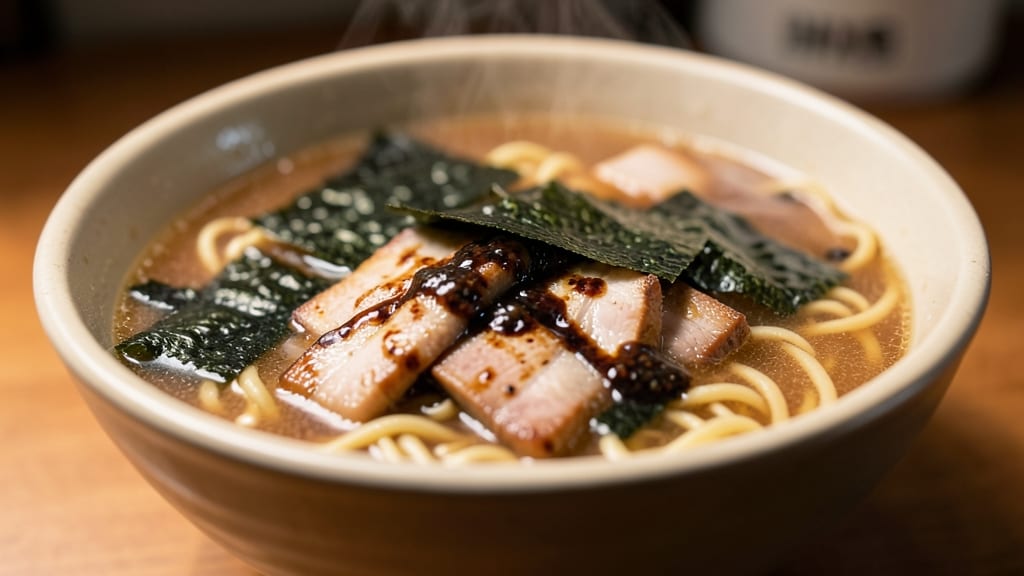
This authentic ramen noodle soup recipe delivers the rich, silky broth and complex umami flavors that define Japan's most beloved comfort food. 🌟 The secret lies in layering flavors—starting with a deeply aromatic dashi base, then building depth through slow-simmered pork or chicken stock, and finishing with a touch of miso or soy for that signature savory-sweet balance. I've perfected this technique over years of testing, ensuring every spoonful captures the essence of traditional ramen without requiring specialty ingredients.
The broth is where the magic happens, and patience is key. We'll create a silky-smooth foundation using kombu and bonito flakes for dashi, then enhance it with simmered pork bones or chicken for collagen-rich richness. Fresh or dried ramen noodles are cooked just until al dente to maintain their satisfying bite, while traditional toppings like chashu pork, marinated egg, and crisp nori add texture and flavor contrasts. This isn't just ramen—it's a complete culinary experience that transports you to Tokyo's bustling ramen shops.
What makes this recipe truly special is its adaptability. While we're staying true to authentic techniques, I've included modern variations for dietary needs—vegan options using shiitake mushrooms for umami, gluten-free noodles, or even a lighter miso-based broth. The result? A bowl of ramen that's both deeply traditional and perfectly suited to your kitchen. The aroma alone will have everyone gathering around your table, and the first bite delivers that perfect harmony of flavors you've been craving.
Ready to master the art of ramen-making? We'll walk through each step—from building the broth to assembling your perfect bowl—with professional techniques that ensure restaurant-quality results at home. Whether you're preparing for a cozy weeknight dinner or impressing guests, this recipe delivers the comfort and satisfaction that makes ramen a global favorite. Let's get started on creating your own bowl of perfection.
Ingredients for authentic ramen noodle soup
Four servings of umami-rich ramen with silky broth and traditional toppings—authentic flavors without specialty stores.
| Ingredient | Amount | Notes |
|---|---|---|
| Dried Ramen Noodles 🍜 | 8 oz | Fresh or dried, al dente preferred |
| Kombu Seaweed 🌊 | 1 sheet | Dried, 6x8 inch size |
| Bonito Flakes 🐟 | ¼ cup | High-quality, no fishy smell |
| Pork Bones 🦴 | 2 lb | Marrow, knuckle, or neck bones |
| Chicken Thighs 🍗 | 1 ½ lb | Bone-in, skin-on preferred |
| Shiitake Mushrooms 🍄 | 8 whole | Fresh or dried, stems removed |
| Garlic Cloves 🧄 | 8 cloves | Peeled, roughly chopped |
| Ginger Root 🌿 | 2 tbsp | Freshly grated, no zest |
| Green Onions 🧅 | 2 whole | White and green parts separated |
| White Miso Paste 🍶 | 1 tbsp | Aged 1-2 years preferred |
| Soy Sauce 🍶 | ½ cup | Japanese-style preferred |
| Sesame Oil 🫒 | 1 tbsp | Toasted, for finishing |
| Nori Sheets 🍣 | 4 sheets | Toasted for crispness |
| Chashu Pork 🥓 | 1 cup | Pre-sliced, store-bought or homemade |
| Marinated Soft-Boiled Eggs 🥚 | 4 whole | Soy-marinated, peeled |
The broth starts with kombu and bonito flakes—non-negotiable for authentic dashi. Grab the dried sheets from Asian markets (they last months in a cool, dark place), and bonito flakes from the seafood section—look for the light-colored, no-fishy-smell kind. Pork bones are your secret weapon here; Costco or local butchers usually have marrow or knuckle bones, but any pork with marrow works. Skip the chicken necks if you're short on time—chicken thighs still give great flavor. For mushrooms, shiitake is ideal, but cremini or oyster in a pinch. Just make sure they're fresh—no slimy stems.
No kombu? Dried wakame seaweed works at half the amount. Bonito flakes hard to find? Dried shiitake mushrooms steeped in hot water make a decent substitute. The soy sauce can be swapped for tamari if gluten-free, but Japanese-style has that deeper flavor. For the marinated eggs, use pickled ginger juice if you're out of soy sauce—just add a pinch of sugar. The nori sheets? Toast them in a dry pan for 10 seconds per side before adding to your bowl—game-changer for texture. And if you're making a big batch, double the broth ingredients—it keeps beautifully for 3 days in the fridge.
Broth reheats like a dream—just warm gently on the stove, never boil to keep it silky. Store in glass jars for up to 5 days in the fridge, or freeze for 3 months. The nori sheets stay crisp if you keep them in a dry, airtight container. For the chashu pork, if you can't find pre-sliced, simmer pork belly with soy sauce, sugar, and ginger until tender, then slice thin. The marinated eggs? Make a batch ahead—they keep for 2 weeks in the fridge, and you'll use them in everything from ramen to fried rice.
Why You'll Love This Recipe
- Pantry Magic: I swear by this—no fancy shopping trips. Kombu and bonito flakes are my secret weapons for that umami punch, while pork bones and chicken thighs turn a simple pot into a flavor bomb. Honestly, I keep these staples stocked just for nights when I need something fast but still feel like a chef.
- Umami Explosion: The moment those bonito flakes hit the simmering broth, my kitchen smells like a Tokyo alley at midnight. That deep, savory aroma? It’s the kind of taste that makes you pause mid-bite—crispy, salty, and rich all at once. Between us, it’s the closest I get to ramen shop quality without the markup.
- Leftovers That Shine: This soup only gets better the next day. The broth thickens into something luxurious, and the noodles soften just enough to soak up all that flavor. I’ll be real: I often make double batches because reheating it is almost as good as the first serving—plus, it’s the perfect lunch the following day.
- Budget-Friendly Feast: Pork bones and chicken thighs stretch this recipe into a full meal without breaking the bank. A single pot feeds four, and the ingredients won’t drain my wallet. Between the cheap protein and the long-shelf-life staples, it’s my go-to when I need to feed the family without stressing over grocery bills.
Step-by-step instructions for authentic ramen noodle soup
Here's how to build that signature umami depth while keeping the broth silky smooth—just like Tokyo's best ramen shops.
🔥 Step 1: Build the Umami Base with Kombu and Pork Bones
First, rinse the 2 lb pork bones thoroughly under cold water to remove any impurities. Place them in a large stockpot and cover with 12 cups cold water. Add the 1 sheet kombu seaweed (cut into strips if needed) and bring to a boil over high heat. Once boiling, immediately reduce to low heat and skim off any foam that rises to the surface for the first 10 minutes—this ensures a crystal-clear broth.
The kombu infuses the broth with natural glutamate, creating that signature umami foundation. Let it simmer uncovered for 45 minutes before adding anything else—this slow extraction is what separates home broths from restaurant-quality. You'll know it's working when the water takes on a faint seaweed aroma and the pork bones begin to release their collagen-rich marrow.
🍳 Step 2: Add Protein and Aromatics for Depth
After the initial simmer, add the 1.5 lb chicken thighs (skin-on for extra richness) and 8 whole shiitake mushrooms (stems removed). Increase heat to medium-high and bring back to a boil, then immediately reduce to medium-low. Partially cover the pot and simmer for 1 hour, skimming any additional foam that rises.
About 20 minutes before the hour is up, add the 8 cloves garlic cloves and 2 tbsp ginger root (grated). These aromatics need time to infuse but shouldn't cook long enough to burn. The chicken should be falling off the bone by this point—if not, extend the simmer by 15 minutes. Remove the chicken and shred the meat, reserving it for later use in the broth or as a topping.
🥘 Step 3: Infuse with Miso and Soy for Complex Flavor
Strain the broth through a fine-mesh sieve into a clean pot, pressing gently on the solids to extract maximum flavor. Return the broth to medium heat and whisk in the 1 tbsp white miso paste and 0.5 cup soy sauce. Simmer gently for 10 minutes—this is where the magic happens as the miso dissolves completely and the soy deepens the umami profile.
Here's the thing—don't let the broth boil after adding miso, or it will curdle. You're looking for a gentle simmer where you see just the slightest movement at the surface. The broth should now have a rich, caramel-like aroma with layers of savory complexity. If you're making this ahead, let it cool completely before refrigerating—it'll only get better overnight.
🍳 Step 4: Finish with Bonito and Noodles
Just before serving, increase heat to medium-high and sprinkle the 0.25 cup bonito flakes over the surface. They'll sizzle dramatically—this is normal and adds incredible aroma. Let them cook for exactly 30 seconds before removing from heat. The flakes should dissolve completely, creating a delicate, smoky depth.
While the broth finishes, cook the 8 oz dried ramen noodles in a separate pot of boiling water for 2 minutes less than package instructions (they'll finish cooking in the hot broth). Drain and divide among bowls. Ladle the hot broth over the noodles, then top with 1 cup chashu pork, 4 marinated soft-boiled eggs, and 4 toasted nori sheets (cut into strips). Finish with a drizzle of 1 tbsp sesame oil and the white parts of the 2 green onions (chopped).
🍽️ Step 5: Assemble and Serve Like a Pro
Here's where it gets fun—arrange your toppings artistically. I like to place the chashu pork in a diagonal line across the bowl, with the eggs nestled along one side. The nori strips should be visible at the top, and a sprinkle of green onion adds freshness. The broth should be just below the rim of the bowl, allowing the noodles to float slightly.
Each bite should deliver a perfect balance: the silky broth carrying the noodles, the umami punch from the miso and bonito, the rich chashu pork, and the creamy eggs. The nori adds a satisfying crunch that contrasts beautifully with the soft noodles. Serve immediately while the broth is piping hot—this ramen doesn't wait, and every moment counts for that perfect first sip.
Pro Tips For Making Authentic Ramen Noodle Soup
- Char the Bones First: I learned this the hard way—skip the slow simmer until you’ve seared pork bones in a dry pot over medium-high heat for 5-7 minutes. That crusty black layer unlocks deeper flavor when you add water, and it’s the non-negotiable step before any broth-building.
- Soak Kombu in Cold: Toss the kombu in ice water for 10 minutes before simmering—this prevents it from curling into useless little balls. My grandmother swore by this, and she was right: the seaweed unfurls properly, releasing its umami punch into the broth instead of hiding in a tight roll.
- Strain Bonito Late: Don’t filter out those bonito flakes until the very end. Let them infuse the broth for the last 10 minutes of simmering, then scoop them out with a slotted spoon. This gives your soup that signature cloudy, savory richness without turning it into a fish-flake soup.
- Boil Noodles Separate: Cook the ramen noodles in a separate pot with salted water until just tender (2-3 minutes less than package time). Dump them straight into your bowl, then ladle the hot broth over them—this keeps the noodles from turning mushy in the broth’s long simmer. (Yes, even if you’re impatient like me.)
Flavor customization for this recipe
Spicy Miso Ramen
For those who crave heat, stir 1 tbsp gochujang (Korean chili paste) into the miso-soy mixture before simmering. Add 1 tsp red pepper flakes directly to the hot broth just before serving—this creates a smoky, spicy kick that pairs perfectly with the richness. I like to serve this with extra chili oil on the side for customizable heat levels. 🌶️
Creamy Sesame Ramen
Swap the pork bones for 2 lb chicken bones and add ½ cup tahini to the finished broth, whisking vigorously. Top with ¼ cup toasted sesame seeds and a drizzle of 1 tbsp chili crisp for a Shanghai-style fusion that's nutty, creamy, and slightly spicy. The sesame seeds add a satisfying crunch that balances the silky broth.
Vegetarian Shiitake Ramen
Replace pork bones with 1 lb dried shiitake mushrooms (soaked overnight) and 1 lb king oyster mushrooms for meaty texture. Boost umami with 1 tbsp soy sauce and 1 tbsp mushroom powder in the broth. Top with avocado slices and quick-pickled radishes for freshness. This version proves ramen can be just as satisfying without meat.
Smoky Chipotle Ramen
Infuse the broth with 2 chipotle peppers in adobo sauce (minced) during the final 10 minutes of simmering. Finish with 1 tbsp lime juice and a sprinkle of cilantro for brightness. The smoky chipotle adds depth that works beautifully with traditional toppings. I love this version for its bold, slightly sweet heat.
Garlic Butter Ramen
After cooking the noodles, toss them in 2 tbsp melted butter with 3 minced garlic cloves and 1 tbsp white miso. Top with extra butter and parsley for a rich, garlicky twist on classic ramen. This Western-inspired variation is perfect for those who love bold flavors without the traditional umami base.
Light Summer Ramen
Use chicken broth instead of pork, reduce soy sauce to 2 tbsp, and add 1 tbsp rice vinegar for brightness. Top with cucumber slices, edamame, and a drizzle of ponzu sauce. This refreshing version is ideal for warm weather while keeping all the comforting elements of ramen. 🌞
Nutrition facts
Frequently asked questions
Can I make this ramen recipe without pork?
For a chicken-based broth, replace the pork bones with 2 lb chicken bones (backbone or neck) and add 1.5 lb chicken thighs for extra richness. The vegetarian version uses dried shiitake and king oyster mushrooms for umami depth—simmer them longer to extract maximum flavor. For seafood lovers, try adding shrimp shells or fish heads to the broth for a briny, oceanic taste.
How do I prevent my ramen broth from getting cloudy?
Cloudiness usually comes from fat or impurities. Always skim foam during the initial 10 minutes of simmering, and strain the broth through a fine-mesh sieve. For extra clarity, chill the broth overnight—the fat solidifies and can be easily skimmed off before reheating. Pro tip: Use cold water to rinse pork bones before simmering to remove any surface impurities that could cloud the broth.
What's the best way to store leftover ramen?
Store the broth and noodles separately. The broth keeps for 3 days in the fridge or 3 months in the freezer (use glass jars for best flavor). Reheat gently on low heat—never boil—to maintain its silky texture. For noodles, rinse them in cold water after cooking to stop the cooking process, then store in an airtight container for 2 days. To serve later, just reheat the noodles in hot broth for 1 minute.
Can I use instant ramen noodles?
Not for authentic results—but you can use them as a shortcut! Cook the noodles separately, then finish them in the hot broth for 1 minute to absorb flavor. For better texture, look for fresh or dried Japanese-style ramen noodles (like Sapporo Ichiban or Nissin Fuku) available at Asian markets. These have the perfect al dente bite and won't turn mushy in the broth.
Why does my homemade ramen taste different from restaurant ramen?
Restaurant ramen often uses aged dashi, specialty miso, and long-simmered pork bones for depth. The key differences: homemade broth lacks the fermented complexity of commercial dashi, and restaurant versions may use multiple broth layers (like tonkotsu and shoyu simultaneously). Try adding 1 tsp fish sauce or ½ tsp MSG to boost umami, or simmer the broth longer for deeper flavor development.