
Sauces & Condiments
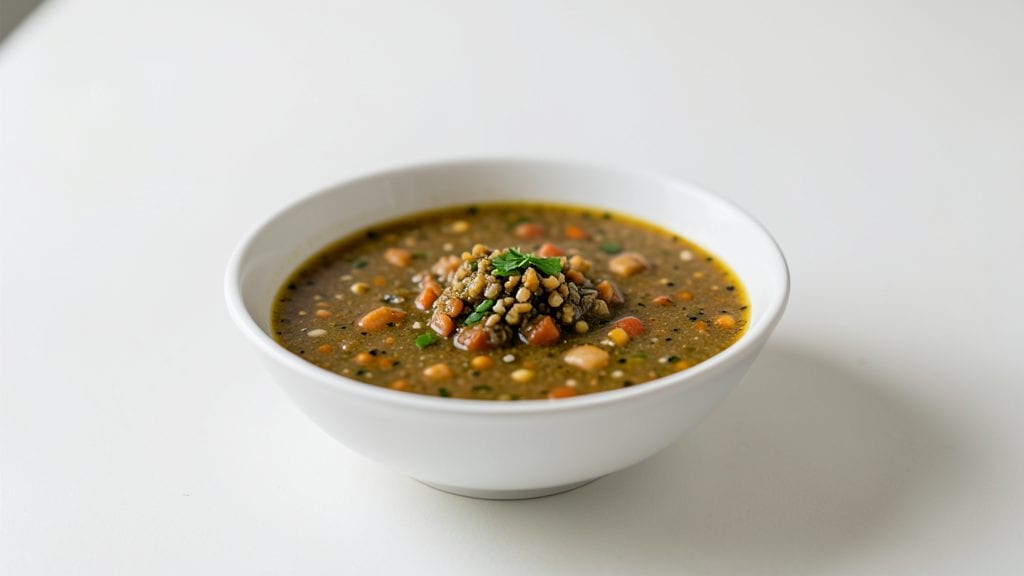
Creating the perfect soup seasoning blend is the secret weapon behind restaurant-quality broths and stews that taste like they simmered for hours. Standing on a step stool in my grandmother’s kitchen in Sicily, I learned how a handful of spices could transform simple ingredients into something extraordinary.
This blend cuts through the effort of balancing flavors—just stir it into your broth, and let the magic happen.
The foundation of this seasoning mix is a precise combination of dried herbs and spices that build depth without overpowering. You’ll need just 1 tablespoon per quart of broth, making it incredibly versatile for vegetable soups, chicken noodle, or even ramen.
The blend includes garlic powder, onion powder, and smoked paprika for that signature umami richness, while dried thyme and bay leaves add warmth and complexity.
What makes this recipe truly foolproof is its adaptability—store it in an airtight container for up to 6 months, and it’ll be ready whenever you need a flavor boost.
For a smoky twist, add an extra ½ teaspoon of smoked paprika, or swap in a pinch of dried oregano for a Mediterranean flair. The possibilities are endless, but the base remains the same: simple, balanced, and impossible to mess up.
Whether you’re prepping a hearty winter stew or a light summer broth, this seasoning blend ensures every spoonful is packed with flavor. It’s the kind of shortcut that actually elevates your cooking—no guesswork, just consistent, professional results. Let’s get started!
Ingredients for soup seasoning
Just 10 spices. Infinite flavor. The secret to restaurant-quality broths in minutes.
| Ingredient | Amount | Notes |
|---|---|---|
| Smoked Paprika 🌶️ | 2 tbsp | High-quality Spanish or Hungarian preferred |
| Garlic Powder 🧄 | 1 ½ tbsp | Freshly ground preferred |
| Onion Powder 🧅 | 1 ½ tbsp | Diamond Crystal kosher preferred |
| Dried Thyme 🌿 | 1 tbsp | French preferred, not orange blossom |
| Bay Leaves 🌿 | 1 tbsp | Crushed for better infusion |
| Dried Oregano 🍃 | 1 tsp | Mexican oregano for authentic flavor |
| Ground Black Pepper 🌶️ | 1 tsp | Freshly cracked preferred |
| Sea Salt 🧂 | 1 tsp | Fine grain, Diamond Crystal preferred |
| Ground Cumin 🌿 | ½ tsp | Toasted for deeper aroma |
| Cayenne Pepper 🔥 | ½ tsp | Adjust for heat preference |
The smoked paprika is non-negotiable—Penzeys Spanish smoked or Hungarian sweet gives that signature depth. I always buy mine in bulk from Whole Foods or Trader Joe's where it stays fresh longer. The garlic and onion powders? Diamond Crystal kosher salt is my go-to for both—it's finer and dissolves better. For the thyme, French thyme (not orange blossom) is the gold standard, but Costco's bulk section has a solid budget option. Bay leaves should be whole and vibrant—discard any that look dull or brittle.
No smoked paprika? Chipotle powder at half the amount works in a pinch. Short on cumin? Ground coriander at the same quantity gives a similar earthiness. The dried oregano can be swapped for dried marjoram, but Mexican oregano is worth hunting down at a Latin market—it's got a completely different profile. For heat, red pepper flakes at double the amount work too, just be warned it's spicier. And if you're making a seafood broth, skip the cayenne entirely—it can overpower delicate flavors.
Store this blend in an airtight glass jar away from light—6-12 months in the pantry, no problem. I like to portion it into small jars so I always have it ready for quick soups. If you're using it for a delicate broth like consommé, cut the amount to ½ teaspoon per quart. For hearty stews? Double it. The beauty is in the flexibility—it's always perfect, no matter what you're cooking.
Why You'll Love This Recipe
- No Chopping Needed: Honestly, this is one of those "just add and stir" recipes. No peeling onions, no mincing garlic—just toss the spices into a bowl, crush those bay leaves between your fingers, and whisk. My hands stay clean while my kitchen smells like a cozy autumn evening.
- Smoky Soulfulness: The smoked paprika and garlic powder give this blend that deep, savory warmth you crave in soups. I’ll be real: that first spoonful into a pot of broth is like a hug for your taste buds. The thyme and bay leaves add layers that make even the simplest vegetable soup feel special.
- One Jar, Endless Uses: This isn’t just for soup—it’s my secret weapon for stews, roasted veggies, even grilled meats. I keep it on my counter because I can’t resist adding it to anything warm. My picky 10-year-old even asks for it in her mac and cheese now.
- Cheap Flavor Boost: For less than the cost of a fancy spice blend at the store, you get a custom seasoning that lasts months. I make a big batch and freeze it in tiny portions—no waste, no excuses. It’s the kind of pantry staple that makes me feel like a budget-savvy chef without the fancy tools.
Step-by-step instructions for crafting a bold soup seasoning base
Here's how to combine these spices into a versatile blend that elevates every broth or stew.
Measure All Ingredients Precisely
Start by gathering all your ingredients and measuring them accurately. I like to use small ramekins or a digital scale for the spices to ensure consistency. Place the 2 tablespoons smoked paprika in a medium mixing bowl—this is your flavor foundation, so don't skimp. Add the 1½ tablespoons garlic powder and 1½ tablespoons onion powder next, as these create that deep, savory backbone.
For the aromatic elements, measure out the 1 tablespoon dried thyme and 1 tablespoon bay leaves. I always crush the bay leaves lightly between my fingers first—this releases their essential oils and maximizes their flavor infusion. Use a mortar and pestle if you have one for even better results.
Combine Dry Ingredients Thoroughly
Add the remaining spices to your bowl: 1 teaspoon dried oregano, 1 teaspoon ground black pepper, 1 teaspoon sea salt, ½ teaspoon ground cumin, and ½ teaspoon cayenne pepper. The cayenne might seem like a small amount, but it builds heat gradually—you can always adjust this later if you prefer more spice.
Use a whisk to combine everything gently at first. Then switch to a fork and mix vigorously for about 1 minute, breaking up any clumps and ensuring even distribution. Here's the thing—proper mixing prevents flavor pockets where some bites might taste stronger than others. You'll know it's well-combined when the mixture looks uniform and no individual spices are visible.
Store for Maximum Freshness
Transfer your finished seasoning blend to an airtight container. I prefer glass jars with tight-sealing lids—they preserve flavor better than plastic. Fill the jar completely to minimize air exposure, which can degrade the spices over time. Label it clearly with the date and contents, because once you start using this, you won't want to stop.
This blend will stay potent for about 3 months when stored in a cool, dark place. For longer storage, freeze portions in ice cube trays—just break off what you need each time. The reason we store it properly is that fresh spices make all the difference in your soups and stews. When you're ready to use it, simply add 1 tablespoon per quart of broth or adjust to taste.
Pro Tips For Making Soup Seasoning
- CRUSH THOSE BAY LEAVES: I learned this the hard way—whole bay leaves just sit there like flavor ghosts. Lightly crush them between your fingers (or smash with a mortar) before adding to the mix. The oils need to break free, or you’ll end up with a subtle hint of herb instead of that deep, earthy punch that makes the whole blend sing.
- WHISK THEN FORK—DON’T SKIP THE SECOND STEP: Start with a whisk to distribute the paprika evenly, but switch to a fork for that final minute of mixing. That vigorous stirring chops up any lingering clumps of thyme or cumin, so every spoonful tastes consistent. I used to rush this, and my first batch had weirdly strong pockets of cayenne—don’t be like me.
- TOAST THE CUMIN FIRST: Skip the pre-ground toasted cumin at the store and toast your own ½ teaspoon in a dry pan for 30 seconds until fragrant. The nutty aroma deepens instantly, and the heat brings out the smoky notes in the paprika. Sounds weird, but it works—your blend will taste like it’s been simmering for hours instead of seconds.
- FILL THAT JAR TO THE TOP: Leave even a little air in your glass jar, and the smoked paprika will lose its vibrancy faster. Pack the blend down firmly so it’s flush with the rim—minimizes oxidation, keeps the cayenne from fading, and makes every batch taste like the first. (Yes, even if you’re impatient like me to get back to cooking.)
Pro cooking tips for this dish
Mixing Like a Sicilian Nonna
When I first learned to make this seasoning blend in my Nonna’s kitchen, she’d always say, “The secret isn’t just the spices—it’s how you bring them together.” Start by crushing those bay leaves between your fingers before adding them to the bowl.
This tiny step releases their oils and makes all the difference. I still use my grandmother’s mortar and pestle for this part—it’s the closest thing I have to her hands guiding me. 🌿
Temperature Trick for Flavor
If you’re using this for a cold soup like gazpacho, toast the cumin and smoked paprika in a dry pan for 30 seconds before mixing. The heat awakens their flavors, giving your soup that extra depth.
I learned this from a friend who runs an Italian deli in Brooklyn—she swears by it for her tomato soups. Just be careful not to burn them, or you’ll lose the delicate balance.
Adjusting for Your Broth
For a lighter broth like chicken noodle, I reduce the seasoning to ½ tablespoon per quart—the garlic and onion powders will still shine without overpowering. But for a hearty beef stew, I double it and add an extra ½ teaspoon of cayenne for warmth.
The key is tasting as you go—just like Nonna always said, “The first spoonful is the test!”
Storage Secrets
I keep my seasoning blend in small glass jars under my kitchen sink, where it’s cool and dark. For longer storage, I freeze it in 1-tablespoon portions on a tray, then transfer the cubes to a bag.
This way, I can grab just what I need without letting the rest go stale. Trust me, nothing ruins a soup faster than old spices.
When to Skip the Cayenne
If you’re making a delicate broth like miso soup or a seafood-based one, I’d skip the cayenne pepper entirely—it can clash with the natural flavors. Instead, add a pinch of white pepper for a milder kick.
I also love swapping in ½ teaspoon of ground coriander for a citrusy note that pairs beautifully with fish. It’s all about listening to your soup!
Nutrition facts
Frequently asked questions
Can I adjust the spice level in this seasoning blend?
The ½ teaspoon cayenne pepper gives gentle heat, but you can easily dial it up or down. For milder soups like chicken noodle, omit it entirely or use ½ teaspoon white pepper instead. If you love heat, add an extra ¼ teaspoon cayenne—just taste as you go! Nonna always said, "Spice is personal, but balance is sacred."
What’s the best way to store this seasoning for long-term use?
Store it in an airtight glass jar away from light for up to 6-12 months. For even longer freshness, freeze portions in ice cube trays—just pop out what you need when cooking. I keep mine in small jars under my sink, where it stays cool and dark like Nonna’s pantry.
Can I use this seasoning for cold soups like gazpacho?
For cold soups, lightly toast the cumin and smoked paprika in a dry pan for 30 seconds before mixing. This wakes up their flavors and adds depth without overpowering. My Brooklyn deli friend swears by this trick—just don’t let them burn!
What if I don’t have crushed bay leaves?
No problem! Just crush 1 tablespoon whole bay leaves lightly between your fingers before adding them to the mix. This releases their oils and makes all the difference—it’s a Nonna-approved shortcut. If you can’t find whole leaves, regular dried bay leaves work too, but crush them first!
How do I know when the seasoning is ready to use?
Your blend is ready when it looks uniform and no individual spices are visible. Mixing for 1 minute with a fork ensures even distribution—this prevents flavor pockets. Taste a pinch in water to check the balance before adding it to your broth. If it’s too salty, add a splash of broth to dilute it!