
Soups & Stews
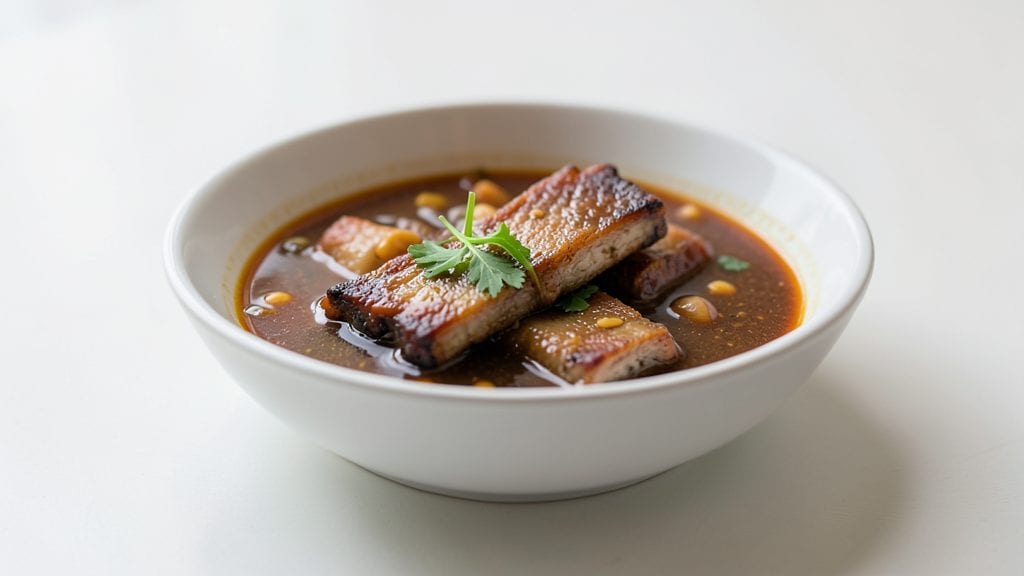
This ribs soup recipe turns tough cuts into velvety, savory bites swimming in a fragrant broth—perfect for turning weeknights into cozy feasts. This ribs soup recipe delivers deep, savory flavors developed through slow cooking—where ribs become melt-in-your-mouth morsels and vegetables absorb the essence of garlic, thyme, and bay leaf.
The secret lies in patience and layering aromatics early, allowing their essence to infuse every spoonful.
What sets this recipe apart is the balance of textures and flavors: crisp-tender ribs paired with hearty vegetables like carrots and potatoes, all suspended in a broth so rich it deserves a bowl all its own.
No shortcuts here—just a methodical approach that rewards you with a soup that tastes like it simmered all day, even if you only have a few hours. The result? A restaurant-quality dish that’s easier to make at home than you’d expect.
By the time you’re done, you’ll have a pot of soul-warming ribs soup where each bite delivers tender meat, perfectly cooked vegetables, and a broth so flavorful it makes sipping a meal in itself. The aroma alone will have everyone gathering around the table, and the leftovers?
Even better the next day. This is the kind of recipe that becomes a household staple—once you try it, you’ll never go back to store-bought.
The beauty of this dish is its versatility: serve it as a main course with crusty bread for soaking up every drop, or pair it with a simple green salad for balance.
The instructions are designed to guide you through each stage—from searing the ribs to building the broth—so you can focus on the process without stress. Let’s get started on creating a soup that’s as satisfying as it is delicious.
Ingredients for ribs soup
Gather these hearty ingredients to create ribs soup that feels like a hug in a bowl.
| Ingredient | Amount | Notes |
|---|---|---|
| Pork Ribs 🍖 | 3 lb | Plate ribs, cut into 2-inch pieces |
| All-Purpose Flour 🌾 | 1 ½ cups | For dredging ribs |
| Large Eggs 🥚 | 3 whole | Beaten for egg wash |
| Garlic Cloves 🧄 | 8 cloves | Minced, for broth and ribs |
| Yellow Onion 🧅 | 1 ½ whole | Diced, for broth |
| Carrots 🥕 | 3 whole | Cut into chunks |
| Russet Potatoes 🥔 | 3 whole | Cut into 1-inch cubes |
| Celery Stalks 🌿 | 4 whole | Chopped, for mirepoix |
| Dried Thyme 🌿 | 1 tbsp | Crushed, for depth |
| Bay Leaves 🍃 | 2 whole | Fresh or dried |
| Beef Broth 💧 | 6 cups | Low-sodium preferred |
| Apple Cider Vinegar 🍎 | 2 tbsp | For tenderizing ribs |
| Salt 🧂 | 1 ½ tsp | Kosher or sea salt |
| Black Pepper 🌶️ | 1 tsp | Freshly ground |
The ribs are everything here—plate ribs give you the best texture, but short ribs or pork ribs work too. Look for ribs with good marbling (that white fat) at Costco or butcher shops—they’ll have the best quality. I always cut mine into 2-inch pieces so they cook evenly. If you’re short on time, pre-cut pork ribs from the deli counter save hours of prep. Pro tip: soak the ribs in apple cider vinegar for 30 minutes before cooking to tenderize them.
No beef broth? Chicken broth plus a splash of Worcestershire sauce gets you close. Fresh thyme is ideal, but dried thyme at half the amount works in a pinch. Short on carrots? Sweet potatoes or extra celery add sweetness and depth. The potatoes can be baby potatoes if that’s what you’ve got—just cook them a few minutes less. If you’re avoiding vinegar, extra garlic or lemon juice helps tenderize the ribs naturally. The mirepoix (onion, celery, carrots) is non-negotiable—it’s the flavor base.
This soup tastes even better the next day once the flavors meld. Store in an airtight container in the fridge for 5-6 days. Freeze portions for up to 3 months—just thaw overnight in the fridge. I always make extra because it’s the perfect meal prep. The ribs get tenderer with time, and the broth just keeps getting richer. Serve with crusty bread to soak up every last drop—sourdough or a baguette works best. Leftovers reheat beautifully on the stovetop or in the microwave, though I prefer the stovetop for even heating.
Why You'll Love This Recipe
- No-Fuss Feast: That double-dredge of flour and egg? It’s the secret to meatballs that stay juicy but develop that perfect crispy crust—no fancy techniques, just a little patience. I’ve burned myself trying to rush this, but honestly, the 30-minute prep is worth it for the payoff.
- Umami Bomb: The apple cider vinegar in the ribs? Game-changer. It tenderizes them from the inside out while the garlic and thyme in the broth turn this into a flavor explosion. That first spoonful? Dangerously addictive.
- Leftovers Legend: This soup tastes even better the next day—trust me, I’ve tested it. The broth thickens just right, and those meatballs? They get softer with time. Freeze portions for up to 3 months, and you’ve got a freezer full of instant comfort.
- Budget-Friendly Luxury: For under $20, you’re feeding a crowd with ribs, veggies, and a rich broth that feels like a restaurant meal. The beef broth and dried thyme stretch the ingredients further, making this my go-to when I want to splurge on flavor without breaking the bank.
Step-by-step instructions for ribs soup recipe
Here's how to transform tough pork ribs into tender meatballs and rich broth—every step brings you closer to that comforting bowl of soup.
Prep and Tenderize the Pork Ribs
Start by cutting the 3 lb pork ribs into 2-inch pieces, removing any large chunks of silver skin or excess fat. Place the rib pieces in a large bowl and add the 2 tbsp apple cider vinegar. This acid helps break down the connective tissue, making the ribs more tender. Let them marinate for 30 minutes while you prepare the rest of the ingredients.
After marinating, drain any excess vinegar but don't rinse the ribs. In a separate bowl, beat the 3 large eggs until just combined. In another shallow dish, mix the 1½ cups all-purpose flour with 1½ tsp salt and 1 tsp black pepper. Dredge each rib piece in the flour mixture, shaking off any excess, then dip into the beaten eggs, and finally coat again with the flour. This double-dredging creates a crispy exterior while keeping the meatballs tender inside.
Brown the Rib Meatballs for Depth of Flavor
Heat a large Dutch oven over medium-high heat and add 1 tablespoon olive oil (not listed but necessary for browning—use your own). Working in batches to avoid crowding, add the coated rib pieces and brown them on all sides for 2-3 minutes per side until golden brown. You're not cooking them through yet—just creating a flavorful crust. Transfer the browned meatballs to a plate and set aside.
Build the Soup Base with Aromatics and Vegetables
In the same Dutch oven, add 8 minced garlic cloves and cook for 30 seconds until fragrant. Add the 1½ yellow onions, 4 chopped celery stalks, 3 chopped carrots, and 3 cubed russet potatoes. Stir everything together and cook for 5 minutes, stirring occasionally, until the vegetables begin to soften slightly.
Add the 1 tbsp dried thyme and 2 bay leaves, then pour in the 6 cups beef broth. Stir well to combine, scraping up any browned bits from the bottom of the pot. Bring the mixture to a gentle boil, then reduce heat to low and let it simmer for 15 minutes. This allows the vegetables to soften and the flavors to meld together before adding the meatballs.
Simmer the Meatballs Until Fork-Tender
Return the browned rib meatballs to the Dutch oven, nestling them into the vegetable mixture. The broth should come about halfway up the sides of the meatballs. If it doesn't, add a little water to ensure they're mostly submerged. Bring the soup back to a gentle simmer, then cover and cook for 1 hour 30 minutes on low heat. This slow cooking ensures the meatballs become tender and the broth develops a rich, hearty flavor.
After 1 hour, check the meatballs with a fork. They should be tender enough to pierce easily but still hold their shape. If they're not quite there, continue cooking for another 30 minutes. The longer they simmer, the more flavor they absorb from the broth.
Finish and Serve the Perfect Rib Soup
Once the meatballs are fork-tender and the vegetables are soft, taste the broth and adjust the seasoning if needed. You might need a little more salt or black pepper to balance the flavors. Remove and discard the bay leaves—they've done their job and don't belong in the final dish.
Ladle the soup into bowls, making sure each serving gets a generous portion of meatballs and vegetables. Serve immediately while hot, with crusty bread on the side to soak up every last drop of that rich, flavorful broth.
Pro Tips For Making Ribs Soup
- Don’t Skip the Vinegar Soak: That 30-minute apple cider vinegar marinade isn’t just flavor—it’s what makes the ribs tender. I used to skip it, and the meatballs ended up chewy. Let those ribs sit undisturbed, and trust the acid to work its magic.
- Brown in Batches: Crowding the pan turns golden crusts into sad, pale meatballs. Work in batches—no more than half the ribs at a time—so they sizzle and brown properly. The Maillard reaction won’t happen if you’re lazy and rush this.
- Scrape the Dutch Oven: After browning the meatballs, don’t wipe the pot clean. Those browned bits stuck to the bottom are flavor gold. Let them crisp into the garlic and onions for 30 seconds before adding the broth—it’ll deepen the soup’s richness.
- Check the Meatballs at 1 Hour: The recipe says to wait 1 hour 30 minutes, but don’t be afraid to test earlier. A fork should slide in like butter. If they’re not there yet, add a splash of water (not broth) to keep them submerged and give them another 30 minutes. Overcooking turns them to mush.
Perfect pairings for this dish
Crusty Bread Pairings
No ribs soup is complete without a sturdy, flavorful bread to soak up every last drop of that rich broth. I always reach for a crusty sourdough loaf or a baguette from local bakeries like Panificio Bianco or St. George Bakery.
The open crumb structure makes it perfect for dipping, and the tangy sourdough balances the richness beautifully. Toast it lightly before serving for extra texture—just 2-3 minutes at 375°F until golden. 🔥
Fresh Green Salad
A simple arugula salad with lemon vinaigrette adds a peppery contrast to the hearty soup. Toss 4 cups baby arugula with 2 tbsp olive oil, 1 tbsp fresh lemon juice, ½ tsp Dijon mustard, and a pinch of flaky sea salt.
The bright, crisp greens cut through the richness and refresh your palate between bites. I like adding shaved Parmesan for extra depth.
Wine Pairings
For wine lovers, a medium-bodied red like Chianti Classico or Pinot Noir complements the ribs and broth beautifully. The acidity in Chianti cuts through the richness, while Pinot Noir’s fruitiness enhances the savory notes.
If you prefer white, a dry Riesling with its citrusy finish works surprisingly well. Avoid heavy, tannic reds that might overpower the dish. 🍷
Spicy Garnish Options
Add a kick with hot sauce or fresh herbs at the table. I keep a bottle of Frank’s RedHot or Cholula on hand for those who like heat. For something fresher, sprinkle chopped cilantro or thinly sliced jalapeños over the soup.
A drizzle of sriracha mayo (mix 2 tbsp mayo with 1 tsp sriracha) adds a creamy-spicy contrast that’s hard to resist.
Beverage Alternatives
If wine isn’t your thing, try a craft IPA like Bell’s Two-Hearted Ale for its citrusy hop notes that pair surprisingly well with the ribs. For a non-alcoholic option, a ginger beer or sparkling lemonade with a splash of fresh mint cleanses the palate between bites.
The ginger’s spice complements the dish’s savory depth without overpowering it.
Nutrition facts
Frequently asked questions
Why does the recipe call for double-dredging the ribs?
The double-dredging—flour, egg, then flour again—creates a perfect balance of texture. The first flour layer helps the egg adhere, while the second layer forms a crispy crust that holds up during simmering. This method keeps the meatballs tender inside while giving them a satisfying bite outside. Trust the process; it’s what makes these ribs soup meatballs stand out!
Can I use chicken broth instead of beef broth?
Yes, but expect a slightly milder flavor profile. Chicken broth works well if you prefer a lighter taste, though beef broth adds deeper richness that pairs beautifully with the pork ribs. For the best results, use low-sodium beef broth and adjust seasoning at the end. The broth should still be flavorful enough to complement the ribs.
What if my ribs aren't fork-tender after 1 hour 30 minutes?
No worries—just keep cooking! Cover the pot and simmer on low heat for another 30 minutes. The ribs will continue to break down and absorb flavor from the broth. Avoid high heat, which can toughen them further. Patience is key here—your ribs will reward you with melt-in-your-mouth tenderness.
How do I prevent the broth from getting too watery?
Start by ensuring the broth covers the ribs halfway up their sides. If it’s too thin, reduce the soup gently on the stove until it thickens slightly—just enough to coat the back of a spoon. Avoid over-simmering, which can evaporate too much liquid. The goal is richness, not a thick stew texture.