
Soups & Stews
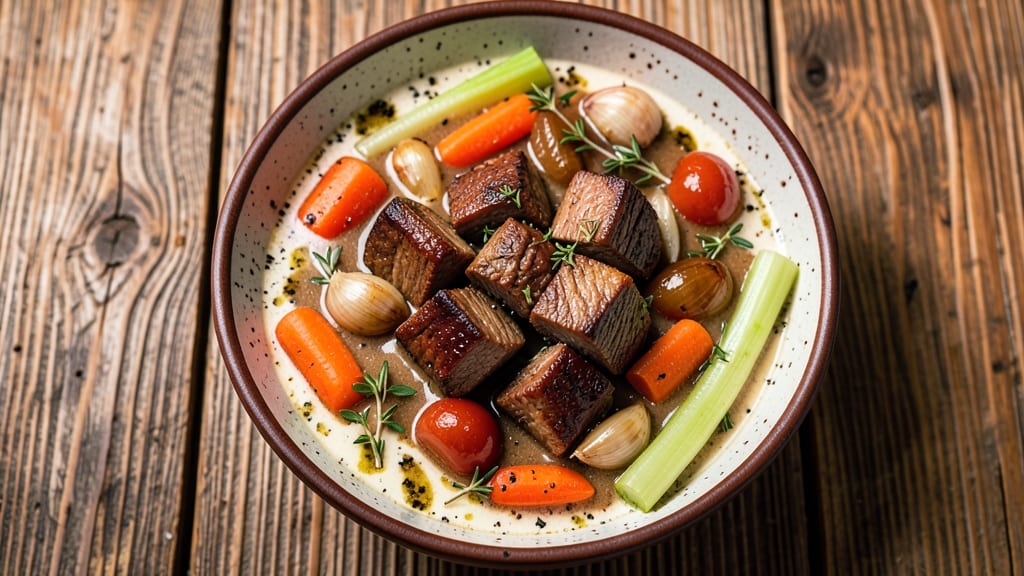
Creating a rib roast soup transforms tough cuts of beef into tender, melt-in-your-mouth shreds swimming in a deeply flavorful broth. This recipe delivers restaurant-quality depth with a method that builds rich layers of taste through slow cooking and aromatic vegetables.
The result is a hearty soup that feels indulgent yet balanced, perfect for chilly evenings when you crave warmth in every spoonful.
The foundation of this soup lies in browning the beef first, which develops a flavorful crust that dissolves into the broth as it simmers. Aromatics like onions, carrots, and celery create a fragrant base, while herbs and spices—thyme, bay leaves, and black pepper—add complexity.
The beef cooks low and slow until it practically falls apart, creating tender shreds that absorb the broth's rich flavors without losing their structure.
What you’ll end up with is a velvety soup with tender beef shreds that hold their shape, surrounded by soft vegetables and a broth so flavorful it’s worth sipping on its own.
The texture is a perfect balance—creamy from the beef and vegetables, but not overly thick, with just enough body to coat a spoon. Serve it with crusty bread to soak up every last drop of that savory liquid gold.
For those looking to adapt this recipe, you can easily swap the beef for mushrooms or lentils to create a vegetarian version while keeping the same rich, comforting texture. The technique remains the same, proving this soup’s versatility for any table. Let’s get cooking!
Ingredients for rib roast soup
Rich, hearty ingredients transform tough beef into velvety rib roast soup perfection.
| Ingredient | Amount | Notes |
|---|---|---|
| Rib Roast Beef 🥩 | 3 lb | Chuck or rib section, cubed |
| Yellow Onions 🧅 | 3 whole | Medium, peeled and chopped |
| Carrots 🥕 | 3 lb | Fresh, peeled and chopped |
| Celery Stalks 🌽 | 3 whole | Fresh, chopped |
| Garlic Cloves 🧄 | 6 cloves | Fresh, minced |
| Fresh Thyme 🌿 | 1 tbsp | Leaves only, chopped |
| Bay Leaves 🍃 | 2 whole | Dried, whole leaves |
| Beef Broth 💧 | 8 cups | Low-sodium preferred |
| Whole Milk 🥛 | 1 cup | Full-fat for creaminess |
| Olive Oil 🫒 | ½ cup | Extra-virgin for richness |
| Salt 🧂 | 2 tsp | Kosher or sea salt |
| Black Pepper 🌶️ | 1 tsp | Freshly ground preferred |
| All-Purpose Flour 🌾 | ¼ cup | For thickening broth |
The rib roast is the star—opt for chuck or rib section for maximum tenderness. Most butchers will cube it for you, saving time. Costco or Whole Foods carry high-quality cuts, but any reputable grocery store works. Look for good marbling; it ensures juiciness as the meat cooks. For the vegetables, organic carrots and celery add subtle sweetness and depth, but conventional is fine if budget is tight. The onions should be yellow or sweet—they form the aromatic base that ties everything together.
No rib roast? Beef chuck works perfectly—just cube it yourself. Fresh thyme is ideal, but dried thyme at half the amount gets you close. Want more richness? Swap whole milk for heavy cream—it thickens the soup beautifully. The beef broth should be low-sodium so you control the seasoning. For extra depth, add 1/4 cup red wine when browning the beef. The flour is optional but helps create that silky texture—omit if you prefer a lighter broth.
Store the cubed beef in an airtight container in the fridge for up to 3 days or freeze for 3 months. The broth keeps 5-7 days in the fridge and freezes beautifully for 6 months. For best results, make this soup a day ahead—flavors meld beautifully overnight. Serve with crusty bread or over mashed potatoes to soak up every last drop of that savory liquid gold. The milk adds creaminess, so stir before serving to avoid separation.
Why You'll Love This Recipe
- No Crowd, No Problem: Searing the 3 lb rib roast beef in batches means I never have to stress about overcrowding the pan. That golden fond? Pure flavor gold. And because I work in batches, the meat gets that perfect sear without steaming—so it stays juicy and tender all the way through.
- Creamy, Herby Bliss: The whole milk at the end is what makes this soup sing. It smooths out the richness of the beef while the fresh thyme and bay leaves add depth—like a hug in a bowl. That golden garlic? It’s the secret weapon that turns simple ingredients into something unforgettable.
- Feeds a Crowd (Or Your Couch): This soup stretches for days. I’ll make it on a Sunday, and by Wednesday, I’ve got leftovers for lunch. The beef broth keeps for a week, so I can stretch it into soups, sauces, or even a quick grain bowl. And honestly? My roommates don’t even notice it’s the same meal twice.
- Budget Beef Boost: Using 3 lb rib roast beef might sound pricey, but the slow simmer turns every bite into pure satisfaction. The carrots, celery, and onions bulk it up so I’m not paying for water—just flavor. And if I freeze the broth? That’s an extra meal saved for later. Worth every penny.
Step-by-step instructions for rib roast soup
Here's how to create a hearty, slow-cooked rib roast soup with tender meat and rich broth.
Sear the Rib Roast Beef
Heat the ½ cup olive oil in a large Dutch oven over medium-high heat. Working in batches to avoid crowding, sear the 3 lb rib roast beef on all sides until deeply browned, about 3-4 minutes per side. This step develops deep flavor and prevents the meat from becoming mushy during cooking.
Remove the beef from the pot and set aside. You'll notice the oil will be rich and golden from the searing process—this is essential for building the soup's depth of flavor. Don't drain the oil; it contains valuable fond that will dissolve into your broth later.
Sauté the Vegetables and Aromatics
In the same Dutch oven, add the 3 yellow onions, 3 lb carrots, and 3 celery stalks, all chopped into even ½-inch pieces. Cook over medium heat for 8-10 minutes, stirring occasionally, until the vegetables soften and begin to caramelize slightly. This process releases their natural sugars and intensifies their flavor.
Add the 6 minced garlic cloves, 1 tbsp fresh thyme, and 2 bay leaves, stirring for 30 seconds until fragrant. The garlic should become golden without burning—this adds a sweet, mellow flavor rather than a bitter one. If you notice the garlic darkening too quickly, reduce the heat slightly.
Simmer the Soup with Broth
Pour in the 8 cups beef broth, scraping up any browned bits from the bottom of the pot. Return the seared rib roast beef to the pot, along with the 2 tsp salt and 1 tsp black pepper. Bring the mixture to a boil over high heat, then reduce to a gentle simmer and cover partially.
Simmer for 2-2.5 hours until the beef is fork-tender and easily shreds. The soup should have a rich, meaty aroma and the vegetables should be completely tender. If the liquid level gets too low, add ½ cup beef broth to maintain the proper consistency. This slow cooking process is crucial for developing the meat's tenderness and extracting maximum flavor from all ingredients.
Finish and Thicken the Soup
Remove the beef from the pot and shred it using two forks, discarding any large bones or connective tissue. Return the shredded beef to the pot. Stir in the ¼ cup all-purpose flour to thicken the broth slightly, allowing it to simmer for 5 minutes to cook out the raw flour taste.
Reduce the heat to low and stir in the 1 cup whole milk, simmering for an additional 5 minutes. This final step creates a velvety texture while balancing the richness of the beef. Taste and adjust seasoning with additional salt or pepper if needed. The soup should be rich but not overly salty, with a perfect balance of meaty, vegetable, and herbal flavors.
Pro Tips For Making Rib Roast Soup
- Chop Evenly, Cook Evenly: Your 3 lb carrots and 3 lb onions won’t caramelize properly if they’re uneven—stick to those ½-inch chunks. I used to rush this, and half the veggies stayed tough while others turned mushy. Take the extra 5 minutes to make them uniform.
- Sear in Batches: Crowding the beef in that Dutch oven will steam it instead of sear it—work in batches, even if it takes longer. That golden crust on every piece? That’s what makes the soup taste like it simmered all day, not rushed.
- Skim the Garlic: Those 6 cloves of garlic will burn faster than you think—watch them like a hawk. If they darken even a little, pull the pot off the heat and let them cool for 30 seconds. Trust me, no one wants bitter garlic in their soup.
- Simmer Low and Slow: That 2-2.5 hour simmer isn’t optional—it’s when the beef turns from chewy to melt-in-your-mouth. If you’re tempted to crank the heat to speed it up, resist. The broth will split, and you’ll end up with tough meat and sad faces.
Serving suggestions for this dish
Bread Pairings
This soup pairs beautifully with crusty sourdough bread or artisan baguettes—their chewy texture contrasts perfectly with the velvety broth. I like to toast slices in the oven at 375°F for 5-7 minutes until golden. For extra indulgence, serve with garlic butter or herbed olive oil for dipping. 🍞
Garnish Elevations
Finish each bowl with a swirl of whipped cream or crème fraîche for a luxurious touch. Fresh parsley or thyme adds vibrant color and herbal brightness. I also love sprinkling crumbled bacon or toasted walnuts for crunch and depth. These small details transform the soup from hearty to restaurant-worthy.
Side Dish Complements
A simple green salad with a tangy vinaigrette cuts through the richness. Try arugula with lemon zest or shaved fennel and orange segments for a refreshing contrast. For heartier sides, mashed potatoes or crusty bread rolls soak up every last drop of flavor. 🥗
Beverage Matches
A bold red wine like Cabernet Sauvignon complements the beef's richness, while a crisp dry rosé balances the dish's depth. For beer lovers, try a malty amber ale or hoppy IPA to cut through the fat.
I always keep a carafe of iced tea with honey on hand for a refreshing sip.
Make-Ahead Tips
This soup tastes even better the next day, so I always make it a day ahead. Store in an airtight container in the fridge for up to 4 days. Reheat gently on the stove with a splash of water or broth.
For freezing, portion into quart-sized bags and thaw overnight in the fridge before reheating. The flavors meld beautifully over time! ❄️
Nutrition facts
Frequently asked questions
Why does browning the beef first matter so much?
Browning the beef creates a flavorful crust called fond, which dissolves into the broth and deepens the soup's richness. This step transforms a basic broth into something complex and savory, making the entire dish taste more robust. Skipping it results in a much milder flavor profile.
Can I use a slow cooker instead of a Dutch oven?
Yes! Transfer the seared beef, vegetables, and aromatics to a slow cooker after browning them in a pan. Add the broth and cook on low for 7-8 hours or high for 4-5 hours. The slow cooker does the work, but the initial searing remains essential for depth. Just stir occasionally to prevent sticking.
What if my beef isn't tender after 2 hours?
Keep simmering—it should take 2-2.5 hours total. If the beef still feels tough, shred it and return it to the pot with an extra ½ cup beef broth to cook for another 30-45 minutes. Avoid overcooking, or the meat will become dry. Patience is key for perfect texture!
Can I make this soup vegetarian?
Replace the beef with 3 lbs mushrooms (cremini or portobello) or 2 cups dried lentils soaked overnight. Use vegetable broth instead of beef broth, and adjust cooking times accordingly—mushrooms cook in 1 hour, lentils in 45 minutes. The technique remains the same for creamy, hearty results.