
Soups & Stews
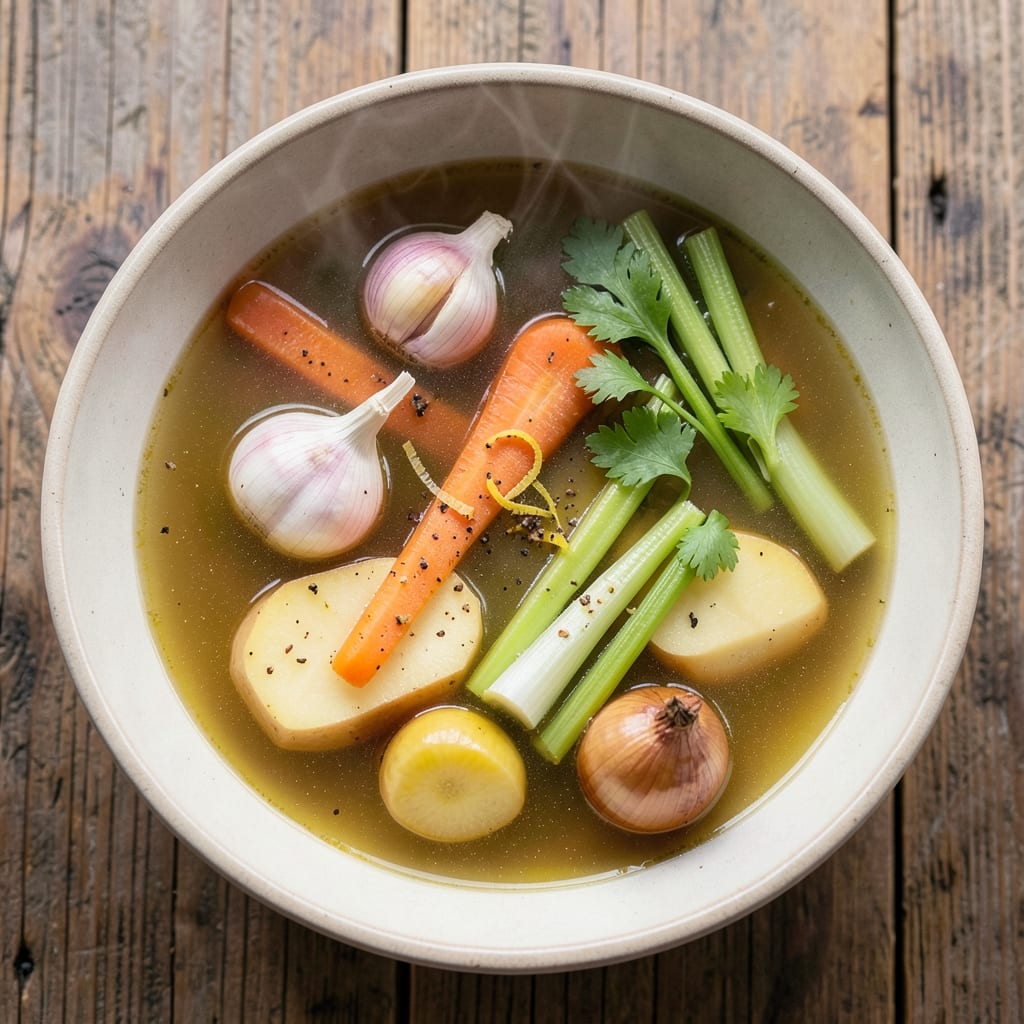
This basic broth soup recipe delivers savory comfort in under an hour with just one pot and simple ingredients. The secret lies in building flavor through slow simmering—aromatic vegetables caramelize while proteins and vegetables meld into a rich, hearty broth. I developed this recipe during cold seasons when I needed something nourishing yet effortless to prepare after a long day.
What sets this soup apart is its versatility—you can customize it with chicken, beef, or vegetable broth, and adjust vegetables based on what’s fresh. The technique is foolproof: sauté onions and garlic until fragrant, add your choice of protein and vegetables, then let it simmer until everything is tender and the flavors have deepened. A final touch of seasoning ensures every spoonful is perfectly balanced.
The result is a warm, satisfying bowl that’s perfect for chilly evenings or when you need a quick, wholesome meal. The broth becomes rich and flavorful, while the vegetables retain their texture—crisp carrots, tender potatoes, and fluffy noodles or rice if you choose to add them. This soup is the kind of dish that feels like a hug in a bowl.
Serve it as-is for a light meal, or add a sprinkle of fresh herbs or a swirl of cream for extra richness. It’s the ultimate weeknight dinner that’s simple enough for beginners but impressive enough for guests. Let’s get started!
Ingredients for basic broth soup
Pantry staples and fresh vegetables transform into hearty broth soup with just one pot.
| Ingredient | Amount | Notes |
|---|---|---|
| Chicken Broth 💧 | 4 cups | Low-sodium preferred for balance |
| Yellow Onion 🧅 | 1 whole | Diced, medium size |
| Garlic Cloves 🧄 | 3 cloves | Minced, fresh preferred |
| Carrots 🥕 | 2 medium | Peeled, sliced into rounds |
| Russet Potatoes 🥔 | 2 medium | Peeled, cubed evenly |
| Celery Stalks 🥬 | 2 whole | Diced, including leaves |
| Chicken Breast 🍗 | 1 ½ lb | Boneless, skinless, cubed |
| Olive Oil 🫒 | 2 tbsp | Extra-virgin for richness |
| Salt 🧂 | 1 tsp | Kosher or sea salt |
| Black Pepper 🌶️ | ½ tsp | Freshly ground preferred |
| Bay Leaves 🌿 | 2 whole | Removed before serving |
| Fresh Parsley 🌿 | ¼ cup | Chopped, for garnish |
The broth is the soul of this soup—chicken broth delivers that classic savory depth, but beef or vegetable broth works too. For the vegetables, farmers market finds like carrots and celery with vibrant color make all the difference. I always buy organic potatoes from Whole Foods when I can—they hold up better during simmering. The chicken breast? Trader Joe's has the best pre-cut, boneless, skinless pieces at a great price. If you're using a whole chicken, bone-in thighs add even more flavor to the broth.
No fresh parsley? Dried parsley at half the amount works in a pinch. Running low on bay leaves? Thyme sprigs add a similar earthy note. The olive oil is non-negotiable for sautéing—extra-virgin gives the best flavor, but regular olive oil is fine if that's what you've got. For the potatoes, Yukon Golds break down beautifully but stay creamy, while Russets add a heartier texture. The carrots can be swapped for sweet potatoes if you prefer a sweeter profile. And if you're feeling adventurous, mushrooms or zucchini add great texture too.
This soup tastes even better the next day as flavors meld. Store leftovers in the fridge for up to 5 days or freeze for 3 months. I double the recipe on Sundays and portion it into containers for easy lunches all week. The broth freezes beautifully—just thaw in the fridge overnight. For extra richness, stir in a spoonful of vegetable oil or butter when reheating. And if you're serving it to guests, garnish with fresh parsley and a drizzle of olive oil—instant restaurant vibes.
Why You'll Love This Recipe
- One-Pot Magic: I swear by this—just toss everything into one pot, bring it to a boil, and let it simmer. No fancy gadgets, no stress. The onions caramelize right in the broth, and the potatoes soften perfectly without falling apart.
- Savory Umami Bomb: That first sip of rich chicken broth with garlic-infused onions? Pure comfort. The carrots add just enough sweetness to balance the deep, hearty flavors—simple ingredients that somehow taste like you spent hours cooking.
- Leftovers That Don’t Suck: Make a big batch on Sunday, and you’ve got lunch for days. The potatoes stay tender even reheated, and the broth keeps its depth. Honestly, it’s the only soup I can make ahead without it tasting sad the next day.
- Budget-Buster Win: Onions, carrots, potatoes, and broth? Check your pantry—you’ve got this. It’s the kind of meal that stretches a few dollars into a full week of dinners, and I’ll take that over takeout any day.
Step-by-step instructions for savory simmered comfort in one pot
Here's how to build a rich, comforting broth soup from scratch—simple steps for bold flavor.
Sauté the Aromatic Base
Heat the 2 tablespoons olive oil in a large pot over medium heat. Add the diced yellow onion, diced celery stalks (including leaves), and sliced carrots. Cook for 5-6 minutes, stirring occasionally, until the vegetables soften and the onion becomes translucent. This foundational step develops deep flavor through caramelization.
Next, add the minced garlic cloves and cook for 30 seconds until fragrant—don't let it brown, or it'll turn bitter. Stir in the 1 teaspoon salt and ½ teaspoon black pepper at this stage so the seasoning melds with the vegetables. The pot should smell like a cozy kitchen ready for a long simmer.
Build the Broth Foundation
Pour in the 4 cups chicken broth and bring to a gentle boil. Add the cubed russet potatoes and cubed chicken breast, then reduce heat to medium-low to maintain a steady simmer. This low-and-slow approach ensures the chicken cooks through evenly without drying out.
Add the 2 whole bay leaves and ensure they're submerged. The bay leaves infuse subtle earthy notes that elevate the entire dish. Let the soup simmer uncovered for 15 minutes, allowing the broth to absorb the flavors from the vegetables and chicken. You'll notice the potatoes beginning to soften and the broth turning slightly cloudy—this is the magic of flavor extraction.
Simmer to Perfection
Continue simmering for 20-25 minutes until the chicken is cooked through and the potatoes are fork-tender. The chicken should reach 165°F internally, and the potatoes should collapse easily when pierced with a fork. This is where patience pays off—the longer the simmer, the deeper the flavor.
Real talk: If the broth reduces too much before the chicken is done, add ½ cup water to maintain the right consistency. The soup should coat the back of a spoon but still be ladle-friendly. Taste and adjust seasoning—you may need a pinch more salt or pepper depending on your broth's saltiness.
Finish and Garnish
Remove the 2 whole bay leaves and discard them. Stir in the ¼ cup chopped fresh parsley just before serving to add a bright, fresh contrast to the rich broth. The parsley not only enhances presentation but also balances the dish with its vibrant flavor.
Ladle the soup into bowls and serve immediately while hot. The steam rising from each bowl should carry that inviting aroma of home-cooked comfort. This simple broth soup transforms basic ingredients into a hearty, satisfying meal that warms you from the inside out.
Pro Tips For Making Basic Broth Soup
- Sweat the Onions First: I learned this the hard way—tossing raw onion into simmering broth makes your soup taste like waterlogged cardboard. Instead, cook the diced onion in a dry pot over medium heat for 5-6 minutes until it’s soft and just starting to brown. That caramelized flavor? The thing that matters most.
- Peel Potatoes in Chunks: Russets turn to mush if you cut them too small or boil them whole. Instead, peel them first, then slice into 1-inch chunks—big enough to hold shape but small enough to cook through. (Yes, even if you’re impatient like me, resist the urge to dice them tiny.)
- Simmer, Don’t Boil: A rolling boil breaks down the broth and turns your carrots into soup glue. Keep the heat low enough that tiny bubbles just break the surface—like a lazy simmer. This keeps the broth clear and the potatoes tender without falling apart.
- Add Garlic Late: I was skeptical until I tried it—crushing garlic cloves and tossing them in at the very end (last 2 minutes) gives them a bright, fresh bite instead of a bitter, cooked-after note. Skip the whole "soften the garlic first" step unless you want flavorless mush.
Wine and beer pairings for this dish
Crisp White Wine
A dry Riesling from Germany or Alsace is my go-to pairing for this broth soup—its bright acidity and subtle mineral notes cut through the richness of the chicken and vegetables beautifully. Look for a Keller Riesling or Dr. Loosen Blue Slate for that perfect balance. The slight sweetness in some Rieslings also complements the natural sweetness of carrots and potatoes without overpowering the dish. 🍷
Light-Bodied Reds
If you prefer red wine, a Pinot Noir from Oregon or Burgundy adds an elegant touch. The red fruit flavors and silky texture won’t clash with the soup’s savory profile. I recommend a La Crema Pinot Noir or Louis Jadot Bourgogne—both are approachable and won’t dominate the meal. The earthy undertones in Pinot Noir also pair wonderfully with the bay leaves in the soup.
Beer Pairings
For beer lovers, a pilsner like Sierra Nevada Pale Ale or Heineken works beautifully. The crisp, clean finish and subtle hop bitterness cleanse your palate between spoonfuls. If you want something heartier, try a wheat beer like Blue Moon—the citrus notes brighten the dish without overpowering it. Avoid heavy stouts or IPAs, as they’ll compete with the soup’s delicate flavors.
Non-Alcoholic Options
Don’t drink alcohol? No problem! A sparkling mineral water like San Pellegrino or Topo Chico with a squeeze of lemon adds a refreshing contrast. For something warmer, try a ginger beer like Feather Ginger Beer—the spicy kick complements the soup’s savory depth. I also love a cold brewed hibiscus tea for its tart, floral notes that pair surprisingly well with the broth’s richness.
Regional Wine Twists
If you’re feeling adventurous, try a Spanish Albariño for a coastal twist—its salinity mirrors the soup’s umami flavors. For a bold option, a Grenache from the Rhône Valley brings earthy notes that harmonize with the bay leaves. Each of these wines adds a unique layer to the meal, making your simple broth soup feel like a gourmet experience. 💫
Nutrition facts
Frequently asked questions
Can I make this broth soup vegetarian?
Swap the chicken breast for 1.5 lbs firm tofu or 1 can white beans (drained and rinsed). Use vegetable broth instead of chicken broth, and add mushrooms or spinach for extra depth. The same technique applies—sauté your veggies, simmer until tender, and finish with fresh herbs.
How do I prevent the broth from getting too cloudy?
Cloudiness usually means starch from potatoes or over-simmering. To avoid it, peel and cube potatoes evenly (no skins) and simmer for no more than 30 minutes total. If it does get cloudy, strain the broth through a fine-mesh sieve or cheesecloth before serving. For extra clarity, start with cold broth instead of hot.
Can I add noodles or rice to this soup?
Yes! For noodles, add 2 oz uncooked egg noodles or rice noodles during the last 5 minutes of simmering. For rice, use ½ cup uncooked white rice and simmer for 15 minutes after adding potatoes. Always cook grains separately first if you're short on time—just add them to the hot soup at the end.
What if my broth tastes bland?
Add depth by roasting your vegetables first (400°F for 20 minutes) before sautéing, or use homemade broth instead of store-bought. Boost flavor with 1 tsp soy sauce, ½ tsp smoked paprika, or a splash of Worcestershire sauce. Taste as you go—seasoning builds up during simmering, so don't overdo it early.
How can I make this soup ahead of time?
This soup actually tastes better the next day! Cool it completely, then store in an airtight container in the fridge for up to 5 days or freeze for 3 months. Reheat gently on the stove over medium-low heat, stirring occasionally. For extra richness, stir in 1 tbsp butter or olive oil when reheating. The flavors meld beautifully overnight.