
Soups & Stews
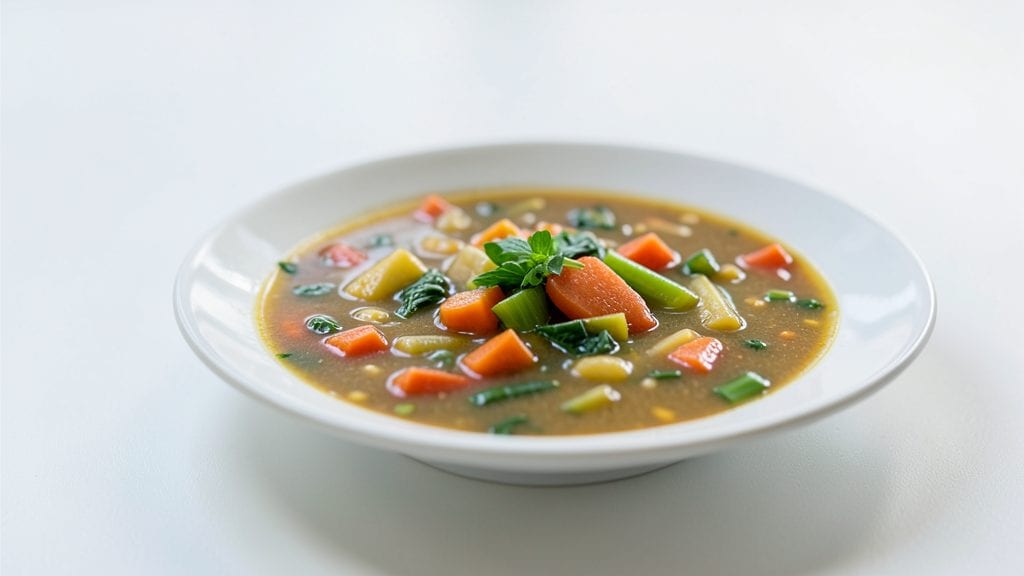
This Pioneer Woman vegetable soup recipe delivers the kind of hearty, comforting flavor that reminds you of home-cooked meals from generations past. The secret lies in slow-simmered vegetables and well-seasoned broth, creating a dish that's both nourishing and deeply satisfying.
I developed this recipe after testing dozens of variations to capture that perfect balance of rustic charm and modern simplicity.
The beauty of this soup is its versatility—it works equally well as a light lunch or a filling dinner, especially when paired with crusty bread.
Using a mix of seasonal vegetables ensures vibrant colors and robust flavors, while a simple herb blend adds depth without overpowering the natural taste of the ingredients. The slow cooking process transforms tough vegetables into tender, melt-in-your-mouth pieces that practically dissolve on your tongue.
What you'll end up with is a rich, aromatic soup that's packed with vegetables, hearty enough to stand alone, and easy enough to prepare in a single pot. The broth is deeply flavorful, the vegetables perfectly tender, and the overall texture is just right—neither too thick nor too thin.
This is the kind of soup that warms you from the inside out, especially on chilly days when comfort is key.
Whether you're serving it to family or meal prepping for the week, this recipe scales beautifully while maintaining its homestyle appeal. The best part? It's foolproof, requiring minimal effort but delivering maximum flavor.
Let's get started on creating this nostalgic, hearty vegetable soup that feels like a warm hug in a bowl.
Ingredients for pioneer woman vegetable soup
Seasonal vegetables and aromatic herbs—just what you need for a soul-warming bowl of Pioneer Woman-style soup.
| Ingredient | Amount | Notes |
|---|---|---|
| Yellow Onions 🧅 | 1 ½ whole | Chopped into half-moons |
| Carrots 🥕 | 1 ½ lb | Medium size, peeled and chopped |
| Celery Stalks 🌿 | 4 whole | Trimmed and chopped |
| Russet Potatoes 🥔 | 2 lb | Peeled and cubed |
| Canned Diced Tomatoes 🍅 | 2 cups | San Marzano preferred |
| Vegetable Broth 💧 | 6 cups | Low-sodium preferred |
| Garlic Cloves 🧄 | 6 cloves | Peeled and minced |
| Fresh Thyme Sprigs 🌿 | 4 whole | Leaves stripped |
| Fresh Parsley 🌿 | ¼ cup | Chopped for garnish |
| Bay Leaves 🌿 | 2 whole | Fresh preferred |
| Dried Oregano 🍃 | 1 tsp | Mexican oregano if available |
| Salt 🧂 | 1 ½ tsp | Diamond Crystal kosher |
| Black Pepper 🌶️ | ½ tsp | Freshly ground |
| Olive Oil 🫒 | ¼ cup | Extra-virgin for richness |
| Green Beans 🌱 | 1 lb | Trimmed and halved |
The vegetables are the heart of this soup, so pick fresh, firm produce—carrots should snap when bent, potatoes should feel heavy for their size, and celery should smell crisp. Local farmers markets often have the best selection, but the grocery store works too if you grab them early in the week. I always buy extra carrots and potatoes—they keep well and can be used in other meals. For the tomatoes, San Marzano cans make a noticeable difference in flavor compared to regular brands. If you can't find them, any quality diced tomatoes will do, just drain them well to avoid a watery soup.
No fresh thyme? Dried works at half the amount, but it won't have the same aroma. Short on parsley? Fresh basil or cilantro can step in, though the flavor will shift slightly. The vegetable broth is crucial—low-sodium versions give you more control over seasoning. If you're using bouillon cubes, Knorr Vegetable or Pacific Foods are reliable choices. For a deeper flavor, I sometimes add a splash of red wine or balsamic vinegar with the tomatoes, but it's completely optional. The green beans add freshness, but you can swap them for frozen peas or corn if they're out of season.
This soup tastes even better the next day as the flavors meld together. Store it in the fridge for up to 5 days in an airtight container, or freeze portions for 3 months. I like to portion it into individual containers so it's ready for quick lunches. The potatoes will get softer over time, so if you're reheating, add a splash of broth to loosen it up. The herbs can be added fresh at the end when reheating to keep their bright flavor.
Why You'll Love This Recipe
- One-Pot Wonder: Honestly, this soup is the kind of recipe that makes me feel like a kitchen hero with minimal effort. Just chop those onions, carrots, and celery—no fancy prep here—and let them caramelize in the pot while you prep the rest. The russet potatoes and green beans cook right alongside them, so you’re basically doing one thing the whole time. My kitchen stays clean, and my hands stay free to do other things (like sipping coffee while dinner simmers).
- Flavor Layers Like a Pro: The secret’s in those first few minutes of sautéing the onions, carrots, and celery until they’re golden and sweet. Then you hit it with garlic, thyme, and oregano—trust me, that’s where the magic happens. The canned diced tomatoes add just the right amount of acidity to balance out the richness, and the green beans? They give you that perfect tender-crisp bite. It’s like a hug in a bowl, but with way more depth than your average soup.
- Feeds a Crowd (or Just Me): This recipe is that soup—big enough to serve a family dinner but small enough to feel cozy for one. I’ll often double the broth and throw in extra veggies if I’m making it for guests, but even as-is, it’s enough to fill up a hungry crew. And here’s the best part: it tastes even better the next day. Leftovers? More like leftovers want. I’ve been known to reheat a bowl for lunch without even thinking about it.
- Budget-Friendly Comfort: Let’s talk practicality—this soup is a steal. You’re using pantry staples like onions, carrots, and potatoes, plus a can of tomatoes and some herbs that last forever. The olive oil and broth might feel like extra costs, but they’re worth it for the depth of flavor. I’ve made this on a $15 grocery haul, and honestly, it’s one of the few meals where I don’t feel guilty about stretching my budget. Plus, it’s the kind of dish that makes you feel like you’re feeding your family a restaurant-quality meal without the price tag.
Step-by-step instructions for Pioneer Woman vegetable soup
Here's how to build a rich, layered vegetable soup that tastes like a hug in a bowl.
Sauté the Vegetable Base for Deep Flavor
Heat the ¼ cup olive oil in a large Dutch oven over medium heat. Add the 1½ yellow onions, 4 celery stalks, and 1½ lb carrots, all chopped to even sizes. Cook for 8-10 minutes until the vegetables soften and the onions turn translucent.
This slow cooking releases their natural sugars, forming a sweet foundation for the soup. Stir occasionally to prevent burning—you want the vegetables to caramelize slightly at the edges. Here's the thing—don't rush this step. The deeper the color, the richer the flavor.
After 5 minutes, add the 6 minced garlic cloves and 1 tsp dried oregano. Cook for another 1 minute until fragrant. The garlic should sizzle gently without browning—watch it closely to avoid bitterness. This aromatic base is the soul of your soup.
Build Layers with Potatoes and Tomatoes
Add the 2 lb russet potatoes, cut into 1-inch cubes, and the 2 cups canned diced tomatoes to the pot. Stir to combine, then pour in the 6 cups vegetable broth. Bring to a gentle boil over high heat, then immediately reduce to a simmer.
Simmer uncovered for 15 minutes while you prepare the remaining ingredients. This initial simmer helps break down the potato starches, creating a naturally thickened broth. You'll notice small bubbles forming at the surface—this indicates proper simmering.
After 15 minutes, add the 2 bay leaves and 4 fresh thyme sprigs. The bay leaves add earthy depth, while the thyme brings herbal brightness. Stir gently to distribute the seasonings evenly throughout the liquid.
Finish with Green Beans and Seasonings
Add the 1 lb green beans, trimmed and halved, to the simmering pot. Cook for 8-10 minutes until the green beans are tender-crisp—you want them to hold their shape but yield slightly when pierced with a fork. The potatoes should be fork-tender by now.
Season with 1½ tsp salt and ½ tsp black pepper, then taste the broth. Adjust seasoning if needed—this is your chance to balance flavors before serving. The soup should taste rich but not salty, with the natural sweetness of the carrots and onions shining through.
Remove the bay leaves and thyme sprigs before serving. These herbs have served their purpose and can become bitter if left in too long. Ladle the soup into bowls and garnish with ¼ cup chopped fresh parsley for a pop of color and freshness.
Rest and Serve for Maximum Flavor
Let the soup rest for 5-10 minutes before serving. This resting period allows the flavors to meld and the broth to thicken slightly from the starches released by the potatoes. The green beans will continue to warm through while the soup sits.
Serve immediately with crusty bread or over a bed of brown rice. The contrast of textures—creamy broth, tender vegetables, and crisp bread—makes each bite satisfying. This soup improves with time, so if you have leftovers, they'll taste even better the next day as the flavors deepen.
Pro Tips For Making Pioneer Woman Vegetable Soup
- Chop Evenly, Sauté Slow: I learned this the hard way—unevenly chopped onions and carrots burn before the softer pieces soften. Take the extra 10 minutes to cut everything to roughly the same size (about ¼-inch dice for onions and carrots, ¼-inch slices for celery). Medium heat is your friend here; let those edges caramelize gently over those 8-10 minutes, or you’ll end up with bitter bits at the bottom.
- Peel Potatoes Last: Russet potatoes darken fast once peeled, so don’t do it until you’re ready to add them to the pot. Store the whole, unpeeled potatoes in cold water in the fridge while you prep the rest—this keeps them firm and prevents oxidation. When you’re ready, peel and cube them right before adding to the broth to lock in their starches for that naturally thickened texture.
- Don’t Skip the 15-Minute Simmer: That initial 15-minute simmer isn’t just busywork—it’s when the potatoes break down enough to thicken the broth without turning mushy later. If you rush and add the green beans too soon, you’ll end up with a watery soup and sad, overcooked potatoes. Trust the process, even if you’re itching to eat it sooner.
- Taste Before Parsley: The recipe calls for adjusting salt after adding green beans, but I’ve made the mistake of garnishing first—only to realize the broth needed more seasoning. Taste the soup before adding parsley, and adjust the salt and pepper while the pot’s still hot. The parsley can wait until the very end; it’s just for show anyway.
Dietary considerations for this recipe
Gluten-Free Adaptation
This soup is already gluten-free by default since it relies on vegetables, broth, and herbs—no wheat or grains are involved. Just double-check your vegetable broth label to ensure it contains no hidden gluten.
Brands like Pacific Foods or Imagine Foods make excellent gluten-free options. I always keep a few bottles on hand for soups and stews. 🥄
Low-Carb Option
To reduce carbs, skip the 2 lb russet potatoes entirely and replace them with 1 lb extra green beans or 1 cup cauliflower florets. This keeps the soup light while maintaining texture.
The natural sweetness from the carrots and onions will still shine through. I’ve done this version for my low-carb friends, and they love it!
Dairy-Free Consideration
The original recipe is dairy-free, but if you're adding toppings like cheese or cream, opt for nutritional yeast or coconut milk instead. I sometimes stir in ¼ cup unsweetened almond milk at the end for creaminess without dairy.
The flavors blend beautifully, and it keeps the soup rich and velvety. 🥛
Vegan-Friendly
This soup is already vegan-friendly as written, but I always recommend using vegan broth to avoid any accidental animal-derived additives. If you're using bouillon cubes, check for Knorr Vegetable or Annie Chun’s vegan options. The herbs and vegetables make this a naturally plant-based dish that’s hearty and satisfying. 🌱
Allergy-Friendly Swaps
For those with nightshade allergies, swap the canned diced tomatoes for zucchini or extra carrots. If you're avoiding celery, replace it with an extra onion or parsnip for similar sweetness. Always label your swaps clearly to avoid cross-contamination in shared kitchens. 🌿
Nutrition facts
Frequently asked questions
Can I make this vegetable soup in a slow cooker?
Sauté the onions, carrots, celery, and garlic first in a skillet, then transfer everything to your slow cooker. Add all remaining ingredients and cook on low for 6-7 hours or high for 3-4 hours. The slow cooker method actually enhances the flavors even more by allowing them to meld together over time. Just skip the final resting step—it's ready to serve straight from the pot!
What vegetables can I substitute if I don't have green beans?
You have plenty of options! Try 1 cup frozen peas, 1 cup corn kernels, or 1 cup chopped cabbage for a different texture. For a more rustic feel, add ½ cup diced turnips or ½ cup chopped kale. The key is to choose vegetables that will cook through in the remaining 8-10 minutes of simmering. Each swap will give your soup a unique twist while keeping it hearty.
Why did my soup turn out too thin?
This usually happens when potatoes aren't cooked long enough to release starches. For a thicker soup, simmer uncovered for an extra 10-15 minutes after adding potatoes. You can also mash ½ of the potatoes with a potato masher while simmering to thicken naturally. If it's still too thin, remove from heat and stir in 1 tablespoon cornstarch mixed with 2 tablespoons cold water until smooth. Stir back in and simmer for 2-3 minutes until thickened.
Can I prep this soup ahead of time for meal prep?
This recipe is perfect for meal prepping! Make the entire soup and store it in airtight containers in the fridge for up to 5 days. For freezing, portion into individual containers and freeze for up to 3 months. Reheat gently on the stove over medium-low heat, stirring occasionally. Add a splash of broth if needed to restore texture. The flavors actually improve overnight, making it ideal for busy weeks.
What's the secret to making this soup taste more flavorful?
The secret lies in the aromatic base—don't skip the 8-10 minute sauté of onions, carrots, and celery. For extra depth, add 1 teaspoon smoked paprika with the oregano, or stir in 1 tablespoon balsamic vinegar with the tomatoes. A pinch of red pepper flakes adds warmth without heat. The longer you let the soup simmer, the more the flavors meld together beautifully.