
Soups & Stews
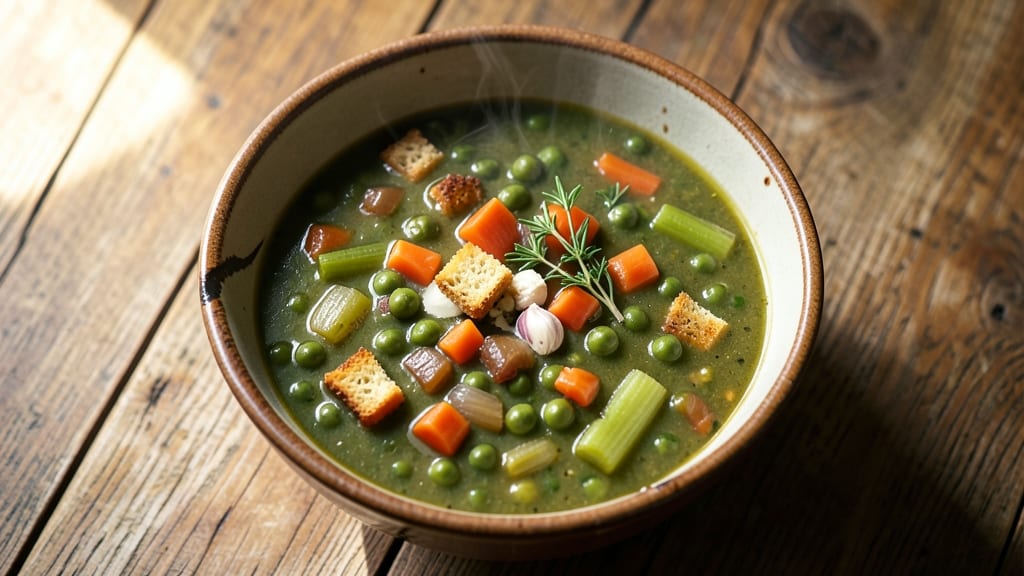
Recreating the hearty, creamy pea soup that made Pioneer Woman a household name transforms simple pantry staples into a dish that feels like a warm hug in a bowl.
This one-pot recipe captures the essence of homesteading tradition—slow-simmered dried peas, aromatic vegetables, and herbs that build rich, comforting flavors over time. The key lies in patience: letting the soup develop depth while keeping the texture velvety smooth, just like Ree Drummond’s original.
What sets this recipe apart is its balance of rustic charm and modern accessibility—no fancy techniques required, just a pot, a stove, and about 45 minutes of hands-off simmering. The dried peas soften into tender perfection, while carrots and onions caramelize to add natural sweetness.
Fresh thyme and bay leaves infuse the broth with earthy warmth, creating a flavor profile that’s both nostalgic and deeply satisfying.
The result is a creamy, herb-infused soup that’s heartier than store-bought versions but easier to make. The peas hold their shape while absorbing the savory broth, and the texture becomes luxuriously smooth without needing heavy cream.
This is the kind of soup that disappears quickly—perfect for chilly evenings or as a make-ahead meal that tastes even better the next day.
Serve it with crusty bread to soak up every last drop, or pair it with a simple green salad for balance. The beauty of this recipe is its versatility: it’s hearty enough for a family dinner but simple enough for a solo meal.
Let’s get cooking—your kitchen will smell like comfort food in no time.
Ingredients for pioneer woman pea soup
Simple pantry staples transform into Pioneer Woman's iconic, creamy pea soup with just one pot.
| Ingredient | Amount | Notes |
|---|---|---|
| Dried Green Peas 🌱 | 1 ½ cups | Unsoaked, dried split peas |
| Yellow Onion 🧅 | 1 whole | Medium size, chopped |
| Carrots 🥕 | 3 medium | Peeled, chopped into chunks |
| Celery Stalks 🌿 | 3 whole | Fresh, chopped |
| Garlic Cloves 🧄 | 4 cloves | Peeled, minced |
| Fresh Thyme 🌿 | 2 tbsp | Leaves only, chopped |
| Bay Leaves 🍃 | 2 whole | Dried, standard size |
| Vegetable Broth 💧 | 4 cups | Low-sodium preferred |
| Unsalted Butter 🧈 | 2 tbsp | Full-fat for richness |
| All-Purpose Flour 🌾 | 2 tbsp | For thickening |
| Salt 🧂 | 1 ½ tsp | Kosher or sea salt |
| Black Pepper 🌶️ | ½ tsp | Freshly ground |
| Heavy Cream 🥛 | ½ cup | Full-fat for creaminess |
| Lemon Juice 🍋 | 1 tbsp | Freshly squeezed |
The dried peas are the foundation—Bob's Red Mill or Green Giant are reliable brands, but any dried split peas work. Look for vibrant color and no signs of moisture or pests. The carrots and celery should be firm with bright, crisp ends—Trader Joe's often carries pre-chopped versions if you're short on time. Fresh thyme and bay leaves elevate the flavor, so don't skimp. I always grab extra thyme since it's used in so many dishes, and it keeps well in the freezer.
No heavy cream? Greek yogurt or coconut milk works in a pinch, though the texture will differ slightly. Short on vegetable broth? Water plus a bouillon cube gets you close, but the flavor won't be as deep. The flour is just for thickening—if you're gluten-free, cornstarch at half the amount works perfectly. For extra richness, add a splash of cream cheese at the end. The lemon juice brightens everything up, so use freshly squeezed if possible—bottled juice lacks that fresh zing.
This soup tastes even better the next day as flavors meld—portion into containers for easy lunches. Keeps 5 days in the fridge or 3 months frozen. For reheating, add a splash of broth or water to restore creaminess. The peas will soften further, so they're best eaten within a few days of cooking. Freeze in portions so you always have a comforting bowl ready.
Why You'll Love This Recipe
- No-Soaking Needed: Soaking dried peas? Nah. Just toss them in cold water overnight—no fuss, no stress—and wake up to tender peas ready to simmer. The onions caramelize while you chop the celery, and by the time the garlic hits, you’re already smelling that rich, homestyle depth.
- Garlic-Carrot Magic: That crisp-tender carrot bite against the creamy peas? Chef’s kiss. The garlic roasts right into the soup, softening just enough to melt into every spoonful—like a cozy hug in a bowl. (Yes, even on a Tuesday night.)
- Leftovers That Beg for More: This soup tastes better the next day—honestly, it does. The flavors meld overnight, and reheating it is zero effort. Pack it for lunches or freeze portions; my kids still ask for it weeks later, and I don’t even pretend to be surprised.
- Pantry Staple Power: Onions, carrots, celery, garlic—these are the veggies you already have lurking in your fridge. Dried peas? Cheap, shelf-stable, and way more forgiving than fresh. Throw in a ham hock or smoked sausage if you’re feeling fancy, but this soup nails it even when you’re winging it.
Step-by-step instructions for creamy herby pea soup
This one-pot method delivers rich, velvety texture and deep herby flavor without shortcuts.
Sauté the Vegetable Base
Heat the 2 tablespoons unsalted butter in a large pot over medium heat. Add the 1 chopped yellow onion, 3 chopped carrots, and 3 chopped celery stalks. Cook for 8-10 minutes, stirring occasionally, until the vegetables soften and the onion becomes translucent. Here's the thing—you want to develop some color in the vegetables without burning them.
Add the 4 minced garlic cloves and 2 tablespoons chopped fresh thyme to the pot. Stir for 30 seconds until fragrant. The garlic should transform from raw to golden without browning. This aromatic foundation builds the soup's complex flavor profile. If the vegetables stick, add 1-2 tablespoons vegetable broth to deglaze and scrape up any browned bits from the bottom of the pot.
Build the Creamy Base
Sprinkle the 2 tablespoons all-purpose flour evenly over the sautéed vegetables. Stir constantly for 1-2 minutes until the flour is fully incorporated and the mixture turns slightly thickened. This creates a roux that will thicken your soup beautifully.
Gradually pour in the 4 cups vegetable broth while stirring continuously. Add the 2 bay leaves and bring the mixture to a gentle boil. Reduce heat to medium-low and let it simmer for 10 minutes until slightly thickened. The soup should now have a smooth, velvety consistency with all the vegetables fully integrated.
Add Peas and Simmer
Add the 1½ cups dried green peas to the pot. Stir well to distribute them evenly throughout the broth. Increase heat to medium-high and bring to a boil. Once boiling, reduce heat to low-medium and let it simmer uncovered for 30-40 minutes, stirring occasionally. You're looking for the peas to soften completely—they should be tender with no hard centers when pierced with a fork.
After 20 minutes of simmering, taste the soup and adjust seasoning with 1½ teaspoons salt and ½ teaspoon black pepper as needed. The broth should be well-seasoned but not overly salty. If the soup appears too thick, add ¼ cup vegetable broth to reach your desired consistency.
Finish with Cream and Acid
Reduce heat to low and stir in the ½ cup heavy cream. Let it warm through for 2-3 minutes, stirring occasionally. The cream will give the soup its signature rich, velvety texture. Be careful not to let it boil—you want to gently incorporate the cream without curdling it.
Remove the pot from heat and stir in the 1 tablespoon lemon juice. This brightens the flavors and balances the richness of the cream. Remove and discard the 2 bay leaves before serving. The soup should now have a luxurious creaminess with a perfect balance of herby, earthy, and slightly tangy flavors.
Serve Warm
Ladle the soup into bowls and serve immediately. The creamy texture will be at its peak while warm. For extra comfort, garnish each serving with a sprinkle of fresh thyme leaves. This soup delivers on its promise of creamy, herby comfort in every spoonful.
Real talk: If you find the soup too thick the next day, simply stir in a splash of warm vegetable broth to reach your preferred consistency. The flavors only improve with time, making this a perfect make-ahead meal.
Pro Tips For Making Pioneer Woman Pea Soup
- Deglaze Early: If your onions start sticking after 5 minutes, toss in 1-2 tablespoons of that vegetable broth right away—it’ll scrape up the browned bits and keep the flavor from turning bitter. I used to wait too long, and the soup always tasted flat afterward.
- Toast That Flour: When you sprinkle the 2 tablespoons flour over the veggies, stir like you’re trying to win a race—constant motion for 1-2 minutes until it smells nutty and turns a pale gold. Skimp here, and your soup will taste like glue instead of velvety richness.
- Check Pea Tenderness: After 30 minutes of simmering, poke a pea with a fork. If it’s still firm, give it another 10 minutes—undercooked peas ruin the texture. Overcooked? Too late. Just make it right next time.
- Warm the Cream: Before stirring in the ½ cup heavy cream, let it sit in the pot off the heat for 2-3 minutes—it’ll blend smoother and won’t curdle like a science experiment gone wrong. Cold cream in hot soup is a one-way ticket to lumpy disaster.
Wine and beer pairings for these flavors
Crisp White Wines
For a refreshing contrast to the soup’s rich creaminess, I reach for a dry Riesling from Germany or Alsace—like Dr. Loosen Blue Slate. The wine’s bright acidity and subtle apple notes cut through the velvety texture while complementing the peas’ earthy depth.
If Riesling isn’t available, a Sauvignon Blanc from New Zealand, such as Oyster Bay, offers similar zesty freshness. These wines pair beautifully because their crispness cleanses the palate between hearty spoonfuls. 🍷
Earthy Red Wines
If you prefer red wine, opt for a Pinot Noir from Oregon or Burgundy—Domaine Drouhin Oregon is a fantastic choice. The wine’s red fruit flavors and silky tannins harmonize with the thyme and butter in the soup without overpowering its delicate herbs.
A lighter Gamay from Beaujolais, like Morgon, also works well, adding a touch of berry brightness that balances the soup’s creaminess.
Craft Beer Pairings
A Belgian-style witbier with its citrusy, coriander-forward profile is a perfect match for this soup. Try Leffe Blonde or Hoegaarden—their effervescence and spiced notes enhance the soup’s herby complexity. For a malty contrast, a light amber ale like Allagash White adds depth without clashing with the peas’ natural sweetness.
The beer’s bitterness cuts through the richness, making each bite more satisfying. 🍺
Sparkling Options
For a festive touch, serve the soup with a dry sparkling wine like Crémant d’Alsace. The bubbles and citrus notes brighten the dish’s creamy texture, creating a delightful contrast.
If sparkling wine isn’t available, a dry sparkling cider such as Angry Orchard Hard Cider offers a lighter alternative with similar refreshing qualities. The effervescence helps balance the soup’s richness effortlessly.
Local Craft Pairings
Don’t overlook your local breweries or wineries! A small-batch farmhouse ale with notes of caramel and clove pairs surprisingly well with the soup’s thyme and butter.
I’ve also enjoyed pairing it with a local rosé from California or Oregon—its floral and fruity notes add a modern twist to the classic combination. Check your area’s craft beverage scene for hidden gems! 🌟
Nutrition facts
Frequently asked questions
Can I use canned peas instead of dried for this recipe?
While dried peas create the ideal texture and flavor, you can use 1 (15-ounce) can of green peas drained and rinsed as a shortcut. The soup will be less rich and the peas will have a softer, mushier texture. For best results, add them during the final 5 minutes of simmering to preserve their shape and brightness.
Why does my soup turn out too thin or too thick?
Thin soup often means the peas weren't simmered long enough to break down. Let them cook 40-45 minutes for proper thickening. For extra thickness, stir in 1 tablespoon cornstarch mixed with 2 tablespoons water during the last 5 minutes of cooking. If too thick, add ¼ cup warm broth and simmer 2-3 minutes longer. The flour roux should handle most thickening, but dried peas vary in starch content.
Can I make this soup in an Instant Pot or slow cooker?
For an Instant Pot, sauté the veggies first, then add all ingredients except cream. Cook on high pressure for 15 minutes, then natural release. Stir in cream at the end. For a slow cooker, combine everything (including cream) and cook on low for 6-7 hours or high for 3-4 hours. The cream will separate slightly in the slow cooker, so stir vigorously before serving.
What can I substitute if I don't have heavy cream?
Use ½ cup whole milk for a lighter version (texture will be thinner) or ½ cup Greek yogurt for tangy richness. For a dairy-free option, blend ½ cup silken tofu with 2 tablespoons water or use ½ cup coconut milk (light, not full-fat). The soup will still be creamy but with slightly different mouthfeel. Adjust salt accordingly if using salty substitutes.
How do I make this soup more flavorful without extra ingredients?
Boost flavor by toasting the dried peas in a dry pot for 2-3 minutes before adding liquid—this deepens their nutty taste. Add 1 teaspoon smoked paprika with the flour or ½ teaspoon onion powder to the sautéed veggies. For extra umami, stir in 1 teaspoon soy sauce or Worcestershire sauce at the end. The key is building layers of flavor through proper simmering and seasoning adjustments.