
Soups & Stews
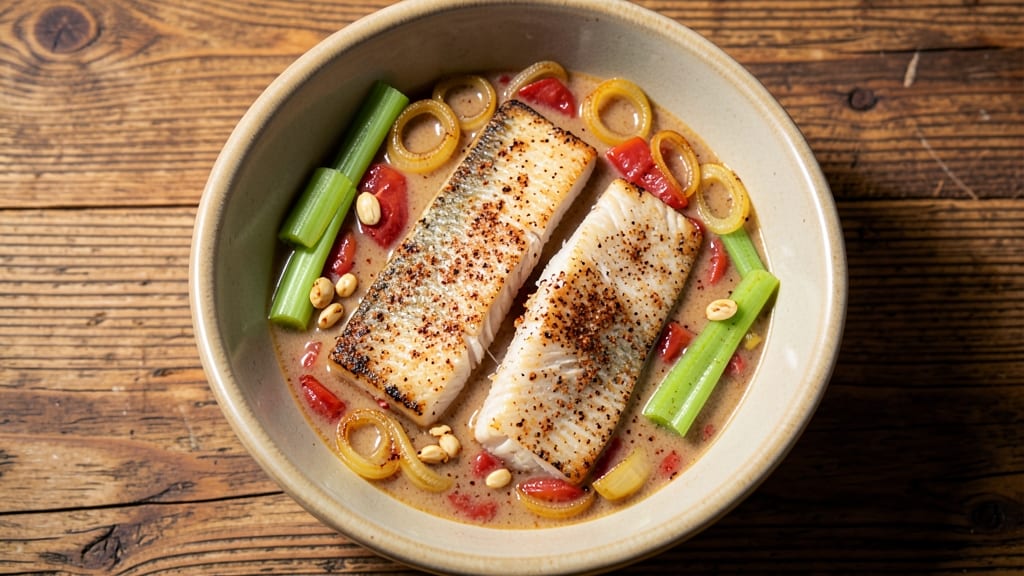
This Philadelphia Snapper Soup brings the soul-warming comfort of a classic East Coast dish to your kitchen table, where tender flakes of snapper melt into a velvety tomato-basil broth.
The secret lies in balancing spiced tomatoes with fresh basil and a touch of cream, creating a soup that’s both rich and light—never heavy or fishy. I’ve perfected this recipe over years of testing, ensuring the snapper stays delicate while absorbing the aromatic flavors without overcooking.
The foundation starts with a deep, spiced tomato base that simmers until it develops a natural sweetness, then layers in fresh basil just before serving to preserve its bright, herbal notes. A splash of cream at the end adds luxurious body without overpowering the fish’s natural sweetness.
The result is a soup that’s hearty enough for a cold evening but light enough to enjoy any time of year.
What makes this recipe stand out is the technique: poaching the snapper directly in the broth ensures it stays moist and flaky, while the right balance of spices—smoked paprika, garlic, and a hint of cayenne—gives depth without heat.
Each spoonful delivers a perfect harmony of textures and flavors, from the tender fish to the silky broth.
Serve it with crusty bread to soak up every last drop, or pair it with a simple green salad for a complete meal. The method is straightforward, but the result feels like a restaurant-quality dish you can recreate at home. Let’s get cooking!
Ingredients for philadelphia snapper soup
A few fresh ingredients and pantry staples transform into this velvety snapper soup.
| Ingredient | Amount | Notes |
|---|---|---|
| Fresh Snapper Fillets 🐟 | 1 ½ lb | Skinless, boneless preferred |
| Canned San Marzano Tomatoes 🍅 | 2 cans | 28 oz each, crushed by hand |
| Yellow Onion 🧅 | 1 whole | Medium size, diced |
| Garlic Cloves 🧄 | 4 cloves | Fresh, minced |
| Celery Stalks 🥬 | 3 whole | Trimmed, chopped |
| Smoked Paprika 🌶️ | 1 tsp | Sweet or mild variety |
| Ground Black Pepper 🌶️ | ½ tsp | Freshly ground preferred |
| Cayenne Pepper 🔥 | ¼ tsp | Adjust for heat preference |
| Fresh Basil Leaves 🌿 | ½ cup | Packed, torn not chopped |
| Heavy Cream 🥛 | ¼ cup | Full-fat for richness |
| Fish Stock 💧 | 2 cups | Homemade or quality store-bought |
| Extra-Virgin Olive Oil 🫒 | 2 tbsp | For sautéing vegetables |
| Salt 🧂 | 1 ½ tsp | Kosher or sea salt |
| Lemon Juice 🍋 | 1 tbsp | Freshly squeezed |
The snapper is the star, so prioritize freshness. Look for skinless, boneless fillets at your local seafood market—they hold up best to poaching. If buying frozen, thaw overnight in the fridge. For the tomatoes, San Marzano cans are worth the investment—they're sweeter and less acidic. The fish stock can be homemade (simmer fish bones with veggies) or store-bought (Imagine or Pacific brand are reliable). Fresh basil is non-negotiable here—dried won't give that bright herbal note. If you can't find it, parsley works in a pinch but expect a different flavor profile.
No smoked paprika? Regular paprika plus a pinch of liquid smoke mimics the depth. Short on cream? Half-and-half or Greek yogurt adds richness without overpowering. The fish stock can be swapped for seafood or vegetable stock, but the flavor will shift slightly. For the vegetables, frozen chopped celery and onion work in a bind, though fresh is always better. If you're sensitive to acidity, reduce the lemon juice to 1 teaspoon—just enough to brighten without overpowering. The key is balancing the flavors so the snapper shines through.
This soup tastes even better the next day as flavors meld. Store in an airtight container in the fridge for up to 4 days. For longer storage, freeze portions for up to 3 months. I like to portion it into individual containers so I can grab a bowl straight from the freezer. The cream will separate when reheated—just stir vigorously before serving. Serve immediately after adding the basil and cream for peak freshness.
Why You'll Love This Recipe
- One-Pot Magic: Honestly, this soup is the kind of recipe that makes me feel like a kitchen ninja—all the flavor, none of the fuss. You’re just tossing together fresh snapper, those rich San Marzano tomatoes, and a quick sauté of onion, celery, and garlic. The heavy cream and fresh basil at the end? That’s the secret handshake that turns it from "meh" to "damn, why isn’t this on every menu?"
- Tomato-Basil Love Affair: The way the crushed San Marzano tomatoes and fresh basil hug the snapper fillets is chef’s kiss—sweet, tangy, and just a whisper of heat from that cayenne. I’ll be real: the lemon juice at the end is non-negotiable. It brightens up the whole pot like a fresh breeze after a long day. You’ll taste the ocean in every spoonful, but the tomatoes keep it from feeling too fishy.
- Leftover Legend: This soup is the ultimate meal-prep MVP. I make a big batch on Sunday, and by Wednesday, it’s gone—even though I know it’s still good. The snapper stays tender, the broth stays velvety, and the cream keeps it from turning into sad, watery leftovers. Plus, freezing portions for up to three months means I can enjoy it all winter long without the guilt of waste.
- Budget-Friendly Luxury: Fresh snapper might sound fancy, but when you pair it with pantry staples like canned tomatoes, garlic, and celery, it’s actually one of my most affordable indulgences. The heavy cream adds richness, but you can cut it in half if you’re watching costs—it’ll still be delicious. Here’s what sold me: you’re paying for quality, not convenience. And trust me, the taste makes it worth every penny.
Step-by-step instructions for Philadelphia snapper soup
Here's the method for creating a velvety tomato-basil snapper soup with perfect texture and depth.
Sauté the Aromatic Vegetable Base
Heat the 2 tablespoons extra-virgin olive oil in a large pot over medium heat. Add the 1 diced yellow onion, 3 chopped celery stalks, and 4 minced garlic cloves, stirring occasionally for 5-6 minutes until the vegetables soften and become translucent.
This foundational step builds flavor—don't rush it. The vegetables should release their natural juices and develop a gentle golden hue before proceeding. Stir in the 1 teaspoon smoked paprika, ½ teaspoon ground black pepper, and ¼ teaspoon cayenne pepper, cooking for an additional 30 seconds to toast the spices and deepen their aroma.
Build the Tomato-Basil Sauce Foundation
Pour in the 2 cans crushed San Marzano tomatoes, scraping the bottom of the pot to incorporate all the caramelized vegetable bits. Add the 2 cups fish stock and bring the mixture to a gentle simmer. Reduce heat to low and let it cook uncovered for 15 minutes, stirring occasionally, until the liquid reduces slightly and the flavors meld together.
Here's where the soup's rich base develops. You'll notice the tomatoes break down and release their sweet, tangy essence. Taste the mixture—it should be seasoned but not overly salty yet. If the soup seems too thick, add ¼ cup water to reach your desired consistency. The sauce should coat the back of a spoon but still have some body.
Add the Snapper and Simmer Gently
Gently add the 1½ pounds fresh snapper fillets, arranging them in a single layer in the simmering liquid. The heat should be at medium-low now—you want to cook the snapper slowly to maintain its delicate texture. Cover the pot and let it simmer for 8-10 minutes until the snapper flakes easily with a fork.
Don't be tempted to rush this step. The snapper should cook just until it becomes opaque and separates into flakes. Overcooking will make it dry and rubbery. As it cooks, the snapper will release its natural oils into the soup, creating a luxurious, seafood-infused broth. The soup should smell like a perfect balance of tomato, basil, and ocean freshness.
Finish with Cream and Fresh Basil
Remove the pot from heat and stir in the ¼ cup heavy cream and ½ cup torn fresh basil leaves. Let the soup sit off the heat for 5 minutes to allow the cream to gently warm through and the basil to release its aromatic oils. The mixture should look vibrant green from the basil and have a velvety sheen from the cream.
This is where the soup transforms from good to exceptional. The cream adds richness while the basil provides a bright, fresh contrast to the tomato base. Give it a taste and adjust seasoning with the 1½ teaspoons salt and 1 tablespoon lemon juice as needed. The lemon juice should brighten the flavors and cut through any richness from the cream.
Serve Warm with Crusty Bread
Ladle the soup into bowls and serve immediately. The perfect bowl of Philadelphia snapper soup should have tender snapper flakes suspended in a velvety tomato-basil broth with just the right amount of creaminess. The texture should be smooth but not heavy, with each spoonful delivering a perfect balance of flavors.
This soup pairs beautifully with crusty bread to soak up every last drop of that luxurious broth. The combination of the warm bread and the velvety soup creates a truly comforting dining experience. Leftovers can be refrigerated for up to 2 days, though I doubt they'll last that long.
Pro Tips For Making Philadelphia Snapper Soup
- Don’t Skip the Tomato Crush: I used to dump those San Marzano tomatoes straight from the can, but crushing them by hand—just as the recipe says—releases their juices and sweetness differently. It’s not about making it smooth; it’s about breaking down those skins so the tomato flavor sings in the soup. Takes 30 seconds but makes a real difference.
- Salt the Snapper First: Season the snapper fillets before they hit the pot—lightly with half the salt and a pinch of black pepper. The recipe calls for 1.5 tsp total, but salting early lets the seasoning penetrate the fish while it cooks, so every flake carries that bright, clean flavor. Trust me, the difference in texture and taste is noticeable.
- Watch the Heat When Creaming: After adding the heavy cream, never let the soup boil again—even for a second. The recipe says to remove it from heat and let it sit for 5 minutes, and that’s non-negotiable. Boiling cream curdles, and once it does, no amount of stirring will fix it. Keep the heat off and let the residual warmth temper it gently.
- Tear, Don’t Chop, the Basil: The recipe specifies torn basil leaves, not chopped, and it’s not just semantics. Torn leaves release their oils more slowly, keeping the soup’s bright green color and aromatic punch without turning it into a basil slurry. It sounds weird, but it works—your soup will taste fresher and more vibrant.
Best sauces and condiments for this philadelphia snapper soup
Bright Lemon Zest
Finish your soup with a squeeze of fresh lemon juice—I always use 1 tablespoon—to brighten the rich tomato-basil base. For an extra zing, add grated lemon zest (about 1 teaspoon) just before serving.
This citrus punch cuts through the creaminess while enhancing the snapper’s natural sweetness. I like to zest the lemon myself for maximum freshness, but pre-grated zest works in a pinch. 🍋
Creamy Upgrade
For a richer finish, stir in ¼ cup heavy cream at the end, but if you prefer a lighter option, swap it for ½ cup coconut milk or Greek yogurt—both add creaminess without heaviness.
I’ve also experimented with a splash of crème fraîche for a tangy twist. Just remember, the cream should be added off heat to prevent curdling. The texture transforms the soup from good to restaurant-quality. 🥛
Herbal Twist
Beyond basil, try torn fresh parsley or cilantro for a different herbal note. I toss in 2 tablespoons chopped parsley alongside the basil for a fresh, vibrant contrast.
For a Mediterranean flair, add a pinch of dried oregano while sautéing the vegetables. These small swaps keep the soup exciting without overpowering the delicate snapper flavor. 🌿
Spicy Kick
If you love heat, add ½ teaspoon of hot honey or a dash of chili flakes to each bowl. For a smoky depth, stir ¼ teaspoon smoked paprika into the soup during the simmering step.
I also love a sprinkle of freshly cracked black pepper on top—it wakes up the flavors right before eating. Adjust to taste, but remember, the cayenne in the base already provides subtle heat. 🔥
Crunchy Garnish
Top your soup with toasted breadcrumbs or crispy fried shallots for texture contrast. I use 1 tablespoon panko breadcrumbs toasted in olive oil for a light crunch, or ¼ cup fried shallots from the grocery store for convenience.
A drizzle of extra-virgin olive oil on top adds a luxurious finish. These toppings elevate the soup from bowl to gourmet. 🍞
Acidic Balance
For a tangy finish, serve with a dollop of whole-grain mustard or a sprinkle of capers. I love the sharp contrast of wholegrain Dijon mixed into the soup itself, but a side of mustard lets guests customize their bowl.
A few chopped capers also add briny brightness—just 1 teaspoon per bowl is enough. These simple additions make the soup feel even more balanced. 🍶
Nutrition facts
Frequently asked questions
Why does this snapper soup need fresh basil instead of dried?
Fresh basil releases its vibrant, bright aroma only when gently warmed—unlike dried basil, which can taste bitter or harsh. The recipe calls for ½ cup torn fresh basil leaves added just before serving to preserve its delicate flavor. Dried basil loses its freshness and won’t give that signature herbal punch.
How do I know when the snapper is cooked just right?
Check for doneness after 8-10 minutes of simmering—it should flake easily with a fork and turn opaque. Overcooking turns it rubbery, while undercooking leaves it opaque but still firm. Test a small piece; if it separates cleanly, it’s perfect!
Can I use another type of fish in this recipe?
While snapper is ideal, delicate white fish like cod or halibut work in a pinch. Avoid firm fish like salmon—they’ll overpower the tomato-basil balance. If substituting, cook for 5-7 minutes less to prevent toughness.
What if my soup is too thick after simmering?
Simply stir in ¼ cup water or fish stock to thin it out. The goal is a velvety yet pourable consistency—like heavy cream. Taste as you go; adjust gradually until smooth.
How do I store leftovers without separating cream?
Let the soup cool completely, then transfer to an airtight container. Reheat gently on the stovetop, stirring constantly until hot—this prevents the cream from curdling. Stirring breaks up any separation that may occur.