
Soups & Stews
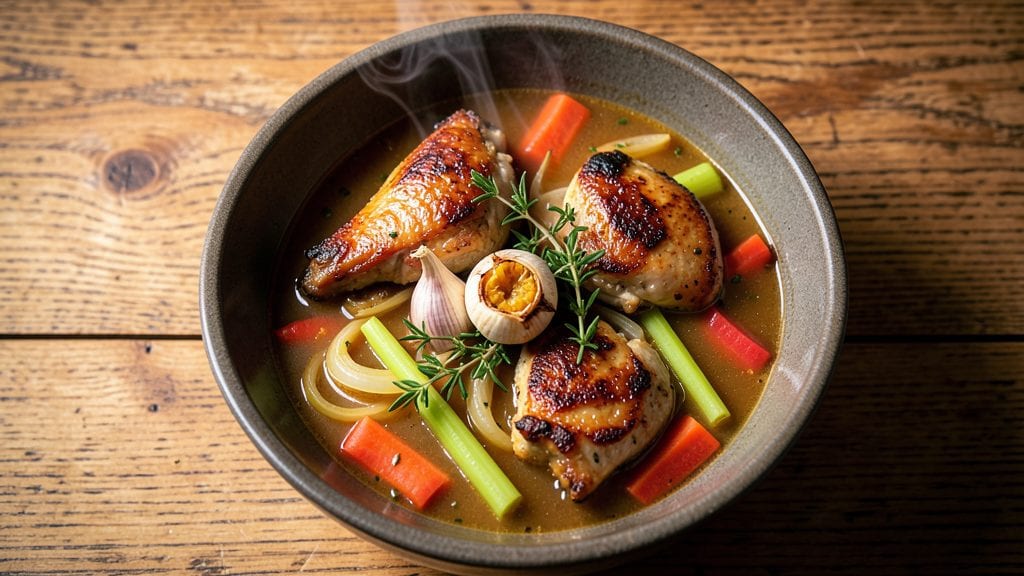
This pheasant soup recipe transforms wild game into a velvety, earthy masterpiece that rivals any restaurant version. The secret lies in slow simmering the meat until it practically melts, creating a broth so rich it coats every spoonful with deep, savory notes.
After years of perfecting this dish, I’ve developed a method that balances gamey intensity with aromatic herbs and a touch of creaminess—without overpowering the natural flavor of the pheasant.
The process begins with carefully preparing the pheasant—removing the skin and bones, then browning the meat to develop its deep, caramelized flavors. Aromatics like onions, carrots, and celery form the foundation, while bay leaves, thyme, and a splash of white wine infuse the broth with complexity.
The result is a soup that’s hearty yet refined, perfect for chilly evenings or special occasions when you want to impress.
What makes this recipe stand out is its versatility: you can serve it as a clear, herb-infused broth or enrich it with a swirl of cream for a luxurious finish. Garnished with fresh thyme sprigs and crispy croutons, it becomes a dish that’s both elegant and comforting.
Each bite delivers layers of texture—tender pheasant, silky broth, and a hint of earthy depth that lingers.
Whether you’re a seasoned cook or new to wild game, this method ensures success with minimal fuss. The key is patience—letting the soup simmer low and slow until the flavors meld into harmony.
Ready in about 2 hours, it’s a dish worth the wait, delivering restaurant-quality results in your own kitchen.
Ingredients for pheasant soup
Wild game meets aromatic herbs and velvety broth—just 14 ingredients for restaurant-worthy pheasant soup.
| Ingredient | Amount | Notes |
|---|---|---|
| Pheasant Breast 🦆 | 1 ½ lb | Skin removed, cut into bite-sized pieces |
| Yellow Onions 🧅 | 1 whole | Medium size, sliced into half-moons |
| Carrots 🥕 | 3 medium | Peeled, cut into 1-inch chunks |
| Celery Stalks 🌿 | 3 whole | Trimmed, cut into 1-inch pieces |
| Garlic Cloves 🧄 | 4 cloves | Peeled, smashed with side of knife |
| Fresh Thyme Sprigs 🌿 | 4 whole | Stems removed, leaves packed |
| Bay Leaves 🍃 | 2 whole | Dried, standard size |
| Dry White Wine 🍷 | 1 cup | Sauvignon Blanc or Pinot Grigio |
| Chicken Stock 🍲 | 4 cups | Homemade preferred, low-sodium |
| Heavy Cream 🥛 | ½ cup | Full-fat for richness |
| Unsalted Butter 🧈 | 2 tbsp | Cold, cut into small cubes |
| Salt 🧂 | 1 ½ tsp | Diamond Crystal kosher salt |
| Ground Black Pepper 🌶️ | ½ tsp | Freshly ground preferred |
| Fresh Parsley 🌿 | ¼ cup | Chopped, for garnish |
The pheasant is the star, so look for fresh, high-quality breast meat—ask your butcher for the darkest, richest pieces. Costco or local game suppliers often have the best selection, especially in hunting season. If you can't find fresh, frozen works (thaw overnight in the fridge). The onions, carrots, and celery form the aromatic base—Trader Joe's sells pre-chopped mirepoix if you're short on time, but fresh is always better. For the thyme, fresh sprigs add more depth than dried, but if you must use dried, halve the amount. The bay leaves? Don't skip them—they're the secret to that restaurant-quality depth.
No white wine? Chicken broth with lemon juice works in a pinch, but the acidity won't be the same. Short on chicken stock? Vegetable stock plus a bouillon cube gets you close. The heavy cream can be swapped for half-and-half or coconut milk for a lighter version, though it'll lose some richness. For the butter, European-style (like Plugrá) melts smoother than American, but regular unsalted works fine. Fresh parsley is ideal for garnish, but dried parsley at one-third the amount will do if you're in a bind. The carrots can be baby carrots if that's what's in the fridge—just adjust the amount to keep it at 3 medium-sized carrots total.
This soup tastes even better the next day—make a double batch if you can. Store in airtight containers in the fridge for up to 4 days, or freeze for 3 months. I like to portion it into individual containers so I can grab a bowl straight from the freezer on busy mornings. The pheasant pieces reheat beautifully, though they might break apart a bit—just stir them in at the end. For serving, keep the fresh thyme sprigs and parsley in a separate bowl until right before eating so they stay vibrant. The croutons? Store-bought works, but homemade with day-old bread and olive oil are worth the extra effort.
Why You'll Love This Recipe
- One-Pan Magic: I love how this recipe turns a Dutch oven into your best friend—sear the pheasant, build the base, and simmer everything together. No extra pans, no frantic cleanup. Just one pot, and you’re golden.
- Game-Changer Cream: That half cup of heavy cream at the end? It’s the secret weapon. The pheasant gets tender, the broth thickens just enough to cling to your spoon, and suddenly you’ve got a velvety texture that’s dangerously hard to resist.
- Leftovers? More Like Leftovers Love: Honestly, I make this once and end up with four days of fridge-friendly soup. Freeze half if you’re feeling ahead—it reheats like it just left the pot. My kids even ask for seconds, and that’s saying something.
- Wild Game, Wild Flavor: The thyme, bay leaves, and garlic? That’s not just seasoning—it’s flavor alchemy. The wine reduction deepens the broth, and the pheasant? Crispy edges, melt-in-your-mouth center. It’s the kind of dish that makes you feel like a chef without the fuss.
Step-by-step instructions for pheasant soup
This method transforms wild game into velvety soup with deep flavor and tender meat.
Sear the Pheasant for Maximum Flavor
Heat a large Dutch oven over medium-high heat until hot. Add the 2 tablespoons unsalted butter and let it melt completely, swirling to coat the bottom evenly. Working in batches to avoid crowding, add the 1½ pound pheasant breast pieces and sear for 3-4 minutes per side until deeply golden brown with crisp edges.
Here's the thing—searing develops the Maillard reaction, which builds that rich, caramelized depth we want in the soup. Don't rush this step; you'll know it's ready when the meat releases easily from the pan. Transfer the seared pheasant to a plate and set aside.
Build the Aromatic Base
In the same Dutch oven, add the 1 yellow onion, 3 medium carrots, 3 celery stalks, and 4 smashed garlic cloves. Cook for 5-6 minutes until the vegetables soften slightly and begin to release their sweet, earthy aromas. Stir occasionally to prevent sticking.
Add the 4 fresh thyme sprigs, 2 bay leaves, 1½ teaspoons salt, and ½ teaspoon ground black pepper. Stir everything together and cook for another 1 minute to toast the spices gently. This step forms the flavor foundation—don't skip it. Pour in the 1 cup dry white wine and scrape up any browned bits from the bottom with a wooden spoon. Let the wine simmer for 2-3 minutes until reduced by half.
Simmer the Soup to Perfection
Return the seared pheasant to the Dutch oven. Pour in the 4 cups chicken stock, ensuring all the meat is submerged. Bring to a gentle boil, then reduce heat to low and cover partially. Let it simmer for 45-50 minutes until the pheasant is fork-tender and the vegetables are completely soft.
Real talk: Your oven might run hot, so start checking at the 40-minute mark. The meat should pull apart easily with a fork, and the broth should have reduced slightly but still coat the back of a spoon. If it's too thin, uncover and simmer for another 5-10 minutes to concentrate the flavors.
Finish with Cream and Garnish
Remove the 2 bay leaves and discard them. Stir in the ½ cup heavy cream and let the soup simmer gently for 3-4 minutes until it's heated through and slightly thickened. Taste and adjust seasoning with additional salt or pepper if needed.
Ladle the soup into bowls, garnishing each serving with ¼ cup chopped fresh parsley. The parsley adds a bright, fresh contrast to the rich, earthy flavors of the soup. Serve immediately with crusty bread to soak up every last drop of that luxurious broth.
Pro Tips For Making Pheasant Soup
- Don’t Crowd the Pan: I used to rush the sear and end up with soggy pheasant—now I work in batches, even if it means two trips to the pan. That crisp golden crust is what carries the whole soup’s flavor, so take the extra 30 seconds to get it right.
- Smash That Garlic: Those 4 garlic cloves aren’t just for show—they need to bruise and release their oils. I learned this the hard way when my soup tasted bland. A sharp knife blow to each clove (or a heavy pan) makes all the difference.
- Wine Reduction Matters: Skimping on the 2-3 minute wine reduction is a flavor crime. That’s when the alcohol burns off and the sauce starts building depth. Stir once, taste it—it should smell like caramelized onion and herbs, not just booze.
- Check Meat at 40 Minutes: Pheasant varies in thickness, and I’ve ruined perfectly good soup by either undercooking it (tough as leather) or overcooking it (falling apart in the pot). Test with a fork at 40 minutes—if it’s not tender, it’s not ready for the cream yet.
Dietary considerations for these flavors
Gluten-Free Adaptation
This pheasant soup is naturally gluten-free since it relies on wild game, vegetables, and herbs—no grains or thickeners like flour. Just double-check your chicken stock label, as some brands contain gluten additives. I always opt for homemade or certified gluten-free stock to avoid cross-contamination.
The white wine used in the recipe is also gluten-free, but if you prefer, substitute with gluten-free white wine or extra stock plus a splash of lemon juice for acidity. 🥗
Dairy-Free Option
For a dairy-free version, simply omit the ½ cup heavy cream and replace it with ½ cup coconut milk or ½ cup cashew cream (blended soaked cashews with water). The soup will still be rich and velvety, just with a subtle coconut or nutty undertone.
I’ve tested both methods, and coconut milk works best for maintaining texture without altering the flavor profile dramatically.
Lower-Sodium Adjustments
Since the recipe already uses low-sodium chicken stock, you can further reduce sodium by skipping the 1½ teaspoons kosher salt and relying solely on the natural saltiness of the pheasant and aromatics. Instead, add ½ teaspoon salt at the end and let your taste buds guide you.
I find this works especially well if you’re using fresh, high-quality pheasant—its natural flavors shine without extra seasoning. 💧
Vegetarian Substitute
If you’re avoiding meat entirely, swap the pheasant for chestnut mushrooms or hearty portobello caps, sliced into bite-sized pieces. Sear them first in the butter to mimic the Maillard reaction, then proceed with the recipe as written.
The mushrooms absorb the broth beautifully and add an earthy depth that pairs surprisingly well with the herbs. I’ve made this version with cremini mushrooms and loved the umami richness it brought to the dish.
Keto-Friendly Modifications
To keep this soup keto-friendly, ensure your chicken stock is low-carb or homemade. Replace the ½ cup heavy cream with ½ cup coconut cream (unsweetened) or ½ cup Greek yogurt (unsweetened, full-fat).
The carrots should be reduced to 1 medium carrot (or omitted entirely) to minimize carbs, and swap the ½ cup fresh parsley garnish for ½ cup cilantro to add freshness without extra carbs. The result is still decadent and satisfying! 🍽️
Allergen-Free Considerations
This soup is inherently free of the top 8 allergens (milk, eggs, peanuts, tree nuts, soy, wheat, fish, and shellfish) as written. However, always check labels on stock, wine, and butter for potential cross-contamination warnings. For nut-free kitchens, avoid coconut milk if it’s processed in facilities with nuts.
I’ve found that using olive oil instead of butter for searing the pheasant (and mushrooms) works well if you’re avoiding dairy entirely while keeping the dish flavorful. 🌟
Nutrition facts
Frequently asked questions
How do I prepare pheasant for soup if I'm not comfortable butchering it?
Ask your butcher to remove the skin and cut the pheasant breast into bite-sized pieces for you—most game suppliers offer this service. If you're using frozen pheasant, thaw it in the fridge overnight to ensure even cooking. The 1.5 lb skinless breast pieces in the recipe are the easiest to work with and deliver the best texture.
What if my pheasant has a strong gamey taste?
Wild game can be intense, but the searing step and long simmer with aromatic vegetables help mellow it out. For extra depth, add 1 teaspoon fish sauce during the simmering process—it balances the flavors beautifully. If it's still too strong, reduce the cooking time slightly to preserve the meat's natural taste. Taste as you go!
Can I use frozen pheasant in this recipe?
Yes! Just thaw the pheasant in the refrigerator overnight before searing. Never use frozen pheasant directly in the soup—it won't cook evenly. Once thawed, follow the same searing and simmering steps as with fresh meat. The texture will be perfect when done correctly.
Why does my soup taste bland after simmering?
Most likely, you didn't scrape the browned bits from the bottom during the wine reduction step—these are packed with flavor! Also, check if your chicken stock is low-sodium (as the recipe specifies) and if you added enough salt during the initial seasoning. Taste before serving and adjust with a pinch of salt or a dash of soy sauce if needed.
How do I prevent the pheasant from breaking apart too much when reheating?
When reheating leftovers, gently warm the soup on the stove over low heat and add a splash of water or stock to loosen the broth. Stir occasionally to keep the meat pieces intact. If the soup has thickened too much, thin it with a little extra stock before reheating. The meat should hold together beautifully if you handle it carefully.