
Soups & Stews
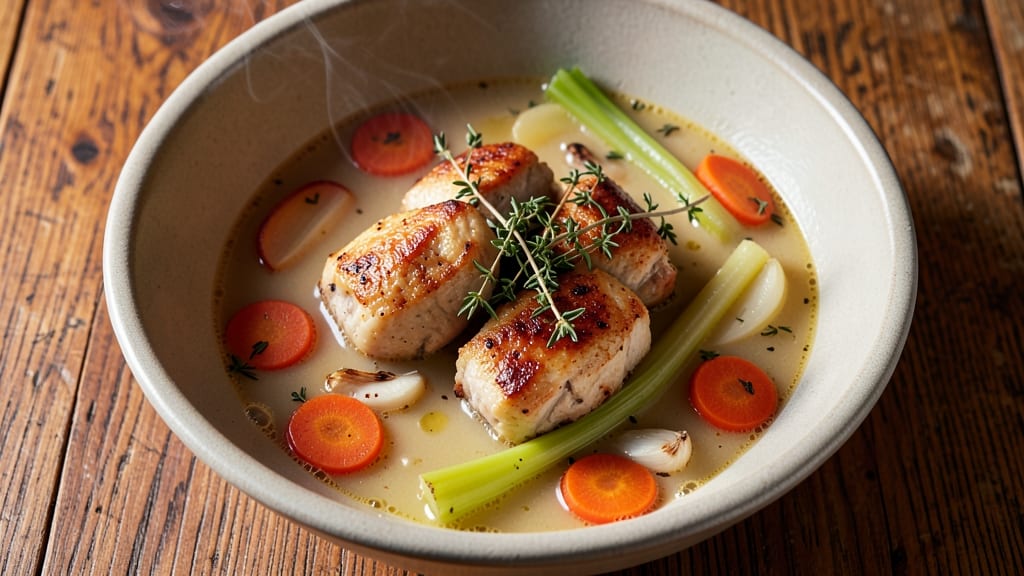
This rabbit soup recipe transforms wild game into a hearty, aromatic dish that feels like a hug in a bowl—rich with herbed clarity and deep savory notes.
The secret lies in slow-browning the rabbit meat to develop a deep, caramelized crust before simmering it in a fragrant broth of onions, carrots, and celery.
I first discovered this technique during a hunting season when I had more rabbit than I knew what to do with, and it became an instant family favorite.
The process is methodical but rewarding: sear the rabbit pieces in batches to avoid crowding, then deglaze the pan to capture every flavorful bit. Aromatics like thyme, bay leaves, and a splash of white wine infuse the broth with complexity, while root vegetables add natural sweetness.
The result is a soup that balances earthy game flavors with bright, fresh herbs—comforting enough for a chilly evening but sophisticated enough for a dinner party.
By the time you ladle the first bowl, you’ll notice the rabbit meat falling tenderly from the bone, the broth rich and fragrant, and the herbs adding a fresh, herby brightness.
This is the kind of soup that warms the soul and leaves everyone asking for seconds. Serve it with crusty bread to soak up every last drop of that flavorful broth.
For those who prefer a lighter touch, you can reduce the simmer time slightly, though I recommend letting it cook low and slow for the best texture. The key is patience—rushing the process will leave you with tough meat and a weak broth.
This recipe delivers on both comfort and depth, making it a standout in any soup rotation.
Ingredients for rabbit soup
A handful of pantry staples and gamey goodness transform into this comforting rabbit soup.
| Ingredient | Amount | Notes |
|---|---|---|
| Rabbit Pieces 🦐 | 3 lb | Bone-in, cut into chunks |
| Yellow Onions 🧅 | 3 whole | Thinly sliced, for depth |
| Carrots 🥕 | 3 whole | Peeled, cut into chunks |
| Celery Stalks 🌿 | 3 whole | Chopped, aromatic base |
| Garlic Cloves 🧄 | 6 cloves | Minced, for richness |
| Dried Thyme 🌿 | 1 tbsp | Fresh if available (use half) |
| Bay Leaves 🍃 | 2 whole | For deep aromatic notes |
| Dry White Wine 🍷 | 1 cup | Any crisp variety works |
| Chicken Broth 🍲 | 6 cups | Low-sodium preferred |
| Salt 🧂 | 1 tsp | Kosher or sea salt |
| Black Pepper 🌶️ | ½ tsp | Freshly ground for flavor |
| Olive Oil 🫒 | ½ cup | Extra-virgin for richness |
| Fresh Parsley 🌿 | ¼ cup | Chopped, for garnish |
| Crusty Bread 🍞 | 4 slices | For serving, optional |
Rabbit is the star here, so bone-in pieces give you that melt-in-your-mouth texture—no need to buy pre-cut. I always grab mine from a trusted game processor or butcher who handles it properly. Look for bright red meat with minimal dark spots—freshness matters. If you're hunting yourself, freeze the meat immediately to preserve quality. The key is to sear it well before simmering; this develops that deep, caramelized flavor that makes the soup unforgettable. For extra richness, I like to add a splash of white wine during the deglazing step—any crisp variety works, but something like Sauvignon Blanc adds brightness.
No rabbit? Chicken thighs or duck legs work in a pinch—just increase the simmer time by 30 minutes. Fresh thyme is ideal but dried works at half the amount. Short on wine? Use extra chicken broth—just add a splash of lemon juice at the end for brightness. The carrots and celery can be baby versions if that's what you've got, but whole root vegetables add more body to the broth. For a lighter touch, skip the crusty bread or serve it on the side—it's still delicious without.
This soup tastes even better the next day as flavors meld. Store in an airtight container for up to 5 days in the fridge, or freeze for 3 months. I portion mine into containers so lunches are sorted for the week. The bread? Toast it lightly before serving to keep it crisp. If you're feeding a crowd, double the broth and rabbit—it scales beautifully. The herbs wilt fast, so add them just before serving or store them separately in a damp paper towel.
Why You'll Love This Recipe
- I’ll be real: I’ve burned chicken stock before, but this recipe forgives mistakes. The rabbit simmers low and slow, so even if you step away for a few minutes, it’ll still turn out tender. Plus, the crusty bread on the side? Instant gratification. No fancy plating needed—just hearty, satisfying soup that’ll have you licking the bowl.
- One-Pot Magic: This recipe is that kind of dish—you toss everything into one Dutch oven, and suddenly you’ve got dinner. No extra pans, no frantic cleanup. The rabbit sears up golden in batches, then the onions, carrots, and celery take over while you sip your wine. Honestly, the hardest part is resisting the urge to taste-test the broth halfway through.
- Herbal Depth Bomb: The thyme and bay leaves? Game-changers. They turn this from a simple broth to something complex—like a hug in a bowl. The white wine deglaze lifts the flavors, and that fresh parsley at the end? It’s the cherry on top, brightening up the richness. My daughter insists on picking the parsley herself now, but she still asks for seconds.
- Feeds a Crowd (or Me): This makes enough for leftovers—and it’s the kind of soup that tastes even better the next day. Freeze half for a lazy weeknight, or bring it to a potluck where everyone will be asking for the recipe. It’s budget-friendly too; rabbit is lean but packed with flavor, so you won’t feel like you’re skimping on taste.
Step-by-step instructions for rabbit soup recipe
Here's how to transform wild rabbit into a hearty, comforting soup with rich herbal notes.
Sear the Rabbit Pieces for Deep Flavor
Heat the ½ cup olive oil in a large Dutch oven over medium-high heat until shimmering. Working in batches to avoid crowding, add the 3 lb rabbit pieces and sear for 3-4 minutes per side until golden brown. This step develops the meat's natural flavors through the Maillard reaction.
Remove the rabbit from the pot and set aside. You'll notice the meat releases its juices and browns beautifully—this is your foundation for flavor. Don't rush this step; proper searing prevents a bland broth later. Keep the browned bits in the pot as they'll form the base of your soup.
Build the Aromatic Base
In the same Dutch oven, add the 3 yellow onions, 3 carrots, and 3 celery stalks chopped. Cook for 5-7 minutes until the vegetables begin to soften and the onions become translucent. This creates the classic mirepoix that forms the flavor backbone of your soup.
Add the 6 garlic cloves and cook for 30 seconds until fragrant. Then stir in the 1 tbsp dried thyme and 2 bay leaves. Pour in the 1 cup dry white wine and scrape up all the browned bits from the bottom of the pot. Let it simmer for 2 minutes until the wine reduces by half. This deglazing step captures all the meaty flavors you worked so hard to develop.
Simmer the Soup to Perfection
Return the rabbit pieces to the pot and add the 6 cups chicken broth. Bring to a gentle boil, then reduce heat to low-medium and cover partially. Simmer for 1 hour to 1 hour 15 minutes until the rabbit meat is fork-tender and easily pulls away from the bone. You'll know it's done when the meat separates cleanly with minimal resistance.
Season with the 1 tsp salt and ½ tsp black pepper. Taste the broth and adjust seasoning if needed—this is where you ensure the flavors are balanced. The soup should be rich but not overly salty, with the herbal notes from thyme and bay leaves prominent but not overpowering.
Finish and Serve with Crusty Bread
Remove the rabbit meat from the broth and strain the liquid through a fine-mesh sieve into a clean pot. Discard the bay leaves and thyme stems, but reserve the meat for serving. Return the broth to a gentle simmer and stir in the ¼ cup fresh parsley for brightness.
To serve, ladle the hot broth over the rabbit pieces in bowls. Offer the 4 slices crusty bread on the side for dipping. The bread's texture contrasts beautifully with the velvety soup, creating the perfect comfort food experience. Each spoonful should deliver tender rabbit, aromatic vegetables, and a rich broth that warms you from the inside out.
Pro Tips For Making Rabbit Soup
- Sear in Batches: Rabbit releases more juice than chicken—crowd the pan, and you’ll steam the meat instead of sear it. Work in two batches if needed, and let the oil recover its heat between additions. I learned this the hard way when my first batch turned soggy and pale.
- Salt the Broth Early: Rabbit absorbs salt like a sponge, so add the 1 tsp salt before the full simmer begins. Taste the broth after 30 minutes of cooking and adjust—this prevents over-salting later when the flavors concentrate. Trust me, you’ll regret waiting until the end.
- Deglaze Aggressively: That browned rabbit fond at the bottom? It’s pure flavor gold. Scrape it up with a wooden spoon while the wine is still hot, and let it bubble for those 2 minutes—don’t skimp. I used to pour in the wine and stir once, and the soup always tasted flat.
- Test Meat Twice: Rabbit can go from tender to shredding in minutes. Check for doneness at the 1-hour mark by pulling a piece apart—it should resist slightly but still flake easily. If it’s tough, give it another 10 minutes. Overcooking turns it rubbery, and no one wants that.
Storing and reheating this dish
Refrigerator Storage
Let your rabbit soup cool to room temperature for no more than 2 hours before transferring it to airtight glass containers—I use Pyrex with snap-on lids.
Store at 40°F or below for up to 5 days, and you’ll notice the flavors deepen overnight as the herbs and aromatics meld beautifully. 🥣
Freezing for Later
For longer storage, freeze portions in quart-sized freezer bags or silicone molds, leaving 1 inch of headspace to prevent expansion. Label with the date—this soup stays delicious for 3 months without losing texture or flavor. I portion mine into individual servings for easy reheating later.
Reviving Leftovers
Stovetop reheating is my go-to method: pour soup into a heavy-bottomed pot, add ¼ cup chicken broth, and warm over medium-low heat for 10-15 minutes. Avoid high heat to prevent a grainy texture. Taste and adjust salt or pepper—leftovers often need a pinch of salt after sitting. 🔥
Microwave Hack
For quick lunches, microwave individual portions covered with a damp paper towel on 70% power for 2-3 minutes, stirring halfway. Add a splash of water if it looks dry. This method works best for broth-only servings—save the rabbit pieces for stovetop reheating to maintain tenderness.
Bread Prep Tip
If serving with crusty bread, lightly toast the slices before reheating the soup. This keeps the bread crisp and prevents sogginess when dipped. Store bread separately in a paper bag at room temperature until serving. The contrast of textures elevates every spoonful. ✨
Nutrition facts
Frequently asked questions
Can I substitute chicken or duck for rabbit in this recipe?
Use chicken thighs or duck legs instead, but increase simmering time by 30 minutes to ensure tenderness. Dark meat stays juicier when slow-cooked. For duck, trim excess fat first to avoid greasy broth. The flavor profile will be slightly different but still hearty and satisfying.
Why does the recipe call for bone-in rabbit pieces?
Bone-in rabbit adds incredible depth of flavor and stays more tender during simmering. The bones release collagen into the broth, creating a richer, more velvety texture. If you prefer boneless, use rabbit breast or leg meat and reduce simmering time by 15 minutes to prevent dryness.
What if I don't have white wine for deglazing?
No problem! Use chicken broth + 1 tbsp lemon juice or apple cider vinegar instead. Both add acidity to brighten the broth. For a non-acidic option, just use extra broth and a pinch of sugar to balance flavors. The key is to deglaze thoroughly to capture all those meaty browned bits.
How do I know when the rabbit meat is fully cooked?
The meat is done when it easily pulls away from the bone with minimal resistance and reaches an internal temperature of 165°F. Test by inserting a meat thermometer into the thickest piece. For extra tenderness, let it rest in the broth for 5 minutes after cooking before serving.
Can I make this soup in a slow cooker?
Yes! Sear the rabbit first, then transfer everything to a slow cooker. Cook on low for 4-5 hours or high for 2-3 hours. The slow cooker method is perfect for hands-off prep, but you may need to add ½ cup extra broth to compensate for evaporation.