
Soups & Stews
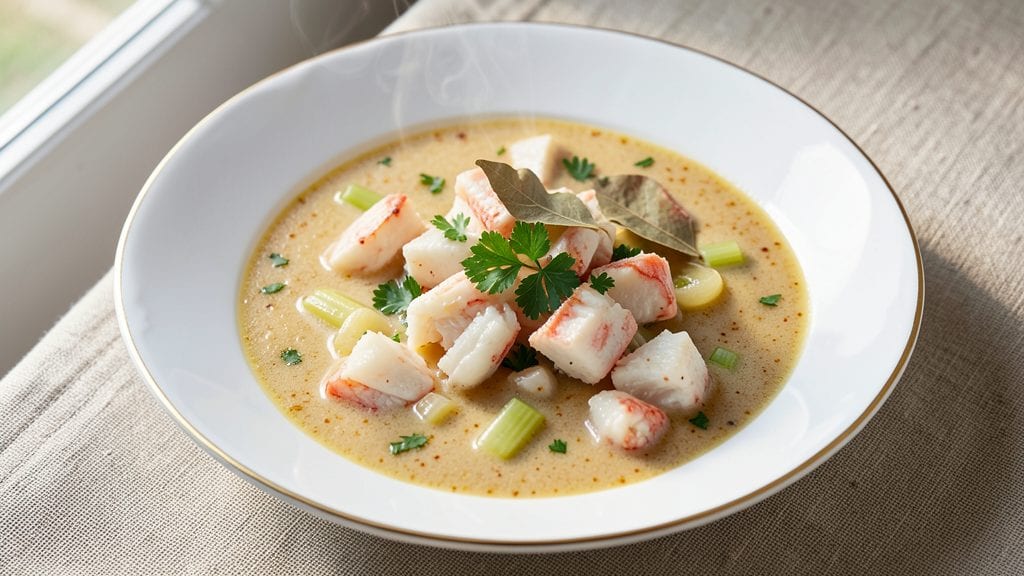
This Old Bay seasoning crab soup delivers the perfect balance of flaky shellfish and aromatic spices that transform a simple seafood broth into something extraordinary.
The secret lies in how Old Bay transforms the broth—its signature blend of celery, paprika, and cayenne creates a warm, tangy backbone that lets the sweetness of crab truly shine.
I developed this recipe during a particularly chilly evening when I wanted to bring coastal flavors indoors without the fuss of a seafood market.
The foundation starts with a rich, well-seasoned broth that simmers for 20 minutes to develop depth, while the crab (whether fresh, frozen, or pre-cooked) gets its signature Old Bay treatment before being folded in at the last moment.
This ensures each bite delivers that signature tangy-spicy kick while keeping the shellfish tender and flaky—no rubbery texture here. The result is a soup that feels both comforting and sophisticated, with every spoonful packed with flavor.
What makes this recipe stand out is how the Old Bay seasoning works in harmony with the natural sweetness of crab and the creaminess of the broth. The final touches—bright lemon zest, fresh green onions, and a drizzle of hot sauce—elevate it from ordinary to unforgettable.
Whether you're serving this as a cozy weeknight dinner or a special occasion dish, it's guaranteed to impress without requiring advanced skills.
Best of all, this recipe is versatile enough to work with different types of crab—lump, claw, or even imitation—and can be made ahead for even better flavor development. The key is patience in the simmering and precision in the seasoning. Let's get cooking!
Ingredients for old bay seasoning crab soup
Pantry staples meet coastal sophistication—Old Bay’s signature warmth meets flaky crab in this creamy, aromatic soup.
| Ingredient | Amount | Notes |
|---|---|---|
| Lump Crab Meat 🦀 | 1 ½ lb | Fresh or thawed, shell removed |
| Heavy Cream 🥛 | 1 cup | Full-fat for optimal creaminess |
| Chicken Broth 💧 | 4 cups | Low-sodium, homemade preferred |
| Old Bay Seasoning 🌶️ | 2 tbsp | Classic blend for signature flavor |
| Celery Stalks 🧅 | 2 whole | Diced, for aromatic base |
| Yellow Onion 🧅 | 1 whole | Medium, finely chopped |
| Garlic Cloves 🧄 | 4 cloves | Minced, for aromatic depth |
| Fresh Lemon Zest 🍋 | 1 tbsp | Bright citrus accent |
| Green Onions 🧅 | ¼ cup | Sliced, for fresh finish |
| Hot Sauce 🔥 | 1 tbsp | Optional, for heat |
| Butter 🧈 | 2 tbsp | Unsalted, for richness |
| All-Purpose Flour 🌾 | 1 tbsp | For thickening broth |
| Salt 🧂 | 1 tsp | Adjust to taste |
| Black Pepper 🌶️ | ½ tsp | Freshly ground |
| Bay Leaves 🍃 | 2 whole | For subtle herbal notes |
The crab meat is the star, so prioritize quality. Fresh lump crab from a seafood market delivers the best texture, but high-quality frozen works perfectly too—thaw it overnight in the fridge. For the Old Bay seasoning, Penzeys or McCormick brands offer the most authentic flavor profile. The celery, onion, and garlic form the aromatic base—don’t skip the dicing finely for even distribution of flavor. If you’re using pre-cooked crab, ensure it’s fully thawed before adding to the broth to maintain its delicate texture.
No lump crab? Claw meat or imitation crab works in a pinch, though texture will differ. Substitute heavy cream with half-and-half for lighter richness or coconut milk for a dairy-free option. The Old Bay seasoning can be adjusted—reduce to 1.5 tablespoons if you prefer milder heat. For the flour slurry, whisk it with cold water before adding to the simmering broth to prevent clumping. The hot sauce is optional but recommended for that signature tangy kick—Crystal or Tabasco brands are ideal.
This soup tastes even better the next day as flavors meld. Store in an airtight container in the fridge for up to 3 days, or freeze portions for up to 2 months. Reheat gently on the stove, stirring occasionally, and add a splash of water or broth if it thickens too much. For serving, garnish with extra lemon zest and green onions—freshly grated Parmesan also pairs beautifully for added umami depth.
Why You'll Love This Recipe
- No-Pot-Washing Regret: I love that this soup only needs one pot and one spatula—no scrubbing pans or dealing with a million bowls. The flour thickens the broth right in the same pot where I build the base, and by the time I add the crab, everything’s already clean. My kitchen stays spotless while the house smells like a seaside shack.
- Old Bay Magic: That 2 tablespoon Old Bay isn’t just seasoning—it’s the star. The garlic and bay leaves caramelize just enough to give it depth, while the lemon zest cuts through the richness of the heavy cream. Honestly, the first bite always makes me pause because it’s that good.
- Leftovers? More Like Leftovers 2.0: I make this for dinner, then reheat the next day for lunch, and honestly, it tastes even better cold. The flavors meld together, and the crab stays tender. Freezing portions for up to 2 months means I can have a ready-to-eat meal on those busy nights when I’d normally just order takeout.
- Weeknight Hero: Between chopping the onion and onion and mincing the garlic, it’s not completely hands-off, but it’s unfussy. The crab cooks in just 3-4 minutes, and the soup simmers while I do other things. My daughter picks out the green onions to garnish, but she still asks for seconds. That’s my kind of recipe.
Step-by-step instructions for Old Bay seasoning crab soup
Master this technique to achieve a velvety broth with tender crab and aromatic depth.
Build the Aromatic Base
Melt the 2 tablespoons butter in a large pot over medium heat. Add the 1 finely chopped yellow onion and 2 diced celery stalks, cooking for 5 minutes until softened. Stir in the 4 minced garlic cloves and 2 bay leaves, cooking for 30 seconds until fragrant.
Here's the thing—this foundational step develops the soup's depth. If you rush it, the flavors will remain flat. The bay leaves infuse subtle herbal notes that complement the Old Bay seasoning perfectly. Keep the heat steady to prevent burning the garlic before it releases its aroma.
Thicken and Season the Broth
Sprinkle the 1 tablespoon all-purpose flour over the vegetables and stir vigorously for 1 minute to coat the pieces evenly. Gradually whisk in the 4 cups chicken broth, ensuring no lumps remain. Add the 2 tablespoons Old Bay seasoning, 1 teaspoon salt, and ½ teaspoon black pepper. Bring to a gentle simmer and cook for 10 minutes to allow flavors to meld.
This is where the signature spice profile develops. The flour creates a natural roux that thickens the broth slightly while preventing curdling when the cream is added later. Taste the broth now—it should be seasoned but not overwhelming. If it needs more depth, add a pinch of additional Old Bay, but be cautious as it's potent.
Incorporate Cream and Citrus
Reduce heat to low and stir in the 1 cup heavy cream and 1 tablespoon fresh lemon zest. Simmer gently for 5 minutes, stirring occasionally. Remove the 2 bay leaves before proceeding. The soup should now be silky with a bright citrus note that cuts through the richness.
Don't skip the lemon zest—it's essential for balancing the soup's creaminess. If the mixture looks curdled, whisk vigorously and return to heat for another minute. The cream should coat the back of a spoon but remain pourable. Here's where the soup's luxurious texture begins to form.
Add Crab and Finish
Gently fold in the 1½ pounds lump crab meat, using a spatula to avoid breaking the delicate pieces. Simmer for 3-4 minutes until the crab is heated through but remains flaky—it should still have slight resistance when pierced with a fork. Stir in the 1 tablespoon hot sauce and ¼ cup sliced green onions, reserving some for garnish.
This is the moment that matters: the crab must cook just until heated through. Overcooking turns it rubbery, while undercooking leaves it raw. The hot sauce adds a subtle kick that complements the Old Bay perfectly. Remove from heat immediately after the crab reaches temperature—any longer and you'll compromise its texture.
Pro Tips For Making Old Bay Seasoning Crab Soup
- Sweat the Celery: I used to skip this step and just toss in raw celery, but those 5 minutes of cooking until softened—until it’s almost translucent—makes a real difference. The flavor mellows into the broth instead of staying sharp and vegetal. (Yes, even if you're impatient like me.)
- Whisk the Flour Hard: That 1 minute of stirring the flour into the vegetables isn’t just busywork—it’s what keeps the broth smooth. If you rush it, you’ll end up with lumps that turn into pasty bits in your soup. Trust me, your spoon will thank you later.
- Test the Crab: The second the crab loses that slight resistance when you pierce it with a fork, it’s done. No guessing, no "just a little longer." Overcooking turns it to rubber, and that’s a fast track to disappointment. Set a timer if you have to—3-4 minutes max after adding it.
- Zest First, Cream Second: Add the lemon zest before the heavy cream—it dissolves better and brightens the whole pot. And if the cream ever looks curdled after adding it, don’t panic. A quick whisk and another minute on low heat fixes it every time. (Your future self will thank you.)
Regional styles of this dish
New England Coastal Twist
In New England, this soup often gets a local twist by incorporating claw meat instead of lump crab, creating a heartier texture that’s perfect for brisk coastal winters.
I’ve seen lobster bisque-inspired versions where 1 cup clam juice replaces half the chicken broth, adding a briny depth that complements the Old Bay’s warmth. The key difference? New England cooks often simmer the crab longer—up to 5 minutes—to ensure the flavors fully absorb into the broth. 🌊
Southern Seafood Fusion
Down South, this soup gets a spicy kick with the addition of ½ tsp cayenne pepper mixed into the Old Bay before adding it to the broth.
My friend in Charleston swears by topping it with crumbled bacon and a dollop of sharp cheddar cheese, creating a rich, smoky contrast. The Southern approach also often includes andouille sausage for protein variety, turning it into a full seafood-stuffed stew. 🔥
Caribbean-Inspired Variations
Caribbean-style versions swap heavy cream for coconut milk, adding a tropical twist while keeping the soup’s velvety texture. I’ve tasted versions where 1 lime’s worth of zest and juice replace the lemon, and scallions are used instead of green onions for a milder finish.
The Old Bay seasoning remains the soul of the dish, but the coconut milk gives it a creamy, slightly sweet profile that feels like summer in a bowl. 🌴
Low-Country Style
In South Carolina’s Lowcountry, this soup often features shrimp and crab meat together, with a lightly spiced roux instead of flour for thickening. The roux is made from 1 tbsp butter and 1 tbsp flour, cooked until golden, which adds a nutty depth.
My Lowcountry friend adds a splash of shrimp stock to the broth for extra umami, and finishes it with fresh parsley instead of green onions. The result? A soup that’s rich, complex, and full of coastal charm. 💛
Modern Minimalist Approach
For a contemporary take, I’ve seen versions where the Old Bay is brushed directly onto the crab meat before folding it into the soup, ensuring every bite carries that signature spice.
Some modern recipes also reduce the cream to ½ cup and balance it with a splash of fish stock, keeping the soup lighter but still deeply flavorful. Garnishes like edible flowers or microgreens elevate the dish for a restaurant-worthy presentation. ✨
Nutrition facts
Frequently asked questions
Can I use frozen crab meat instead of fresh?
Frozen lump crab meat works perfectly—just thaw it overnight in the fridge before using. The texture remains flaky and tender when cooked properly for 3-4 minutes in the soup. Just ensure it's fully thawed to avoid any icy pockets that could dilute the broth.
Why does my soup look curdled after adding cream?
Curdling happens when the cream heats too quickly or the broth is overly acidic. Reduce heat to low and whisk constantly when adding cream, then simmer gently for 5 minutes. If it curdles, remove from heat, let cool slightly, then whisk vigorously before reheating. The lemon zest helps balance acidity, so don’t skip it!
Can I make this soup ahead of time?
Yes—it actually tastes better the next day! Store in an airtight container in the fridge for up to 3 days. Reheat gently on the stove, stirring occasionally, and add a splash of water if it thickens too much. The flavors meld beautifully over time, making it a great make-ahead dish.
What if I don’t have bay leaves?
No problem! Skip the bay leaves or substitute with 1 teaspoon dried thyme or ½ teaspoon dried oregano for similar herbal depth. The Old Bay seasoning already provides robust flavor, so the soup will still be delicious—just slightly different in aroma. The key is the 2 tablespoons Old Bay for that signature kick!
How do I keep the crab meat from breaking apart?
Use a spatula to gently fold in the crab meat at the end, avoiding vigorous stirring. The crab should only simmer for 3-4 minutes—any longer and it’ll turn rubbery. If you’re worried, add it off-heat and let it warm through in the broth to preserve its delicate texture.