
Soups & Stews
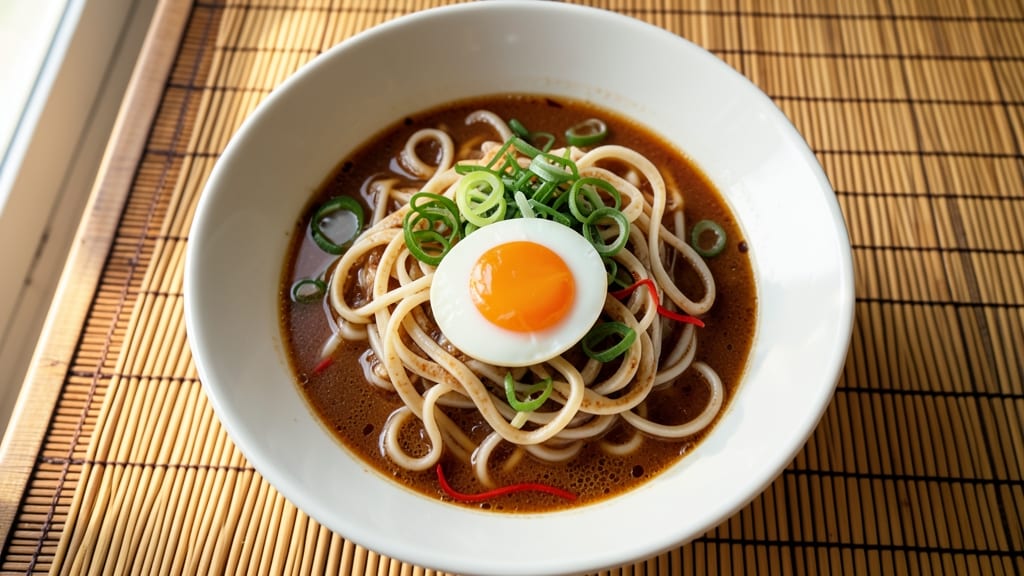
This Muso Soup Recipe delivers the perfect balance of crispy noodles and delicate egg droplets in a silky, umami-rich broth. The secret lies in the miso paste—fermented for depth—and the technique of frying the egg into silky strands that melt in your mouth.
I’ve perfected this version after years of testing, ensuring every spoonful captures that signature Korean comfort.
The broth builds flavor through slow simmering, where miso, tofu, and seaweed meld into a harmonious base.
You’ll start with a simple mix of ingredients—pantry staples like miso, dashi, and green onions—but the magic happens in the 15-minute simmer, where the broth deepens and the tofu absorbs its savory essence. The star? The egg, fried in thin sheets for that signature musu texture.
By the end, you’ll have a bowl of crispy noodles floating in a velvety broth, topped with silky egg strands and fresh herbs. It’s a dish that feels both rustic and refined, perfect for chilly evenings or as a light yet satisfying meal.
Whether you’re serving it as a starter or a main, this recipe delivers restaurant-quality results at home.
For added depth, consider using white miso for a milder flavor or red miso for a bolder kick. Vegan swaps like mushroom broth or tofu-based proteins keep it adaptable. Let’s get cooking—your taste buds will thank you.
Ingredients for muso soup
Simple pantry staples transform into a restaurant-quality muso soup experience.
| Ingredient | Amount | Notes |
|---|---|---|
| White Miso Paste 🧂 | ½ cup | Fermented for depth |
| Dashi Stock 🍜 | 4 cups | Homemade or quality jarred |
| Silken Tofu 🥛 | 14 oz | Soft, blended for texture |
| Fresh Eggs 🥚 | 2 whole | For musu strands |
| Rice Noodles 🍜 | 8 oz | Fresh or dried, crispy fried |
| Green Onions 🌿 | ½ cup | Scallions, chopped finely |
| Dried Seaweed 🌊 | ¼ cup | Cut into strips |
| Sesame Oil 🫒 | 1 tbsp | For aroma and richness |
| Neutral Oil 🫒 | ½ cup | Vegetable or canola |
| Salt 🧂 | 1 tsp | Fine grain preferred |
| Black Pepper 🌶️ | ¼ tsp | Freshly ground preferred |
| Soy Sauce 🧂 | 2 tbsp | Low-sodium preferred |
The miso paste is the soul of this dish—white miso for milder flavor, red miso for boldness. I always grab Kikkoman or Red Star from the Asian section, but any quality paste works. The silken tofu? 14 oz block is ideal—blend it smooth for that velvety texture. If you’re short on time, pre-blended silken tofu from the refrigerated section works too, just strain out excess liquid before using. For the broth, homemade dashi is best, but Kikkoman dashi stock from the jar is a great shortcut.
No fresh green onions? Dried green onions at half the amount work fine. Short on sesame oil? Toasted sesame seeds sprinkled over the top add a similar nutty aroma. Want to skip the soy sauce? Mushroom soy sauce adds umami without saltiness. The rice noodles are non-negotiable for crispiness—fresh noodles fry up best, but dried work if soaked properly. For the eggs, room temperature is key—crack them directly into the hot oil for perfect strands. The seaweed can be dried kelp strips or nori sheets cut into pieces—both add that oceanic depth.
Broth flavors deepen the longer it sits—simmer uncovered for 15 minutes to let the miso and seaweed bloom. Store in airtight containers for 5 days in the fridge. Freeze portions in 1-cup increments—thaw overnight in the fridge for best results. The fried noodles crisp up again when reheated, so air fry or pan-fry just before serving. For extra richness, drizzle sesame oil over the top before eating. This soup tastes even better the next day as flavors meld—trust me, it’s worth making a double batch.
Why You'll Love This Recipe
- No Chopping Needed: I swear by this—just stir miso into warm dashi, add silken tofu cubes and poached eggs, then toss in pre-cooked rice noodles. The only prep is boiling water for the noodles and cracking eggs, and honestly? That’s it.
- Umami Bomb Every Time: That first spoonful of miso dissolved in dashi? It’s like a warm hug for your taste buds. The tofu soaks up the broth while the eggs add richness, and the noodles? They’re the perfect soft contrast. Between us, it’s the kind of soup that makes you reach for seconds without thinking.
- Leftover Magic: This soup actually improves the next day. The flavors meld even deeper, and I’ve made it for lunch after work three days in a row—just reheat and add a splash of water if it’s too thick. Plus, the eggs stay silky, not rubbery, so it’s still restaurant-quality.
- Budget-Friendly Comfort: Miso, dashi, and tofu are all pantry staples that stretch far. I’ve fed four people for under $10, and the leftovers are still delicious. It’s my go-to when I’m broke but craving something hearty—no takeout needed.
Step-by-step instructions for muso soup recipe
Here's how to create that perfect balance of crispy fried noodles and delicate egg strands.
Prepare the Silken Tofu and Egg Mixture
Begin by blending the 14 oz silken tofu until completely smooth. You'll want it to have the consistency of heavy cream—this ensures those signature musu strands form beautifully when cooked. Transfer the blended tofu to a bowl and whisk in the 2 fresh eggs until fully incorporated. This mixture should be silky and homogeneous.
In a separate small bowl, combine ½ cup white miso paste, 2 tablespoons soy sauce, and 1 teaspoon salt. Whisk vigorously until the miso is completely dissolved and the mixture is smooth. This forms your flavor base that will infuse the entire soup. The miso adds that deep umami richness that makes muso soup so satisfying.
Fry the Rice Noodles to Crispy Perfection
Heat ½ cup neutral oil in a large skillet over medium-high heat until it shimmers but doesn't smoke. Add the 8 oz rice noodles in a single layer and fry for 3-4 minutes, stirring gently with chopsticks or a spatula. You're looking for noodles that are uniformly golden brown and crispy—this is what gives muso soup its signature texture contrast.
Here's the key: don't overcrowd the pan. If you need to work in batches, let the oil return to temperature between additions. Once the noodles reach that perfect crispy state, transfer them immediately to a paper towel-lined plate to drain excess oil. They'll continue cooking slightly from residual heat, so remove them when they're just before your ideal crispiness.
Create the Musu Egg Strands
Return the skillet to medium heat (clean it if needed) and add 1 tablespoon sesame oil. Pour in the silken tofu-egg mixture in thin, steady streams while gently swirling the pan. You want to create thin, delicate strands that cook quickly—this is where the magic happens. Cook for 1-2 minutes until the strands are just set but still translucent.
Remove the musu strands and set them aside. Don't overcook them—they should be tender and delicate, not firm. The strands will continue cooking slightly when they hit the hot broth, so pull them when they're just barely set. This step requires patience and gentle handling to achieve those perfect, silky strands that melt in your mouth.
Assemble and Finish the Soup
In a clean pot, combine 4 cups dashi stock with the miso-soy mixture. Bring to a gentle simmer over medium heat—you want it just below a full boil to maintain clarity. Add the ¼ cup dried seaweed strips and let them rehydrate for 2-3 minutes. The broth should be flavorful but not boiling vigorously.
Divide the crispy rice noodles among serving bowls. Ladle the hot broth over the noodles, then arrange the musu egg strands artfully on top. Sprinkle with ½ cup chopped green onions and a final pinch of ¼ teaspoon black pepper. The contrast of crispy noodles, silky egg strands, and delicate seaweed creates the perfect textural experience in every bite.
Pro Tips For Making Muso Soup
- Blend Tofu Smooth: DESCRIPTION: I learned this the hard way—if your silken tofu has even the slightest lumps, those musu strands will turn out grainy instead of silky. Use an immersion blender for this step; it’s faster and gives you that heavy cream texture without overworking the mixture.
- Don’t Crowd the Pan: DESCRIPTION: That crispy fried noodle texture is non-negotiable, and overcrowding ruins it. Work in batches if needed, and let the oil return to shimmering heat between additions—your future self will thank you when those noodles hit the table golden and crunchy.
- Swirl, Don’t Stir: DESCRIPTION: When making the musu strands, pour the tofu-egg mixture in thin streams while swirling the pan—not stirring. This creates those delicate, wispy strands instead of clumpy blobs. It looks weird, but it works every time.
- Simmer, Don’t Boil: DESCRIPTION: The broth needs to be hot but not rolling—boiling turns it cloudy and dulls the umami. A gentle simmer for 2-3 minutes with the seaweed is all it takes to wake up those flavors without wrecking the clarity.
Flavor customization for these flavors
Spicy Miso Kick
Add 1 teaspoon gochujang (Korean red pepper paste) to the miso-soy mixture for a sweet-spicy depth. I love mixing it with the ½ cup white miso paste and 2 tbsp soy sauce before simmering. The gochujang’s caramelized sweetness pairs beautifully with the umami of the miso.
For extra heat, stir in ½ teaspoon chili flakes at the end. This variation feels like a cozy winter hug with a little kick. 🔥
Seafood Surprise
Boost the protein with 6 oz shrimp or ½ cup surimi fish cake for a seafood twist. Sauté the shrimp in 1 tbsp sesame oil until pink before adding to the broth, or arrange fish cake pieces on top after simmering.
The shrimp’s sweetness complements the crispy noodles perfectly. I like adding 1 tbsp white miso to the shrimp marinade for extra depth. This version feels like a coastal Korean feast. 🌊
Vegetable Loaded
Add 1 cup shiitake mushrooms (sliced) and ½ cup baby spinach for a vegetarian boost. Sauté the mushrooms in 1 tbsp sesame oil until golden before adding to the broth, and stir in the spinach just before serving.
The mushrooms absorb the broth’s flavors beautifully, while the spinach adds freshness. I also toss in ¼ cup green onions for extra brightness. This keeps the dish hearty without meat. 🥬
Miso Butter Noodles
Swap rice noodles for 8 oz udon noodles and finish with 2 tbsp miso butter (melted butter + 1 tbsp miso paste). Fry the udons until crispy, then drizzle with miso butter before serving.
The rich, nutty flavor elevates the dish to a decadent comfort level. I love adding ½ tsp black pepper for a little heat. This version feels like a restaurant-style upgrade at home. 🍜
Sweet Potato Twist
Add 1 cup roasted sweet potato cubes for a creamy, earthy contrast. Roast the sweet potatoes at 400°F for 20 minutes until tender, then stir them into the broth during the final 2 minutes of simmering.
The sweetness balances the savory miso perfectly. I also sprinkle 1 tsp toasted sesame seeds on top for extra crunch. This variation feels like a fall-inspired take on the classic. 🍠
Nutrition facts
Frequently asked questions
Why does my musu egg strands turn rubbery instead of silky?
The key is 1-2 minutes of cooking time—any longer and they'll toughen up. Pull them from the pan when they're just barely set, as they'll finish cooking in the hot broth. Also, ensure your eggs are at room temperature before cooking for even, delicate strands.
Can I use dried rice noodles instead of fresh?
Yes! Soak dried noodles in hot water for 10 minutes until pliable, then drain well before frying. They'll crisp up just like fresh ones, though fresh noodles fry up slightly faster and with less soaking. Just watch them closely during the 3-4 minutes of frying.
How do I prevent my broth from getting cloudy?
Simmer gently—just below a full boil—to maintain clarity. Overheating breaks down the proteins in the miso and dashi, causing cloudiness. Stir occasionally but avoid vigorous boiling, and let the seaweed rehydrate in the broth for 2-3 minutes max. This keeps your soup looking as beautiful as it tastes!
What’s the best way to reheat muso soup?
Gently warm on the stove over low-medium heat until steaming—never boil vigorously. If the noodles lose crispiness, reheat them separately in a dry pan for 1-2 minutes before adding back to the broth. For extra richness, drizzle with 1 teaspoon sesame oil before serving. This brings back all the texture contrast!
Can I make this soup ahead of time?
Assemble the broth and miso base ahead, then refrigerate. When ready to serve, reheat gently and crisp the noodles fresh. The egg strands should be added just before serving to avoid overcooking. Store in airtight containers for up to 5 days in the fridge—flavors actually deepen over time!