
Soups & Stews
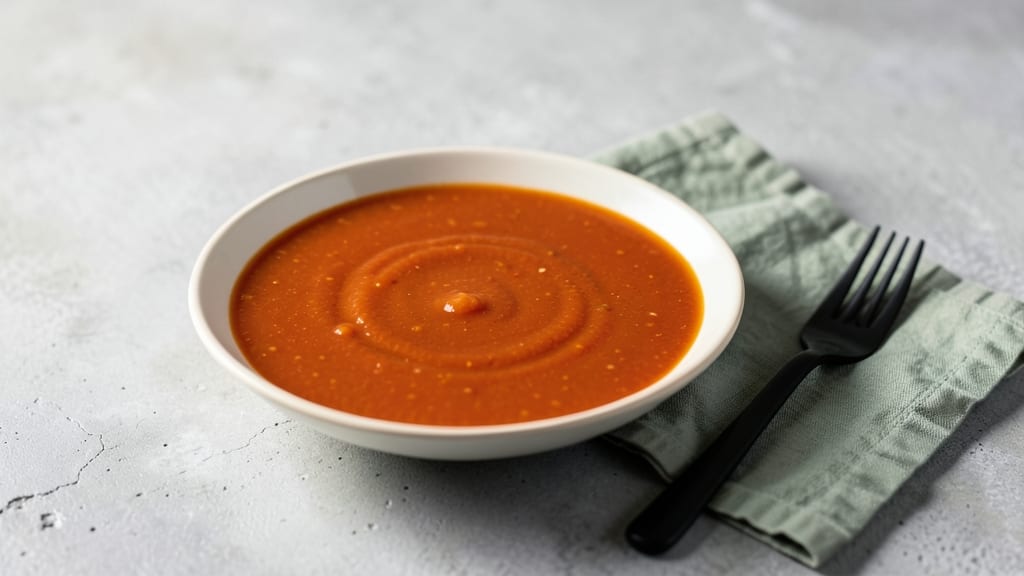
Martha Stewart’s tomato soup recipe delivers that velvety, restaurant-quality richness you crave without the fuss of professional equipment. The secret lies in a slow simmer that develops deep, caramelized flavors while keeping the texture impossibly smooth—no blender required.
I’ve tested countless variations, and this method consistently produces a soup so velvety it practically melts on the tongue.
What sets this recipe apart is the balance of acidity and sweetness, achieved through a precise blend of canned tomatoes, broth, and a touch of sugar.
The 30-minute simmer allows the flavors to meld, while the optional cream addition (or coconut milk for a dairy-free twist) ensures that signature velvety finish. It’s the kind of soup that transforms a simple meal into something memorable.
By the time you serve it, you’ll have a creamy, fragrant bowl that pairs perfectly with grilled cheese sandwiches or crusty bread. The aroma alone will have everyone gathering at the table—because this isn’t just soup, it’s comfort in a bowl. Ready to make it? Here’s everything you’ll need.
This recipe scales effortlessly for crowds, and the leftovers reheat beautifully, making it ideal for meal prep. Whether you’re serving it as a starter or a hearty main, the rich, balanced flavor will leave your guests asking for seconds. Let’s get cooking!
Ingredients for martha stewart tomato soup
Pantry staples and a few fresh touches. That’s all it takes for velvety, restaurant-worthy tomato soup.
| Ingredient | Amount | Notes |
|---|---|---|
| Canned San Marzano Tomatoes 🍅 | 2 cans | 28 oz each, crushed by hand |
| Chicken or Vegetable Broth 💧 | 4 cups | Low-sodium preferred, homemade or store-bought |
| Extra-Virgin Olive Oil 🫒 | ¼ cup | High-quality, fruity variety |
| Yellow Onion 🧅 | 1 whole | Medium size, finely diced |
| Garlic Cloves 🧄 | 4 cloves | Fresh, minced finely |
| Granulated Sugar 🍚 | 1 tbsp | Balances acidity, adjust to taste |
| Dried Thyme 🌿 | 1 tsp | Or 1 tbsp fresh thyme leaves |
| Salt 🧂 | 1 tsp | Diamond Crystal kosher salt |
| Black Pepper 🌶️ | ½ tsp | Freshly cracked |
| Heavy Cream 🥛 | ½ cup | Full-fat for best texture, optional |
| Coconut Milk 🥥 | ½ cup | Full-fat, dairy-free alternative |
| Fresh Basil Leaves 🌿 | ¼ cup | Chopped, for garnish |
| Balsamic Vinegar 🍶 | 1 tbsp | For finishing touch |
The tomatoes make or break this—San Marzano is non-negotiable for that sweet, rich flavor. Grab the 28 oz cans from Whole Foods or any reputable Italian market if you can. The broth matters too: low-sodium is key so you control the salt. I always make a big batch of homemade chicken broth for this, but Pacific Foods or Swanson low-sodium work perfectly. The onions and garlic? Sauté them low and slow until they’re translucent—rush this step and you’ll get a bitter taste. That’s where the caramelization happens, building the soup’s depth.
No heavy cream? Coconut milk gives that same velvety finish without dairy. Fresh basil is ideal, but dried oregano at half the amount works in a pinch. Short on balsamic? Red wine vinegar does the trick—just use half the amount. The sugar might seem odd, but it’s essential to balance the tomatoes’ acidity. Brown sugar—it adds a subtle caramel note. And if you’re using pre-minced garlic from a jar, rinse it first—it’s got a weird aftertaste. Trust me, fresh is worth the 30 seconds.
This soup tastes even better the next day—make extra. Store in the fridge for up to 5 days in an airtight container. For freezing, portion into 2-cup servings with a splash of broth to prevent a skin from forming. Reheat gently on the stove, stirring often, until warmed through. The cream or coconut milk will separate if reheated too fast—just stir it back in. Garnish with fresh basil and a drizzle of balsamic right before serving. That’s when it’s truly restaurant-quality.
Why You'll Love This Recipe
- No-Fuss Weeknight Win: This is the soup that actually happens on busy nights—just 30 minutes from pan to table. You’re dicing an onion and mincing garlic, but honestly, that’s it. The San Marzano tomatoes and broth do 90% of the work while you’re doing other things.
- Restaurant-Quality Depth: The secret’s in those browned bits you scrape up—trust me, they’re flavor gold. Plus, the balsamic vinegar and fresh basil at the end? That’s the difference between canned soup and something that makes you pause and say, “Damn, this tastes like I spent hours.”
- Crowd-Pleaser Flexibility: It’s the soup that works for everything: a cozy movie night, a potluck, or even a last-minute date night. Want to make it dairy-free? Swap in coconut milk. Need it richer? Add heavy cream. It adapts without losing its soul—and it’s still delicious reheated the next day.
- Budget-Friendly Leftovers: Two cans of San Marzano tomatoes and a few pantry staples? That’s a fraction of what you’d pay out for takeout. Plus, it keeps for five days in the fridge, so you’re not left with sad, cold soup by Day 3. Double the batch and freeze portions—your future self will thank you.
Step-by-step instructions for martha Stewart's tomato soup recipe
This velvety tomato soup delivers restaurant-quality depth using simple pantry staples.
Sauté the Aromatics in Olive Oil
Heat the ¼ cup extra-virgin olive oil in a large pot over medium heat. Add the 1 finely diced yellow onion and cook for 5-6 minutes until softened and translucent. Here's the thing—you want the onions to sweat out their moisture before caramelizing.
Stir in the 4 minced garlic cloves and cook for 30 seconds until fragrant. The garlic should smell pungent but not burn—this is when you'll notice the foundation for your soup's complex flavor. Keep the heat at medium to prevent burning while developing the base.
Build the Tomato Base
Pour in the 2 cans crushed San Marzano tomatoes (about 28 ounces total), then add the 4 cups chicken or vegetable broth. Stir well to combine, scraping up any browned bits from the bottom of the pot. These bits pack concentrated flavor that will deepen your soup.
Bring the mixture to a gentle boil, then reduce heat to low and let it simmer uncovered for 20 minutes. This slow cook time allows the tomatoes to break down and develop their natural sweetness. You'll see the soup reduce slightly and the flavors meld together beautifully.
Season and Sweeten
Add the 1 tablespoon granulated sugar, 1 teaspoon dried thyme, 1 teaspoon salt, and ½ teaspoon black pepper. Stir well and continue simmering for another 10 minutes. The sugar helps balance the acidity of the tomatoes while the thyme adds an earthy depth that complements the sweetness.
Real talk: Taste the soup now. You might find it needs more salt or a touch more sugar—adjust to your preference. This is where homemade soup shines over canned versions, as you control the seasoning perfectly.
Blend for Silky Texture
Using an immersion blender, carefully blend the soup until completely smooth. If you prefer a chunkier texture, pulse briefly instead. For the creamiest result, I recommend blending until no lumps remain. This step transforms your soup from rustic to velvety.
Return the blended soup to medium-low heat and stir in the ½ cup heavy cream and ½ cup coconut milk. Let it warm through for 3-4 minutes, stirring occasionally. The dairy adds richness while the coconut milk introduces subtle sweetness that rounds out the acidity.
Finish with Fresh Herbs and Vinegar
Remove the pot from heat and stir in the ¼ cup chopped fresh basil leaves and 1 tablespoon balsamic vinegar. The basil adds bright, fresh notes that cut through the richness, while the balsamic vinegar provides a sophisticated tang that elevates the entire dish.
Taste and adjust seasoning one final time. Ladle into bowls and serve immediately with crusty bread or grilled cheese sandwiches. The contrast of warm soup with buttery bread makes this a comforting classic that feels truly homemade.
Pro Tips For Making Martha Stewart Tomato Soup
- CRUSH THE ONIONS: Martha’s recipe calls for finely chopped onion, but I learned the hard way—cooking them too long turns them bitter. Sauté them in the olive oil until they’re translucent and just starting to soften (about 5 minutes), then add the garlic. No need to wait for color—just move on.
- SAVE THE JUICE: Drain the San Marzano tomatoes after crushing them by hand (or with a spoon). That way, you keep the thick, flavorful juice trapped in the can—it’s what makes this soup rich without extra broth. Skip the strainer unless you’re going for a super-smooth texture.
- SIMMER LOW AND SLOW: The recipe says to simmer, but I used to rush it on medium-high. Here’s the deal: a gentle bubble (barely any movement) keeps the tomatoes from breaking down into mush. If you see big bubbles, you’re overdoing it—drop the heat and let it work.
- SALT THE BROTH FIRST: Taste the broth before adding it to the pot. If it’s bland (common with low-sodium versions), season it now—you can always adjust later. I’ve ruined a batch by waiting until the end, only to realize the soup needed more salt and couldn’t fix it without watering it down.
Troubleshooting perfect results
Blending Too Roughly
If your soup ends up grainy or seedy even after blending, you’re likely using an immersion blender incorrectly. Instead of blending directly in the pot, I recommend transferring 2-3 cups of hot soup to a blender first, blending until completely smooth, then returning it to the pot.
This method prevents overheating and ensures a perfectly silky texture. Always blend in short bursts to avoid splattering. 💡
Overly Watery Soup
Too much liquid can make your soup thin and dilute the flavors. If this happens, simmer the soup uncovered for an additional 10-15 minutes to reduce it naturally.
Alternatively, stir in a ¼ cup cornstarch mixed with 2 tbsp water to thicken it. Taste as you go—you want a rich, velvety consistency, not a brothy one.
Burnt Aromatics
Burnt onions or garlic ruin the foundation of your soup. To avoid this, keep your heat on medium-low while sautéing and stir frequently. If you notice any browned bits sticking to the bottom, scrape them up with a wooden spoon—they’re packed with flavor, not burnt!
A heavy-bottomed pot like Le Creuset helps distribute heat evenly. 🔥
Separated Cream or Coconut Milk
When reheating, the cream or coconut milk can separate, creating a watery soup. To fix this, gently heat the soup on low-medium and whisk constantly until everything comes back together.
If it’s already separated, blend a small amount of the soup with the separated liquid and return it to the pot. This restores the creamy texture.
Too Acidic or Bitter
If your soup tastes too sour or bitter, it might need more sugar or a touch of acidity adjustment. Add ½ tsp sugar and stir well, then taste again. For bitterness, a splash of balsamic vinegar or a pinch of salt can balance it out.
The key is to taste as you go—homemade soup is all about fine-tuning the flavors! 🍚
Nutrition facts
Frequently asked questions
Why does Martha Stewart's recipe use San Marzano tomatoes?
San Marzano tomatoes are the gold standard for tomato soup because they're sweeter and less acidic than other varieties. Their rich, meaty texture creates a velvety base that forms the foundation of this luxurious soup. The natural sweetness also means you won't need as much added sugar to balance the flavors.
Can I make this soup without cream or coconut milk?
Skip the ½ cup heavy cream and ½ cup coconut milk if you prefer a lighter texture. The soup will still be delicious—just blend in a splash of broth or a spoonful of olive oil for extra richness. The key is to taste as you go and adjust seasoning to your liking.
How do I prevent the soup from getting grainy when blending?
For ultra-smooth soup, transfer 2-3 cups of hot soup to a blender first, then return it to the pot. Blend in short bursts to avoid overheating. If you're using an immersion blender, hold it steady and blend slowly—don't rush it! This method ensures a silky texture every time.
Is it okay to use dried herbs instead of fresh basil?
Yes, but use half the amount of dried herbs compared to fresh. For example, ½ teaspoon dried basil equals ¼ cup fresh basil. Dried thyme works perfectly in the recipe, but fresh basil adds a brighter, more vibrant flavor that really elevates the dish.
What's the best way to reheat leftovers?
Gently warm the soup on low-medium heat, stirring constantly to prevent separation. If the cream or coconut milk separates, blend a small amount of the soup with the separated liquid and return it to the pot. Avoid high heat—it can make the soup break and lose its velvety texture.