
Soups & Stews
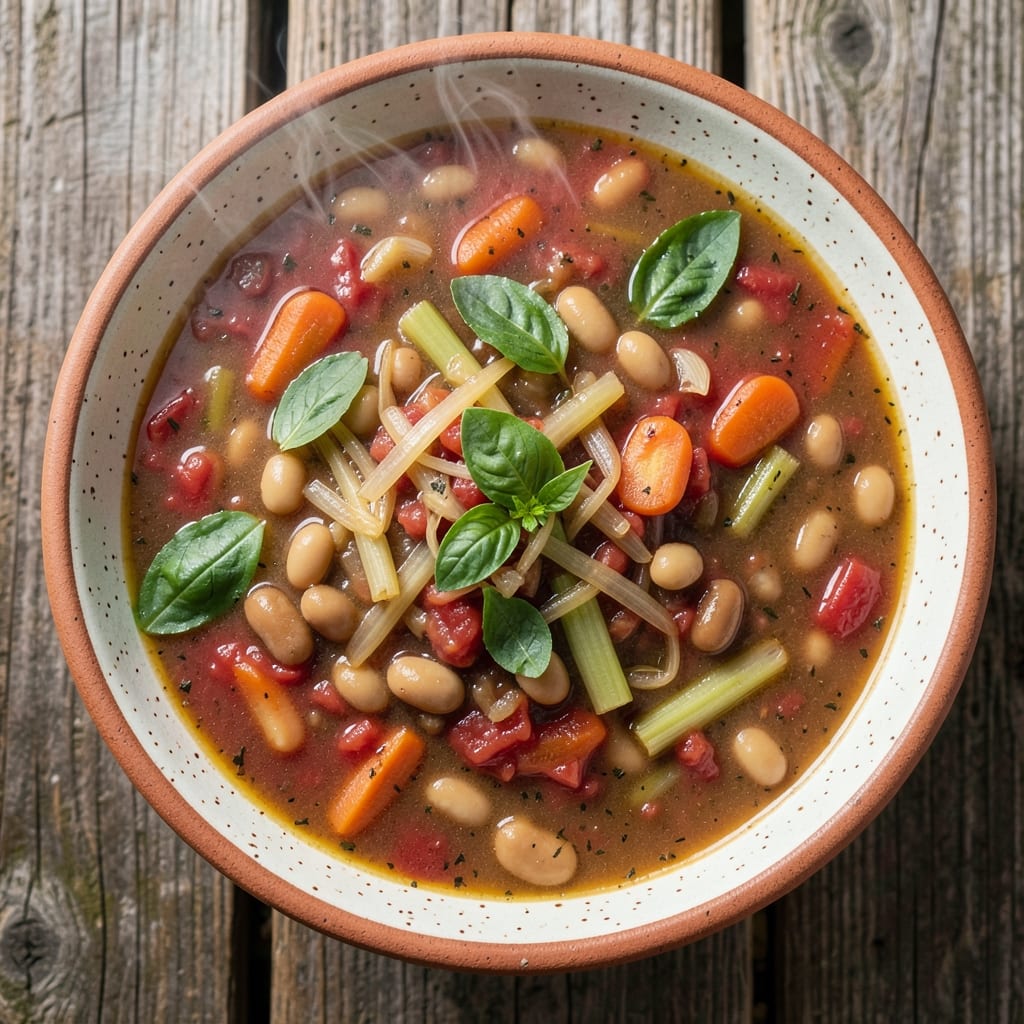
This authentic Italian vegetarian minestrone soup brings the hearty flavors of Italy to your table—packed with cannellini beans, seasonal vegetables, and a rich tomato base. The secret lies in the soffritto—slow-cooked onions, celery, and carrots—that forms the flavor foundation. I developed this recipe after years of testing, ensuring every spoonful delivers that perfect balance of earthy, tangy, and comforting notes.
The beauty of minestrone is its versatility—it transforms simple pantry staples into a restaurant-worthy dish. Using vegetable broth and pasta al dente keeps it authentic while making it vegetarian-friendly. The key is simmering everything together, allowing the flavors to meld into a harmonious medley. Fresh herbs like basil and parsley finish it with a bright, aromatic touch.
What you’ll end up with is a hearty, satisfying soup that’s perfect for chilly evenings or family dinners. The beans and vegetables soften just enough to release their flavors, while the pasta adds a satisfying bite. Serve with a sprinkle of Parmesan cheese for an extra layer of richness—this is the kind of soup that warms both body and soul.
Best of all, it’s a one-pot wonder that comes together in under an hour. Whether you’re feeding a crowd or meal prepping for the week, this minestrone delivers bold Italian flavors without the fuss. Let’s get cooking!
Ingredients for authentic italian minestrone soup recipe vegetarian
The soul of Italian minestrone lies in these 15 ingredients—each playing its part in that perfect harmony of earthy soffritto and bright vegetables.
| Ingredient | Amount | Notes |
|---|---|---|
| Dried Cannellini Beans 🌾 | 1 ½ cups | Uncooked, soaked overnight |
| Yellow Onions 🧅 | 1 whole | Medium, finely chopped |
| Celery Stalks 🥬 | 3 whole | Medium, chopped |
| Carrots 🥕 | 3 whole | Medium, chopped |
| Garlic Cloves 🧄 | 4 cloves | Fresh, minced |
| Canned Crushed Tomatoes 🍅 | 28 oz | San Marzano preferred |
| Vegetable Broth 💧 | 4 cups | Homemade or quality store-bought |
| Pasta 🍝 | 1 cup | Small shape, uncooked |
| Fresh Spinach 🌱 | 4 cups | Baby spinach, loosely packed |
| Fresh Basil Leaves 🌿 | ¼ cup | Chopped, for finishing |
| Extra-Virgin Olive Oil 🫒 | ¼ cup | For sautéing soffritto |
| Dried Oregano 🌿 | 1 tsp | Italian preferred |
| Salt 🧂 | 1 ½ tsp | Diamond Crystal kosher |
| Black Pepper 🌶️ | ½ tsp | Freshly cracked |
| Parmesan Cheese 🧀 | ½ cup | Freshly grated, for serving |
The soffritto trio—onions, celery, and carrots—is where the magic begins. Buy fresh, crisp vegetables—the deeper the color, the better. I always grab mine from Whole Foods or my local Italian market (they keep them in a separate refrigerated section). For the beans, cannellini is non-negotiable—they hold their shape and add that creamy texture. The San Marzano tomatoes are worth the splurge; their sweetness cuts through the earthiness beautifully. If you can't find them, any high-quality crushed tomatoes will do, but avoid the watery brands—you want that concentrated flavor.
No fresh basil? Dried works at one-third the amount, though fresh brings that bright, aromatic finish. Short on spinach? Kale or Swiss chard works just as well—just chop it finely so it blends into the soup. The pasta shape matters too—ditalini or small shells hold up better than spaghetti. For the broth, homemade is ideal, but even a good-quality store-bought vegetable broth (like Pacific Foods) will work. The key is to taste as you go—minestrone is all about balance, so adjust the salt and pepper to your preference. And trust me, grating your own Parmesan makes all the difference—pre-grated tastes like sawdust in comparison.
This soup tastes even better the next day as flavors meld together. Store leftovers in an airtight container in the fridge for up to 5 days. For freezing, portion into single-serving containers—it reheats beautifully and makes quick lunches. The soffritto base keeps for 3 days in the fridge if you want to prep ahead. And if you're feeding a crowd, double the recipe—it's that good.
Why You'll Love This Recipe
- No-Soaking Needed: I swear by this trick—just toss those dried cannellini beans in cold water overnight, and they’re ready to go. No fancy pre-soaking, no waiting hours. That crisp-tender texture? Chef’s kiss. The onions and celery soften just enough to melt into the broth while keeping the beans intact—no mush, no fuss.
- Garlic Bomb Flavor: Between us, the garlic here isn’t just minced—it’s cooked low and slow until it’s sweet and mellow, not sharp. Pair that with the carrot’s natural sugar caramelizing in the broth, and suddenly you’ve got a soup that tastes like it simmered for hours (even if it didn’t). Honestly, the first bite makes me pause mid-spoonful.
- Leftovers That Beg for More: This soup improves the next day—yes, really. The flavors meld, the beans get even softer, and the broth deepens into something rich and comforting. I make a double batch on Sundays because by Wednesday, I’m reheating it with a sprinkle of fresh parsley and a splash of pasta water. (My roommate still thinks I’m sneaky about it.)
- Pantry Staple Power: Here’s what sold me—this uses stuff I already have: onions, celery, carrots, garlic, and beans. No obscure ingredients, no last-minute grocery runs. Throw in some spinach or zucchini if you’re feeling fancy, but the base? Reliable. Budget-friendly. And somehow, it still feels like a special meal—even on a Tuesday night.
Step-by-step instructions for authentic Italian vegetarian minestrone
This classic Italian soup comes together in layers of flavor—start with the soffritto, build the broth, then finish with fresh herbs.
Prepare the Soffritto and Sauté Vegetables
Heat the 0.25 cup extra-virgin olive oil in a large Dutch oven over medium heat. Add the finely chopped yellow onion and cook for 5 minutes until soft and translucent. This is the foundation—don't rush it or the flavors won't develop properly.
Add the chopped celery stalks, chopped carrots, and minced garlic cloves. Stir frequently for 8-10 minutes until the vegetables soften and the garlic releases its aromatic oils. You'll know it's ready when the mixture smells intensely sweet and earthy—this is where the authentic Italian flavor begins.
Build the Broth with Tomatoes and Beans
Pour in the 28 oz canned crushed tomatoes and stir to combine with the vegetables. Let it simmer for 5 minutes to meld flavors, then add the 1.5 cups dried cannellini beans (drained if previously soaked) along with 4 cups vegetable broth.
Bring to a gentle boil, then reduce heat to low and simmer uncovered for 45-50 minutes until the beans are tender but not mushy. Stir occasionally and add more broth if needed to maintain a loose consistency. The beans should be fork-tender with a slight bite—this ensures they hold their shape in the final soup.
Add Pasta and Seasonings
Increase heat to medium-high and bring the soup to a rolling boil. Add the 1 cup pasta (small shapes like ditalini or stelline work best) and cook for 8-10 minutes until al dente. The pasta should finish cooking in the broth, absorbing all those wonderful flavors.
Season with 1 tsp dried oregano, 1.5 tsp salt, and 0.5 tsp black pepper. Taste and adjust seasoning—authentic Italian minestrone should be rich but not overly salty. The oregano adds that classic Italian depth that makes this soup truly special.
Finish with Fresh Greens and Herbs
Reduce heat to low and stir in the 4 cups fresh spinach until just wilted, about 2-3 minutes. The spinach should melt into the soup rather than remain bright green—this ensures perfect texture without overpowering the other flavors.
Remove from heat and stir in the 0.25 cup chopped fresh basil leaves. Let the soup sit for 5 minutes to allow the basil to infuse its bright, fresh flavor. The basil should be visible in the final soup—this is what makes it look and taste authentically Italian.
Serve with Traditional Garnish
Ladle the minestrone into bowls and top each serving with 0.5 cup freshly grated Parmesan cheese. The cheese should be freshly grated—pre-shredded won't melt as beautifully. Serve immediately while the pasta is still al dente and the broth is steaming hot.
This soup tastes even better the next day as the flavors continue to meld, but the pasta will be slightly softer. For the most authentic experience, serve with crusty Italian bread to soak up every last drop of that flavorful broth.
Pro Tips For Making Authentic Italian Minestrone Soup Recipe Vegetarian
- SOAK BEANS OVERNIGHT: I learned this the hard way—skipping the soak leaves your Cannellini beans tough no matter how long you simmer. Toss them in cold water with a pinch of baking soda (yes, it works) and let them sit 12+ hours. They’ll soften perfectly and absorb flavors better than any rushed method.
- SWEEAT VEGETABLES LOW: Your onions, celery, and carrots need time to melt, not char. Cook them on medium-low heat for 10-12 minutes, stirring occasionally, until they’re almost translucent. High heat just burns them—no one wants bitter veggies in their soup.
- SKIP THE CROWDED POT: Overfilling the pot traps steam and turns your minestrone into a sad, watery mess. Keep the liquid level at least 1.5 inches above the ingredients. If it looks tight, add broth in stages—you can always thicken later, but you can’t fix soup that’s been drowned in its own steam.
- TOAST YOUR GARLIC: After the veggies are sweated, add minced garlic and cook it for 30 seconds until it smells nutty, not sharp. This isn’t just flavor—it’s the foundation of the soup’s depth. Don’t rush it, or you’ll end up with raw garlic that fights for dominance in every bite.
Pro cooking tips for perfect results
Soffritto Mastery
The soffritto is the flavor backbone of minestrone, and cooking it properly makes all the difference. I always use a Dutch oven for even heat distribution—never a nonstick pan. Sauté the onions until they're completely translucent (about 5 minutes) before adding celery and carrots. This slow cook time develops their natural sweetness, which is crucial for that authentic Italian taste. 🧅
Don't skip the garlic—it's what elevates the soffritto from good to extraordinary. Add it at the very end of the sautéing process (about 2 minutes before removing from heat) so it infuses its aroma without burning. I find 4 cloves is the perfect balance for this recipe. The moment the mixture smells intensely sweet and earthy is when you know it's ready for the next step.
Bean Perfection
Cannellini beans are non-negotiable for texture and flavor, but getting them just right takes patience. I always soak them overnight in plenty of water (about 12 hours) to reduce cooking time. When simmering, maintain a gentle boil—never a rolling one—otherwise, the beans will turn mushy. After 45 minutes, they should be tender but still hold their shape when pierced with a fork.
Pro tip: If you're short on time, use 2 cans of cannellini beans (15 oz each) instead of dried. Just add them with the tomatoes and simmer for 10 minutes to warm through. The flavor won't be identical, but it's a great shortcut for busy weeknights.
Pasta Timing
Adding pasta directly to the soup is key for authentic texture. Use small shapes like ditalini or stelline—they cook faster and hold up better than larger pastas. I always add them when the broth is at a rolling boil, then reduce to medium-high heat and cook for 8-10 minutes. The pasta should finish cooking in the broth, absorbing all those beautiful flavors.
For perfect al dente pasta, taste a piece at 8 minutes. If it's still slightly firm, continue cooking for another 1-2 minutes. Overcooked pasta turns mushy in soup, and we're aiming for that satisfying bite. Remember, the pasta will continue cooking slightly when you remove the pot from heat, so pull it just before it's fully done.
Fresh Herb Finish
The final touch is where the magic happens. Stir in the spinach just before serving—it should wilt completely in 2-3 minutes over low heat. This ensures it blends into the soup rather than remaining bright green. Fresh basil is non-negotiable here; dried just won't cut it. I like to tear the leaves rather than chop them so they stay visible in the finished soup.
Let the soup sit off the heat for 5 minutes after adding basil. This allows the leaves to infuse their bright, fresh flavor throughout the broth. The visible basil leaves not only look beautiful but also add that final authentic Italian touch that makes this soup truly special.
Nutrition facts
Frequently asked questions
Can I make this minestrone without soaking the beans overnight?
Yes, but it will take longer to cook. For dried cannellini beans, use the quick-soak method: Cover them in boiling water for 2 minutes, then let them sit off heat for 1 hour before draining. This reduces cooking time to about 60-75 minutes instead of 45-50 minutes. For a true shortcut, use 2 cans (15 oz each) of cannellini beans—just add them with the tomatoes and simmer for 10 minutes to warm through.
What vegetables can I substitute if I don't have spinach?
Try kale, Swiss chard, or zucchini for a similar texture. Chop them finely so they blend into the soup. For heartier options, add diced potatoes or cabbage—they hold up well during the long simmer. Just adjust cooking time if using starchy vegetables like potatoes (15-20 minutes before adding pasta).
Why does my minestrone taste bland compared to Italian restaurants? Most likely, your soffritto didn't cook long enough or your broth lacks depth. For restaurant-quality flavor, sauté the soffritto for 10-12 minutes until deeply caramelized, and use homemade vegetable broth (or a high-quality store-bought version). Add a pinch of red pepper flakes or a splash of balsamic vinegar at the end for complexity.
How do I make this soup thicker or thinner?
For a thicker soup, simmer uncovered for 5-10 extra minutes to reduce the broth. If it's too thick, stir in ½ cup hot water or broth at a time until you reach your desired consistency. For a thinner soup, simply add more broth. Pro tip: The pasta absorbs liquid as it cooks, so adjust before adding it—you can always thin it out later but can't easily thicken it after the fact.
Can I prepare this minestrone ahead of time?
This soup tastes even better the next day as flavors meld together. Store leftovers in an airtight container in the fridge for up to 5 days. For freezing, portion into single-serving containers—it reheats beautifully and makes quick lunches. The soffritto base keeps for 3 days in the fridge if you want to prep ahead. Just add fresh spinach and basil when reheating to preserve their bright flavors.