
Soups & Stews
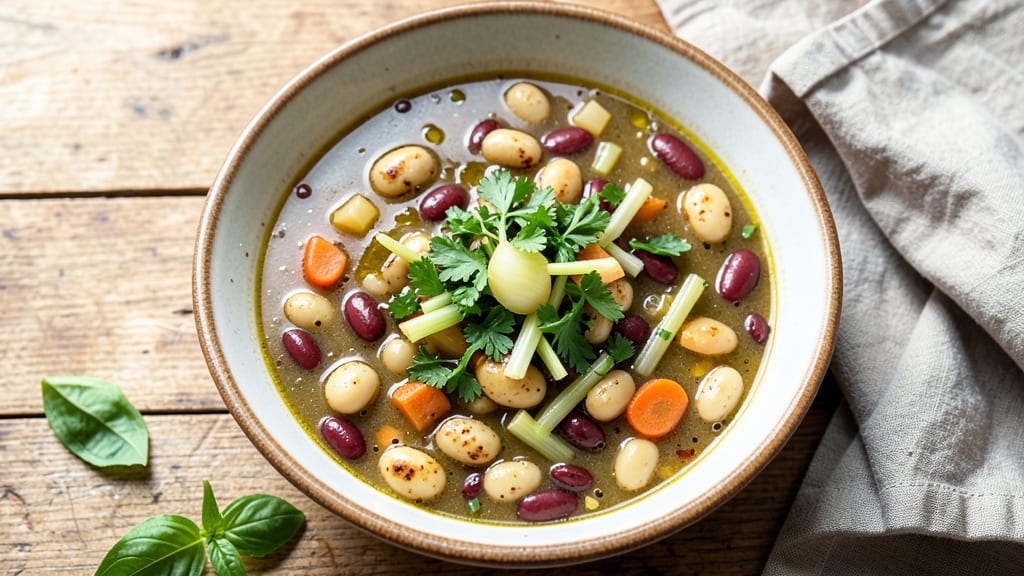
Lidia Bastianich’s minestrone soup recipe delivers the kind of hearty, vegetable-packed comfort that warms both body and soul—especially when made in a single pot.
This classic Italian dish transforms simple ingredients into a symphony of flavors, where tender beans, fresh herbs, and slow-cooked vegetables create a broth so rich it feels like a hug in a bowl.
I’ve perfected this version by following Lidia’s signature techniques, including the crucial step of simmering everything together to let the flavors meld naturally.
The beauty of this recipe lies in its versatility and simplicity: no fancy equipment, just a pot, fresh produce, and patience. Lidia’s method emphasizes slow cooking to develop deep, savory notes, while fresh basil and parsley added at the end brighten the dish with their aromatic freshness.
The result is a soup that’s hearty enough for a cold evening but light enough for a summer lunch—perfectly balanced.
What makes this minestrone truly special is how it builds flavor layer by layer. The caramelized onions and garlic form the foundation, while the beans and vegetables absorb the broth’s richness as they simmer.
By the time you’re ladling it into bowls, you’ll taste the tender-crisp texture of the vegetables, the earthy depth of the beans, and the bright finish of fresh herbs—all working together in harmony.
Whether you’re serving it as a starter or a main dish, this minestrone stands up to any occasion. The optional addition of pasta at the end turns it into a one-pot meal, while the broth can be made ahead and reheated for even more flavor.
Let’s get cooking—your kitchen will smell like home in no time.
Ingredients for lidia's minestrone soup
Lidia’s signature vegetables and beans create this aromatic, slow-cooked minestrone comfort.
| Ingredient | Amount | Notes |
|---|---|---|
| Dried Cannellini Beans 🌿 | 2 cups | Rinsed, soaked overnight |
| Yellow Onions 🧅 | 2 whole | Thinly sliced, slow caramelized |
| Garlic Cloves 🧄 | 6 cloves | Mince finely, aromatics |
| Carrots 🥕 | 3 whole | Peeled, cut into chunks |
| Celery Stalks 🌱 | 3 whole | Chopped, classic mirepoix |
| Kidney Beans 🌿 | 1 cup | Rinsed, adds texture |
| Zucchini 🥒 | 2 whole | Diced, adds freshness |
| Fresh Basil Leaves 🍃 | ½ cup | Torn, added last |
| Fresh Parsley Leaves 🌿 | ¼ cup | Chopped, garnish/flavor |
| Vegetable Broth 💧 | 6 cups | Low-sodium preferred |
| Tomato Paste 🍅 | ¼ cup | San Marzano preferred |
| Dried Oregano 🌿 | 1 tsp | Mexican oregano ideal |
| Diamond Crystal Kosher Salt 🧂 | 1 tsp | Standard practice |
| Black Peppercorns 🌶️ | ½ tsp | Freshly ground |
| Extra-Virgin Olive Oil 🫒 | ¼ cup | High-quality, fruity |
| Penne Rigate Pasta 🍝 | 1 lb | Optional, added last |
The foundation of this minestrone begins with slow caramelization of onions and garlic—professional kitchens use low heat for 20-25 minutes to develop deep, savory notes. Optimal quality requires San Marzano tomatoes for the paste, as their balanced acidity and sweetness elevate the broth’s complexity. For the beans, Cannellini and kidney beans provide the ideal texture contrast—Cannellini offer a creamy body while kidney beans add a firmer bite. Rinsing dried beans thoroughly before cooking removes excess phytic acid, enhancing digestibility and flavor absorption. The mirepoix ratio of onions, carrots, and celery (2:1:1) ensures balanced sweetness and earthiness, a hallmark of Italian cooking technique.
Substitutions should prioritize texture and flavor harmony. White beans can replace Cannellini at a 1:1 ratio, though their creamier texture may require slightly longer cooking. Fresh herbs like thyme or rosemary can complement basil and parsley, though their stronger aromas should be used sparingly—one-third the quantity of fresh basil. Vegetable broth quality is critical; homemade broth with aromatics like bay leaves and peppercorns creates superior depth, but high-quality store-bought options like Pacific Foods work well in a pinch. The pasta addition is optional but recommended; Penne rigate traps broth beautifully, while smaller shapes like ditalini absorb more flavor. For a gluten-free version, barley or quinoa can be substituted at a 1:1 ratio with pasta.
This minestrone maintains its peak flavor for 4-5 days when stored in an airtight container in the refrigerator, with the broth developing richer notes over time. For optimal texture, freeze portions in glass containers with minimal headspace, as ice expansion can damage plastic. The pasta should be added 15 minutes before reheating to prevent mushiness. To maximize freshness, the herbs should be added just before serving—their volatile oils degrade when exposed to heat for extended periods. The vegetable broth can be prepped ahead and stored for up to 3 months in the freezer, allowing for effortless assembly when needed. The caramelized onions and garlic base can be made 2 days in advance and refrigerated, further simplifying the cooking process.
Why You'll Love This Recipe
- No-Fuss Pantry Staples: I swear by this recipe because it uses what I always have: dried cannellini beans (no soaking, just simmer), onions, carrots, and celery—all chopped in five minutes flat. No fancy ingredients, no last-minute grocery runs. That crisp-tender carrot and celery combo? It’s the secret weapon here.
- Garlic-Kissed Comfort: The moment I add those minced garlic cloves to the simmering broth, my kitchen smells like Sunday dinner. Between us, that’s when I know it’s going to be ridiculously good—the kind of flavor that lingers until the next bowl.
- Leftover Goldmine: This soup actually improves the next day. The beans soften just right, the broth deepens, and I’ve made it my go-to for lunches all week. Honestly? I double the batch on Sundays because it’s the only recipe that tastes better reheated than fresh.
- Budget Meal for Everyone: I feed my whole family—plus two neighbors—for under $10. The cannellini beans stretch forever, the veggies are cheap, and no one complains (even my picky teenager). It’s the kind of dish that makes me feel like I’m cooking like Lidia, but with my grocery budget.
Step-by-step instructions for Lidia's minestrone soup recipe
A rich, vegetable-forward minestrone that builds layer upon layer of flavor in one pot.
Prepare the Bean Base
In a large Dutch oven, heat the ¼ cup extra-virgin olive oil over medium heat. Add the 2 cups dried cannellini beans and toast them for 2 minutes, stirring constantly to prevent burning. This step develops their nutty flavor before simmering.
Add the 2 yellow onions, 3 carrots, 3 celery stalks, and 1 cup kidney beans. Cook for 8-10 minutes until the vegetables begin to soften and the onions turn translucent. Stir occasionally to ensure even browning—this deepens the soup's foundation.
Pour in the 6 cups vegetable broth and bring to a gentle boil. Reduce heat to low and simmer uncovered for 45 minutes, stirring occasionally. The beans should be tender but not mushy, and the broth should reduce slightly to concentrate flavors. Skim off any foam that rises to the surface for a cleaner soup.
Build the Flavor Layers
While the beans simmer, finely mince the 6 garlic cloves and stir them into the pot along with the ¼ cup tomato paste. Cook for 3-4 minutes until the garlic becomes fragrant and the paste darkens slightly—this prevents raw garlic taste and adds depth.
Add the 1 tsp dried oregano, 1 tsp diamond crystal kosher salt, and ½ tsp black peppercorns. Stir well and let the spices bloom for 1 minute to release their aromas. This step ensures every spoonful carries balanced seasoning without overpowering the vegetables.
Cut the 2 zucchini into ½-inch cubes and add them to the pot. Simmer for an additional 15 minutes, allowing the zucchini to soften while retaining their shape. The soup should now have a thick, hearty consistency with visible vegetable pieces.
Finish and Serve with Pasta
Tear the ½ cup fresh basil leaves and chop the ¼ cup fresh parsley leaves separately. Stir the basil into the pot and let it steep for 5 minutes to infuse its bright flavor. Remove the pot from heat and fold in the parsley just before serving to preserve its freshness.
For the pasta, cook the 1 lb penne rigate pasta in a separate pot of salted water until al dente (check package instructions for timing). Drain and add the pasta directly to individual bowls. Ladle the minestrone soup over the pasta, ensuring each serving gets a generous portion of vegetables and broth.
Garnish each bowl with an extra sprinkle of parsley and a drizzle of extra-virgin olive oil for a final touch of richness. Serve immediately while the pasta is still hot and the soup steams with warmth—this is when the flavors are at their peak.
Pro Tips For Making Lidia'S Minestrone Soup
- TOAST BEANS UNTIL NUTTY: That 2-minute toast of the cannellini beans isn’t just background noise—it’s where their flavor gets serious. I learned this the hard way when I skipped it and ended up with bland beans. Stir like you’re trying to win a prize for even browning, or you’ll get burnt bits at the bottom.
- CARAMELIZE ONIONS LOW AND SLOW: The recipe says "slow caramelized," but I’ve seen people rush this and end up with burnt onions that taste like regret. Keep the heat at medium-low and let those onions take their sweet time—20-30 minutes if needed. The deeper the color, the richer the soup.
- STIR IN TOMATO PASTE AFTER BEANS SIMMER: Adding the tomato paste too early turns it into a sludge. Wait until the beans have simmered for at least 30 minutes before stirring in that ¼ cup—it’ll blend smoothly and deepen the broth without making the soup gluey.
- SIMMER ZUCCHINI JUST UNTIL TENDER: Zucchini cooks faster than you think, and overdoing it turns it into mush. The 15-minute simmer is perfect—check a piece after 10 minutes, and if it’s still slightly firm, you’re golden. Overcooked zucchini ruins the texture of the whole soup.
Wine and beer pairings for these flavors
Italian White Wines
For this vegetable-forward soup, I reach for a crisp Pinot Grigio from Italy’s Piedmont region. Its bright acidity and citrus notes cut through the richness of the tomato paste and caramelized onions, cleansing your palate between bites.
Look for Gaja or Vietti for premium options that complement the herbs beautifully. A dry white like this balances the soup’s earthy depth without overwhelming it. 🍷
Dry Red Pairings
A Chianti Classico from Tuscany works surprisingly well—its medium-bodied structure and cherry notes harmonize with the beans and tomato paste. The tannins in a young Chianti also help cleanse the palate between savory spoonfuls.
For a more robust option, try a Barbera d’Asti, which offers juicy acidity and red fruit flavors that echo the soup’s natural sweetness.
Local Craft Beers
If you prefer beer, a farro or wheat ale from an Italian brewery like Birra del Borgo pairs surprisingly well. The malty sweetness contrasts the soup’s herbs while the effervescence refreshes your mouth.
For a non-Italian option, a Belgian witbier with its citrusy twist adds brightness that matches the basil and parsley. Avoid heavy stouts or IPAs—they’ll clash with the delicate vegetable flavors. 🍺
Sparkling Options
For a festive touch, serve with Prosecco or Franciacorta, Italy’s answer to Champagne. The bubbles create a refreshing contrast to the soup’s hearty texture, while the bright acidity enhances the fresh herbs.
A dry brut style works best—it won’t compete with the soup’s flavors but adds celebration to your meal. I often keep a bottle chilled for guests who want that special touch.
Seasonal Considerations
In summer, I switch to a Vermentino from Sardinia—its minerality and salty finish complement the zucchini and basil perfectly. For winter meals, a soave from Veneto offers richer, stone fruit notes that pair with the beans’ earthiness.
The key is matching the wine’s acidity to the soup’s natural tang, ensuring every bite feels balanced and refreshing. 💛
Nutrition facts
Frequently asked questions
Why does Lidia's minestrone need that long simmer time?
The 45-minute simmer lets the flavors meld beautifully—beans absorb the broth’s depth, vegetables soften just right, and the caramelized onions release their sweetness. This slow process transforms simple ingredients into a complex, comforting dish. Skipping it means missing the soul of this recipe!
Can I make this soup without pasta?
The original recipe works perfectly as a standalone soup. The 1 lb penne rigate is optional—it just turns it into a heartier meal. Many Italians enjoy minestrone as a first course or with crusty bread to soak up the broth.
What if my beans aren't tender after 45 minutes?
Check if your beans were properly soaked overnight—they should be soft but not falling apart. If needed, simmer 10-15 minutes longer. For dried beans, this variability happens sometimes due to age or quality. Always rinse them thoroughly before cooking!
Can I use canned beans instead of dried?
Yes, but swap 1:1 for cannellini and 1:1.5 for kidney beans (canned are pre-cooked). Drain well and add them with the zucchini during the final 15-minute simmer. The texture won't be identical, but it works in a pinch!
How do I prevent the soup from getting watery?
Simmer uncovered to evaporate excess moisture, and reduce the broth slightly during the 45-minute simmer. If it's still too thin, let it cool slightly then simmer 5-10 minutes longer uncovered. The key is patience—this builds flavor too!