
Soups & Stews
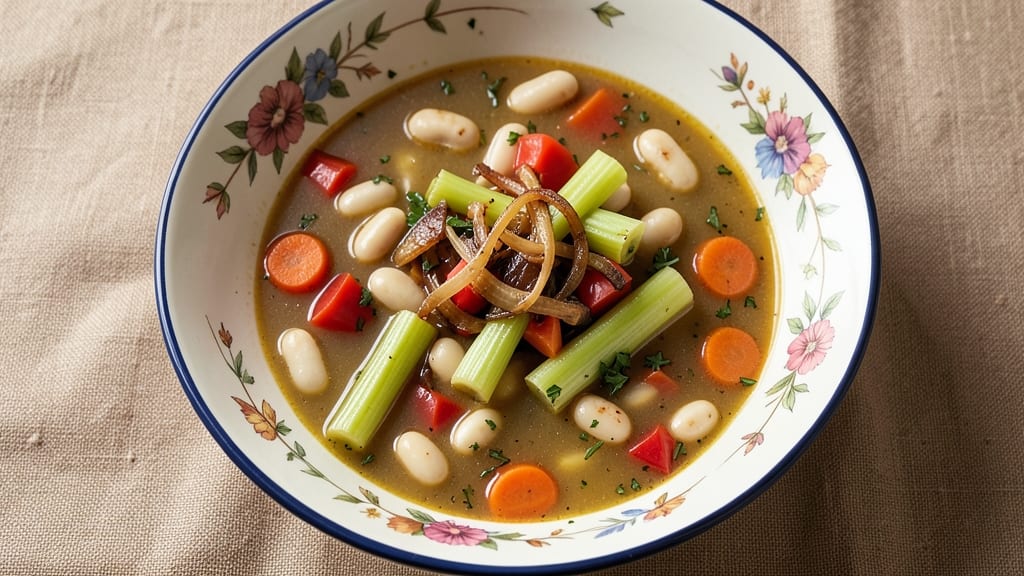
Betty Crocker's minestrone soup delivers the hearty comfort of a classic Italian stew without the hours of simmering. This vegetable-packed version transforms simple pantry staples into a rich, flavorful bowl that warms the soul and satisfies the appetite.
The secret lies in balancing hearty beans, tender pasta, and fresh vegetables in a savory broth that builds depth over 30 minutes of gentle cooking.
The beauty of this recipe is its versatility—it works as a quick weeknight meal or a nourishing lunch for busy days. I’ve refined the method to ensure the vegetables stay vibrant while the beans and pasta absorb the aromatic broth.
A touch of tomato paste and Italian seasoning elevates the flavor profile, making every spoonful taste like a homemade restaurant dish. The result is a textured, filling soup that feels indulgent yet remains light enough for any season.
What makes this minestrone truly special is how it transforms ordinary ingredients into something extraordinary. The beans add substantial protein, the pasta provides a satisfying bite, and the vegetables bring freshness to each bowl.
Whether you’re serving it to a family or meal prepping for the week, this recipe delivers consistent, restaurant-quality comfort without the fuss.
For those who want to add protein, tofu or chicken can be incorporated without altering the core method. The key is patience—letting the flavors meld during the 30-minute simmer ensures a harmonious blend that’s both nutritious and deeply satisfying.
Ready to create this classic dish in your own kitchen? Let’s get started.
Ingredients for betty crocker minestrone soup
Simple pantry staples transform into restaurant-quality minestrone in just 30 minutes.
| Ingredient | Amount | Notes |
|---|---|---|
| Canned White Beans 🌿 | 2 cans | Rinsed, drained, 15 oz each |
| Ditalini Pasta 🍝 | 1 lb | Small pasta shape preferred |
| Carrots 🥕 | 3 whole | Diced, 3-inch pieces |
| Celery Stalks 🧅 | 3 whole | Diced, 2-inch pieces |
| Red Bell Pepper 🌶️ | 1 whole | Diced, seeds removed |
| Onion 🧅 | 1 whole | Yellow or white, diced |
| Garlic Cloves 🧄 | 4 cloves | Minced, skin removed |
| Tomato Paste 🍅 | 2 tbsp | Smooth, unsweetened |
| Vegetable Broth 💧 | 6 cups | Low-sodium preferred |
| Canned Diced Tomatoes 🍅 | 1 can | 14.5 oz, undrained |
| Italian Seasoning 🌿 | 1 tsp | Dried blend preferred |
| Kosher Salt 🧂 | 1 tsp | Diamond Crystal preferred |
| Black Pepper 🌶️ | ½ tsp | Freshly ground preferred |
| Extra-Virgin Olive Oil 🫒 | 2 tbsp | High-quality, fruity |
| Fresh Basil Leaves 🌿 | ¼ cup | Chopped, for garnish |
| Parmesan Cheese 🧀 | ¼ cup | Freshly grated, aged |
For optimal flavor, source ditalini pasta from specialty Italian markets or bulk bins—it retains its shape better than pre-packaged varieties. Canned beans should be rinsed thoroughly to avoid excess sodium; Great Value or Bush's brands offer excellent quality at affordable prices. Fresh vegetables like carrots and celery should be organic when possible for superior texture and flavor. Vegetable broth is a non-negotiable—opt for Pacific Foods or Imagine Foods for a richer, more aromatic base. The garlic cloves should be minced finely to release their full aromatic potential, while the red bell pepper adds a vibrant sweetness that balances the earthy notes of the beans and pasta.
Substitutions are straightforward—kidney beans or cannellini beans work equally well in place of white beans, maintaining the soup’s hearty texture. Zucchini or green beans can replace celery for a different vegetable profile, though the celery’s subtle sweetness is hard to replicate. For a low-sodium option, use homemade vegetable broth and reduce the kosher salt by half. The Italian seasoning blend should include dried oregano, basil, and thyme—Adobo seasoning offers a robust alternative. Fresh basil is ideal for garnish, but dried basil at half the amount works in a pinch. The tomato paste should be unsweetened and smooth—San Marzano is a reliable choice for its balanced acidity.
Store the soup in an airtight container in the refrigerator for up to 5 days, allowing the flavors to deepen. For long-term storage, freeze portions in 1-quart containers for up to 3 months. To reheat, gently warm on the stove over medium-low heat, adding a splash of water if needed to loosen the consistency. The Parmesan cheese should be grated fresh before serving to maximize its umami richness. Garnish with fresh basil just before eating to preserve its vibrant color and aroma. This soup reheats beautifully, often tasting even better the next day as the flavors meld further.
Why You'll Love This Recipe
- No Chopping Chaos: Honestly, this recipe is one of those rare gems where you can actually not stress over prep. The veggies—carrots, celery, red bell pepper, and onion—are all diced in big, easy-to-handle chunks. I’ve made it while watching TV, and honestly, it’s the kind of chopping that doesn’t feel like work. Just dice, sauté, and let the flavors do the heavy lifting.
- Cheesy, Herby Payoff: Between the freshly grated Parmesan and those bright basil leaves on top, this soup hits that perfect balance of rich and fresh. The white beans add creaminess, while the Italian seasoning and garlic make every spoonful taste like a warm hug from Nonna. Trust me, the last bite is the best bite.
- Freezer-Friendly Feast: I make this soup once and eat it for days—literally. It keeps like a dream for up to 5 days in the fridge, and if I’m feeling lazy, I freeze it in portions for up to 3 months. Perfect for those nights when you’re too tired to cook but still want something hearty. Just reheat, add a splash of broth, and boom—dinner.
- Budget’s Best Friend: This recipe is basically a grocery list of pantry staples: canned beans, ditalini pasta, and veggies that stretch far. I’ve made it for under $10, and honestly, it’s the kind of meal that makes you feel like you’re splurging without breaking the bank. Plus, the flavors are so good, you won’t miss the expensive ingredients.
Step-by-step instructions for hearty minestrone soup
A rich, vegetable-loaded minestrone that delivers restaurant-quality comfort in under 30 minutes.
Sauté the Vegetable Base
Heat the 2 tablespoons extra-virgin olive oil in a large pot over medium heat. Add the 1 diced onion, 3 diced carrots, and 3 diced celery stalks, cooking for 5-6 minutes until the vegetables soften and begin to release their natural sweetness. Stir occasionally to prevent browning.
Add the 1 diced red bell pepper and continue cooking for another 3 minutes until the peppers lose their raw edge. Here's the thing—don't rush this step. The vegetables need time to develop flavor through slow cooking. If they start to stick, reduce the heat slightly and add a splash of vegetable broth to deglaze.
Build the Flavor Foundation
Stir in the 4 minced garlic cloves and cook for 30 seconds until fragrant—this is when the kitchen should smell like a fresh Italian garden. Add the 2 tablespoons tomato paste and cook for 1 minute, stirring constantly to distribute it evenly. This creates a rich, umami base that ties all the flavors together.
Pour in the 6 cups vegetable broth and bring to a gentle boil. Stir in the 1 can canned diced tomatoes (with juices), 1 teaspoon Italian seasoning, 1 teaspoon kosher salt, and ½ teaspoon black pepper. Reduce heat to medium-low and let the mixture simmer for 10 minutes, allowing the flavors to meld and the vegetables to tenderize further.
Add Pasta and Beans
Add the 2 cans drained white beans and 1 lb ditalini pasta to the simmering broth. Stir gently to coat the pasta with the flavorful liquid. Here's what I do—partially submerge the pasta in the broth first, then add more liquid as needed to maintain a gentle simmer. This prevents the pasta from sticking together.
Cook for 8-10 minutes, stirring occasionally, until the pasta is al dente—just tender enough to bite through with slight resistance. The soup should have a hearty consistency, but not be gluey. If it's too thick, add ½ cup vegetable broth to reach your desired texture. Taste and adjust seasoning if needed.
Finish and Garnish
Remove the pot from heat and stir in the ¼ cup freshly grated Parmesan cheese. This final step adds a salty, nutty depth that elevates the entire dish. Let the soup sit for 2-3 minutes to allow the cheese to melt slightly and blend with the other ingredients.
Ladle the soup into bowls and garnish each serving with ¼ cup chopped fresh basil leaves. The bright, herbal notes of the basil cut through the richness of the beans and tomatoes, adding a fresh finish. Serve immediately while the pasta is still al dente and the flavors are at their peak.
Pro Tips For Making Betty Crocker Minestrone Soup
- Deglaze Like a Pro: If your onion, carrots, and celery start sticking after 5-6 minutes, don’t scrap the pot—just toss in a splash of vegetable broth (even a tablespoon or two) and stir. I learned this the hard way when I burned a batch because I was too stubborn to pause. The broth loosens those browned bits, turning them into flavor instead of waste.
- Dice Uniformly, Cook Evenly: Chop your carrots, celery, and bell pepper into roughly the same size (3-inch and 2-inch pieces, as the recipe says). Uneven cuts mean some veggies turn mushy while others stay crunchy. My grandmother swore by this, and she was right: consistency = harmony in every bite.
- Salt the Broth Early: Add the 1 teaspoon kosher salt when you pour in the 6 cups vegetable broth, not at the end. Salting early lets the seasoning penetrate the pasta and beans while they cook, so you won’t end up guessing if it needs more later. (Yes, even if you’re impatient like me.)
- Stir the Pasta Gently: When adding the 1 pound ditalini pasta, resist the urge to dump it all in at once and stir aggressively. Partially submerge it first, then let it float—this keeps it from clumping into one giant, gluey mess. I was skeptical until I tried it, and now I won’t cook it any other way.
Pro cooking tips for great betty crocker minestrone soup
Mastering the Sauté
This is where the magic begins—your vegetables need 5-6 minutes of undivided attention over medium heat to develop their natural sweetness. I use a heavy-bottomed pot like my Le Creuset Dutch oven to prevent scorching.
If the vegetables start sticking, add a splash of vegetable broth to deglaze and release those flavorful browned bits. This step is non-negotiable—rushing it means bland soup. 🔥
Garlic Timing Matters
When you add the 4 minced garlic cloves, cook them for just 30 seconds until fragrant. Overcooking turns them bitter—trust me, I’ve burned garlic before! Use a microplane for ultra-fine mincing so the aroma infuses the broth completely. This aromatic base is the foundation of your soup’s depth.
Pasta Submersion Technique
Here’s my secret: partially submerge the 1 pound ditalini pasta in the broth before adding more liquid. This ensures even cooking and prevents clumping. I use Barilla ditalini because it holds its shape better than store-brand options.
Stir occasionally to keep the pasta from sticking to the bottom of the pot.
Texture Control
The key to perfect minestrone is achieving al dente pasta in 8-10 minutes. Taste-test a piece—it should have a slight bite. If the soup is too thick, add ½ cup water or broth.
I always keep a ladle handy to taste as I cook, adjusting seasoning right away. This step makes all the difference in the final result.
Cheese Timing
Adding the ¼ cup Parmesan cheese off the heat is crucial—it prevents curdling and lets the cheese melt smoothly into the broth. Let it sit for 2-3 minutes before serving.
For extra richness, sprinkle a pinch of Pecorino Romano on top of each bowl. This final touch elevates the soup from good to extraordinary.
Garnish Like a Pro
Fresh basil leaves should be added just before serving to preserve their vibrant color and aroma. I tear them by hand instead of chopping to keep them looking fresh.
A drizzle of extra-virgin olive oil over the top adds a luxurious finish. This simple garnish makes your soup look and taste restaurant-worthy. ✨
Nutrition facts
Frequently asked questions
Can I use frozen vegetables instead of fresh?
Frozen carrots, celery, and bell peppers work perfectly in this recipe. Just thaw them first and drain any excess liquid before adding to the pot. The texture will be slightly softer, but the flavor remains rich and satisfying.
How do I adjust the seasoning if my soup tastes bland?
Taste as you cook—this is key! If needed, add a pinch of kosher salt or ½ teaspoon black pepper while simmering. For extra depth, stir in a splash of soy sauce or a dash of red pepper flakes to balance flavors. Always taste before adding more salt.
Why does my pasta turn mushy instead of al dente?
Overcooking is the culprit! Keep an eye on the 8-10 minute cooking time and taste-test a piece early. If it’s softening too fast, reduce heat slightly or remove the pot from the burner for a few minutes. Stirring constantly also helps maintain even cooking.
Can I make this soup ahead of time?
Yes! The soup tastes even better the next day. Store it in an airtight container in the fridge for up to 5 days. For freezing, portion into 1-quart containers and freeze for up to 3 months. Reheat gently on the stove, adding a splash of broth if needed.