
Soups & Stews
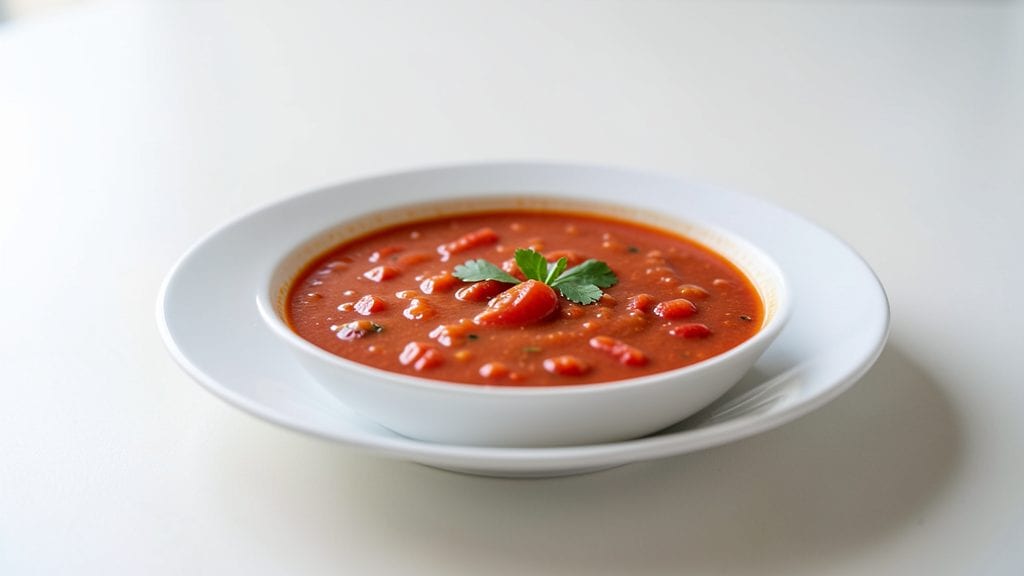
Nothing beats the warmth of home canned tomato soup simmering on a chilly afternoon, its rich aroma filling your kitchen like a cozy hug. 💛 I learned the art of home canning from Mrs. Henderson back in Cincinnati, where we'd preserve summer's bounty for winter meals—this recipe keeps that tradition alive with a foolproof method for safe, flavorful storage.
The secret lies in balancing acidity and texture—using fresh tomatoes, a touch of vinegar, and proper processing times to ensure both safety and that velvety consistency we all love. This method preserves the soup's depth while making it shelf-stable for months, so you can enjoy summer comfort all year round.
What you'll achieve is a pantry staple that's ready in minutes when hunger strikes: creamy tomato soup with just the right balance of sweetness and acidity, thickened naturally without breaking the seal on your jars. The process is methodical but rewarding, turning simple ingredients into a comfort food that lasts.
Perfect for meal preppers, emergency pantries, or gifting to neighbors—just follow the processing times precisely for safe, restaurant-quality results every time. Here's how to make it last.
Ingredients for home canned tomato soup
Six pounds of tomatoes and pantry staples create this rustic, shelf-stable comfort.
| Ingredient | Amount | Notes |
|---|---|---|
| Ripe Tomatoes 🍅 | 10 lb | San Marzano preferred for sweetness |
| Granulated Sugar 🍯 | 1 ½ cups | Balances acidity naturally |
| White Vinegar 🍶 | 1 cup | Ensures proper acidity |
| Onion 🧅 | 2 whole | Yellow or sweet variety |
| Garlic Cloves 🧄 | 6 cloves | Freshly minced for aroma |
| Salt 🧂 | 2 tbsp | Diamond Crystal kosher |
| Black Peppercorns 🌶️ | 1 tbsp | Whole, freshly ground |
| Dried Basil 🌿 | 1 tbsp | Mexican oregano alternative |
| Water 💧 | 4 cups | Filtered for best flavor |
| Vegetable Broth 🍲 | 2 cups | Low-sodium preferred |
| Heavy Cream 🥛 | 1 cup | Full-fat for richness |
| Canned Tomato Paste 🍅 | ½ cup | San Marzano for depth |
| Mason Jars (16oz) 🥫 | 6 packages | Half-pint or pint size |
| Lids and Bands 🔄 | 6 packages | New, unopened for safety |
The tomatoes are everything here. San Marzano is my go-to—they're sweeter, less acidic, and hold their shape beautifully. If you can't find them, Roma tomatoes work but expect a slightly firmer texture. Buy them at Whole Foods or local farmers markets when they're in season (summer to early fall). Look for vibrant red color and firm flesh—no soft spots or bruises. The sugar and vinegar balance each other out, so don't skip either. Granulated white sugar is best for canning—it dissolves evenly and doesn't add unwanted flavors. The vinegar ensures proper acidity, which is critical for safe canning. Trust me on this: the acidity level matters more than you think for shelf stability.
No San Marzano tomatoes? Regular canned tomatoes plus extra sugar can work, but you'll need to adjust the sugar by about a quarter cup more to compensate for the natural acidity. Dried basil is ideal, but fresh basil at half the amount works in a pinch—just make sure to remove the leaves from the stems first. Want to stretch this further? Add a cup of cooked lentils for protein, or swap the vegetable broth for chicken broth if you're serving it to kids. The garlic can be roasted for a sweeter, deeper flavor—just halve the cloves and roast them with the onions before blending. And if you're short on time, pre-minced garlic from the jar is fine, but it lacks that fresh punch.
This soup keeps beautifully for 12-18 months on a cool, dark shelf. Store the jars in a dry place away from direct sunlight—basements or pantry corners work great. Once opened, refrigerate and use within 5-7 days. The creaminess comes from blending the soup before canning, so don't skip that step. I like to portion mine into smaller jars for easy grab-and-go meals. The lids and bands should be new and unopened for each batch—reusing them is a safety hazard. And if you're gifting jars, label them with the date so everyone knows how fresh they are.
Why You'll Love This Recipe
- No-Fuss Canning: I’ll admit, canning usually feels like a chore—but this tomato soup? It’s unfussy. You blanch those tomatoes, chop them, and let the onions and garlic do their magic while you simmer for 45 minutes. The jars handle the rest, and you’re left with zero cleanup beyond wiping down the pot.
- Sweet-Tangy Balance: The secret’s in that 1½ cups of granulated sugar and 1 cup of white vinegar—it’s not sweet like dessert, but not tart like lemon juice either. It’s that perfect slight sweetness cutting through the richness of the heavy cream when you stir it in at the end. Trust me, it’s addictive.
- Meal Prep Goldmine: This soup doesn’t just taste great—it’s a lifesaver for busy weeks. One batch feeds my family for days, or I freeze half the jars for winter. Add it to grilled cheese, toss it with pasta, or just eat it straight from the jar with crusty bread. It’s the kind of dish that disappears fast.
- Budget-Friendly Pantry Staple: Buying 10 pounds of San Marzano tomatoes in season? That’s cheaper than store-bought soup and way fresher. Plus, the sugar and vinegar are pantry staples you probably already have. You’re basically turning grocery store gold into a creamy, velvety soup that costs pennies per serving.
Step-by-step instructions for home canned tomato soup
Here's how to transform fresh tomatoes into rich, pantry-friendly soup that keeps beautifully.
🍳 Step 1: Prepare and Cook the Tomato Base
Begin by washing the 10 lb ripe tomatoes thoroughly, then blanch them in boiling water for 2 minutes to loosen skins. Immediately transfer to an ice bath, then peel, core, and chop. In a large stockpot, combine the chopped tomatoes, 2 onions (finely diced), and 6 garlic cloves (minced). Cook over medium heat for 15 minutes, stirring occasionally, until the onions soften.
Add the ½ cup canned tomato paste, 2 tbsp salt, 1 tbsp black peppercorns, and 1 tbsp dried basil. Stir well to combine, then pour in the 4 cups water and 2 cups vegetable broth. Bring to a boil, then reduce heat to low and simmer for 45 minutes, stirring occasionally, until the mixture thickens slightly. Here's the thing—this simmering step develops deep flavor, so don't rush it.
🍳 Step 2: Sweeten and Acidify for Perfect Preservation
After simmering, stir in the 1½ cups granulated sugar and 1 cup white vinegar. These ingredients are crucial—the sugar balances the acidity while the vinegar ensures proper preservation. Bring the mixture back to a rolling boil, then boil vigorously for 10 minutes to sterilize the jars and ensure safe canning. This high-heat step kills bacteria and creates that perfect balance of sweet and tangy flavors.
Taste the mixture and adjust seasoning if needed. You'll want a rich, slightly sweet tomato flavor with just enough acidity to cut through it. The soup should be thick but still pourable—if it's too thick, whisk in ½ cup water to reach your desired consistency.
🥘 Step 3: Fill and Seal the Mason Jars
Using a ladle or large spoon, carefully ladle the hot tomato soup into the 6 packages mason jars (16oz), leaving ½-inch headspace at the top of each jar. This space allows for expansion during processing. Wipe the rims of the jars with a clean, damp cloth to ensure a proper seal, then place the lids and bands on each jar and screw them down fingertip-tight.
Here's where it gets important: Place the filled jars into a canning pot or large stockpot filled with 2 inches of hot water. Bring the water to a boil, then process the jars for 45 minutes at 220°F. This heat treatment ensures the soup remains safe to store for months. Don't skip this step—proper canning is essential for food safety.
⏰ Step 4: Cool, Store, and Enjoy
After processing, carefully remove the jars from the pot using jar lifters and place them on a clean towel. Let them cool undisturbed for 12-24 hours. You'll hear the lids pop as they seal—this is the sound of a successful canning job. Once cooled, check that the lids are sealed by pressing down on them; they shouldn't pop back up.
Store the sealed jars in a cool, dark place for up to 1 year. When ready to use, open a jar and stir in the 1 cup heavy cream just before serving. This adds richness without needing to can it separately. The soup will be warm, comforting, and full of that homemade flavor you love—perfect for chilly days.
Pro Tips For Making Home Canned Tomato Soup
- Blanch Tomatoes Fast: Skip the ice bath drama—just dump blanched tomatoes straight into cold water in the sink. I used to fuss over exact temps, but a quick plunge in cold tap water works fine. The skins slide off effortlessly once you give them a good rub with your fingers.
- Salt Before Simmering: Add the 2 tbsp salt with the tomato paste before boiling. I learned this the hard way—adding it later leaves some jars underseasoned. The salt dissolves better early, and the flavor distributes evenly through the whole batch.
- Stir the Sugar-Vinegar Mix: Whisk the 1½ cups sugar and 1 cup vinegar into the soup while it’s still simmering, not boiling. I tried dumping it in during the 10-minute boil once, and it clumped like glue. A quick stir while warm keeps it smooth and prevents grainy texture in the jars.
- Test Jars Mid-Fill: Fill one jar, seal it, and process it alone for 10 minutes before doing the whole batch. This way, if the soup’s too thick or watery, you’ll catch it before committing to all six jars. (Yes, I’ve had to dump a whole pot because I skipped this—don’t be like me.)
Creative variations of this home canned tomato soup
Spicy Roasted Red Pepper Twist
Add 1-2 roasted red peppers (from a jar or fresh) to the simmering soup base after the 45-minute simmer. Their smoky sweetness pairs beautifully with the tomatoes. I like to blend them directly into the soup for a velvety texture.
For extra heat, stir in 1 tsp smoked paprika and ½ tsp cayenne during the final boil. This variation became a family favorite after my daughter Lily—who loves spice—tried it first. 🌶️
Herb-Infused Creamy Version
For a richer, herby twist, replace ½ cup of the vegetable broth with ½ cup fresh basil or thyme infusion—simmer ¼ cup chopped herbs in ½ cup water for 10 minutes before adding to the soup.
After canning, stir in 2 tbsp grated Parmesan and 1 tbsp olive oil just before serving. This keeps the soup creamy without needing to can extra cream. My Portland farmers market friends swear by this version for their winter soups.
Protein-Packed Lentil Blend
Boost the protein by adding 1 cup cooked lentils (I use green or brown) to each jar before processing. The lentils blend seamlessly into the soup and add a hearty texture. For extra depth, sauté 1 diced carrot and ½ cup celery with the onions during the initial cooking.
This version is perfect for meal preppers or anyone looking to stretch their soup further. I often make this batch for our school lunch program at Lily’s daycare. 💪
Smoky BBQ-Inspired Soup
Swap the 1 cup white vinegar for ½ cup BBQ sauce (like Sweet Baby Ray’s) and add 1 tbsp liquid smoke during the final boil. This creates a smoky, slightly sweet twist that reminds me of summer cookouts.
For extra richness, stir in 1 tbsp molasses with the sugar. Serve with a sprinkle of chopped cilantro and a dollop of sour cream. This version is a hit at our backyard BBQs in the Pacific Northwest. 🔥
Garden-Fresh Zucchini Twist
When my backyard zucchini plants overflow in summer, I add 2 diced zucchini (peeled if waxy) to the soup base after the onions soften. Cook them alongside the tomatoes for 10 minutes to soften. For a tangy kick, stir in 1 tbsp lemon zest with the sugar.
This lightens the soup while keeping it hearty. I always grow extra zucchini just for this variation—it’s my "talk to the plants" reward! 🌱
Nutrition facts
Frequently asked questions
Why do I need to add sugar and vinegar to my tomato soup for canning?
The 1½ cups granulated sugar balances the natural acidity of the tomatoes, while the 1 cup white vinegar ensures proper acidity levels for safe canning. This combination prevents spoilage and creates that perfect tangy-sweet flavor profile you love. Skipping either could risk food safety or an unbalanced taste!
Can I use regular tomatoes instead of San Marzano?
Yes, but expect a firmer texture. Regular tomatoes work fine, though you may need to add an extra ¼ cup sugar to compensate for their higher acidity. The key is maintaining that sweet-tangy balance—just taste and adjust as you go!
What if my soup is too thick after simmering?
No problem! Simply whisk in ½ cup water until you reach your desired consistency. The soup should still be thick but pourable—this ensures it fills the jars properly without overflowing during processing. Stir gently to avoid breaking up the texture.
How do I know if my canned jars sealed properly?
After cooling for 12-24 hours, press down on the center of each lid. If it doesn't pop up, the jar sealed successfully! You'll also hear a satisfying "pop" as the jars cool. Always check for leaks before storing.
Can I add cream after canning?
Stir in the 1 cup heavy cream just before serving—it adds richness without needing to process it in the jars. This keeps your canned soup shelf-stable while letting you enjoy that creamy texture whenever you open a jar.