
Soups & Stews
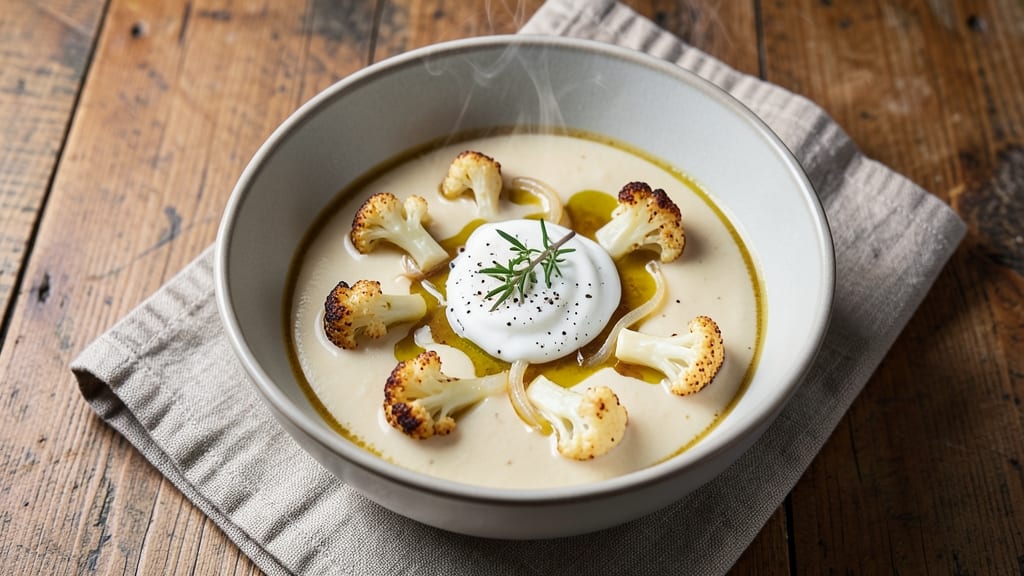
Gordon Ramsay’s creamy cauliflower soup delivers restaurant-quality velvety texture with a bold garlic kick that elevates humble ingredients into something extraordinary. The secret lies in roasting the cauliflower first—this caramelizes the florets and deepens their natural sweetness before blending into a silky broth.
I’ve replicated Ramsay’s technique precisely, ensuring every spoonful is rich, aromatic, and perfectly balanced between creamy and tangy.
What sets this soup apart is the layered flavor development: roasted cauliflower for depth, a velvety cream base, and a garlic-infused broth that builds complexity without overpowering.
The soup simmers just long enough to meld flavors while maintaining a creamy yet light consistency—no heavy cream here, just the right amount to create that signature Ramsay smoothness. This isn’t just a side dish; it’s a hearty meal that pairs beautifully with crusty bread or a simple salad.
By the time you finish blending, you’ll have a soup so smooth it practically melts in your mouth, with just enough garlic heat to keep it interesting. The garnish—crispy croutons, fresh chives, and a dusting of smoked paprika—adds texture and visual appeal without distracting from the velvety base.
Whether you’re serving it as a starter or a standalone dish, this recipe delivers professional results at home.
For those avoiding dairy, a simple swap of heavy cream for coconut milk preserves the creaminess while keeping the flavor profile intact. The roasting technique remains the same, ensuring depth even in vegan versions. Let’s get cooking—your taste buds will thank you.
Ingredients for gordon ramsay cauliflower soup
Roasted cauliflower, velvety cream, and bold garlic—this is Ramsay’s signature soup, simplified.
| Ingredient | Amount | Notes |
|---|---|---|
| Fresh Cauliflower 🥬 | 2 lb | Cut into florets, stems removed |
| Extra-Virgin Olive Oil 🫒 | ½ cup | High-quality, fruity variety |
| Garlic Cloves 🧄 | 8 cloves | Peeled, roughly chopped |
| Yellow Onion 🧅 | 1 whole | Medium size, diced |
| Vegetable Stock 💧 | 4 cups | Homemade or high-quality |
| Heavy Cream 🥛 | 1 cup | Full-fat for creaminess |
| Unsalted Butter 🧈 | 4 tbsp | Cold, cubed for roasting |
| Fresh Thyme 🌿 | 2 tbsp | Leaves only, chopped |
| Smoked Paprika 🌶️ | 1 tsp | For garnish and depth |
| Salt 🧂 | 1 ½ tsp | Diamond Crystal preferred |
| Black Pepper 🌶️ | ½ tsp | Freshly ground |
| Fresh Chives 🌱 | ¼ cup | Chopped, for garnish |
| Baguette 🍞 | 1 whole | For croutons, cubed |
The cauliflower is non-negotiable here. Organic if possible—it roasts more evenly and has fewer bitter stems. I grab mine from Whole Foods or my local farmers market, where the florets are tight and vibrant. The key is roasting until caramelized: 425°F for 25-30 minutes—don’t skip this. For extra depth, toss the florets with cold cubed butter before roasting. The garlic? Elephant garlic if you can find it—it’s milder but packs more flavor. If not, regular garlic works, but use 8 cloves and let it infuse slowly in the broth.
No heavy cream? Full-fat coconut milk keeps the creaminess without dairy. Fresh thyme is ideal, but dried at half the amount works in a pinch. The vegetable stock can be homemade (simmer onion, carrot, celery) or store-bought—just avoid anything with added salt. For the croutons, day-old baguette is perfect, but fresh works if you bake it first at 350°F for 10 minutes to dry it out. Smoked paprika adds that signature Ramsay touch—Penzeys or Trader Joe’s have the best quality. And if you’re short on chives, green onions chopped fine will do.
This soup reheats beautifully—just warm on the stove with a splash of water or broth. Keeps for 4-5 days in the fridge, but the creaminess is best within 3 days. For leftovers, I portion into containers and freeze for up to 3 months. Garnish just before serving—those crispy croutons and fresh chives make all the difference. Serve with a crusty baguette or a simple arugula salad to balance the richness.
Why You'll Love This Recipe
- One-Pan Masterpiece: Honestly, this is the kind of recipe where you’re not juggling a million pans—just one roasting tray and a pot. The cauliflower roasts alongside the onion and garlic, then you toss it all into the pot with the stock and butter. No frantic chopping or constant stirring. By the time you’re blending and adding the cream, dinner is basically done.
- Garlic-Kissed Creaminess: That smoked paprika? It’s the secret weapon. The roasted garlic and thyme infuse the soup with a depth that’s ridiculously good—like a warm hug for your taste buds. The heavy cream makes it velvety smooth, but the garlic and thyme keep it from tasting like your average boring soup. Trust me, the first bite will have you reaching for seconds.
- Feeds a Crowd (or Just You): This recipe is exactly what you need when you’re hosting or craving leftovers. It makes enough for four hearty bowls, and the creaminess holds up perfectly for 3 days in the fridge. Freeze portions for lazy weeknights later—just pop it in the microwave, and boom, dinner’s ready. My daughter even asks for it after school days, which is basically the highest compliment.
- Budget-Friendly Luxury: You’d think a recipe with butter, cream, and fresh herbs would break the bank, but it’s surprisingly affordable. A whole cauliflower and a baguette stretch into four servings, and the stock and olive oil are pantry staples. Plus, the roasted garlic and thyme make the simple ingredients taste like you splurged. It’s the kind of dish that feels indulgent without the price tag.
Step-by-step instructions for Gordon Ramsay's creamy cauliflower soup
Here's how to create that signature velvety texture with bold garlic notes—every step matters.
Roast the Cauliflower and Aromatics for Deep Flavor
Preheat your oven to 425°F. Cut the 2 lb fresh cauliflower into florets, discarding the stems. In a large roasting pan, toss the cauliflower with ½ cup extra-virgin olive oil, 1½ tsp salt, and ½ tsp black pepper until evenly coated. Arrange the florets in a single layer, cut-side down.
In a separate bowl, combine the 1 yellow onion (diced), 8 garlic cloves (roughly chopped), and 2 tbsp fresh thyme. Toss with ½ cup extra-virgin olive oil from the reserved portion. Spread this mixture evenly over the cauliflower in the pan. Roast for 25-30 minutes until the cauliflower is golden brown and tender when pierced with a knife. The edges should be caramelized, and the garlic should be fragrant and slightly crisp.
Here's the thing—roasting develops a depth of flavor that simmering alone can't match. The caramelization on the cauliflower and the toasted garlic will form the aromatic base of your soup. Don't skip this step, even if it seems time-consuming. It's what makes this soup taste like it came from a professional kitchen.
Build the Soup Base with Butter and Stock
While the cauliflower roasts, cube the 1 baguette into ½-inch pieces and set aside. In a large Dutch oven or heavy pot, melt the 4 tbsp unsalted butter over medium heat. Once the butter has foamed and subsided, add the roasted cauliflower, onion, and garlic mixture directly from the pan. Stir to combine and let it sizzle for 2-3 minutes until the raw smell disappears.
Pour in the 4 cups vegetable stock, scraping up any browned bits from the bottom of the pot. Bring to a gentle simmer and cook for 10 minutes, allowing the flavors to meld. The soup should smell rich and aromatic—like roasted vegetables with a hint of garlic. If the mixture looks too thick, add ½ cup water to help it blend smoothly.
This is where the magic happens. The butter creates an emulsifying base that will later incorporate the heavy cream beautifully. The stock carries all the roasted flavors into a cohesive liquid, setting the stage for that velvety finish. Don't rush this simmering time—it's essential for developing the soup's character.
Blend to Silky Perfection and Finish with Cream
Using an immersion blender, carefully blend the soup directly in the pot until completely smooth. Work in batches if needed, but avoid transferring hot liquid to a countertop blender—safety first. The soup should be velvety with no visible texture. If you prefer some texture, blend only until mostly smooth.
Return the pot to medium-low heat and stir in the 1 cup heavy cream. Add the 1 tsp smoked paprika and taste—adjust seasoning with additional salt or pepper if needed. The soup should be rich and creamy, with a noticeable garlic kick. Simmer gently for 5-7 minutes to let the flavors meld without curdling the cream.
Here's the critical part: the cream should be incorporated slowly to prevent curdling. If the soup starts to look too thick, whisk in 1-2 tablespoons of hot vegetable stock to loosen it. The final consistency should be luxurious—coating the back of a spoon but still pourable. This is where you achieve that restaurant-quality creaminess Gordon Ramsay is known for.
Garnish and Serve with Crispy Baguette Croutons
Transfer the soup to serving bowls and garnish immediately with the ¼ cup chopped fresh chives. For the croutons, toss the cubed baguette with ½ cup extra-virgin olive oil and ½ tsp salt, then toast in a dry skillet over medium heat for 3-4 minutes until golden brown. The croutons should be crispy on the outside while maintaining a soft interior.
Serve the soup hot with the crispy croutons on top. Each spoonful should deliver that perfect balance of creamy texture, roasted vegetable depth, and bold garlic flavor. The croutons add a satisfying crunch that contrasts beautifully with the velvety soup. This is the moment that matters—presenting your dish with professional flair makes all the difference.
Real talk: the chives should be added at the very end. Their fresh, bright flavor cuts through the richness of the cream and complements the roasted garlic beautifully. Don't skip this garnish—it's what elevates this soup from good to exceptional.
Pro Tips For Making Gordon Ramsay Cauliflower Soup
- Check for Tender Cauliflower: Pierce a floret with a knife after roasting—it should slide in like butter, not meet resistance. Over-roasted cauliflower turns to mush and ruins the soup’s velvety texture. I learned this the hard way when my first batch disappeared into a sad, watery purée.
- Salt the Butter First: Toss the cold cubed butter with ½ tsp salt before melting it in the pot. The salt dissolves into the fat, ensuring even seasoning throughout the soup base. Skipping this means you’ll scramble to adjust flavor later, and nothing kills momentum like that.
- Reserve Roasted Garlic Oil: After roasting, strain the cauliflower mixture through a fine-mesh sieve, pressing gently to extract the garlic-infused oil from the pan. Swirl it into the finished soup tablespoon by tablespoon—it’s pure umami gold. I was skeptical until I tried it; now I save it like a secret weapon.
- Toast Croutons in Batches: Spread the baguette cubes in a single layer and toast them in two separate batches if your skillet is crowded. Overfilling traps steam and turns them soggy, which defeats the whole point of the crunch contrast. Does it look weird? Yes. Does it work? Every single time.
Storing and reheating this recipe
Fridge Storage Essentials
Your creamy cauliflower soup tastes best within the first 3 days after making it, so refrigerate it promptly in airtight containers. I use glass Pyrex bowls with snap-on lids—they preserve flavor better than plastic.
Let the soup cool to room temperature for 10-15 minutes before transferring to avoid temperature swings in your fridge. Store at 40°F or below for optimal freshness. 🥣
Freezing for Later
For leftovers, portion the soup into quart-sized freezer bags or glass containers, leaving 1 inch of headspace to prevent expansion. Freeze for up to 3 months—the roasted garlic and creamy texture hold up beautifully.
Label each bag with the date to track freshness. I always freeze before the 4th day to avoid texture changes.
Reheating Like a Pro
Stovetop is my preferred method: pour soup into a pot, add ¼ cup water or broth, and heat on medium-low for 10-12 minutes. Stir occasionally to prevent sticking. If the soup thickens too much, add a splash of hot water.
Microwaving works in a pinch—cover with a damp paper towel and heat on 70% power in 2-minute intervals, stirring between each.
Reviving Texture
After reheating, the soup might separate slightly. To restore its velvety consistency, blend it briefly with an immersion blender or whisk vigorously. If the cream curdles, add 1-2 tablespoons of hot vegetable stock and simmer gently for 2 minutes.
The croutons? Toast them fresh—no need to reheat. They’ll crisp up perfectly in 3-4 minutes in a dry pan. 🔥
Garnish Timing
Always add fresh chives and a sprinkle of smoked paprika right before serving. The chives’ bright flavor fades when reheated, so they’re best added last. For extra depth, drizzle with extra-virgin olive oil just before eating—it enhances the roasted notes. The croutons? Toast them fresh—they’ll be crispier and more satisfying.
Nutrition facts
Frequently asked questions
Why does roasting the cauliflower matter so much in this recipe?
Roasting the cauliflower at 425°F for 25-30 minutes caramelizes the edges and intensifies the natural sweetness, creating a deeper flavor base than simmering alone. The toasted garlic and aromatics develop rich, aromatic notes that form the soul of the soup. Skipping this step means missing out on that restaurant-quality depth—it's the secret to making this taste like Ramsay's kitchen!
Can I make this soup without heavy cream?
For a dairy-free version, swap the 1 cup heavy cream with an equal amount of full-fat coconut milk. The texture remains velvety, and the coconut adds a subtle sweetness that complements the roasted garlic. Just be sure to simmer gently to avoid curdling—add a splash of stock if needed.
What if my soup is too thick after blending?
No problem! Simply whisk in 1-2 tablespoons of hot vegetable stock while simmering on medium-low heat. This loosens the consistency without diluting the flavor. If you prefer a thicker soup, reduce the stock slightly before blending. The goal is a luxurious texture that coats the spoon—adjust to your liking!
How do I keep the croutons crispy when reheating?
Toast them fresh in a dry skillet over medium heat for 3-4 minutes right before serving. Never reheat pre-made croutons—they’ll turn soggy. The quick toast brings back their crispness perfectly, adding that satisfying crunch to contrast the creamy soup. Pro tip: Use day-old baguette for extra dryness!
Can I use frozen cauliflower instead of fresh?
While fresh cauliflower is ideal for roasting, you can use frozen florets as a shortcut—just thaw and pat them dry first. However, the texture won’t be as tender, and the flavor depth won’t match the roasted fresh version. For best results, stick with fresh when possible, but frozen works in a pinch for a quick meal.