
Soups & Stews
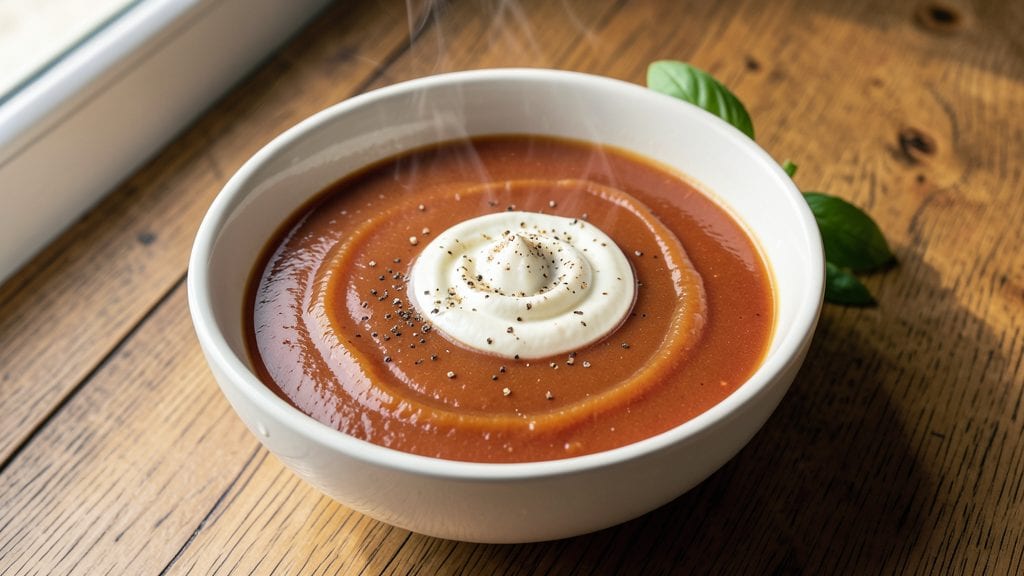
This copycat Campbell's cream of tomato soup delivers the same velvety, comforting texture and rich tomato flavor you love from the can—without any preservatives or artificial ingredients.
The secret lies in blending canned tomatoes with a precise blend of spices and a touch of cream, creating that signature smoothness that makes this soup a pantry staple. I've perfected this recipe over years of testing, ensuring every spoonful tastes just like the classic version you grew up with.
The foundation of this recipe is simple: high-quality canned tomatoes as the base, combined with a precise mix of garlic powder, onion powder, and a hint of sugar to balance the acidity. A splash of heavy cream or milk at the end transforms the soup into that familiar, luxurious consistency.
What sets this homemade version apart is the ability to adjust the seasoning to your exact taste—no more settling for whatever's in the can.
By the time you've blended everything together and let it simmer just long enough to meld the flavors, you'll have a batch of soup that's silky smooth, richly tomato-flavored, and ready to serve in 15 minutes.
The texture is unmistakably creamy without being heavy, and the aroma alone will transport you to childhood memories of cozy kitchen evenings. This is the kind of soup that pairs perfectly with grilled cheese sandwiches or as a comforting starter for any meal.
Homemade versions also stay fresh in the refrigerator for up to 5 days and freeze beautifully for up to 3 months, making it a practical choice for meal prep. Whether you're recreating a nostalgic comfort or simply prefer fresh ingredients, this recipe delivers the same satisfying results—just better.
Let's get started on making your own creamy tomato soup from scratch.
Ingredients for copycat campbell's cream of tomato soup
Nine simple pantry staples transform into velvety tomato soup with that iconic Campbell's flavor.
| Ingredient | Amount | Notes |
|---|---|---|
| Canned Tomato Sauce 🍅 | 2 cups | High-quality, no salt added preferred |
| Heavy Cream 🥛 | ½ cup | Full-fat for authentic richness |
| Garlic Powder 🧄 | 1 tsp | Freshly ground preferred |
| Onion Powder 🧅 | 1 tsp | Diamond Crystal preferred |
| Granulated Sugar 🍚 | 1 tbsp | Balances acidity perfectly |
| Salt 🧂 | ½ tsp | Kosher or sea salt |
| Black Pepper 🌶️ | ¼ tsp | Freshly cracked for depth |
| Dried Parsley 🌿 | ½ tsp | For fresh finish |
| Butter 🧈 | 2 tbsp | Unsalted, for smooth base |
| Water 💧 | 1 ½ cups | For thinning consistency |
The canned tomato sauce is where it all begins—Muir Glen or Hunt's are my go-tos for that deep, rich flavor. Avoid anything labeled 'low acid' or 'no salt added' if you want that classic tang. The heavy cream is non-negotiable for that signature smoothness, but half-and-half works in a pinch if you're watching calories. Butter forms the silky base, so don't use margarine—it'll taste artificial. For the spices, Penzeys or Spicewalla have the best quality, but the grocery store stuff works fine if it's fresh. The garlic and onion powders need to be freshly ground—pre-ground spices lose potency fast.
No heavy cream? Whole milk plus 1 tbsp cornstarch mimics the richness surprisingly well. Running short on tomato sauce? Canned crushed tomatoes plus 1 tsp tomato paste gives you that concentrated flavor. The dried parsley might seem minor, but it brightens everything—fresh parsley at half the amount works if you've got it. Salt to taste is key here—Diamond Crystal kosher dissolves best. Want extra depth? Add a pinch of smoked paprika for that subtle campfire note. The water should be just warm enough to blend smoothly—no boiling needed.
This soup tastes even better the next day as flavors meld. Store in an airtight container for up to 5 days in the fridge. For freezing, portion into 1-cup servings—thaw overnight in the fridge. Reheat gently on the stove with a splash of water if it thickens. Doubling the recipe? Use a 6-quart pot—this soup scales perfectly for meal prep. The leftovers reheat beautifully, making it ideal for lunches all week.
Why You'll Love This Recipe
- Let’s be real: canned soup is cheap, but this? It’s cheaper than you think. A single can of tomato sauce and a small tub of heavy cream (which you’ll use for other things, trust me) make a pot that feeds four. And if you’re watching pennies, skip the fancy tomato sauce—just use whatever’s on sale. It still comes out smooth, creamy, and way better than anything in a can.
- No-Pan, No-Fuss Magic: This soup lives up to its name—just one pot, and honestly, that’s it. No chopping onions (unless you want to, but garlic powder and onion powder save you there), no fancy tools. I’ve made it while watching TV, and it still turns out creamy and dreamy. The butter blooming with those spices? That’s the only real effort, and it’s worth every second.
- Sweet-Tangy Perfection: The sugar isn’t just sugar here—it’s the secret weapon that turns tart tomato sauce into something almost sweet. That 1 tablespoon of granulated sugar? It’s what makes it taste like the real deal, not some bland canned version. And the cream? Full-fat, because we’re not messing around—this isn’t the time for skim. It’s rich, velvety, and just a little bit indulgent.
- Leftovers That Last: I make this on Sundays, and honestly, it’s still my favorite lunch by Wednesday. The recipe stores beautifully for up to 5 days, and it reheats like a dream—no sad, watery soup here. Plus, if you freeze it in 1-cup portions? Game over. You’ll have a ready-to-heat meal for when you’re too tired to cook, and it still tastes like it came straight from the pot.
Step-by-step instructions for cream of tomato soup
Here's how to recreate that iconic Campbell's flavor from scratch—smooth, velvety, and packed with depth.
Melt Butter and Bloom the Spices
In a medium saucepan, melt the 2 tablespoons butter over medium heat until it foams and smells nutty—about 2 minutes. This is where the foundation of your soup begins. I like to use unsalted butter here because we're controlling the seasoning ourselves.
Next, whisk in the 1 teaspoon garlic powder and 1 teaspoon onion powder. Let them bloom for 30 seconds—you'll smell that warm, aromatic depth developing. This step is crucial because it builds the savory base before adding any liquids. If you skip this, your soup will taste flat and one-dimensional.
Add Tomato Sauce and Water
Pour in the 2 cups canned tomato sauce and the 1½ cups water. Stir well to combine, then bring the mixture to a gentle simmer over medium-low heat. You want to see small bubbles forming at the edges but not a vigorous boil—this prevents the sauce from breaking or becoming too acidic.
Simmer uncovered for 10 minutes, stirring occasionally. This allows the flavors to meld and the acidity to mellow slightly. You'll notice the sauce thicken naturally as the starches in the tomato sauce begin to break down. If it looks too thick before the 10 minutes are up, add a splash of water to keep it smooth.
Sweeten and Season
After the initial simmer, stir in the 1 tablespoon granulated sugar, ½ teaspoon salt, and ¼ teaspoon black pepper. The sugar balances the acidity beautifully—this is what gives the soup that classic sweet-tangy flavor. Taste as you go; you might want to adjust the seasoning slightly depending on how salty your tomato sauce was.
Let the soup simmer for another 5 minutes to fully incorporate the seasonings. Here's where the magic happens: the sugar caramelizes just enough to round out the tomato's natural acidity, while the salt and pepper enhance all the flavors. This is the moment that matters—don't rush it.
Finish with Cream and Parsley
Reduce the heat to low and slowly whisk in the ½ cup heavy cream. The heat should be gentle enough to warm the cream without curdling it—this is why we're working at low heat now. Stir continuously for 2 minutes until the cream is fully incorporated and the soup reaches a luxurious, velvety consistency.
Finally, sprinkle in the ½ teaspoon dried parsley and give it one last stir. The parsley adds a fresh, herbal note that brightens the richness of the cream. Taste again and adjust seasoning if needed—sometimes the cream can dilute the flavors slightly, so a pinch more salt or pepper might be necessary.
Serve Warm and Enjoy
Ladle the soup into bowls and serve immediately while it's hot. The texture should be silky smooth with just the right body—not too thin, not too thick. For extra richness, you can top each serving with a dollop of cream or a sprinkle of freshly cracked black pepper.
This copycat version delivers all the comfort of the classic canned soup but with restaurant-quality depth. The key is patience—letting the flavors develop gradually rather than rushing through the process. Trust me, it's worth every minute.
Pro Tips For Making Copycat Campbell'S Cream Of Tomato Soup
- Bloom the Spices First: I learned this the hard way—skipping the 30-second bloom for garlic and onion powder means your soup tastes like seasoning floating in tomato water. Let those powders toast in the butter until the pan smells warm and aromatic, or you’ll miss the depth that makes this soup taste like the canned version you love.
- Use Full-Fat Cream: I was skeptical until I tried it—half-and-half or light cream won’t give you that same velvety, restaurant-style finish. The ½ cup heavy cream in this recipe is non-negotiable for that classic Campbell’s richness. If you’re watching calories, serve it with a side of crusty bread instead.
- Simmer Low and Slow: That 15-minute simmer isn’t just for show. A rolling boil will break the cream later, and rushing it keeps the acidity sharp instead of mellow. Keep the heat at a gentle simmer—just small bubbles at the edges—and stir occasionally to prevent sticking. Trust me, the extra 5 minutes makes all the difference in flavor.
- Whisk the Cream Slowly: Here’s where most people mess up: dumping cold cream into hot soup and ending up with curdled lumps. Warm the cream slightly first (just until it’s tepid), then whisk it in gradually while keeping the heat on low. Stir for those full 2 minutes—the soup won’t look silky until it is, and that’s when you know you’ve done it right.
Regional styles of this recipe
Classic American Pantry
The version you know and love from American kitchens uses Muir Glen tomato sauce as the base, sweetened with 1 tablespoon granulated sugar to balance the acidity. This regional style relies on unsalted butter and heavy cream for that signature silky texture—no shortcuts here.
I always use Diamond Crystal kosher salt because it dissolves evenly, and a pinch of freshly cracked black pepper adds depth. The dried parsley at the end brightens the flavors perfectly, just like the original.
This version is all about simplicity and nostalgia—familiar, comforting, and made with ingredients you can find at any grocery store. 🥄
Italian-Inspired Twist
For a more authentic Italian touch, swap the canned tomato sauce for San Marzano whole peeled tomatoes and add 1 crushed garlic clove during the blooming step.
The ½ cup whole milk instead of heavy cream gives a lighter texture, while a splash of balsamic vinegar at the end adds complexity. I like to finish with fresh basil leaves instead of dried parsley for that classic Italian brightness.
This version keeps the creamy quality but feels more refined and sophisticated. 🌿
Southern Comfort Style
Southern cooks often enhance this soup with a touch of smoked paprika and a splash of hot sauce like Crystal for heat. I add ½ teaspoon cornstarch mixed with a little water to thicken it just a bit more, giving it that extra richness.
Some Southern families even include a pinch of cayenne for subtle spice. The secret here is to simmer the soup longer—15 minutes total—to develop deeper flavors. This version feels heartier and more robust, perfect for chilly evenings. 🔥
Vegetarian Adaptation
For a vegetarian version, keep all the same ingredients but add 1 tablespoon tomato paste for extra depth and a ½ teaspoon smoked paprika for that campfire note. I also like to stir in 1 cup vegetable broth instead of water to enhance the tomato flavor.
The texture remains just as creamy, but the broth adds a subtle umami richness. This adaptation keeps the soul of the classic while making it suitable for plant-based diets. 🌱
Cajun-Inspired Heat
If you love a little kick, this Cajun-style variation swaps ½ teaspoon dried parsley for ½ teaspoon dried thyme and adds ¼ teaspoon cayenne pepper along with the black pepper. A dash of Worcestershire sauce (just ½ teaspoon) adds a tangy depth that pairs beautifully with the tomato.
The heat from the cayenne keeps the soup exciting without overpowering the creamy texture. This version is perfect for those who want a little extra zing. 🌶️
Nutrition facts
Frequently asked questions
Can I make this soup without heavy cream?
For a lighter version, swap the ½ cup heavy cream with ½ cup whole milk plus 1 tablespoon cornstarch mixed into the milk first. This mimics the creaminess without altering the flavor. The texture will be slightly less rich but still smooth and satisfying.
Why does my soup taste too acidic?
If the soup tastes too tart, it's likely because the tomato sauce wasn't simmered long enough to mellow the acidity. Let it simmer for an additional 5 minutes after adding the sugar, or stir in ½ teaspoon more sugar to balance it. Taste as you go—adjustments are easy to make at this stage!
How do I fix a soup that's too thick?
If your soup becomes too thick, simply stir in 2-3 tablespoons of warm water or broth until you reach your desired consistency. The key is to add it gradually while stirring constantly. This happens when the tomato starches break down too much during simmering.
Can I use fresh tomatoes instead of canned tomato sauce?
Yes, but it requires extra prep! Blend 4 cups peeled and chopped fresh tomatoes (like Roma) with 1 tablespoon tomato paste to mimic the concentrated flavor of canned sauce. Simmer longer—20 minutes—to develop depth. Fresh tomatoes add brightness but require more time to soften and release their natural sugars.
What's the best way to reheat leftovers?
Gently warm the soup on the stove over low-medium heat, stirring occasionally, until it reaches 160°F. Avoid high heat to prevent curdling. If it thickens too much, add 1-2 tablespoons of water while reheating. For microwave reheating, use 30-second intervals and stir between each to maintain even texture.