
Soups & Stews
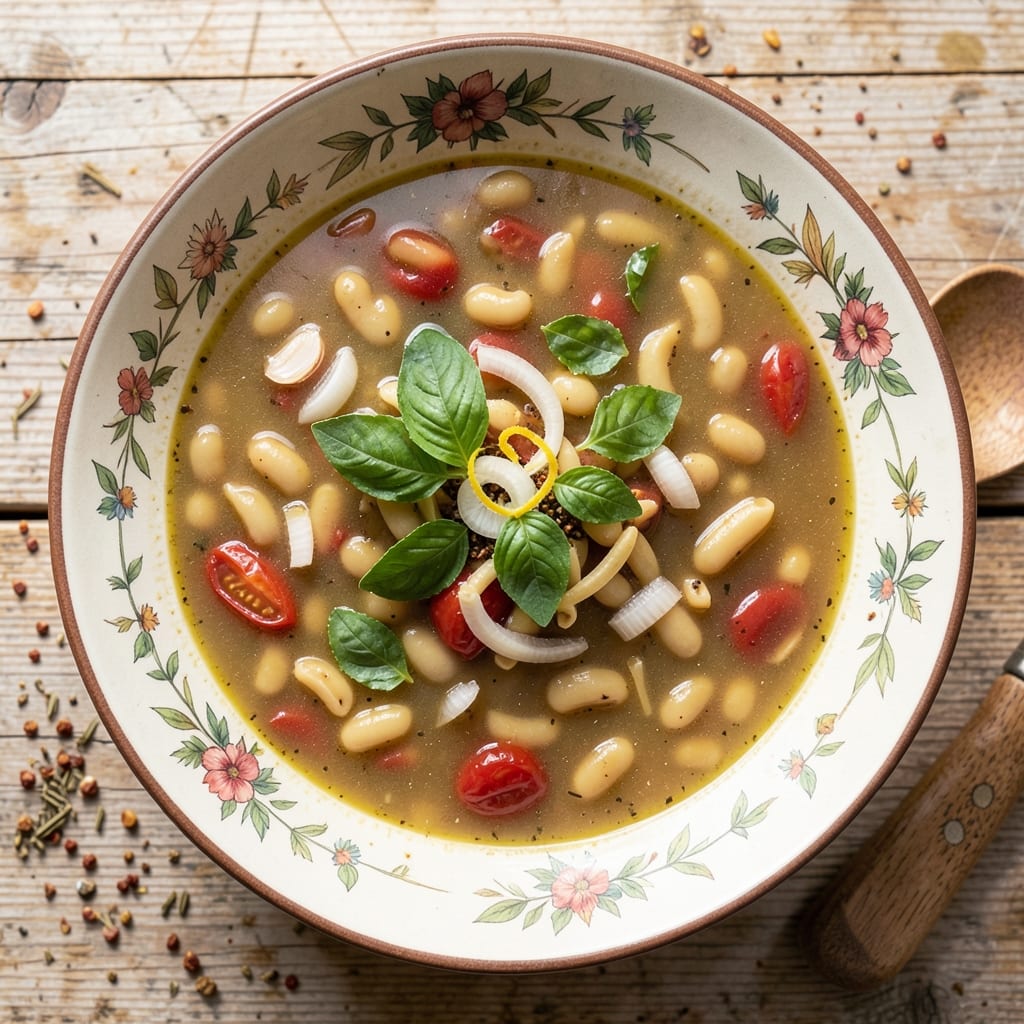
This authentic Italian pasta e fagioli soup recipe brings the hearty flavors of Rome to your kitchen with every spoonful. 💛 The secret lies in slow-simmered beans and al dente pasta bathed in a rich tomato-basil broth, creating a rustic dish that's both comforting and deeply traditional. Unlike lighter soups, this one-pot meal is designed to warm you from the inside out, with each ingredient playing its part in a symphony of Italian flavors.
The beauty of this recipe is its simplicity—just a few staple ingredients transform into something extraordinary. You'll start with dried beans, simmered until tender, then add pasta that cooks directly in the broth, absorbing all those delicious flavors. The key is balancing the acidity of the tomatoes with the earthiness of the beans, and the freshness of basil ties it all together. This isn't just soup; it's a taste of Italy in a bowl.
What makes this version truly authentic is the technique: no shortcuts, no substitutions. The beans simmer low and slow, the pasta cooks just until al dente, and the broth reduces to concentrate the flavors. The result is a soup that's hearty enough to satisfy a crowd but simple enough for a weeknight dinner. Every bite delivers that perfect balance of textures—creamy beans, tender pasta, and a broth that's rich without being heavy.
Perfect for chilly evenings or when you crave something warm and nourishing, this pasta e fagioli is also naturally vegetarian and packed with plant-based protein. Once you try it, you'll understand why this dish has been a staple in Italian homes for generations. Let's get cooking!
Ingredients for authentic italian pasta fagioli soup
Just 14 simple ingredients transform into Italy's most comforting soup—hearty, authentic, and full of rustic flavor.
| Ingredient | Amount | Notes |
|---|---|---|
| Dried Cannellini Beans 🌿 | 1 ½ cups | Rinsed before soaking overnight |
| Small White Onions 🧅 | 2 whole | Thinly sliced, not peeled |
| Garlic Cloves 🧄 | 4 cloves | Minced for depth of flavor |
| Canned San Marzano Tomatoes 🍅 | 2 cans | Crushed by hand, seeds removed |
| Ditalini Pasta 🍝 | 8 oz | Short, tube-shaped pasta |
| Fresh Basil Leaves 🌿 | ⅓ cup | Torn by hand, not chopped |
| Extra-Virgin Olive Oil 🫒 | ⅓ cup | For richness and aroma |
| Vegetable Broth 💧 | 4 cups | Low-sodium preferred |
| Dried Oregano 🌶️ | 1 tsp | Italian variety for authenticity |
| Red Pepper Flakes 🌶️ | ½ tsp | Adjust to taste for heat |
| Sea Salt 🧂 | 1 ½ tsp | Diamond Crystal preferred |
| Black Pepper 🌶️ | ½ tsp | Freshly cracked preferred |
| Fresh Parsley 🌿 | ¼ cup | Chopped for garnish |
| Grated Pecorino Romano 🧀 | ¼ cup | For finishing, optional |
The beans are the soul of this soup. Cannellini beans are traditional, but borlotti or fagioli beans work too—just soak them overnight. I grab mine from Whole Foods or the bulk section at Trader Joe's (they're usually pre-sorted). For the tomatoes, San Marzano cans are a game-changer—they're sweet and meaty, not acidic like regular canned tomatoes. If you can't find them, Muir Glen is a solid backup. The onions? Sweet Vidalia or white onions add natural sweetness that balances the acidity. Don't skip the soaking—it cuts cooking time and makes the beans creamier.
No fresh basil? Dried works at half the amount, but it won't have that bright, fresh finish. The pasta matters too—ditalini or small shells hold up best in broth. For the broth, low-sodium is key—you'll be adding plenty of salt later. The Pecorino Romano is optional but adds that authentic Italian finish. Short on time? Pre-cooked beans from a can (like Bush's low-sodium) save 12 hours, but soaking overnight is worth it for texture. The red pepper flakes? Adjust to taste—this is your chance to make it spicy or mild.
This soup tastes even better the next day as flavors meld. Store in an airtight container for up to 5 days in the fridge, or freeze portions for 3 months. I like to portion it into mason jars—they're perfect for lunches and reheat beautifully. The pasta will get softer when reheated, so it's best to add a splash of broth or water when warming. For serving, I like to top each bowl with a drizzle of extra-virgin olive oil and a sprinkle of Pecorino. The leftovers? Even better for sandwiches the next day—just toast some crusty bread and pile it high.
Why You'll Love This Recipe
- No-Chop Needed: I swear by this shortcut—just dice those onions roughly, no need for precision. The beans soften as they simmer, and the San Marzano tomatoes melt into a rich base without any fuss. (Yes, even on a Tuesday night.)
- Umami Bomb: That combo of garlic, slow-cooked beans, and crushed tomatoes? It’s the kind of depth you’d pay extra for at a restaurant. The ditalini soaks up all the flavor—no bland pasta here.
- Lunchbox Hero: Make a big pot on Sunday, and you’ve got hearty lunches for days. Pack it cold or reheat it—it’s just as good the next day, and way cheaper than takeout. My kids actually ask for leftovers.
- Pantry Staple Magic: You’re already using ingredients you own: dried beans, tomatoes, and onions. No specialty items, no last-minute grocery runs. It’s the ultimate budget win that still feels like a treat.
Step-by-step instructions for authentic Italian pasta e fagioli
This rustic Italian classic delivers hearty flavors with simple techniques—let's make it together.
🍳 Step 1: Sauté Onions and Garlic for Flavor Foundation
Heat the 0.33 cup extra-virgin olive oil in a large Dutch oven over medium heat. Add the 2 whole small white onions (thinly sliced) and cook for 8-10 minutes until they turn soft and translucent—they should release their natural sweetness without browning. Here's the thing: don't rush this step. You want the onions to caramelize just enough to build flavor.
After the onions soften, add the 4 cloves minced garlic and stir for 30 seconds until fragrant. Watch carefully—garlic burns quickly. You'll know it's ready when the kitchen fills with that irresistible aroma. This aromatic base is the soul of your pasta e fagioli.
🍳 Step 2: Simmer Beans and Tomatoes Until Tender
Add the 1.5 cups dried cannellini beans (already soaked overnight) to the pot along with the 2 cans crushed San Marzano tomatoes and 4 cups vegetable broth. Bring to a gentle boil, then reduce heat to low and let it simmer uncovered for 1 hour. Stir occasionally to prevent sticking—this is where the magic happens as flavors meld together.
After 1 hour, check the beans with a fork. They should be tender but not mushy—you want them to hold their shape but still be easy to mash slightly with your fork. If they're not quite there, simmer another 15-20 minutes. Real talk: don't skip this simmering time. It's what transforms simple ingredients into restaurant-quality soup.
🍳 Step 3: Build Depth with Herbs and Spices
Add the 1 tsp dried oregano, 0.5 tsp red pepper flakes, 1.5 tsp sea salt, and 0.5 tsp black pepper to the simmering pot. Stir well to distribute the spices evenly. Let everything cook together for another 10 minutes—this allows the flavors to truly marry and develop that authentic Italian taste.
Here's where it gets fun: tear the 0.33 cup fresh basil leaves by hand (don't chop them) and add them to the pot. Stir gently and let them cook for 2-3 minutes until they wilt slightly. The basil will release its bright, fresh flavor into the soup. This is the moment that matters: the basil should be just tender enough to be edible but still vibrant.
🍳 Step 4: Cook the Pasta Directly in the Soup
Add the 8 oz ditalini pasta to the pot and stir gently to distribute it evenly. The pasta will absorb the flavorful broth as it cooks. Bring the soup back to a gentle boil, then reduce heat to medium-low and simmer uncovered for 12-15 minutes, stirring occasionally. You want the pasta to be al dente—it should have a slight bite to it when you taste it.
Don't drain the pasta—cooking it directly in the soup ensures maximum flavor absorption. After 12 minutes, taste a piece of pasta. If it's still firm, let it cook another 2-3 minutes. The pasta should be tender but still hold its shape. This direct cooking method is key to authentic pasta e fagioli.
🥘 Step 5: Finish with Fresh Parsley and Pecorino
Once the pasta is perfectly cooked, remove the pot from heat. Stir in the 0.25 cup chopped fresh parsley and let it sit for 2-3 minutes to infuse the soup with its bright, fresh flavor. This final herb addition brightens the entire dish—don't skip it.
Ladle the soup into bowls and top each serving with 0.25 cup grated pecorino romano (about 1 tablespoon per bowl). The cheese adds a salty, umami richness that ties everything together. Serve immediately while still hot, with crusty bread on the side to soak up every last drop of that flavorful broth.
Pro Tips For Making Authentic Italian Pasta Fagioli Soup
- SOAK BEANS OVERNIGHT: I learned this the hard way—skipping the soak turns your soup into a mushy, gummy mess. Cannellini beans need at least 8 hours in cold water (or a quick 2-hour hot soak) to stay firm and absorb flavors properly. No shortcut here unless you want to taste regret.
- SWEAT ONIONS LOW: After burning three batches, I finally figured out: low and slow is the only way. Cook the onions in olive oil over medium-low heat for 10-12 minutes until translucent but not browned—this builds the base without bitterness. Cranking the heat just makes you cry and waste time.
- ADD PASTA LAST: This isn’t the prettiest method, but it’s the tastiest. Toss in ditalini only in the final 8-10 minutes of simmering—otherwise, they’ll turn to mush in the thick bean broth. (Yes, even if you’re impatient like me.)
- CRUSH TOMATOES BY HAND: Sounds weird, but it works: smash the San Marzano tomatoes with your fingers before adding them to the pot. This breaks down the skins and releases more juice, giving your soup a richer, silkier texture without needing extra water. No food processor? No problem—just get messy.
Flavor customization for this dish
Herb Variations
Swap the basil for fresh rosemary or thyme if you prefer earthier notes. I find ½ tsp dried rosemary adds a piney aroma that pairs beautifully with the tomatoes. For a Mediterranean twist, add 1 sprig fresh sage during the final 5 minutes of simmering—it releases its aromatic oils perfectly. 🌿
Spicy Heat Levels
Adjust the red pepper flakes to your taste: ¼ tsp for mild, ½ tsp for medium, or 1 tsp for spicy. For extra heat, add 1 chopped fresh jalapeño with the onions. If you love smoky flavors, stir in ½ tsp smoked paprika when adding the spices. Remember, the beans will soften the heat as they cook.
Cheese Alternatives
Skip the pecorino romano for parmesan if you prefer a milder finish. For a vegetarian-friendly option, try nutritional yeast (1 tbsp)—it adds a cheesy, umami depth. If you're lactose intolerant, vegan parmesan works too. I like to sprinkle it on top while the soup is still hot so it melts slightly into the broth.
Tomato Variations
Use fresh tomatoes instead of canned by roasting 4 large Roma tomatoes at 400°F for 20 minutes before adding them to the pot. For a sweeter profile, add ½ cup tomato paste when sautéing the onions. If you prefer a lighter soup, reduce the tomatoes to 1 can and add ½ cup white wine when cooking the beans.
Protein Additions
Keep it vegetarian or add ½ lb Italian sausage (removed from casing) with the onions. For a seafood twist, stir in ½ lb cooked shrimp during the final 5 minutes of cooking. If you love lentils, add ½ cup cooked lentils with the beans—they add extra protein and texture. The key is balancing the flavors so the additions enhance, not overpower.
Regional Twists
For a Roman-style version, add 1 diced celery stalk with the onions. A Sicilian variation includes ½ cup chopped olives and a pinch of cinnamon. The Northern Italian approach often uses barley instead of pasta—swap the ditalini for ½ cup pearl barley and simmer for 45 minutes instead of adding pasta.
Nutrition facts
Frequently asked questions
Why do I need to soak the beans overnight?
Soaking reduces cooking time by up to 4 hours and creates creamier beans with better texture. The overnight soak also removes natural sugars that can make beans taste bitter. For the most authentic flavor, never use canned beans—they lack the rustic texture and depth of properly simmered dried beans.
Can I make this soup without a Dutch oven?
Yes! Use a large stockpot or deep saucepan with a tight-fitting lid. Just be extra careful with the simmering time—beans need gentle, even heat. A 6-quart pot works well for 6 servings. The key is keeping the heat low to prevent the beans from breaking down too quickly.
What's the secret to getting the pasta al dente in the soup?
Start checking pasta 2 minutes before the package's suggested cook time—it absorbs broth differently than boiling. Stir occasionally to prevent sticking, and always taste-test! The pasta should have a slight resistance when bitten. If it's too soft, simmer uncovered for another 1-2 minutes to evaporate excess liquid.
How can I make this soup spicier without overpowering it?
Add ½ tsp red pepper flakes with the spices, then stir in 1 tsp hot sauce during the final 5 minutes of cooking. For smoky heat, add ½ tsp smoked paprika when sautéing onions. The beans' creaminess balances the heat beautifully—start with less and adjust to taste.
Can I prepare this ahead of time?
This soup tastes even better the next day as flavors meld. Store in an airtight container for 5 days in the fridge or freeze for 3 months. When reheating, add a splash of broth or water to prevent thickening. The pasta will soften slightly—just add a few extra minutes of simmering if needed.