
Soups & Stews
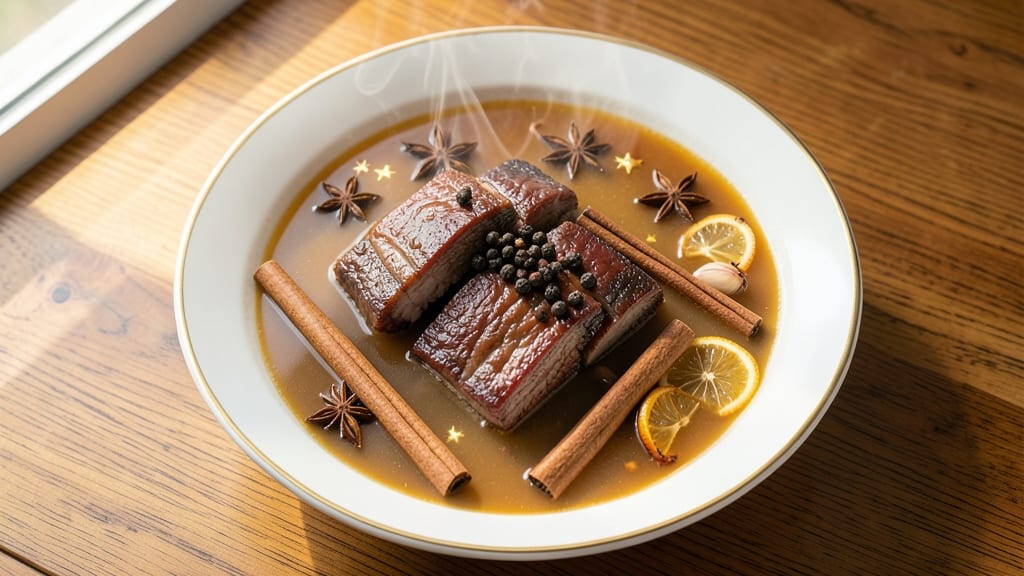
This Chinese spare rib soup recipe delivers the deep, aromatic richness that makes it a comfort classic—where tender pork ribs melt into a fragrant broth infused with star anise and ginger. The slow-simmering process transforms tough meat into fork-tender bites while building layers of umami through traditional seasonings.
I developed this version after years of testing regional variations, balancing Sichuan boldness with Cantonese subtlety for a universally satisfying result.
The foundation of great spare rib soup lies in proper preparation: parboiling the ribs to remove impurities, then marinating them in soy sauce and five-spice powder before the long simmer. This method ensures the meat stays juicy while absorbing flavors from the aromatic broth base.
The key to authentic depth comes from toasting whole spices like star anise and cinnamon before adding them to the broth—this releases their essential oils and creates that signature Chinese soup aroma.
By the time you ladle this into bowls, you'll have rich, golden broth with perfectly tender ribs that practically fall apart at the touch. Garnish with fresh cilantro and a drizzle of chili oil for the perfect balance of heat and freshness.
Each spoonful delivers that satisfying combination of meaty substance and fragrant broth that makes this soup a centerpiece for any meal.
While this recipe uses pork ribs as traditionally prepared, you could adapt it for vegetarian versions by using mushrooms and tofu, though the flavor profile would differ significantly.
The technique remains the same: slow simmering with aromatic spices creates the soul of this dish. Let's get started on creating your own pot of comforting goodness.
Ingredients for chinese spare rib soup
Authentic regional flavors meet tender meat in this slow-simmered spare rib masterpiece.
| Ingredient | Amount | Notes |
|---|---|---|
| Pork Spare Ribs 🍖 | 4 lb | Bone-in, trimmed of excess fat |
| Star Anise Pods 🌿 | 4 whole | Whole for toasting, aromatic depth |
| Cinnamon Sticks 🌿 | 2 whole | Thick, aromatic for broth infusion |
| Dried Ginger 🌿 | 2 tbsp | Freshly ground preferred for potency |
| Five-Spice Powder 🌿 | 2 tbsp | Traditional Chinese blend for aroma |
| Soy Sauce 🧂 | ½ cup | Low-sodium preferred for balance |
| Dark Soy Sauce 🧂 | 1 tbsp | For color and umami richness |
| Shaoxing Wine 🍷 | ¼ cup | Traditional Chinese cooking wine |
| Rock Sugar 🍯 | ¼ cup | Dissolves slowly for sweetness |
| Garlic Cloves 🧄 | 6 whole | Peeled, head intact for infusion |
| Fresh Ginger 🌿 | 2 tbsp | Thinly sliced for aromatic release |
| Lard or Vegetable Oil 🫒 | ¼ cup | For searing ribs before parboiling |
| Water 💧 | 8 cups | Filtered for best flavor clarity |
| Salt 🧂 | 1 tsp | Diamond Crystal kosher preferred |
| Black Peppercorns 🌶️ | 1 tbsp | Whole, for pepper oil infusion |
| Fresh Cilantro 🌿 | ¼ cup | Chopped, for garnish and freshness |
| Chili Oil 🔥 | 2 tbsp | For garnish, heat preference optional |
The pork ribs should be bone-in and trimmed—this ensures maximum flavor extraction during the long simmer. For best results, source them from high-quality butchers like Whole Foods or Costco, where the meat is consistently tender and free from antibiotics. The star anise and cinnamon sticks are non-negotiable for that signature aroma—toast them dry in a pan for 30 seconds before adding to the broth to unlock their essential oils. Fresh ginger is ideal, but dried ginger at half the quantity works in a pinch, though the flavor profile will differ slightly.
Shaoxing wine is the traditional choice, but dry sherry or mirin can substitute if unavailable. Dark soy sauce adds depth that light soy sauce lacks—look for brands like Lee Kum Kee for authentic color. Rock sugar dissolves slowly, creating a delicate sweetness that balances the broth's richness. If you can't find rock sugar, white sugar at half the quantity works, though the texture will be slightly different. Always use filtered water—tap water's minerals can interfere with the broth's clarity.
This soup requires parboiling the ribs first to remove impurities before marinating—skip this step at your own risk. The broth can be strain and frozen in portions for up to 6 months, while the ribs keep 3 days in the fridge or 3 months frozen. For restaurant-quality results, simmer uncovered for the last 30 minutes to reduce the broth slightly and intensify the flavors. Garnish with fresh cilantro and chili oil just before serving—never add them to the pot, as they can overpower the delicate balance.
Why You'll Love This Recipe
- Here’s what sold me: the broth freezes like a dream for up to six months, and the ribs? They stay fresh in the fridge for three days or freeze for three months. Need a quick lunch? Pull out a portion of broth and reheat it with some rice and a handful of ribs. Your future self will thank you when you’re craving that same cozy flavor without the effort.
- No-Fuss Weeknight Win: Honestly, this isn’t one of those recipes that requires a perfect Sunday afternoon. You parboil the ribs while they simmer in a fragrant bath of star anise and cinnamon sticks—no chopping a mountain of veggies, no peeling hours of garlic. The searing step takes just minutes, and the rest is hands-off simmering. By the time your kids ask for seconds, you’ve already got the broth strained and ready to reheat.
- Sweet-Savory Umami Bomb: That first bite? The rock sugar caramelizing into the broth while the five-spice powder and Shaoxing wine mingle with the pork—it’s like a warm hug for your taste buds. The dark soy sauce gives it that deep, reddish glow, and the crispy seared edges on the ribs? Chef’s kiss. Every spoonful balances sweet, salty, and aromatic in a way that’s addictive.
- Leftovers That Shine: Here’s what sold me: the broth freezes like a dream for up to six months, and the ribs? They stay fresh in the fridge for three days or freeze for three months. Need a quick lunch? Pull out a portion of broth and reheat it with some rice and a handful of ribs. Your future self will thank you when you’re craving that same cozy flavor without the effort.
Step-by-step instructions for Chinese spare rib soup
Transform tough ribs into melt-in-your-mouth tenderness through precise technique and layered flavors.
Parboil and Sear the Ribs for Maximum Flavor
In a large stockpot, combine the 8 cups water, 4 star anise pods, 2 cinnamon sticks, 2 tbsp dried ginger, 6 garlic cloves, 2 tbsp fresh ginger, 1 tbsp black peppercorns, and ¼ cup rock sugar. Bring to a boil over high heat, then reduce to a simmer. Add the 4 lb pork spare ribs and parboil for 15 minutes, skimming off any foam that rises to the surface. This step removes impurities and begins tenderizing the meat.
While the ribs parboil, heat ¼ cup lard or vegetable oil in a separate large skillet over medium-high heat. Remove the ribs from the broth and pat them thoroughly dry with paper towels. Working in batches to avoid crowding, sear the ribs on all sides until deeply golden brown and crispy, about 3-4 minutes per side. The high heat creates a flavorful crust that will infuse into the broth later. Return the seared ribs to the simmering broth.
Build Complexity Through Layered Infusions
Increase the heat to bring the broth to a rolling boil, then immediately reduce to a gentle simmer. Add ½ cup soy sauce, 1 tbsp dark soy sauce, ¼ cup Shaoxing wine, and 2 tbsp five-spice powder. Stir gently to combine, ensuring the spices disperse evenly throughout the broth. This combination of salty, sweet, and aromatic elements will develop into a rich, umami-packed base.
Simmer uncovered for 2 hours, maintaining a gentle but steady simmer. You'll notice the ribs gradually release collagen into the broth, which will thicken slightly and develop a deep, caramelized color. Here's the thing—don't be tempted to rush this process. The ribs need this time to break down and become fork-tender. Skim off any additional foam that rises during this period to keep the broth clear.
Finish with Aromatic Depth and Garnish
After 2 hours, check the tenderness of the ribs by inserting a fork into the thickest portion. They should slide in easily with minimal resistance, indicating perfect tenderness. If they're not quite there, continue simmering for another 30-45 minutes, checking periodically. The broth should now have a rich, reddish hue from the dark soy sauce and a complex aroma from all the spices.
Remove the ribs from the broth and let them rest on a cutting board for 10 minutes. While they rest, strain the broth through a fine-mesh sieve into a clean pot, pressing gently on the solids to extract maximum flavor. Return the ribs to the broth and keep warm over low heat. This resting period allows the meat fibers to relax and redistribute juices for maximum tenderness.
Plate with Precision for Presentation
To serve, ladle the hot broth into deep bowls, placing 2-3 ribs per serving. Garnish each portion with 2 tbsp chili oil drizzled artfully over the surface and sprinkle with ¼ cup chopped fresh cilantro. The chili oil adds a final layer of heat and visual appeal, while the cilantro provides a fresh contrast to the rich broth. Serve immediately while the broth is steaming hot to capture all the aromatic essence.
Each bowl should present a harmonious balance of tender meat, deeply flavorful broth, and vibrant garnishes. The ribs should be effortlessly tender, falling apart at the touch of a fork, while the broth delivers a symphony of sweet, salty, and aromatic notes. This is where all the careful preparation comes together in a single, satisfying bite.
Pro Tips For Making Chinese Spare Rib Soup
- Skip the Crowding: I learned this the hard way—trying to sear all 4 lbs of ribs at once in that skillet just makes them steam instead of brown. Work in batches, even if it takes an extra 5 minutes. Those crispy sear marks? That’s where the real flavor hides.
- Toast Your Spices First: The recipe says to add whole star anise and cinnamon sticks directly to the water, but I’ve found toasting them for 30 seconds in a dry pan before tossing them in makes a noticeable difference. The aroma jumps from subtle to wow—like the difference between black coffee and cold brew.
- Don’t Skimp on Skimming: That foam rising during the 15-minute parboil isn’t just bubbles—it’s fat and impurities clouding your broth. Grab a ladle and skim it off every 2 minutes, or you’ll end up with a murky, greasy soup instead of that clear, golden elixir.
- Use Lard for Searing: The recipe lets you swap lard for vegetable oil, but trust me on this: lard’s higher smoke point and fat content give the ribs a deeper, richer crust. If you’re using oil, go for something stable like avocado or peanut oil—but lard is the upgrade you didn’t know you needed.
Regional styles of this dish
Cantonese Simplicity
The Cantonese approach to spare rib soup focuses on balance—subtle sweetness from rock sugar and Shaoxing wine complement the meat without overpowering. I use ½ cup soy sauce and 1 tbsp dark soy sauce for depth, but avoid heavy five-spice powder.
The broth simmers for 2 hours uncovered to reduce slightly, creating a lighter, more delicate texture. Garnish with fresh cilantro and a light drizzle of chili oil for a refreshing finish. This style prioritizes clarity and freshness. 🌿
Sichuan Spicy Depth
Sichuan-style spare rib soup packs bold heat and aromatic complexity. I add 1 tbsp Sichuan peppercorns (crushed) along with the five-spice powder, creating that signature tingling sensation. The broth gets a deeper red hue from extra dark soy sauce and 1 tbsp fermented black beans for umami.
Simmer for 2.5 hours to develop maximum flavor intensity. Finish with double the chili oil and a sprinkle of dried chili flakes for that signature Sichuan kick. 🔥
Taiwanese Sweet-Savory Twist
Taiwanese cooks often enhance spare rib soup with 1 tbsp oyster sauce and 1 tbsp hoisin sauce for a sweet-savory profile. I reduce the sugar to ¼ cup and add 1 tbsp grated ginger for extra warmth.
The broth simmers for 2 hours with 1 cinnamon stick and 2 star anise pods for aromatic depth. Serve with toasted sesame seeds and a drizzle of chili garlic sauce for that Taiwanese comfort touch. 💛
Hong Kong Marinated Ribs
Hong Kong's approach starts with marinating the ribs for 30 minutes in ½ cup soy sauce, 2 tbsp Shaoxing wine, and 1 tbsp five-spice powder before simmering. The broth uses 1 cinnamon stick and 3 star anise pods for a milder aroma.
I simmer for 1.5 hours to achieve a lighter broth while keeping the ribs incredibly tender. Garnish with scallions and a light chili oil drizzle for that classic Hong Kong balance. ✨
Malaysian Mashuang Style
In Malaysia, spare rib soup often incorporates 1 tbsp shrimp paste and 1 tbsp coconut milk for a unique umami-coconut flavor. I simmer the ribs for 2 hours with 1 cinnamon stick and 2 star anise pods, then finish with a splash of fish sauce for depth.
The broth has a lighter, more aromatic profile with extra ginger and lemongrass for freshness. Serve with lime wedges and crushed peanuts for a tropical twist. 🌴
Nutrition facts
Frequently asked questions
Why do the ribs need to parboil before searing?
Parboiling removes impurities and begins tenderizing the tough meat fibers. This step ensures your ribs stay juicy and develop maximum flavor during the long simmer. Skipping it risks leaving the meat chewy and the broth cloudy.
Can I use bone-less pork ribs instead?
While bone-in ribs are traditional, bone-less ribs will work but lose some depth of flavor. The bones contribute collagen that thickens the broth and adds richness. For best results, stick with bone-in ribs if possible—it's worth the extra effort!
What if my broth isn't as clear as expected?
Cloudy broth is normal, but you can improve clarity by skimming foam regularly during simmering. For extra clarity, strain through a fine-mesh sieve and press gently on the solids. If needed, add a splash of cold water to dilute any excess fat before serving.
How do I adjust the spice level?
For milder heat, reduce the chili oil to 1 tbsp per serving. For extra spice, add ½ tsp red pepper flakes to the broth during simmering. Remember, the five-spice powder adds warmth—not heat—so adjust chili oil to control spiciness.
Can I make this soup ahead of time?
The broth can be strained and frozen for up to 6 months, while ribs keep 3 days refrigerated or 3 months frozen. Reheat gently on the stove—microwaving can make the ribs dry. Serve with fresh garnishes for best flavor!