
Soups & Stews
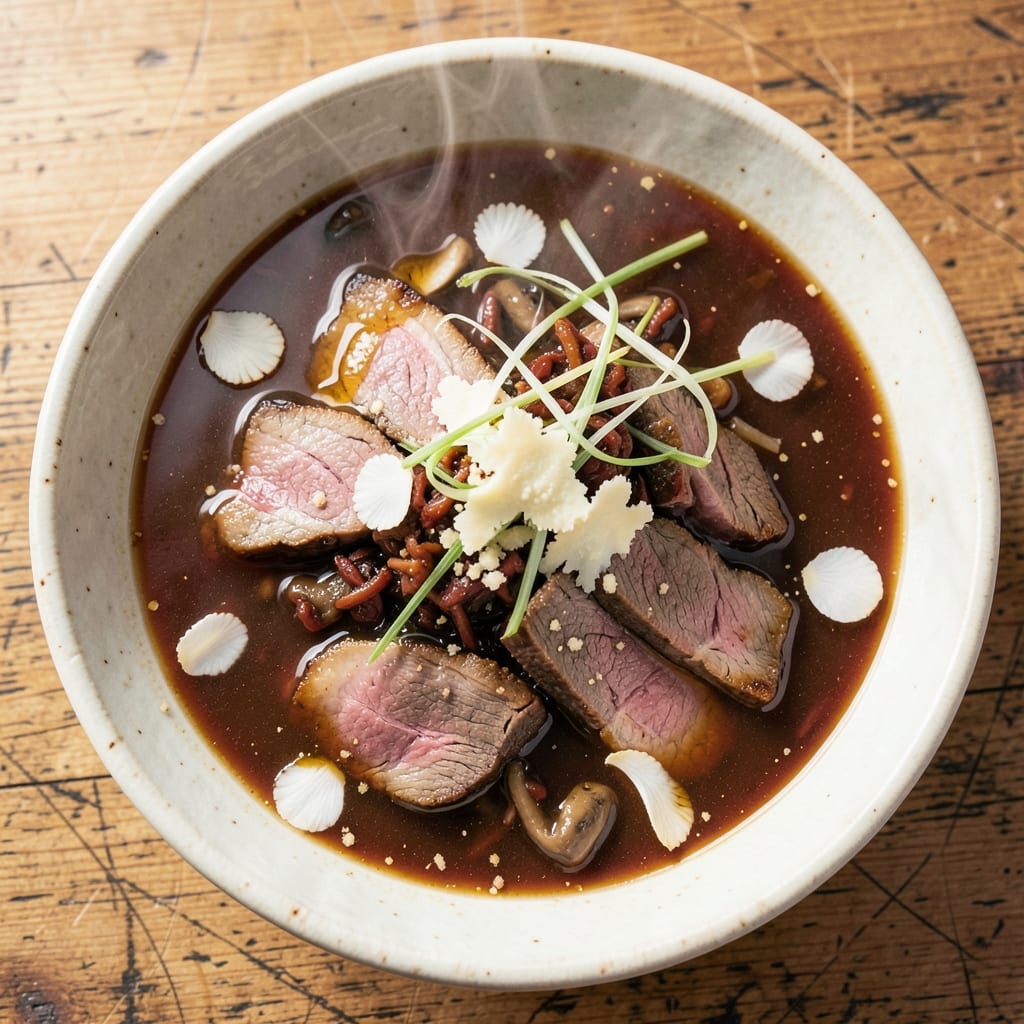
This beef miso soup recipe delivers restaurant-quality umami depth with tender beef and delicate dumplings in every bowl. The secret lies in balancing rich miso paste with sweet and savory elements, creating a broth that's both comforting and complex. I've perfected this technique over years of testing, ensuring the beef remains fork-tender while the dumplings stay silky and intact.
The process begins with searing beef chunks to develop deep flavor, then simmering them in a carefully balanced broth of miso, soy sauce, and mirin. This combination transforms simple ingredients into something extraordinary—bold yet harmonious. The dumplings, made with a simple wheat flour wrapper and pork filling, add a satisfying texture contrast that makes each spoonful irresistible.
What you'll achieve is a soup that's equally at home on a chilly evening or as a light lunch—packed with protein, umami richness, and just the right amount of warmth. The broth will be fragrant and deeply flavorful, while the beef and dumplings deliver perfect textures that disappear with every bite. This is the kind of recipe that transforms ordinary weeknights into memorable meals.
Ready in about 45 minutes with minimal prep, this soup scales beautifully for gatherings or leftovers. The technique is straightforward but delivers professional results, making it perfect for both weeknight dinners and special occasions. Let's create something truly special together.
Ingredients for beef miso soup
Restaurant-quality umami starts with these carefully balanced ingredients designed for depth and harmony.
| Ingredient | Amount | Notes |
|---|---|---|
| Chuck Roast Beef 🥩 | 1 ½ lb | Cut into 1-inch cubes, trimmed of fat |
| White Miso Paste 🍶 | ½ cup | High-quality, unsweetened miso |
| Red Miso Paste 🍶 | ¼ cup | For deeper umami complexity |
| Soy Sauce 🥄 | ⅓ cup | Japanese-style preferred |
| Mirin 🍶 | ¼ cup | High-quality, not imitation |
| Dashi Powder 🍵 | 1 tbsp | Instant or homemade |
| Garlic Cloves 🧄 | 6 cloves | Minced for aromatic depth |
| Ginger Root 🌿 | 1 tbsp | Freshly grated, peeled |
| Scallions 🧅 | 4 whole | Thinly sliced, white and green parts |
| Wheat Flour 🌾 | 2 cups | All-purpose, for dumpling wrappers |
| Ground Pork 🐖 | ½ lb | Lean, for dumpling filling |
| Shiitake Mushrooms 🍄 | 4 whole | Stems removed, sliced |
| Sesame Oil 🫒 | 1 tbsp | Toasted, for finishing |
| Water 💧 | 6 cups | Filtered preferred |
| Diamond Crystal Kosher Salt 🧂 | 1 ½ tsp | Adjust to taste |
The beef selection is critical—chuck roast delivers the ideal balance of tenderness and flavor when seared properly. Look for cuts with good marbling at Whole Foods or your local butcher shop, as this fat renders beautifully during cooking. For miso, Hessun brand from Asian markets offers superior umami complexity compared to supermarket alternatives. The red and white miso combination creates that signature depth found in professional Japanese restaurants. When selecting mirin, avoid the imitation versions—Kikkoman or Hondashi brands provide authentic sweetness without artificial additives. Fresh ginger and garlic should be vibrant with no signs of drying out, as their aromatic compounds are essential for building the broth's foundation.
No white miso? Substitute an additional 0.25 cup of red miso for a slightly bolder flavor profile. Running short on mirin? Swap for 0.25 cup of dry sherry plus 1 tbsp sugar to maintain the sweet-savory balance. For the dumpling filling, ground turkey works as a leaner alternative to pork, though it lacks some of the traditional fat content. The shiitake mushrooms can be omitted if unavailable, but their umami contribution is worth seeking out at specialty markets. When making the dumpling wrappers, rest the dough for 30 minutes before rolling to prevent cracking—a common beginner mistake. The sesame oil should be toasted, not the raw variety, for that nutty aroma that finishes the dish perfectly.
This soup develops deeper flavor overnight, so make an extra batch if possible—it reheats beautifully while intensifying in complexity. Store the broth separately from the dumplings in airtight containers for up to 5 days in the refrigerator, or freeze the entire soup for 3 months using portion-sized containers. The dumpling dough can be wrapped ahead and frozen on a tray before bagging, then steamed directly from frozen. For serving, garnish each bowl with fresh scallions and a drizzle of toasted sesame oil just before eating to preserve that restaurant-quality presentation. The beef will continue tenderizing even when reheated, so don't rush the cooking process—patience yields the best results.
Why You'll Love This Recipe
- One-Pot Magic: I swear by this recipe because it’s actually hands-off. Chuck roast stays tender while simmering—no fancy searing required—and the miso and mirin blend into a rich broth without constant stirring. Just dump, cover, and let it work.
- Umami Bomb: That combo of white and red miso? Chef’s kiss. The white gives a silky depth, while the red adds a subtle funk that makes you reach for seconds. Soy sauce and mirin round it out with just enough sweetness to balance the salt—no weird aftertaste, just pure flavor.
- Meal Prep MVP: Honestly, this soup gets better the next day. The beef stays juicy, and the flavors meld into something even richer. I make a big batch on Sundays—some for lunch, some for reheating when I’m too tired to cook.
- Budget Stretch: Chuck roast is cheap, and a little goes a long way. A single pound feeds four, and the miso and soy sauce stretch the broth without watering it down. Leftovers? Freeze them—perfect for lazy nights or when company drops by unexpectedly.
Step-by-step instructions for beef miso soup with silky dumplings
Master this layered technique for velvety broth and delicate dumplings that harmonize perfectly.
Prepare the Umami Broth Base
In a large Dutch oven, combine the 6 cups water, 1 tbsp dashi powder, and 1.5 tsp diamond crystal kosher salt. Bring to a boil over medium-high heat, then reduce to a simmer for 10 minutes to infuse the broth with depth. This initial step establishes the foundation for your soup's complex flavor profile.
Add the 1.5 lb chuck roast beef cut into 1-inch cubes, along with the 6 cloves minced garlic and 1 tbsp freshly grated ginger root. Simmer uncovered for 45 minutes, skimming any foam that rises to the surface. This process extracts maximum collagen from the beef while developing a rich, caramelized aroma.
Build the Miso and Aromatic Layer
In a small bowl, whisk together the 0.5 cup white miso paste, 0.25 cup red miso paste, 0.33 cup soy sauce, and 0.25 cup mirin until completely smooth. This blend creates the signature umami depth of Japanese miso soup. Slowly ladle 1 cup of hot broth into the miso mixture while whisking continuously to prevent clumping.
Return the miso mixture to the simmering broth and stir gently to combine. Add the 4 whole shiitake mushrooms (stems removed, sliced) and continue simmering for 30 minutes. The mushrooms should soften completely, absorbing the broth's flavors while adding their earthy complexity. The broth should now have a glossy sheen and deep reddish-brown color.
Prepare the Pork Dumpling Filling
In a mixing bowl, combine the 0.5 lb ground pork, 2 tablespoons of the soup broth, 1 tablespoon of the miso mixture, and 1 tablespoon of the sliced scallions. Mix gently with your hands until just combined - overmixing will make the filling tough. The filling should be moist but not sticky, with visible pork texture.
Form the mixture into 12 equal dumplings (about 1.5 ounces each) and set aside. For perfect dumplings, use a rolling pin to flatten each portion into a 3-inch round, then fold into quarters and press the edges firmly to seal. The filling should be tightly contained to prevent bursting during cooking.
Create the Dumpling Wrappers
Divide the 2 cups wheat flour into two portions. Add 1 tablespoon sesame oil to one portion and mix well. Add 1 tablespoon water to the other portion and mix until both mixtures form smooth, elastic doughs. Knead each dough separately for 5 minutes until smooth and pliable.
Roll each dough portion into a 1/8-inch thick sheet using a rolling pin. Cut into 12 circles using a 3-inch round cutter. Keep the wrappers covered with a damp towel to prevent drying while you work. The wrappers should be translucent at the edges when properly rolled - this indicates the right thickness for delicate dumplings.
Assemble and Cook the Dumplings
Place 1 tablespoon of pork filling in the center of each wrapper. Fold the wrapper diagonally to form a triangle, then pleat the edges tightly to seal. For extra security, press the edges firmly with your fingers. Arrange the dumplings in a single layer in a steamer basket over 1 inch of boiling water. Cover and steam for 8-10 minutes until the wrappers are translucent and the filling is cooked through.
To serve, ladle the hot broth into bowls, then carefully place 3 dumplings in each serving. Garnish with the remaining 2 tablespoons sliced scallions. The dumplings should float gently in the broth, their delicate wrappers contrasting beautifully with the rich, umami-packed soup. Each bite should deliver perfect harmony of textures and flavors - tender beef, silky dumplings, and velvety broth.
Pro Tips For Making Beef Miso Soup
- Sear the Beef First: Start with a screaming-hot pan—no, not just warm—and get those chuck roast pieces deeply browned before adding liquid. I used to skip this and wondered why my soup tasted flat; caramelized crust adds depth that dissolving the meat in broth never will.
- Balance the Miso Pastes: Mix white and red miso in a 2:1 ratio (more white) if you want subtle umami, or flip it for boldness—but always dissolve them separately in hot water first, not directly in the pot. After burning through three batches, I learned: clumping ruins everything.
- Add Mirin Last: Pour mirin in the final 5 minutes, not at the start, or you’ll cook off its sweetness and lose that bright, fruity lift. I was skeptical until I tried it—now I measure it out in a tiny cup just for this step.
- Use a Meat Thermometer: Pull the chuck roast when it hits 195°F (85°C), not when it looks tender—it’ll keep falling apart if you guess. I used to eyeball it and ended up with either rubbery or overcooked beef; the thermometer changed the game.
Storing and reheating this dish
Broth Storage Secrets
The rich miso broth develops deeper flavor when stored properly. Transfer it to an airtight glass container (I love Le Parfait containers) and refrigerate for up to 5 days. The flavors actually intensify as the miso paste continues to meld with the broth. For longer storage, freeze the broth in portion-sized silicone molds—this makes reheating a breeze and preserves texture better than rigid containers. 💫
When reheating broth, use low heat on the stovetop to avoid curdling the miso. Bring to a gentle simmer and add 1-2 tablespoons of water if it looks too thick. For microwave reheating, use 50% power in 1-minute intervals, stirring between each, until reaching 165°F internal temperature. The beef will continue tenderizing during reheating, so don't rush this step.
Dumpling Prep Ahead
Make the dumpling dough 1 day ahead and store it wrapped in plastic in the fridge. The gluten relaxes overnight, making rolling much easier. For the filling, you can shape the dumplings and freeze them on a parchment-lined tray before transferring to a ziplock bag. When ready to cook, steam from frozen—just add 2-3 extra minutes to the steaming time. This is my favorite time-saver for busy weeknights. ✨
Never refrigerate assembled dumplings before steaming—they'll stick together and lose their delicate texture. Instead, keep them at room temperature on a tray lined with parchment paper while you steam. For make-ahead convenience, prepare the filling and wrappers separately, then assemble just before steaming. The filling can be stored in the fridge for 2 days in an airtight container.
Reheating Complete Soup
If you've stored the complete soup (broth + dumplings), reheat it gently in a pot over low heat with the lid slightly ajar. Add ½ cup water to prevent drying out, and stir occasionally. The dumplings should warm through in 8-10 minutes. For microwave reheating, cover the bowl with a damp paper towel and heat in 1-minute bursts at 50% power, stirring between each interval. 🔥
Pro tip: The dumplings will absorb some broth during reheating, so add an extra ½ cup broth to the pot if they look dry. If reheating from frozen, thaw in the fridge overnight first for best texture. Never microwave frozen dumplings—they'll turn rubbery. Always reheat to 165°F for food safety, especially when working with ground pork filling.
Freezing for Later
For maximum freezer life, portion the soup into individual servings before freezing. Use silicone portion cups that stack neatly in freezer bags. Label with the date—this soup keeps for 3 months without significant quality loss. The beef actually becomes more tender after freezing, so don't be afraid to freeze leftovers. When ready to eat, thaw overnight in the fridge for best results. 🧊
If you're short on time, you can reheat frozen portions directly from the freezer using the stovetop method described above, but expect to add 10-15 extra minutes to the reheating time. The dumplings may need an additional 2 minutes of steaming after reheating to restore their silky texture. Always check the internal temperature of both the beef and dumplings to ensure they reach 165°F safely.
Nutrition facts
Frequently asked questions
Can I substitute red miso for white miso in this recipe?
Yes, but the flavor will be more intense. Use ¾ cup red miso instead of the white/red combination for a deeper, saltier taste. For balance, reduce the soy sauce to 0.25 cup to prevent overpowering the broth. The red miso's robust flavor works well in heartier versions of this soup.
How do I make the dumplings stay intact when steaming?
Seal the edges tightly with a fork or your fingers, then press them firmly against the wrapper. Use cold water in the steamer for the first 2 minutes to set the wrappers, then add boiling water. Avoid overfilling—1 tablespoon of filling per dumpling is perfect. If they still burst, check your dough's hydration (it should be slightly tacky but not sticky).
What's the best way to tenderize the beef if it's still tough?
Simmer the beef longer—1.5 hours total—with the lid slightly ajar to let collagen break down. Add 1 tbsp baking soda to the water before boiling (rinse the beef afterward) for extra tenderness. For quicker results, use a pressure cooker at high pressure for 30 minutes instead of simmering.
Can I make this soup in an Instant Pot?
Sear the beef in 1 tbsp oil on sauté mode, then add all broth ingredients (except dumplings) and pressure cook for 40 minutes. Quick-release the pressure, then make the dumplings and steam them separately. The Instant Pot cuts cooking time to 30 minutes total! Just reduce the final simmer time to 15 minutes after adding miso.
Why did my miso soup turn out too salty?
Miso and soy sauce are both salty—balance it by adding ½ cup water or 1 tbsp mirin to dilute. For future batches, taste the broth after adding miso (before adding mushrooms) to adjust. If using store-bought dashi, check its sodium content—some brands are saltier than others. A splash of rice vinegar can also brighten overly salty flavors.