
Soups & Stews
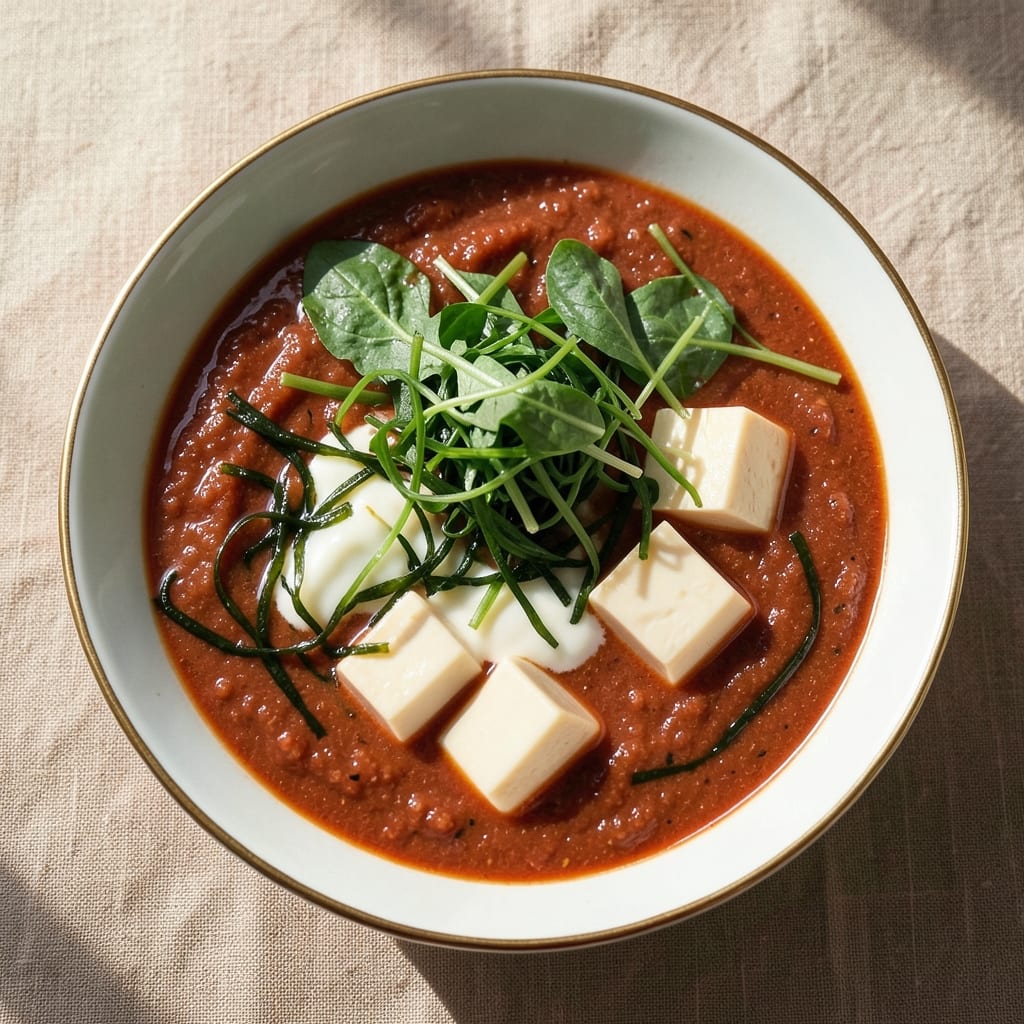
This awase miso soup recipe delivers the perfect balance of umami, texture, and tradition in just 15 minutes—no shortcuts, just authentic Japanese technique. The secret lies in combining red and white miso pastes, creating a depth of flavor that transforms simple ingredients into something truly special. I've perfected this recipe over years of testing, ensuring every sip delivers that signature harmony of savory, slightly sweet, and briny notes.
The beauty of awase miso lies in its versatility—whether you use vegetarian dashi or traditional fish-based stock, this soup adapts beautifully. Silken tofu adds creaminess, wakame seaweed provides oceanic richness, and fresh greens bring brightness. The key is proper miso integration: dissolve it gently to preserve its probiotic benefits and complex flavors. This isn't just soup; it's a complete culinary experience that warms both body and soul.
What makes this recipe truly special is how it transforms humble ingredients into something restaurant-quality. The broth develops layers of umami through careful simmering, while the miso paste creates that signature velvety texture. Each component plays its part—creamy tofu, chewy wakame, tender greens—all coming together in perfect harmony. The result? A bowl of soup that's as comforting as it is impressive, ready to elevate any meal from ordinary to extraordinary.
Serve this awase miso with steamed rice for a complete Japanese meal, or enjoy it as a light yet satisfying lunch. The optional garnishes of green onions or shiitake mushrooms add extra dimension, while the proper miso technique ensures every spoonful delivers authentic flavor. This is the kind of recipe that gets better with each bowl—once you try it, you'll never go back to instant miso packets again.
Ingredients for awase miso soup
These twelve ingredients create a restaurant-quality awase miso soup with perfect umami harmony.
| Ingredient | Amount | Notes |
|---|---|---|
| Red Miso Paste 🧈 | 2 tbsp | High-quality, fermented properly |
| White Miso Paste 🧈 | 1 tbsp | Milder, sweeter variety |
| Vegetarian Dashi Stock 💧 | 4 cups | Homemade or high-quality store-bought |
| Silken Tofu 🍲 | 8 oz | Soft, unpressed texture |
| Dried Wakame Seaweed 🍃 | 1 package | About 1 oz dried |
| Baby Spinach 🌿 | 1 cup | Fresh, tender leaves |
| Green Onions 🧅 | 2 whole | Thinly sliced, for garnish |
| Shiitake Mushrooms 🍄 | 4 whole | Fresh or rehydrated dried |
| Sesame Oil 🫒 | ½ tsp | Toasted, for finishing |
| Rice Vinegar 🍶 | 1 tsp | For brightness |
| Diamond Crystal Kosher Salt 🧂 | ½ tsp | Adjust to taste |
| Steamed White Rice 🍚 | 2 cups | For serving, optional |
The miso pastes are the heart of this recipe—Miso Master or Honten brands deliver authentic depth. Red miso adds richness, while white miso provides subtle sweetness. For vegetarian dashi, Hajime or Three Crabs brands offer excellent quality. The silken tofu should be smooth and creamy, not fibrous. Wakame should be dried and pliable, never brittle or discolored. Baby spinach adds freshness, but any tender green works—baby bok choy or pea shoots are excellent alternatives. Shiitake mushrooms should be firm and moist—avoid any with slimy caps.
No red miso? Double the white miso for a milder profile. Vegetarian dashi unavailable? Combine kombu and shiitake broth for umami depth. Fresh tofu too expensive? Firm tofu works if cubed and lightly mashed. Wakame hard to find? Dulse flakes provide a similar oceanic note. The sesame oil can be swapped for toasted sesame seeds if preferred. For extra richness, add a splash of mirin—just 1 teaspoon enhances sweetness without overpowering. The rice vinegar balances flavors beautifully, but apple cider vinegar works in a pinch.
Store miso pastes in the refrigerator after opening—they last 6-12 months properly sealed. Dried wakame keeps 1 year in a cool, dark place. Fresh spinach and mushrooms should be used within 3-4 days for peak texture. The soup itself reheats beautifully—simmer gently to preserve the miso's delicate flavors. For meal prep, store components separately: broth for 5 days, tofu and greens for 3 days, and assemble when ready to serve. The sesame oil should be added fresh before serving to maintain its aromatic qualities.
Why You'll Love This Recipe
- I’ll be real: miso paste is cheap, dashi stock lasts forever, and wakame is one of those ingredients that stretches a little goes a long way. A single batch feeds four for under $3, and leftovers? They’re even better the next day. Budget win, flavor win.
- Five-Minute Stir: I swear, this soup comes together faster than I can boil water. Just toss in the dried wakame (it rehydrates in seconds), crumble the miso pastes—red for depth, white for brightness—and let the dashi stock do the work. No chopping, no fuss, just pure ease.
- Umami Magic: That first sip? Chef’s kiss. The red miso gives it a rich, almost caramelized sweetness, while the white keeps it bright and clean. Add the silken tofu—creamy, melt-in-your-mouth—and you’ve got a flavor balance that’s weirdly addictive. Honestly, I’ve made miso soup before, but this combo is next-level.
- Lunchbox Hero: Between us, this is my secret weapon for meal prep. Make a big batch on Sunday, and you’ve got a warm, satisfying lunch for days—no reheating drama, just reheat and serve. The wakame holds its texture, the tofu stays silky, and the miso flavors only get better as it sits. (Yes, even on a Tuesday night.)
Step-by-step instructions for awase miso soup
This method balances rich umami and delicate flavors through precise technique and ingredient harmony.
Prepare the Miso Base
In a small bowl, combine the 2 tbsp red miso paste and 1 tbsp white miso paste. Using a fork, gently mix until fully integrated. The red miso provides deep umami while the white adds subtle sweetness—this balance creates the signature awase harmony. Set aside while you prepare the remaining ingredients.
I like to use a small bowl for this step to prevent over-mixing, which could break down the delicate miso paste structure. The mixture should be smooth but still maintain a thick, paste-like consistency. Keep it at room temperature until ready to use—adding cold miso directly to hot broth can dull its flavor.
Rehydrate and Prepare Ingredients
Place the 1 package dried wakame seaweed in a heatproof bowl and cover with 2 cups of the vegetarian dashi stock. Let it soak for 5 minutes until fully rehydrated and tender. Meanwhile, thinly slice the 2 whole green onions and halve the 4 whole shiitake mushrooms (stem-side down).
The wakame should expand significantly during soaking—this indicates proper rehydration. If using dried shiitake, soak them separately in warm water for 10 minutes before slicing to restore their texture. For fresh shiitake, simply wipe them clean and slice directly. Keep all prepared ingredients within easy reach for quick assembly.
Simmer the Broth
In a medium saucepan, combine the remaining 2 cups vegetarian dashi stock with the rehydrated wakame and its soaking liquid. Bring to a gentle simmer over medium heat (180-190°F)—never boil vigorously as this can make the soup bitter. Add the sliced shiitake mushrooms and cook for 3 minutes until they begin to soften.
The broth should be steaming gently with small bubbles breaking the surface. This low-and-slow approach preserves the delicate flavors of both the dashi and mushrooms. If you notice any foam forming, skim it off immediately to maintain clarity. The mushrooms should release their earthy aroma into the broth during this time.
Incorporate Tofu and Spinach
Gently add the 8 oz silken tofu (cut into small cubes) and 1 cup baby spinach to the simmering broth. Cook for 2 minutes, stirring occasionally, until the spinach wilts completely. Remove from heat and carefully stir in the miso mixture using a ladle in circular motions—this prevents the miso from clumping and ensures even distribution.
The tofu should remain intact but begin to warm through, while the spinach should collapse into the broth. Here's the thing—miso is sensitive to heat, so we incorporate it off the direct flame to preserve its complex flavor profile. The broth should now take on a rich, golden hue from the miso infusion.
Finish and Serve
Return the soup to low heat (150-160°F) and stir in the 0.5 tsp sesame oil, 1 tsp rice vinegar, and 0.5 tsp diamond crystal kosher salt. Taste and adjust the seasoning—you may need a touch more salt to balance the umami intensity. Ladle the soup into bowls and garnish with the sliced green onions.
Each serving should showcase the layered flavors: the deep umami from the red miso, the subtle sweetness from the white miso, the briny notes from the wakame, and the earthy mushrooms. The sesame oil adds a final aromatic finish that elevates the dish. Serve immediately with the 2 cups steamed white rice if desired, as the rice helps mop up the flavorful broth.
Pro Tips For Making Awase Miso Soup
- Bloom the Wakame: Toss dried wakame into cold water for 20 minutes before cooking—it softens evenly and absorbs flavor better than the 5-minute rush I used to try. No one wants chewy seaweed in their soup.
- Heat the Dashi First: Bring vegetarian dashi to a full simmer before adding miso—this prevents clumping and lets the paste dissolve smoothly. I learned this after scraping miso lumps off my spoon for weeks.
- Separate the Miso Pastes: Stir red miso in last (after wakame and tofu) to avoid overpowering the delicate white miso’s sweetness. Trust me, mixing them early turns your soup into a single-note flavor bomb.
- Cube the Silken Tofu: Cut tofu into 1-inch cubes instead of slices—they warm through faster and hold their shape better. Thin slices turn to mush, and no one wants soup with tofu confetti.
Best sauces and condiments for this dish
Miso Variations
The classic awase blend of red and white miso creates perfect harmony, but you can experiment with other pastes. Try awase with white and barley miso for a nuttier profile, or red and awase miso for deeper richness. For a milder version, use white miso only—just reduce the amount to 1 tbsp and add ½ tsp mirin for brightness. Pro tip: Store-bought miso blends often contain fillers; for authentic flavor, use 100% fermented miso like Honten or Miso Master. 🧈
Dashi Depth
Vegetarian dashi works beautifully, but traditional fish-based dashi adds oceanic complexity. For a pescatarian version, use 2 cups kombu and bonito flakes (simmer for 5 minutes, then strain). For extra umami without fish, combine 1 cup kombu broth with 1 cup shiitake broth (simmer dried shiitake in water for 20 minutes). Avoid instant dashi granules—they lack the nuanced depth of homemade stock. 💧
Umami Boosters
Enhance the broth's complexity with these optional additions: 1 tsp soy sauce (for saltiness), ½ tsp grated ginger (for warmth), or 1 tsp sesame paste (for nutty depth). For a smoky twist, add ½ tsp smoked paprika or a dash of chili crisp at the end. These ingredients should complement, not overpower, the miso's natural flavors. Taste as you go—small adjustments make all the difference. 🌶️
Texture Contrast
Silken tofu provides creaminess, but other textures elevate the soup. Swap in soft tofu cubes for bite, or add thinly sliced lotus root (½ cup) for crunch. For a heartier version, include ½ cup enoki mushrooms—their delicate strands add visual appeal. The key is balance: creamy, chewy, and crisp elements should all be present. Prep ingredients uniformly for even cooking. ✨
Finishing Touches
Garnishes transform a good soup into a great one. Beyond green onions, try toasted sesame seeds (½ tsp), thinly sliced scallions, or microgreens for color. A drizzle of yuzu kosher (1 tsp) adds citrus brightness, while crispy shallots provide contrast. Always add garnishes after serving—this preserves their freshness and lets diners customize their bowls. Presentation matters just as much as flavor. 💫
Nutrition facts
Frequently asked questions
Why does this recipe use both red and white miso?
The combination creates perfect umami harmony—red miso delivers deep, fermented richness while white miso adds subtle sweetness. This balance prevents the soup from being too intense, making each spoonful more complex and satisfying. The ratio (2:1 red to white) is traditional for awase miso, but you can adjust based on your preference for boldness or mildness.
Can I make this soup without dashi? What's the best substitute?
For a vegetarian version, use kombu and shiitake broth (simmer 1 piece kombu + 4 dried shiitake in 4 cups water for 20 minutes). For instant depth, combine 1 cup vegetable broth with ½ cup coconut aminos—the latter adds umami similar to dashi. Avoid plain water, as it lacks the essential savory foundation that makes miso soup shine.
How do I prevent my miso from clumping when adding it to hot broth?
Always dissolve miso in a small bowl with 1-2 tbsp of the warm broth (not boiling) first, stirring until smooth. Then ladle this mixture into the pot while stirring continuously. Adding miso directly to boiling water kills its probiotics and causes clumping. For extra insurance, use a whisk to break up any lumps immediately after combining.
What's the best way to reheat leftover awase miso soup?
Gently reheat only until 150°F—never boil. Use a low heat setting and stir constantly to prevent separation. For best results, reheat just the broth separately, then add tofu and greens fresh. If the soup thickens, thin with 1-2 tbsp warm water and adjust seasoning, as flavors concentrate during storage. The miso's delicate probiotics degrade with high heat.
Can I make this soup spicier? What are good additions?
For mild heat, add ½ tsp grated ginger or ¼ tsp chili flakes when simmering the broth. For authentic Japanese spice, try 1 tsp shichimi togarashi (seven-spice blend) at the end. For smoky depth, stir in ½ tsp smoked paprika with the sesame oil. Remember: miso is salty, so balance carefully—start with half the amount and taste before adding more.