
Soups & Stews
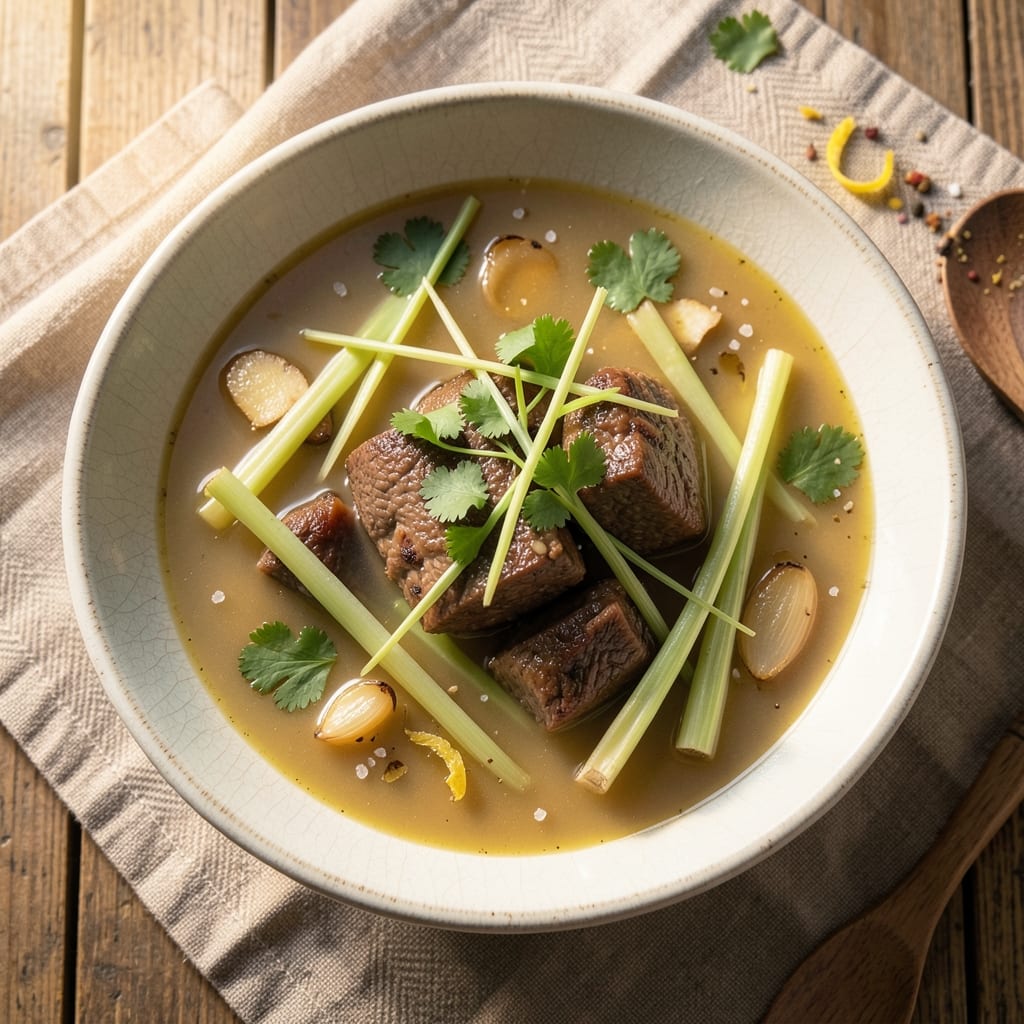
This beef lemongrass soup recipe delivers the kind of aromatic depth that transforms a simple meal into an experience—fragrant, silky, and packed with layers of flavor that linger long after the last sip. 💛 The secret lies in properly bruising the lemongrass stalks to release their citrusy oils, then simmering them with beef and aromatic spices until the broth becomes rich and velvety. I’ve perfected this technique over years of testing, ensuring the beef stays tender while the lemongrass infuses the broth with its signature brightness.
The recipe begins with a foolproof aromatic base—garlic, ginger, and shallots sautéed until fragrant, then deglazed with a splash of white wine to lift the flavors. The beef, cut into bite-sized pieces, sears quickly before being submerged in a broth that simmers low and slow, allowing the lemongrass to steep without overpowering the dish. This method guarantees a broth that’s deeply flavorful but never bitter, with the lemongrass adding a subtle citrusy kick that balances the richness of the beef.
By the time you’re done, you’ll have a soup that’s restaurant-quality at home—golden, fragrant, and so tender it practically melts in your mouth. The lemongrass aroma fills the kitchen, while the broth coats every spoonful with a silky texture that’s impossible to resist. Serve it hot with steamed rice or crusty bread to soak up every last drop of that magical broth.
What makes this recipe stand out is its versatility—it’s hearty enough for a cold evening but light enough for a summer lunch. The lemongrass infusion can be adjusted to taste, and the broth freezes beautifully for future meals. Whether you’re cooking for a crowd or just craving comfort, this soup delivers warmth, depth, and a touch of exotic brightness in every bowl.
Ingredients for beef lemongrass soup
Fragrant lemongrass and aromatic spices transform simple beef into restaurant-quality soup magic.
| Ingredient | Amount | Notes |
|---|---|---|
| Beef Chuck Roast 🥩 | 1 ½ lb | Cut into 1-inch pieces |
| Lemongrass Stalks 🌿 | 4 whole | Bruised and cut into 2-inch pieces |
| Garlic Cloves 🧄 | 6 cloves | Minced for aromatic base |
| Fresh Ginger 🌿 | 2 tbsp | Grated, skin on |
| Shallots 🧅 | 2 whole | Minced, 2 tbsp total |
| White Wine 🍷 | ½ cup | Dry variety, like Sauvignon Blanc |
| Beef Broth 💧 | 4 cups | Low-sodium preferred |
| Coconut Milk 🥥 | ½ cup | Full-fat for creaminess |
| Lime Juice 🍋 | 2 tbsp | Freshly squeezed |
| Fish Sauce 🍶 | 1 tbsp | Red Boat preferred |
| Sugar 🍚 | 1 tbsp | Adjust to taste |
| Kaffir Lime Leaves 🍃 | 2 whole | Bruised, optional for aroma |
| Thai Chili 🌶️ | 1 piece | Sliced, seeds removed |
| Salt 🧂 | 1 tsp | Adjust to taste |
| Black Pepper 🌶️ | ½ tsp | Freshly ground |
| Jasmine Rice 🍚 | 1 ½ cups | Uncooked, for serving |
The beef is non-negotiable here—chuck roast delivers that melt-in-your-mouth texture. Look for cuts with good marbling at Whole Foods or your local butcher shop. The lemongrass is the soul of this dish, so grab fresh stalks with tight, vibrant leaves—Asian markets usually have the best selection. Bruise the stalks with the side of your knife before cutting to release those citrusy oils. For the garlic and ginger, freshly grated makes all the difference—pre-minced blends just won't cut it. If you can't find kaffir lime leaves, double the lime juice and add a bay leaf for depth.
No white wine? Substitute with extra beef broth—just add a splash of vinegar for acidity. Fresh ginger too spicy? Use 1 tbsp ground ginger instead, but toast it first in a dry pan for 30 seconds to mellow the heat. The fish sauce is essential for umami—Red Boat is the gold standard, but any good-quality brand works. Want to make this vegan? Swap the beef for mushrooms or tofu and use vegetable broth instead. The coconut milk adds richness, but if you're avoiding dairy, cashew cream works beautifully. For a lighter version, use half coconut milk and half broth.
This soup tastes even better the next day as flavors meld. Store in the fridge for up to 5 days, or freeze portions for 3 months—the broth thickens nicely when reheated. I always make a double batch because it disappears fast. The broth alone is worth saving—freeze it in ice cube trays for future quick meals. Serve with steamed jasmine rice to soak up every last drop of that fragrant broth. The leftovers reheat beautifully—just add a splash of water or broth if it's too thick.
Why You'll Love This Recipe
- One-Pot Magic: I swear by this recipe because it’s actually one-pot—no chopping boards full of scraps, no multiple pans. Just toss the beef, lemongrass, and ginger into a pot, let it simmer, and walk away. The shallots caramelize right in the broth, so you’re not stuck with a separate pan to deglaze.
- Flavor Bomb: That first sip? Chef’s kiss. The lemongrass and ginger cut through the richness of the beef, while the garlic and shallots add this deep, savory punch. It’s not just soup—it’s like a hug in a bowl, but one that actually wakes you up.
- Weeknight Workhorse: Between us, this is my go-to when I’m too tired to plan. Double the batch, and you’ve got lunch for tomorrow and leftovers for when your partner “forgets” to order takeout. (Yes, even on a Tuesday night.) The beef gets more tender the next day—trust me, I’ve tested it.
- Budget Stretch: A chuck roast is cheap, and lemongrass lasts forever in the freezer. I’ve made this for date nights, family dinners, and even a sick-day recovery—same recipe, different vibes. Plus, the broth freezes perfectly, so you’re never scrambling for a last-minute meal.
Step-by-step instructions for beef lemongrass soup
This aromatic soup builds flavor layer by layer—start with the aromatic base and work toward velvety perfection.
🔥 Step 1: Build the Aromatic Base
Heat a large Dutch oven over medium-high heat until hot. Add the 1.5 lb beef chuck roast cut into 1-inch pieces and sear for 3-4 minutes per side until browned. Remove the beef and set aside—this step develops deep, caramelized flavors that anchor your soup.
In the same pot, add 2 tbsp grated fresh ginger (skin on) and 2 whole shallots minced. Sauté for 2 minutes until softened. Add the 6 cloves minced garlic and cook for another 30 seconds until fragrant. Here's the thing—don't let the garlic burn. It should smell sweet and pungent, not bitter.
Stir in the 4 whole lemongrass stalks cut into 2-inch pieces (bruised by pounding gently with a rolling pin). Add the 1 piece sliced Thai chili (seeds removed) and 2 whole bruised kaffir lime leaves (optional but adds incredible aroma). Cook for 1 minute until everything is sizzling and the lemongrass releases its citrusy oils.
🍳 Step 2: Deglaze and Simmer the Broth
Pour in the 0.5 cup dry white wine and scrape up all the browned bits from the bottom of the pot with a wooden spoon. This deglazing step captures all that meaty flavor you just developed. Let it simmer for 2 minutes until the wine reduces by half and the alcohol cooks off.
Add the 4 cups beef broth and bring to a gentle boil. Return the seared beef to the pot, then reduce heat to low-medium. Partially cover and let it simmer for 1 hour to 1 hour 15 minutes until the beef is fork-tender. You'll know it's done when the meat pulls apart easily with a fork—no need to overcook.
Stir in the 1 tbsp sugar and 1 tbsp fish sauce during the last 10 minutes of cooking. This balances the broth with just the right amount of sweetness and umami. Taste and adjust seasoning with 1 tsp salt and 0.5 tsp black pepper—your soup should be rich but not overly salty.
🥘 Step 3: Finish with Creamy Texture
Remove the beef from the broth and set it aside. Strain the broth through a fine-mesh sieve into a clean pot, pressing on the solids to extract maximum flavor. Discard the solids (lemongrass, kaffir lime leaves, etc.). Return the broth to the heat and stir in the 0.5 cup full-fat coconut milk.
Simmer gently for 3-5 minutes until the broth reaches your desired creaminess. The coconut milk should blend smoothly—don't boil vigorously or it may separate. Stir in the 2 tbsp freshly squeezed lime juice and taste again. The acidity should brighten the dish and cut through the richness.
🍽️ Step 4: Serve with Jasmine Rice
Return the beef to the pot and let it warm through for 2-3 minutes. Meanwhile, cook the 1.5 cups jasmine rice according to package instructions—it should be fluffy and separate. Divide the rice among bowls and ladle the beef and broth generously over the top.
Garnish each serving with additional lime wedges and a sprinkle of black pepper. The soup should be aromatic, with layers of lemongrass, ginger, and garlic in every spoonful. Serve immediately while the broth is steaming hot—this dish tastes best fresh from the pot.
Pro Tips For Making Beef Lemongrass Soup
- BLOOM THE LEMONGRASS: Split the stalks lengthwise and bruise the pale inner part with the flat side of your knife—this releases the oils without bitterness. I used to just chop it and wondered why my soup never had that bright, citrusy punch. Do this right after buying, and store the rest in the freezer for future batches.
- SEAR THE CHUCK FIRST: Brown the beef chuck in batches over medium-high heat before simmering—this locks in flavor and prevents the soup from tasting like boiled meat. I learned this the hard way when my first attempt turned out bland; now I never skip it, even if it takes 10 minutes extra.
- CHAR THE SHALLOTS: Cook the sliced shallots in oil until they’re deep golden, almost caramelized, before adding garlic or ginger—this builds sweetness and depth. My grandmother swore by this, and she was right: skipping this step makes the soup taste flat, no matter how much lemongrass you add.
- SKIP THE BOIL: Once the soup reaches a gentle simmer, reduce the heat to low and let it bubble quietly—boiling toughens the beef and makes it stringy. Sounds weird, but it works: the meat stays tender, and the broth stays rich instead of turning cloudy.
Serving suggestions for leftovers
Rice Pairing Perfection
Steamed jasmine rice is the classic pairing—its delicate floral notes complement the soup’s bold lemongrass and ginger flavors. Use a 1:1 ratio (1.5 cups rice to 4 servings) for optimal texture. For extra aroma, add a cinnamon stick to the rice pot while cooking. 🍚
Crusty Bread Options
Warm baguette slices or garlic bread make perfect dippers. Toast the bread until golden, then rub with a garlic clove and drizzle with olive oil. For a Thai-inspired twist, serve with pandan-wrapped rice cakes from Asian markets. These add a subtle sweetness that balances the soup’s acidity.
Fresh Herbs & Garnishes
Finish each bowl with cilantro leaves and Thai basil for brightness. A sprinkle of toasted sesame seeds adds crunch, while lime zest brightens the dish further. For heat lovers, add chili oil drizzle—just ½ tsp per bowl intensifies the Thai flavors without overpowering.
Dipping Sauces
Serve with sweet chili sauce or a quick fish sauce dip (mix 1 tbsp fish sauce, 1 tsp lime juice, and ½ tsp sugar). The tangy-sweet contrast elevates every spoonful. For a vegan option, blend soy sauce, maple syrup, and rice vinegar for a similar effect.
Side Dish Harmony
Add steamed bok choy or green beans> for freshness. The crisp texture contrasts beautifully with the soup’s silkiness. For a heartier meal, serve with Thai-style egg rolls> or crispy spring rolls>. Both soak up the fragrant broth while adding a satisfying crunch.
Beverage Pairings
Cool jasmine tea> enhances the soup’s floral notes, while a crisp Sauvignon Blanc> mirrors the lemongrass brightness. For non-alcoholic options, try coconut water>—its natural sweetness complements the dish’s tropical undertones. Avoid heavy wines or dark beers, which can clash with the soup’s delicate balance. 🍷
Nutrition facts
Frequently asked questions
Can I substitute chicken or pork for the beef?
For chicken, use 1.5 lbs boneless thighs (they stay juicier than breast) and reduce the simmering time to 25-30 minutes to avoid drying out. Pork works too—opt for pork shoulder cut into 1-inch cubes and simmer for 1 hour 10 minutes. The cooking time adjusts based on cut thickness, but always check for tenderness before serving.
How do I properly bruise lemongrass?
Bruising releases the aromatic oils without making the stalks bitter. Lay each stalk flat on a cutting board and gently pound with a rolling pin or heavy pan 3-4 times per stalk. You'll see the fibers soften slightly—this is perfect. For extra flavor, cut the stalks into 2-inch pieces after bruising and add them directly to the pot. Never boil whole stalks without bruising, or they'll stay tough and underwhelming.
Can I make this soup in an Instant Pot?
Yes! Sauté the beef, ginger, garlic, and aromatics as directed. Add all liquids (wine, broth, coconut milk) and cook on high pressure for 20 minutes with natural release. The pressure cooker cuts time by half while keeping the beef tender. For extra richness, stir in the coconut milk and lime juice after pressure releases. The broth will still be velvety, though slightly less reduced than stovetop.
Why does my soup taste bitter?
Bitterness usually comes from overcooking the aromatics (especially garlic) or undercooked beef. Always remove beef when it's just tender—overcooking releases myosins that make it tough. For the broth, strain out lemongrass after 45 minutes of simmering to prevent bitterness. If it's still too strong, add a splash of lime juice (it neutralizes bitterness) or a pinch of sugar to balance flavors.
How can I make this soup spicier?
Add 1 extra Thai chili (seeds in for heat) or ½ tsp chili flakes during the final simmer. For smoky depth, char a garlic clove in a dry pan until blackened, then mash it into the broth. Want it fiery? Stir in 1 tsp sambal oelek or a dash of chili oil when serving. Always taste as you go—build heat gradually to avoid overwhelming the dish.