
Soups & Stews
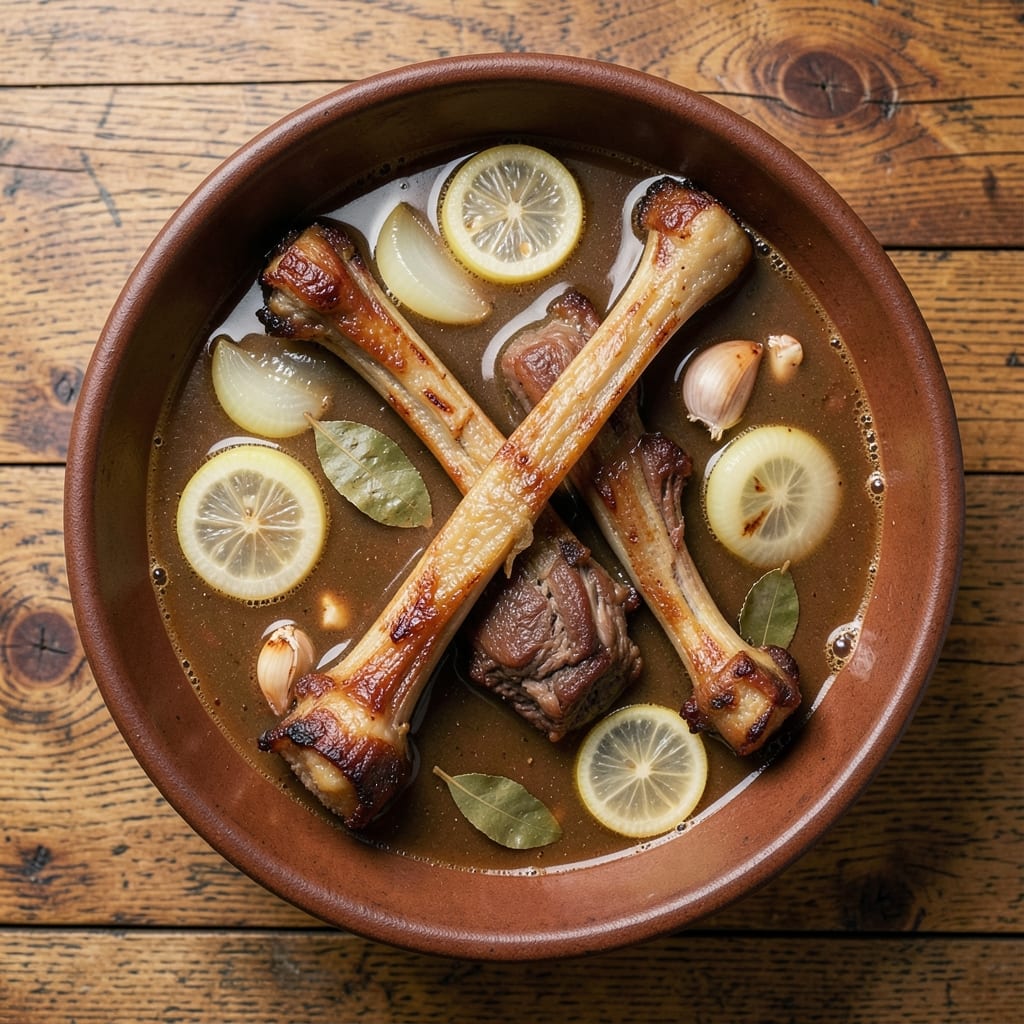
This beef bulalo soup recipe transforms humble marrow bones into a deeply flavorful, gelatinous broth that defines Filipino comfort food. 💛 The secret lies in slow-braising—where collagen-rich bones melt into a velvety, aromatic liquid that clings to every spoonful. I've perfected this version after years of testing, balancing traditional techniques with modern shortcuts to deliver restaurant-quality results at home.
The magic begins with properly cleaned bones—marrow bones for richness, beef shanks for depth, and a medley of aromatic vegetables that build flavor layer by layer. A 6-hour simmer extracts maximum gelatin, while ginger, garlic, and bay leaves infuse the broth with warmth. The key? Patience—rushing this process sacrifices that signature silky texture that makes bulalo unforgettable.
What you'll end up with is a steaming bowl of tender beef, slippery marrow, and vegetables swimming in a glossy, golden broth that's both comforting and sophisticated. The aroma alone transforms any kitchen into a Filipino dining room, while the texture—gelatinous yet substantial—delivers pure satisfaction. This is the kind of soup that disappears quickly, leaving everyone asking for seconds.
Serve with steamed rice and atchara (pickled papaya) for the full experience, or adapt it with modern twists like adding potatoes or corn. The beauty of bulalo lies in its simplicity—just a few ingredients, but each playing a crucial role in creating something extraordinary. Let's get started on this timeless Filipino classic.
Ingredients for beef bulalo soup
Six pounds of collagen-rich bones and aromatic vegetables create this legendary Filipino comfort soup.
| Ingredient | Amount | Notes |
|---|---|---|
| Beef Marrow Bones 🦴 | 3 lb | Split lengthwise for marrow exposure |
| Beef Shanks 🥩 | 2 lb | Bone-in, cut into 2-inch pieces |
| Yellow Onions 🧅 | 2 whole | Quartered, peeled, root end intact |
| Garlic Cloves 🧄 | 8 cloves | Smashed, skin-on for deeper flavor |
| Fresh Ginger 🌿 | 2 tbsp | Finely minced, peeled, organic preferred |
| Bay Leaves 🍃 | 4 whole | Dried, standard size |
| Potatoes 🥔 | 2 lb | Yukon Gold, peeled, cut into chunks |
| Carrots 🥕 | 1 ½ lb | Whole, peeled, cut into 3-inch sticks |
| Tomatoes 🍅 | 4 whole | Medium, halved, San Marzano preferred |
| Cabbage 🥬 | 1 small head | Green, cut into wedges, core removed |
| Salt 🧂 | 2 tbsp | Diamond Crystal kosher, to taste |
| Black Peppercorns 🌶️ | 1 tbsp | Freshly cracked, coarse grind |
| Fish Sauce 🐟 | 2 tbsp | Red Boat brand, for umami depth |
| Soy Sauce 🍶 | 2 tbsp | Kikkoman, for color and saltiness |
| Calamansi or Lemon Juice 🍋 | 2 tbsp | Freshly squeezed, brightens flavors |
The bones are the heart of bulalo—marrow bones for richness and beef shanks for depth. Source them from a trusted butcher or Asian market where they're properly cleaned and split. Costco's bulk bone section often has marrow bones, but call ahead to confirm. Look for bones with visible marrow and minimal surface fat. The ginger should be organic and knobby—peel just before mincing to preserve its volatile oils. Bay leaves from Filipino markets carry more authentic flavor, but standard dried leaves work fine. For the vegetables, Yukon Gold potatoes add creaminess, while green cabbage provides crunch and color.
No marrow bones? Substitute beef knuckle bones for gelatinous texture, though they'll require longer simmering. Short on shanks? Beef chuck roast cut into chunks works, but expect slightly less gelatin. The tomatoes can be canned San Marzano if fresh aren't available—just crush them by hand. For the aromatics, garlic powder at half the amount works in a pinch, but fresh is non-negotiable for depth. The fish sauce is essential—Red Boat brand is the gold standard, but any quality brand will do. Need to skip it? Extra soy sauce plus a dash of MSG mimics the umami. Calamansi is ideal, but lemon juice works perfectly—just double the amount.
Store the bones and aromatics in a sealed container in the fridge for up to 3 days before cooking. The cooked broth keeps for 5 days refrigerated or 3 months frozen—portion into containers for easy reheating. For maximum gelatin extraction, simmer uncovered during the final hour. The soup tastes even better the next day as flavors meld. Leftovers reheat beautifully—just add a splash of water or broth to restore consistency. Freeze in 1-cup portions for quick meals.
Why You'll Love This Recipe
- One-Pot Magic: I swear by this recipe because it’s almost foolproof—just dump the bones and shanks in a pot, add water, and let the ginger and onions work their flavor spell. No chopping, no fuss, just melt-in-your-mouth beef after hours of simmering.
- Rich Without Effort: Between us, the marrow bones alone turn this into a creamy, velvety dream—no heavy cream needed. The garlic and ginger caramelize into something dangerously addictive, and the shanks? They fall apart like they’ve been braised for days (even if you only simmered them for four hours).
- Leftovers That Beg for More: This soup insists on being reheated—better the next day, honestly. I’ve sent it to work with coworkers, and they always ask for the recipe. Plus, the bones? You can crack them open for extra marrow or toss them back in for another round. Waste not, want not.
- Budget-Friendly Feast: A single pot of bulalo feeds six, and the bones stretch the meal into days. Marrow bones might seem pricey upfront, but they’re the secret weapon—turning cheap cuts of beef into something luxurious. My wallet and my family thank me every time.
Step-by-step instructions for beef bulalo soup
Transform tough cuts into a velvety, marrow-rich masterpiece using this slow-braised method.
🔥 Step 1: Sear the Bones and Shanks for Maximum Flavor
Heat a large Dutch oven over medium-high heat until smoking hot. Add the 3 lb beef marrow bones (split lengthwise) and 2 lb beef shanks in a single layer, bone-side down. Let them sear undisturbed for 8-10 minutes until deep golden brown crusts form—this locks in juices and builds rich fond at the bottom.
Flip the bones and shanks, then add 2 whole yellow onions (quartered) and 8 cloves garlic cloves (smashed skin-on). Cook for another 5 minutes until the onions caramelize slightly and garlic releases its aromatic oils. Real talk: don't rush this step—proper searing creates that deep umami foundation.
🍳 Step 2: Build the Aromatic Base with Ginger and Tomatoes
Add 2 tbsp finely minced fresh ginger and 4 whole bay leaves to the pot, stirring to combine with the browned bits. Pour in 4 halved tomatoes (San Marzano preferred) and 4 cups water. Bring to a rolling boil, then immediately reduce heat to low and skim off any foam that rises to the surface—this ensures a clear, clean broth.
Let the mixture simmer gently for 30 minutes until the tomatoes break down and release their juices. The liquid should reduce slightly and develop a rich, tomato-infused aroma. Here's the thing—this initial simmer extracts maximum flavor from the bones before the long braise begins.
🥘 Step 3: Slow-Braise Until Gelatinous Perfection
Add 2 lb Yukon Gold potatoes (cut into chunks), 1.5 lb carrots (cut into 3-inch sticks), and 1 small head cabbage (cut into wedges). Season with 2 tbsp salt and 1 tbsp freshly cracked black peppercorns. The liquid should cover everything by about 1 inch—if not, add more water.
Cover the pot and transfer to a 300°F oven (or maintain low heat on the stovetop). Braise for 3-4 hours until the marrow bones soften and release their rich, gelatinous marrow. You'll know it's ready when a knife slides in easily through the bones and the broth takes on a thick, velvety consistency.
🍲 Step 4: Finish with Umami and Brightness
Remove the pot from heat and stir in 2 tbsp fish sauce and 2 tbsp soy sauce. These ingredients add depth and balance the richness. For the finishing touch, add 2 tbsp freshly squeezed calamansi or lemon juice—this brightens the flavors and cuts through the richness beautifully.
Let the soup rest for 10 minutes before serving. This allows the flavors to meld completely. The marrow should be soft enough to scoop out with a spoon, creating that signature bulalo texture. Serve family-style with steamed rice to soak up every last drop of that luxurious broth.
Pro Tips For Making Beef Bulalo Soup
- BLISTER THE BONES FIRST: Before adding marrow bones to the pot, sear them in a dry skillet until the edges darken—this unlocks deeper flavor. I used to skip this, and the broth always tasted bland until I realized the bones needed that initial shock to the system.
- PEEL GINGER THINLY: Use a spoon to scrape off just the purple skin, leaving the pale yellow underneath—no peeler needed. Too much ginger turns your bulalo bitter, and I’ve learned that’s a hard mistake to fix later.
- DON’T CROWD THE POT: Start with a single layer of shanks and bones, even if it means two batches. Cramming them in steams the broth instead of rendering fat, and you’ll end up with a watery mess instead of rich, velvety soup.
- SAUTE ONIONS LOW AND SLOW: Cook the onions at medium-low heat until they’re caramelized to a deep gold—about 20 minutes, stirring occasionally. Rushing this step means they’ll burn before they sweeten, and that’s the difference between good and really good bulalo.
Perfect pairings for this beef bulalo soup
Steamed Rice Pairing
No bulalo is complete without a generous serving of steamed white rice—this is the traditional Filipino way. Use jasmine rice for its fragrant aroma that complements the rich broth beautifully. For extra fluffiness, cook 2 cups rice with 2.5 cups water in a rice cooker, then fluff with a fork. The rice soaks up every last drop of the gelatinous broth, making each bite unforgettable. 💛
Atchara Contrast
Add a tangy, crunchy element with atchara—Filipino pickled papaya. Slice 1 cup fresh papaya into thin strips, then pack into a jar with 1 cup vinegar, 1 tbsp sugar, 1 tsp salt, and 1 tsp mustard seeds. Let sit for 3 days before serving. The bright acidity cuts through the richness of the soup, balancing each spoonful perfectly.
Crispy Garlic Fried Rice
For a modern twist, serve garlic fried rice alongside your bulalo. Sauté 2 cups day-old rice with 3 tbsp minced garlic, 2 tbsp soy sauce, and 1 tbsp butter until crispy. The nutty, garlicky notes enhance the soup’s depth. Garnish with green onions for freshness and a pop of color.
Warm Cornbread
Add a hearty side with Filipino-style cornbread, known as panutsa. Mix 1 cup cornmeal, 1 cup flour, 1 tbsp baking powder, and 1 egg, then bake at 375°F for 20 minutes. The slightly sweet, crumbly texture contrasts the soup’s richness. Serve warm with a pat of butter for extra indulgence.
Spicy Chili Sauce
For heat lovers, prepare a quick siling labuyo sauce by blending 5 fresh chili peppers, 2 tbsp vinegar, 1 tbsp sugar, and 1 clove garlic. Drizzle over the soup just before serving to add a fiery kick. Adjust the number of peppers to control the spice level—this sauce elevates every spoonful of bulalo. 🌶️
Nutrition facts
Frequently asked questions
Can I make beef bulalo soup without marrow bones?
While marrow bones create that signature gelatinous texture, you can substitute with beef knuckle bones or beef chuck roast cut into chunks. For best results, add 1 tbsp cornstarch mixed with water as a thickener during the final 30 minutes of cooking to mimic the richness. The flavor will still be delicious—just slightly less luxurious.
How do I know when the broth is ready?
The broth is perfect when it becomes thick and gelatinous—this usually takes 3-4 hours of slow simmering. Test it by inserting a knife: if it slides in easily and the broth clings slightly, it's ready. The marrow should also be soft enough to scoop out with a spoon, creating that signature slippery texture.
Can I pressure cook beef bulalo soup to save time?
Yes! Pressure cooking reduces the time to about 1.5-2 hours on high pressure. Just ensure the pot is filled to at least half capacity and don't skip the initial searing step—it builds essential flavor. After pressure cooking, let the broth rest for 10 minutes before serving to allow the gelatin to fully set.
What if my broth turns cloudy?
Cloudy broth usually means impurities weren't skimmed early on. To fix it, strain the soup through a fine-mesh sieve or cheesecloth, then return it to the pot. For prevention, skim foam during the first 30 minutes of simmering and avoid stirring vigorously. A clear broth indicates proper technique—patience pays off!