
Soups & Stews
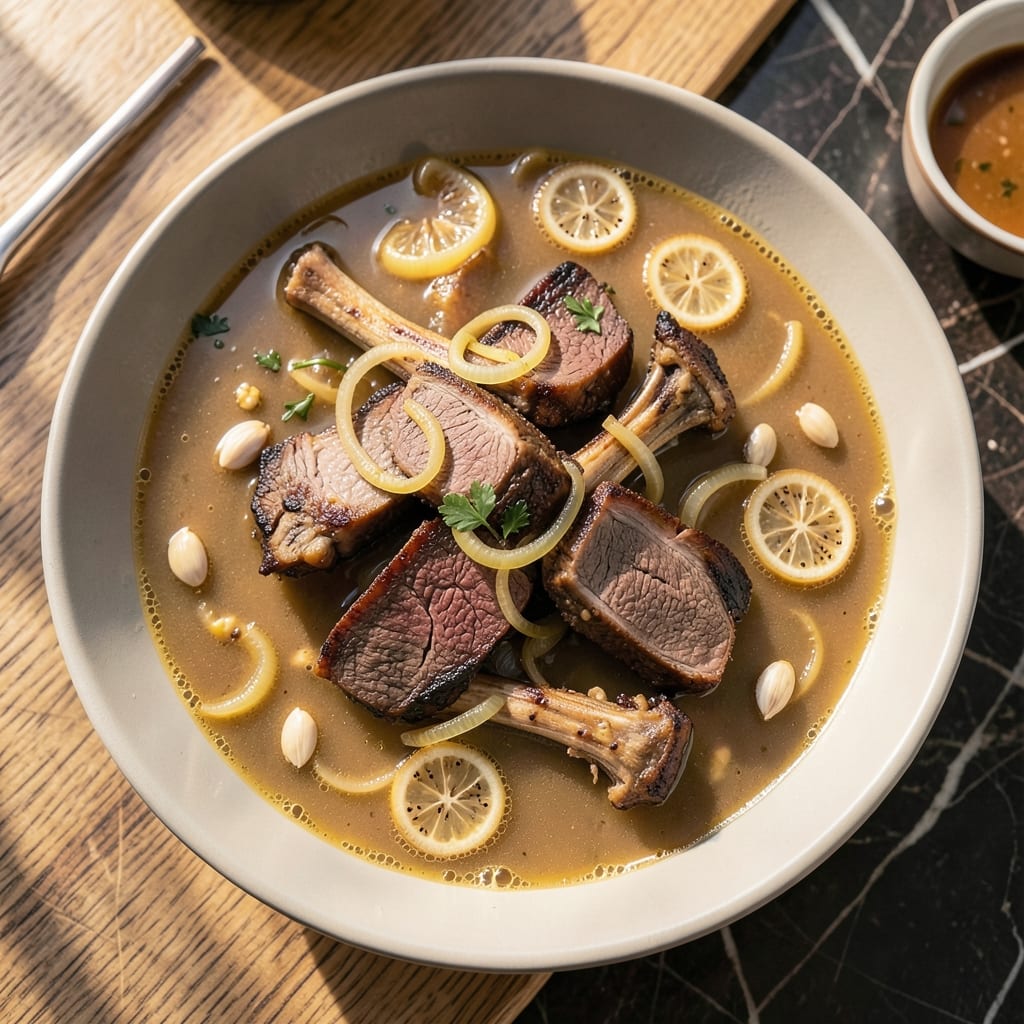
This beef bulalo bone marrow soup recipe delivers the soul-soothing richness of Filipino comfort food in one deeply flavorful bowl. 🌟 The secret lies in slow-simmering beef bones and marrow until the broth transforms into a velvety, umami-packed elixir that melts into every spoonful. What makes this dish special is the marriage of tender beef, crispy bone marrow, and a broth so gelatinous it practically shimmers—all achieved through traditional techniques that build flavor hour by hour.
The process begins with beef bones and marrow that are gently roasted to deepen their natural sweetness before simmering for hours, extracting maximum collagen for that signature silky texture. While the broth works its magic, beef chunks become fork-tender, and bone marrow develops a satisfying crunch when seared. This is the kind of soup that transforms a simple meal into an experience—one where every ingredient plays its part in creating harmony between rich, savory, and slightly sweet notes.
By the time you serve this dish with steamed rice, you'll have a restaurant-quality bulalo that's both comforting and impressive. The broth should be thick enough to coat the back of a spoon, the beef so tender it falls apart, and the bone marrow crispy yet yielding. It's the kind of meal that brings people together, whether you're celebrating or just craving something deeply satisfying after a long day.
Modern adaptations like pressure cookers can cut the cooking time without sacrificing flavor, making this traditional recipe more accessible. Let's create this dish that carries the warmth of Filipino home cooking into your own kitchen.
Ingredients for beef bulalo bone marrow soup
Sixteen ingredients transform into one deeply comforting bowl of Filipino soul food.
| Ingredient | Amount | Notes |
|---|---|---|
| Beef Bones 🦴 | 4 lb | Knuckle or marrow bones preferred |
| Beef Marrow 🧈 | 1 ½ lb | Fresh, from marrow bones |
| Beef Chuck Roast 🥩 | 2 lb | Cut into 2-inch chunks |
| Yellow Onions 🧅 | 3 whole | Quartered, skin on |
| Fresh Ginger 🌿 | 2 tbsp | Grated, peeled |
| Garlic Cloves 🧄 | 8 cloves | Smashed, unpeeled |
| Tomatoes 🍅 | 4 whole | Roma or vine, halved |
| Bay Leaves 🌿 | 2 whole | Dried, for infusion |
| Salt 🧂 | 2 tbsp | Kosher or sea salt |
| Black Peppercorns 🌶️ | 1 tbsp | Crushed, whole |
| Annato Seeds 🌶️ | 1 tsp | For color, optional |
| Fish Sauce 🍶 | 2 tbsp | For umami depth |
| Soy Sauce 🍶 | 2 tbsp | Dark soy preferred |
| White Wine 🍷 | 1 cup | Dry, for deglazing |
| Water 💧 | 6 cups | For initial simmer |
The bones and marrow are the heart of this dish. Look for marrow bones at your local Filipino market—they're often sold fresh and packed with flavor. If you can't find them, Costco or Whole Foods sometimes carry them in the meat section. The beef chuck roast should have good marbling for tenderness. Fresh ginger and garlic are non-negotiable here—they're the secret to that bright, aromatic base. For the tomatoes, Roma or vine varieties hold up best during the long simmer. If you're using dried bay leaves, Indian or Mexican brands tend to be more potent than the European kind. Annato seeds add that signature golden hue, but you can skip them if you prefer a more natural look.
No fish sauce? Soy sauce plus a dash of Worcestershire gets you close, though you'll lose some depth. Short on white wine? Chicken broth with a splash of vinegar works in a pinch. The ginger can be substituted with 1 tbsp ginger paste if you're in a hurry, but fresh is always better. For the beef, chuck or short ribs are ideal—anything too lean will dry out. The tomatoes can be canned in a squeeze if you're short on time, but fresh is worth the effort. If you're making this ahead, double the broth so you can freeze portions for later—it only gets better with time.
This soup tastes even better the next day once all the flavors meld together. Store it in the fridge for up to 5 days or freeze for 3 months. The marrow keeps well in the fridge for 2 days if you're prepping ahead—just wrap it tightly in plastic. For serving, I always keep a small pot of hot water nearby to dip rice in—it makes every bite even more satisfying. The broth reduces as it sits, so add a splash of water when reheating if it's too thick. Leftovers make amazing lunches or a quick dinner when you're short on time.
Why You'll Love This Recipe
- One-Pot Magic: The bones and marrow do most of the work—just chop onions, slice ginger, and let the pot simmer. No fancy techniques, no last-minute stress. Honestly, the hardest part is deciding when to stop stirring.
- Rich Without Effort: That marrow melts into the broth like velvet, while the chuck roast falls apart at the touch of a spoon. Between us, the ginger and onions caramelize into something so deep, it tastes like a hug in a bowl.
- Weeknight to Party: I make this when I’m tired but still want to impress—same recipe, same ease. Serve it with rice for a quick weeknight meal or ladle it into bowls for guests. (Yes, even on a Tuesday night.)
- Budget-Friendly Feast: Beef bones and marrow stretch this into four meals without breaking the bank. Freeze leftovers or reheat them for days—every spoonful feels like a treat, not a splurge. My daughter picks out the marrow bits, but still asks for seconds.
Step-by-step instructions for beef bulalo bone marrow soup
Here's how to build rich, velvety bulalo with deep umami from slow-cooked bones and marrow.
🔥 Step 1: Sear Bones and Chuck for Maximum Flavor
Preheat your largest pot over medium-high heat. Working in batches, sear the 4 lb beef bones and 2 lb beef chuck roast chunks until deeply browned on all sides—about 5-7 minutes per batch. The bones should develop a dark, caramelized crust that dissolves into the broth later. Transfer seared meat to a plate and set aside.
While searing, crush the 1 tbsp black peppercorns lightly with a mortar and pestle or rolling pin—just enough to release their aroma without turning into powder. This adds subtle heat without overpowering the broth. Keep these crushed peppercorns handy for the next step.
🍳 Step 2: Build the Aromatic Base
In the same pot, add the 3 whole yellow onions (quartered, skin on) and 2 tbsp fresh ginger (peeled and grated). Cook for 8-10 minutes until the onions soften and the ginger becomes fragrant. You'll smell that sweet, spicy aroma—this is where the soup's depth begins.
Add the 8 smashed garlic cloves (peel them now) and cook for 1 minute until golden. The garlic should sizzle but not burn—watch closely as it goes from pale to nutty brown. Stir in the crushed peppercorns and 2 whole bay leaves, then pour in the 1 cup white wine. Let it simmer for 2 minutes to cook off the alcohol completely.
🥘 Step 3: Simmer the Bones and Marrow
Return the seared bones and chuck to the pot. Add the 6 cups water and bring to a boil. Once boiling, reduce heat to low-medium and skim off any foam that rises to the surface for the first 10 minutes. This removes impurities and keeps your broth crystal clear.
Cover the pot and let it simmer gently for 2 hours. You're looking for gentle bubbling—not a rolling boil. After 2 hours, add the 4 halved tomatoes, 2 tbsp salt, 2 tbsp fish sauce, and 2 tbsp soy sauce. Stir well and continue simmering for another 30 minutes. The broth should now be rich and deeply flavored, with the bones falling easily from their sockets.
🔪 Step 4: Extract the Marrow and Finish
Using a large spoon or tongs, carefully remove the bones and place them on a cutting board. Crack open each bone to extract the marrow using a small knife or spoon. Transfer all the marrow to a bowl and set aside. The bones can be discarded or saved for another broth.
Return the broth to the pot and stir in the 1 tsp annato seeds (if using) for a beautiful golden hue. Simmer for another 10 minutes to let the annato infuse. Taste and adjust seasoning—you might need a touch more salt or fish sauce to balance the flavors.
🍽️ Step 5: Serve with Fresh Marrow and Steamed Greens
Ladle the hot broth into bowls, dividing the 1.5 lb beef marrow among them. The marrow should be soft and spreadable—if it's too firm, warm it gently in the broth for 1-2 minutes. Serve immediately with steamed greens or rice on the side to soak up every last drop of that rich, umami-packed broth.
Each spoonful should deliver layers of flavor: the deep, savory richness from the bones, the creamy texture of the marrow, and the bright acidity from the tomatoes and fish sauce. The annato adds just the right golden color to make it look as good as it tastes.
Pro Tips For Making Beef Bulalo Bone Marrow Soup
- BLANCH BONES FIRST: Toss your beef bones in boiling water for 5 minutes before browning—this removes impurities and keeps your broth crystal clear. I learned this the hard way after making a murky soup that tasted like a swamp.
- SCORE MARROW THICK: Slice beef marrow into ½-inch chunks, not thin slivers—thick pieces render slower and stay juicier in the broth. Thin slices turn to mush and disappear faster than you’d think.
- LOW-AND-SLOW IS NON-NEGOTIABLE: Once the broth starts simmering, drop the heat to a gentle bubble—anything hotter and you’ll scramble the marrow or turn the chuck tough. This isn’t a race; let it work for 3+ hours.
- ONIONS FIRST, GINGER LAST: Sauté onions until deep golden, then set them aside—add ginger only in the final 30 minutes. Overcooking ginger makes the broth bitter, and fresh ginger needs minimal time to perfume the soup properly.
Serving suggestions for this beef bulalo bone marrow soup
Rice Pairing Essentials
Steamed jasmine rice is the traditional choice for bulalo, its delicate floral aroma complementing the soup's deep umami. I recommend using 1 cup uncooked rice per person—it absorbs the rich broth beautifully while maintaining a slight bite. For extra indulgence, serve with garlic fried rice on the side, where the crispy bits add texture contrast to the creamy soup. 🌟
Pro tip: Keep a small pot of hot water nearby for dipping rice—this simple trick makes every bite even more satisfying. The broth will cling to the grains, creating the perfect balance of textures. For a modern twist, try brown rice or forbidden black rice for added nutritional depth while maintaining the dish's soulful essence.
Fresh Greens Contrast
Steamed baby bok choy or kangkong (water spinach) adds a vibrant green contrast to the golden broth. Blanch them for just 2 minutes before serving to preserve their crisp texture. The slight bitterness cuts through the richness, creating harmony in each spoonful. I often serve ½ lb of greens per bowl—just enough to add color without overpowering the main dish.
For a more substantial side, prepare garlic sautéed string beans—toss 1 lb green beans with 2 tbsp minced garlic and 1 tbsp soy sauce until tender-crisp. The beans' natural sweetness balances the soup's savory depth perfectly. This combination is a staple in Filipino home-style meals.
Crispy Side Dishes
Add crispy garlic fried rice or tortang talong (eggplant fritters) to elevate your bulalo spread. For the fritters, slice 2 medium eggplants into rounds, dip in beaten egg, then coat with crushed pork cracklings and deep-fry until golden. The crunchy exterior contrasts beautifully with the soup's velvety texture. 💛
Another crowd-pleaser is crispy pork rinds served on the side. Toss them with 1 tsp garlic powder and ½ tsp smoked paprika before serving. The pork rinds add a satisfying crunch that complements the creamy marrow and tender beef. These sides transform bulalo from a simple soup to a full Filipino feast.
Dipping Sauces
Prepare a quick soy-vinegar dip by mixing ¼ cup soy sauce, 2 tbsp rice vinegar, 1 tbsp grated ginger, and 1 tsp sugar. This tangy accompaniment enhances the soup's flavors when used to dip rice or greens. The acidity cuts through the richness, cleansing your palate between bites.
For a spicy option, blend 2 tbsp fish sauce, 1 tbsp sriracha, 1 tbsp lime juice, and 1 clove garlic into a sweet chili dip. This adds a fiery kick that pairs perfectly with the creamy marrow. Both dips should be served on the side in small bowls for easy access during the meal.
Nutrition facts
Frequently asked questions
Why does beef bulalo broth need such a long cooking time?
The slow simmer is essential to extract collagen from the bones, creating that signature gelatinous texture. This process takes 2-3 hours because collagen dissolves gradually at low temperatures (180-200°F). The longer it cooks, the richer and more velvety the broth becomes—this is what makes bulalo uniquely comforting.
Can I use a pressure cooker to speed up the cooking?
Yes! A pressure cooker cuts the simmering time to about 45-60 minutes while still developing deep flavor. Just sear the bones first, then pressure cook with all ingredients (except marrow) for 30 minutes on high pressure. Release naturally, then add marrow and simmer uncovered for 10 minutes to crisp it.
What if my bone marrow doesn't come out cleanly?
If marrow sticks to bones, try these tricks: First, let bones cool slightly after simmering—this helps the marrow release. Use a small knife to carefully pry open the bone seams, then scoop with a spoon. For stubborn pieces, warm the bones in broth for 2-3 minutes before trying again. Never force it with metal tools to avoid breaking bones.
How do I store leftovers to keep the broth rich?
Cool the soup quickly by transferring to shallow containers, then refrigerate for up to 5 days. For freezing, package broth and marrow separately—freeze broth in ice cube trays for easy portioning. Reheat broth gently (low heat) and add marrow directly from frozen. The broth actually improves overnight as flavors meld!
What's the secret to making the broth extra clear?
Skimming foam during the first 10 minutes of simmering removes impurities. For crystal-clear broth, add 1 tbsp cornstarch mixed with 2 tbsp water to the hot broth after removing bones. Simmer 2 minutes more—this binds any remaining particles. Strain through a fine-mesh sieve if needed, but don't over-filter or you'll lose gelatinous richness.