
Soups & Stews
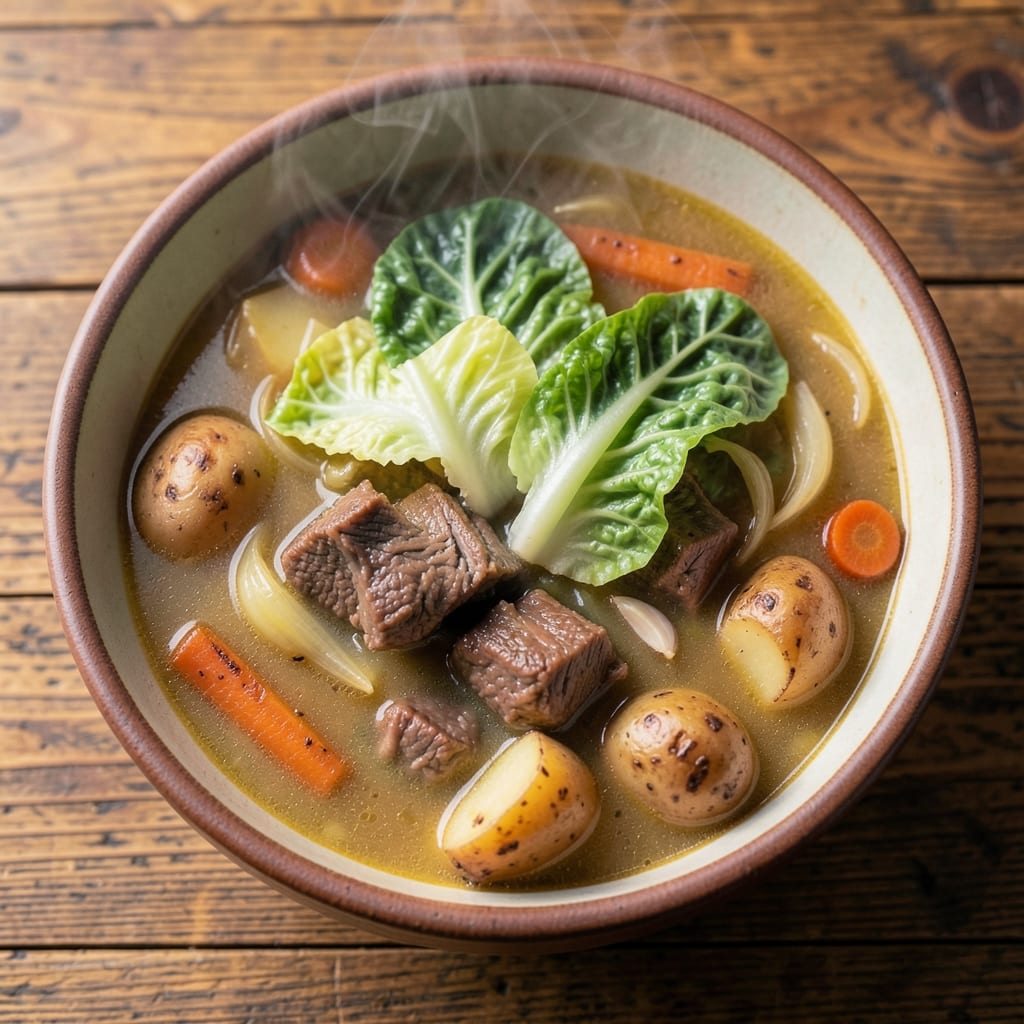
This beef and cabbage soup recipe with potatoes delivers the kind of comforting, hearty meal that warms you from the inside out—ideal for chilly evenings when you crave a one-pot wonder. The secret lies in slow-simmered beef that becomes fork-tender, while potatoes and cabbage soak up the rich, savory broth until everything melts together in perfect harmony. I’ve perfected this recipe to balance simplicity with depth, ensuring every spoonful is packed with homey flavor without requiring hours at the stove.
What sets this soup apart is the layered approach—starting with a deep, caramelized base from onions and garlic, then building rich flavor through simmering beef and vegetables until they’re just tender enough to hold their shape. The potatoes absorb the broth beautifully, while cabbage adds a satisfying crunch and subtle bitterness that balances the meal. Best of all, it’s a foolproof method that works equally well on the stovetop, in a slow cooker, or even an Instant Pot for modern shortcuts.
By the time you’re done, you’ll have a steaming bowl of soup with deep, savory broth, tender beef chunks, and vegetables that are perfectly cooked—not mushy or underdone. The aroma alone will have everyone gathering around the table, and the first bite delivers that satisfying combination of hearty texture and comforting warmth. This is the kind of dish that tastes even better the next day, making it perfect for meal prep or feeding a crowd.
Serve it with crusty bread to soak up every last drop of that flavorful broth, or pair it with a simple green salad for balance. The recipe scales easily, so you can double or halve it based on your needs. Here’s how to make it—step by step—for a meal that feels like a hug in a bowl.
Ingredients for beef and cabbage soup recipe with potatoes
Six hearty ingredients transform into a bowl of soul-warming comfort—perfect for cozy nights in.
| Ingredient | Amount | Notes |
|---|---|---|
| Chuck Roast 🥩 | 2 lb | Cut into 1-inch cubes |
| Yellow Onion 🧅 | 2 whole | Chopped into ½-inch pieces |
| Garlic Cloves 🧄 | 4 cloves | Minced for depth of flavor |
| Russet Potatoes 🥔 | 3 lb | Peeled, cut into 1-inch cubes |
| Green Cabbage 🥬 | 1 small | Core removed, chopped |
| Carrots 🥕 | 4 medium | Peeled, cut into ½-inch slices |
| Tomato Paste 🍅 | ½ cup | For rich, concentrated flavor |
| Beef Broth 💧 | 6 cups | Low-sodium preferred |
| Bay Leaves 🌿 | 2 whole | Remove before serving |
| Dried Thyme 🌿 | 1 tsp | Or 1 tbsp fresh thyme |
| Salt 🧂 | 1 ½ tsp | Kosher or sea salt |
| Black Pepper 🌶️ | 1 tsp | Freshly ground preferred |
| Olive Oil 🫒 | 2 tbsp | For caramelizing onions |
| Worcestershire Sauce 🍶 | 1 tbsp | For umami depth |
The beef is the star here, so chuck roast is non-negotiable—it stays tender and flavorful. Grab it from the butcher section if possible, or Costco has great pre-cut options. Look for good marbling; it’ll melt into the broth. For the potatoes, Russets are ideal—they hold up during simmering without turning mushy. If you’re short on time, Yukon Golds work too, but they’ll break down faster. The cabbage? Green cabbage has more bite than red, but either works—just chop it evenly so it cooks at the same rate as the potatoes.
No beef broth? Chicken broth plus 1 tbsp soy sauce gets you close, though it’ll lack depth. Fresh thyme is ideal, but dried works at one-third the amount. The Worcestershire sauce adds that savory punch—Lea & Perrins is the classic choice, but any good brand does. For the tomato paste, Trader Joe’s has great squeeze tubes that make this easy. Short on carrots? Substitute with turnips or parsnips—they’ll add a slightly different sweetness but still work beautifully. And if you’re feeling adventurous, swap half the cabbage for kale or Brussels sprouts for a twist on the classic.
This soup tastes even better the next day, so make a double batch if you’ve got room in the fridge. It keeps for 5 days sealed tightly, and freezes for 3 months—just thaw overnight in the fridge before reheating. I always portion mine into mason jars for easy grab-and-go lunches. The broth reduces slightly as it sits, so add a splash of water or broth when reheating if it’s too thick. And trust me, the aroma alone will have everyone in the house gathering around the pot.
Why You'll Love This Recipe
- One-Pot Magic: I swear by this recipe when I’m too tired to scrub pots—just dump everything in one pot, let it simmer, and walk away. The chuck roast gets fork-tender while you’re doing laundry, and the potatoes absorb all that rich broth like sponges.
- Garlic Bomb Flavor: That first bite? The garlic and onions caramelize into something deep and savory, then the cabbage adds a peppery crunch that cuts through the richness. Honestly, I’ll make this just for the aroma filling my kitchen.
- Leftovers That Don’t Suck: This soup actually tastes better the next day—yes, really. I double the batch on Sundays, freeze half, and pull it out for lazy nights. The potatoes stay creamy, the beef stays juicy, and no one complains (even my picky teenager).
- Budget Meal That Feeds: A chuck roast stretches for days, and cabbage and potatoes are dirt cheap. I feed my family four hearty portions for under $10, and it’s still the kind of meal that makes you feel like you’re eating at a bistro. (Yes, even on a Tuesday night.)
Step-by-step instructions for beef and cabbage soup with potatoes
This hearty stew comes together in one pot with layers of rich flavor and tender vegetables.
🍳 Step 1: Sear the Chuck Roast and Build the Base
Heat the 2 tablespoons olive oil in a large Dutch oven over medium-high heat. Add the 2 lb chuck roast, cut into 1-inch cubes, and sear for 5-6 minutes until deeply browned on all sides. This step creates the deep, caramelized flavor that forms the foundation of your soup.
Once the beef is browned, remove it from the pot and set it aside. In the same pot, add the 2 whole yellow onions, chopped into ½-inch pieces, and cook for 5-6 minutes until softened and beginning to caramelize. Stir occasionally to prevent burning—this is where the sweetness develops. Add the 4 cloves minced garlic and cook for 30 seconds until fragrant, but don't let it burn.
🍳 Step 2: Add Vegetables and Tomato Paste
Return the seared beef to the pot. Add the 3 lb russet potatoes, cut into 1-inch cubes, the 1 small green cabbage, chopped, and the 4 medium carrots, sliced into ½-inch pieces. Stir everything together to distribute the onions and garlic evenly.
Pour in the 0.5 cup tomato paste and stir to coat all the ingredients. This step deepens the flavor and adds a rich, slightly sweet base. Let everything cook for 3-4 minutes, stirring occasionally, until the tomato paste begins to darken slightly and cling to the vegetables.
🥘 Step 3: Simmer the Soup with Broth and Seasonings
Pour in the 6 cups beef broth, making sure all the ingredients are submerged. Add the 2 whole bay leaves, 1 teaspoon dried thyme, 1.5 teaspoons salt, and 1 teaspoon black pepper. Bring the soup to a gentle boil, then reduce the heat to low and let it simmer for 1 hour to 1 hour 15 minutes, partially covered. This slow simmer ensures the beef becomes fork-tender and the flavors meld together beautifully.
After 45 minutes, taste the soup and adjust the seasoning if needed. The broth should be rich and flavorful, with the beef falling apart easily. If the soup looks too thick, add a little water or broth to reach your desired consistency. The cabbage and carrots should be tender but still hold their shape.
🍲 Step 4: Finish with Worcestershire Sauce and Rest
Stir in the 1 tablespoon Worcestershire sauce and let the soup simmer for an additional 10 minutes. This final step adds a deep, savory umami note that ties all the flavors together. Remove the 2 bay leaves before serving, as they can be bitter if left in.
Let the soup rest for 5-10 minutes before serving. This allows the flavors to settle and ensures each bite is packed with rich, hearty goodness. Serve it hot with crusty bread or over buttered egg noodles for a comforting meal that warms you from the inside out.
Pro Tips For Making Beef And Cabbage Soup Recipe With Potatoes
- Brown the Chuck Roast Properly: Chuck roast needs a deep, dark crust to stay tender—don’t skimp on the searing. Cut it into 1.5-inch chunks, pat them dry, then hit a screaming-hot pot with oil and let them brown 3-4 minutes per side until the edges are actually brown, not just pink. I used to rush this and ended up with tough, gray meat. Trust me, the extra 10 minutes now saves you from chewing work later.
- Cut Potatoes Evenly for Even Cooking: Russet potatoes vary in size, and uneven chunks mean some turn to mush while others stay rock-hard. Aim for 1.5-inch cubes—big enough to hold shape but small enough to cook through in the same time as the beef. If you’re lazy (like me), use a mandoline, but at least measure the first few pieces so you don’t end up with a pot full of potato chaos.
- Salt the Potatoes Before Adding: Toss the potato cubes with 1 teaspoon of salt before they hit the pot—this guarantees they absorb flavor from the start, not just at the end. I learned this the hard way after making a batch where the potatoes tasted bland no matter how much I seasoned the broth. It’s a small step that makes a real difference in texture and taste.
- Add Cabbage Late to Keep It Crunchy: Cabbage wilts faster than you’d think, especially in a hot broth. Hold off adding it until the beef is nearly tender and potatoes are just cooked through—then stir in the shredded cabbage and let it sit for 5-7 minutes max. You want it tender but still with a bite, not a sad, limp pile. (Yes, even if you’re impatient like me.)
Essential equipment for this dish
Dutch Oven Essentials
A 5-6 quart Dutch oven is my go-to for this soup—it’s deep enough to hold all ingredients without boiling over while allowing room for the beef to tenderize. I swear by Le Creuset for its even heat distribution and durability, but All-Clad or Lodge cast iron are budget-friendly alternatives that work just as well. The key is choosing a pot with a tight-fitting lid to trap steam and maximize flavor development during simmering. 🥘
Knife and Cutting Board
Precision cutting is crucial for even cooking. A sharp 8-inch chef’s knife (like Wüsthof or Shun) makes quick work of chopping onions, potatoes, and cabbage into uniform pieces. Pair it with a sturdy cutting board—I prefer maple or bamboo for their gentle surfaces that protect my knives. For the beef, a meat cleaver helps break down the roast into 1-inch cubes efficiently. Never skip sharpening your knives—dull blades make prep harder and less safe.
Measuring Tools
Accurate measurements ensure balanced flavors. Use a stainless steel measuring spoon set (like OXO Good Grips) for spices and liquids, and a digital kitchen scale for the beef and potatoes—1 lb of chuck roast should yield about 16-18 oz of cubed meat. A fine-mesh strainer comes in handy if you need to drain excess liquid from the cabbage or carrots before adding them to the pot. I also keep a ladle with a pour spout (like Rubbermaid) for easy broth transfers.
Thermometer for Precision
A meat thermometer isn’t strictly necessary for this recipe, but it’s a game-changer for perfect results. Insert it into the thickest piece of beef—aim for 195-200°F for fork-tender texture. If you’re using a slow cooker or Instant Pot, a wireless thermometer (like Meater) lets you monitor temps without opening the lid. For stovetop cooking, a simple instant-read thermometer (like Thermoworks) works perfectly. 🌡️
Slow Cooker Adaptations
For hands-off cooking, a 6-quart slow cooker (like Hamilton Beach) simplifies the process. Sear the beef in a separate pan first, then transfer everything to the slow cooker and cook on low for 8 hours or high for 4-5 hours. The key difference is the broth may reduce more, so add ½ cup water if it gets too thick. I love using slow cookers for weeknight meals—they free up stovetop space while keeping flavors deep and rich.
Instant Pot Shortcuts
An Instant Pot (6-8 quart) cuts cooking time dramatically. Sauté the onions and garlic first, then add all ingredients and pressure cook on high for 30 minutes, followed by a 10-minute natural release. The high-pressure environment tenderizes the beef in a fraction of the time. I recommend using the sauté function for browning the beef—it mimics stovetop searing. For extra richness, add 1 cup beef broth after the initial pressure cook cycle and let it sit for 5 minutes before releasing the pressure. ⚡
Nutrition facts
Frequently asked questions
Can I substitute ground beef for chuck roast in this recipe?
Yes, but the texture will differ. Ground beef cooks much faster and won't have the same tender, melt-in-your-mouth quality. If you must use it, brown 1 lb ground beef first, then add the remaining ingredients and simmer for 20-25 minutes instead of the full hour. For best results, stick with chuck roast—it's worth the extra time for that rich, hearty flavor!
How can I make this soup spicier?
Add heat with 1-2 teaspoons of smoked paprika or ½ teaspoon cayenne pepper when you stir in the Worcestershire sauce. For a smoky kick, include 1 chipotle pepper in adobo sauce (minced) with the tomato paste. If you love bold flavors, try ½ teaspoon of crushed red pepper flakes at the end. Adjust to taste—start small and add more if needed!
Why did my cabbage turn mushy?
Cabbage cooks quickly and turns mushy when over-simmered. To fix this, add it only 15-20 minutes before the end of cooking (instead of at the start). For extra texture, stir in ½ cup chopped fresh parsley or 1 cup shredded sauerkraut at the very end—both add crunch and balance the flavors. Always chop cabbage into even-sized pieces for consistent cooking!
Can I make this soup in a slow cooker or Instant Pot?
For a slow cooker, sear the beef first, then combine everything and cook on low for 8 hours or high for 4-5 hours. In an Instant Pot, sauté the onions/garlic, then pressure cook on high for 30 minutes with a 10-minute natural release. Both methods work beautifully—just adjust liquid as needed (slow cookers may need ½ cup extra broth to prevent thickening).
What’s the best way to reheat leftovers?
Reheat gently on the stovetop over medium-low heat until steaming (about 5-7 minutes). If using the microwave, cover with a damp paper towel and heat for 2-3 minutes, stirring halfway. For best texture, add 1-2 tablespoons of beef broth or water to restore moisture. Never reheat to boiling—just warm through to 165°F to preserve the tender beef and veggies.