
Soups & Stews
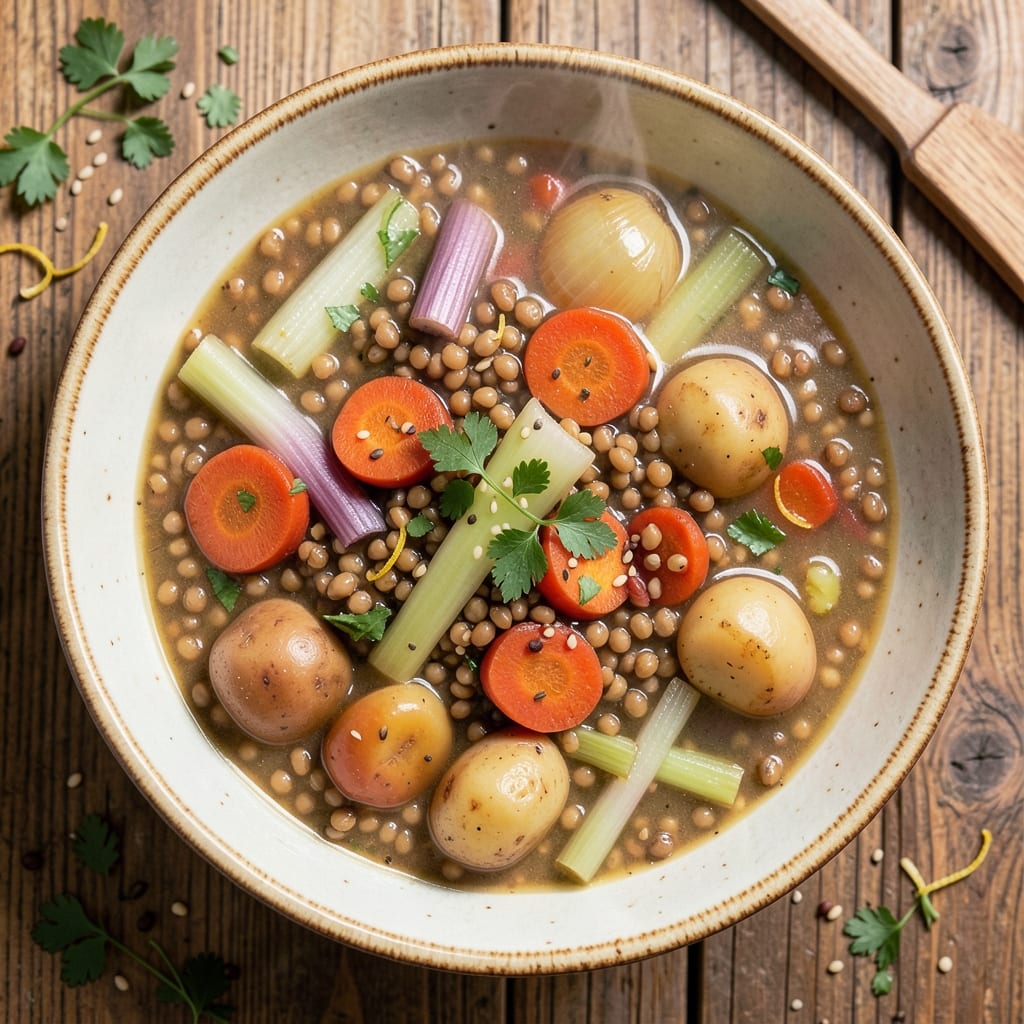
This barley veg soup recipe transforms simple ingredients into a deeply satisfying, one-pot meal that's perfect for chilly evenings or busy weeknights. The nutty depth of pearl barley pairs beautifully with seasonal vegetables, creating a hearty broth that's both comforting and nourishing. I developed this recipe after realizing how quickly barley could elevate a basic vegetable soup—adding texture, protein, and a subtle earthiness that balances the freshness of the veggies.
The beauty of this dish lies in its simplicity: just a handful of ingredients simmered together until the flavors meld into something extraordinary. Pearl barley releases its nutty essence as it cooks, while the vegetables soften just enough to absorb the savory broth. The result is a soup that's rich enough to stand alone but light enough to satisfy without weighing you down—ideal for those who crave substance without heaviness.
What makes this recipe truly special is its versatility. Swap in seasonal vegetables like kale, carrots, or zucchini, or boost the protein with lentils or mushrooms. The one-pot method ensures minimal cleanup, and the flavors only deepen as it sits, making it perfect for meal prep. Each spoonful delivers a perfect balance of earthy barley, tender vegetables, and a broth that's fragrant with herbs and garlic.
Whether you're serving it as a main course or a side to complement grilled fish or crusty bread, this barley veg soup is a foolproof way to bring warmth and nourishment to your table. Let's get cooking—your kitchen will thank you for the cozy aroma alone.
Ingredients for barley veg soup
Pearl barley and seasonal vegetables create this nourishing, one-pot vegan soup that's perfect for chilly evenings.
| Ingredient | Amount | Notes |
|---|---|---|
| Pearl Barley 🌾 | 1 cup | Uncooked, rinsed thoroughly |
| Vegetable Broth 💧 | 6 cups | Low-sodium preferred |
| Carrots 🥕 | 2 medium | Peeled, chopped into chunks |
| Celery Stalks 🧅 | 3 whole | Chopped into 1-inch pieces |
| Russet Potatoes 🥔 | 2 medium | Peeled, cubed into 1-inch |
| Yellow Onion 🧅 | 1 whole | Diced into small pieces |
| Garlic Cloves 🧄 | 4 cloves | Minced finely |
| Fresh Parsley 🌿 | ¼ cup | Chopped, for garnish |
| Fresh Thyme 🌿 | 1 tbsp | Leaves only, chopped |
| Extra-Virgin Olive Oil 🫒 | 2 tbsp | For sautéing |
| Tomato Paste 🍅 | 2 tbsp | Smooth, not chunky |
| Lemon Juice 🍋 | 1 tbsp | Freshly squeezed |
| Salt 🧂 | 1 ½ tsp | Diamond Crystal preferred |
| Black Pepper 🌶️ | ½ tsp | Freshly ground |
| Nutritional Yeast 🧀 | 2 tbsp | For cheesy flavor depth |
The pearl barley is the soul of this soup—look for uncooked pearl barley in the baking aisle, not the quick-cooking variety. Whole Foods or Trader Joe's carry excellent bulk options, but the regular supermarket bin works fine. Rinse it well before cooking to remove excess starch. For extra depth, toast the barley in olive oil for 2 minutes before adding broth—that nutty aroma is worth the extra minute. The carrots and celery should be fresh, with vibrant color and crisp texture. If you're using frozen veggies, no need to thaw—just toss them in raw.
No fresh thyme? Dried thyme at one-third the amount works perfectly—just remember it's more concentrated. Short on parsley? Fresh cilantro or basil can substitute, though the flavor will differ slightly. The tomato paste can be any brand, but San Marzano gives the best sweetness. For a smokier depth, swap half the tomato paste for smoked paprika. The nutritional yeast isn't just for flavor—it adds a satisfying umami richness that mimics the depth of dairy. Bob's Red Mill brand is my go-to, but any brand in the baking aisle will do.
This soup tastes even better the next day as flavors meld. Store in an airtight container for 4-5 days in the fridge, or freeze for 3 months—portion into containers for easy lunches. The barley thickens as it cools, so add a splash of broth when reheating. For extra protein, stir in cooked lentils or chickpeas when serving. The one-pot method means minimal cleanup, and the aroma alone will make your kitchen feel like a cozy haven.
Why You'll Love This Recipe
- Here’s what sold me: the potatoes break down into velvety chunks while the barley stays chewy, creating this perfect contrast. Add a splash of cream at the end (or skip it—it’s still rich), and you’ve got a soup that feels indulgent without being heavy.
- I’ll be real: this recipe costs me less than $10 for six servings. Pearl barley is dirt cheap, potatoes stretch forever, and vegetable broth keeps it light on the wallet. It’s the kind of soup that makes me feel warm inside—literally and figuratively—without breaking the bank.
Step-by-step instructions for hearty barley vegetable soup
This one-pot creation delivers deep nutty flavor and satisfying texture—no chopping chaos or multiple pans required.
🍳 Step 1: Build the Flavor Foundation
Heat the 2 tablespoons extra-virgin olive oil in a large Dutch oven over medium heat until shimmering. Add the diced yellow onion and cook for 5 minutes until translucent and slightly caramelized at the edges. This step develops sweetness that forms the soup's base.
Add the chopped celery stalks and chopped carrots, stirring to coat in the oil. Cook for another 5 minutes until the vegetables soften slightly and release their aromatic oils. The vegetables should smell intensely herbal—this is your cue to add the minced garlic cloves and cook for just 30 seconds until fragrant. Overcooking garlic turns it bitter, so watch closely.
🍳 Step 2: Deepen with Tomato and Herbs
Stir in the 2 tablespoons tomato paste and cook for 1 minute, stirring constantly to prevent burning. This creates a rich umami foundation that balances the vegetable flavors. Add the 1 tablespoon chopped fresh thyme and cook for another 30 seconds, allowing the thyme's piney aroma to infuse the mixture.
Pour in the 6 cups vegetable broth and bring to a gentle boil. Add the 1 cup rinsed pearl barley, 1.5 teaspoons salt, and 0.5 teaspoon black pepper. Reduce heat to medium-low and let it simmer uncovered for 15 minutes, stirring occasionally. This initial simmer helps the barley begin absorbing liquid and prevents it from sticking to the bottom.
🥘 Step 3: Incorporate Potatoes and Simmer
Add the cubed russet potatoes to the simmering broth. Stir gently to distribute them evenly throughout the liquid. Increase heat to medium-high and bring back to a boil, then reduce to medium-low again. Let it simmer uncovered for 20-25 minutes until the potatoes are fork-tender and the barley is nearly tender.
Here's the thing—pearl barley needs time to develop its signature nutty flavor. Don't rush this step. The soup should smell rich and earthy, with the barley releasing its starchy aroma. If the liquid reduces too much before the barley is tender, add ½ cup water to maintain the proper consistency for serving.
🍋 Step 4: Finish with Brightness and Depth
Stir in the 2 tablespoons nutritional yeast and 1 tablespoon freshly squeezed lemon juice. The nutritional yeast adds a cheesy, umami depth while the lemon juice brightens the flavors and cuts through the richness. Taste and adjust seasoning with additional salt or pepper if needed. The soup should be well-seasoned but not overly salty.
Let the soup simmer for another 5 minutes to allow all the flavors to meld together. The barley should now be tender with a slight bite, and the potatoes should be completely soft. Remove from heat and let it rest for 5 minutes—this resting period allows the flavors to fully develop and the barley to finish absorbing liquid.
🍽️ Step 5: Serve with Fresh Herbs
Ladle the soup into bowls and garnish each serving with 1 tablespoon chopped fresh parsley. The parsley adds a fresh, bright contrast to the hearty soup. Serve immediately while hot, with crusty bread on the side to soak up every last drop of that flavorful broth.
The perfect bowl of barley vegetable soup should have a thick, hearty texture with tender vegetables and nutty barley. Each spoonful delivers a balance of earthy, cheesy, and bright flavors that make this one-pot wonder a comforting staple for any season.
Pro Tips For Making Barley Veg Soup
- SOAK THE BARLEY FIRST: Pearl barley swallows water like a sponge—if you skip soaking, you’ll end up with a gritty, undercooked mess. Toss it in cold water for 30 minutes before cooking, then drain. This cuts cooking time by 20 minutes and guarantees creamy texture. (Yes, even if you’re impatient like me.)
- CHOP VEGETABLES UNIFORMLY: Celery and carrots should be the same size as your potatoes—no tiny matchsticks, no hulking chunks. Aim for 1-inch pieces so everything cooks evenly. I learned this the hard way when my celery turned to mush while the potatoes stayed rock-hard.
- SIMMER, DON’T BOIL: A rolling boil turns barley to mush and burns broth flavor. Keep the heat at a gentle simmer—barely any bubbles, just a slow wiggle. This keeps the barley firm and the soup’s depth intact. (Your future self will notice the difference.)
- STIR IN POTATOES LATE: Add potatoes in the last 15 minutes of cooking, or they’ll turn to glue. If you’re short on time, cut them smaller, but don’t skip this step—overcooked potatoes ruin the soup’s balance. (I skip this when I’m lazy, but the dish is noticeably better when I don’t.)
Flavor customization for these flavors
Herb Variations
Swap out thyme for 1 tbsp fresh rosemary or 1 tsp dried sage for an earthier profile. I love adding ½ tsp smoked paprika with the tomato paste for a subtle BBQ-like depth. For a Mediterranean twist, stir in 1 tsp dried oregano when adding the broth—it pairs beautifully with lemon juice. 🌿
Spice Level Boost
For heat lovers, add ½ tsp cayenne pepper with the tomato paste or 1-2 sliced jalapeños when incorporating potatoes. I recommend removing jalapeños before serving if you prefer milder heat. A dash of ground cumin (¼ tsp) adds warmth that complements the barley's nuttiness perfectly.
Umami Enhancers
Boost depth with 1 tbsp miso paste (white or red) stirred into the broth, or add 2 tbsp soy sauce when adjusting seasoning. For a vegan "cheesy" kick, increase nutritional yeast to 3 tbsp. I find 1 tbsp tamari adds a savory complexity that elevates the entire dish.
Seasonal Veg Swaps
Spring: Replace carrots with asparagus spears (trimmed) and add ½ cup peas at the end. Summer: Swap potatoes for zucchini chunks and add 1 diced bell pepper. Winter: Use kale stems (chopped) and parsnips instead of carrots for extra heartiness.
Texture Add-Ins
For extra bite, stir in ½ cup cooked lentils or ½ cup chickpeas with the potatoes. I like adding ¼ cup toasted pumpkin seeds for crunch when serving. For a creamy element without dairy, blend ½ cup coconut milk into the final soup—it adds a luxurious mouthfeel.
Acidity Balance
Adjust brightness with 1 tsp apple cider vinegar instead of lemon juice for a tangier edge. For a sweeter profile, add 1 tbsp maple syrup when finishing. I find ½ tsp Dijon mustard stirred in at the end adds complexity that rounds out all the flavors beautifully.
Nutrition facts
Frequently asked questions
Can I use quick-cooking barley instead of pearl barley?
Quick-cooking barley works, but the texture and flavor will differ. Pearl barley has a firmer bite and develops its signature nutty depth over time. For best results, stick with pearl barley—it's worth the 40-50 minute simmer time for that satisfying texture. If you're short on time, quick barley will soften in about 15 minutes, but you'll miss the rich, earthy flavor development.
How can I make this soup gluten-free?
This recipe is naturally gluten-free as long as you use certified gluten-free vegetable broth and check your nutritional yeast label. Barley contains gluten, so for a true gluten-free version, substitute 1 cup cooked quinoa or ½ cup cooked lentils for the barley. Both options add protein and heartiness while keeping the soup's comforting texture.
Why does my barley soup taste bland? Blandness usually comes from under-seasoning or insufficient simmering time.
Can I prep this soup ahead of time?
This soup tastes even better the next day as flavors develop. Store in an airtight container in the fridge for 4-5 days or freeze for 3 months. When reheating, add a splash of broth or water since the barley absorbs liquid as it cools. For meal prep, portion into containers and freeze individual servings—just thaw overnight in the fridge before reheating.
What's the best way to reheat leftovers?
Gently reheat on the stovetop over low heat with a splash of water or broth to restore creaminess. Avoid microwaving as it can make the barley mushy. If using frozen leftovers, thaw in the fridge overnight first, then reheat slowly. Stir occasionally and add extra liquid if needed—this soup's texture changes slightly when reheated, but it's still delicious!