
Soups & Stews
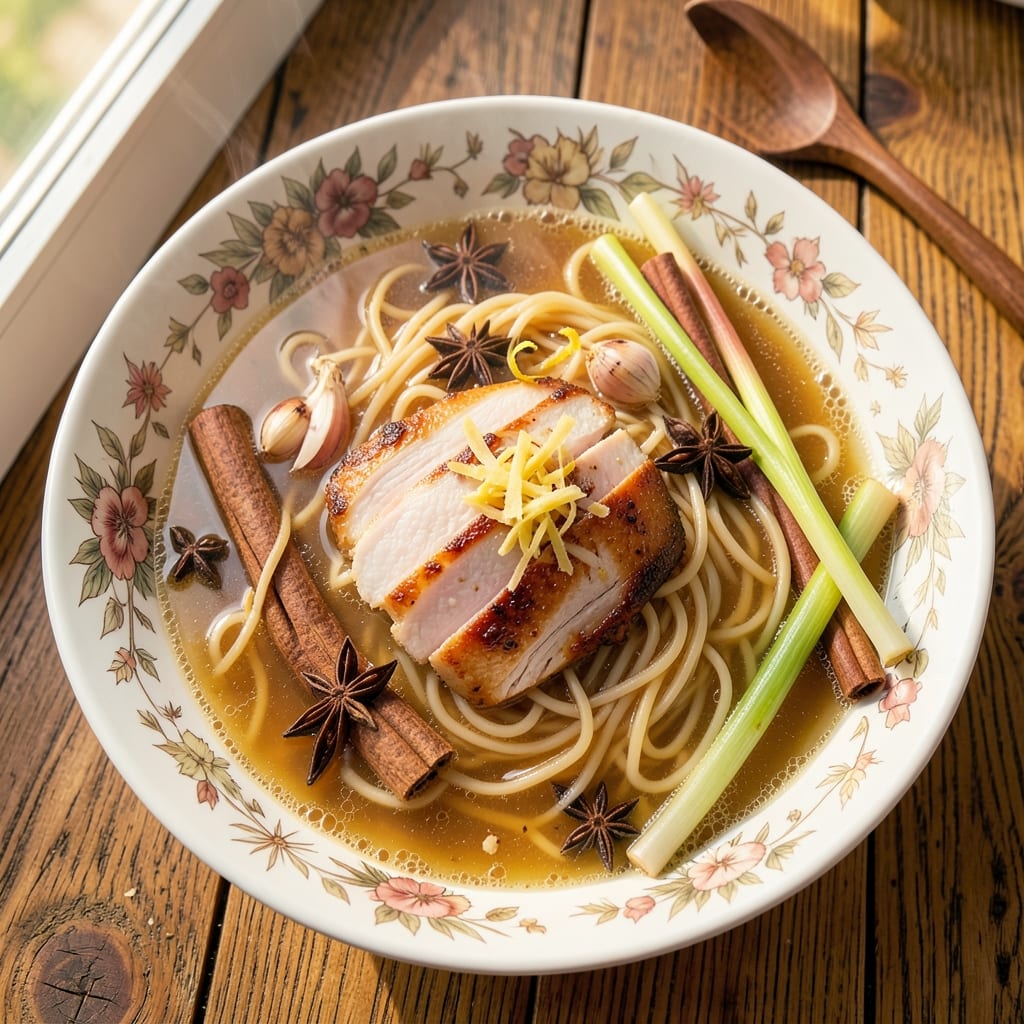
This bee hoon soup recipe delivers the perfect harmony of silky noodles and aromatic broth—just like the ones served in bustling Malaysian eateries. The secret lies in the slippery wheat noodles that glide effortlessly through a rich, spiced broth, balancing umami, heat, and fresh herbs. I’ve refined this version to capture the soul of street-side bowls while keeping it approachable for home cooks.
The broth forms the heart of the dish, simmered with star anise, cinnamon, and lemongrass for depth, then finished with a touch of tamarind for brightness. Meanwhile, the bee hoon noodles—chewy yet tender—absorb the flavors beautifully. Garnishes like fried shallots, fresh cilantro, and a squeeze of lime elevate it from ordinary to extraordinary.
What you’ll end up with is a restaurant-quality soup that’s ready in under an hour, with layers of flavor in every spoonful. The noodles maintain their signature slipperiness, while the broth remains fragrant and deeply satisfying. Serve it piping hot for a comforting meal that feels like a warm embrace.
Perfect for weeknight dinners or weekend gatherings, this recipe adapts easily—add chili for heat, or swap in shrimp for extra protein. Let’s bring the flavors of Malaysia to your kitchen.
Ingredients for bee hoon soup
Here’s what you’ll need to create this restaurant-quality bee hoon soup with silky noodles and aromatic spiced broth.
| Ingredient | Amount | Notes |
|---|---|---|
| Bee Hoon Noodles 🍜 | 8 oz | Dried, slippery wheat noodles |
| Chicken Breast 🍗 | 1 ½ lb | Boneless, skinless, cut into strips |
| Star Anise Pods 🌿 | 2 whole | For aromatic depth |
| Cinnamon Sticks 🌿 | 2 whole | For warmth and complexity |
| Lemongrass Stalks 🌿 | 3 whole | Bruised, lower halves only |
| Fresh Ginger Root 🧄 | 1 ½ tbsp | Grated, freshly |
| Garlic Cloves 🧄 | 6 cloves | Peeled, minced |
| Tamarind Paste 🍯 | 1 tbsp | For tangy brightness |
| Fish Sauce 🍶 | 1 tbsp | Red Boat preferred |
| Soy Sauce 🍶 | 1 tbsp | Light or dark |
| Fried Shallots 🧅 | ¼ cup | Store-bought or homemade |
| Fresh Cilantro 🌿 | ¼ cup | Chopped, for garnish |
| Lime Wedges 🍋 | 2 whole | For serving |
| Vegetable Oil 🫒 | 2 tbsp | For cooking chicken |
| Salt 🧂 | 1 tsp | Kosher or sea salt |
The star anise and cinnamon are non-negotiable for that authentic Malaysian aroma—buy whole pods from an Asian market if possible. Trader Joe’s carries them, but the bulk bins at H Mart or 99 Ranch have fresher stock. Lemongrass is the same: the stalks should be vibrant green and firm. Skip the dried stuff—it’s a total flavor letdown. Fresh ginger and garlic are obvious, but grate the ginger yourself—pre-grated is bland and watery. For tamarind, Mae Ploy brand is my go-to, but any block-style tamarind works if you can find it.
No star anise? 1 tsp ground cinnamon plus 1 tsp anise seeds is a decent swap, but you’ll lose some complexity. Fish sauce is essential—Red Boat is the gold standard, but any reputable brand works. Short on fried shallots? Toast sliced shallots in oil until crispy—they’ll add crunch even if they’re not perfectly golden. The cilantro can be swapped for Thai basil if you’re feeling adventurous, but stick to fresh herbs here. Dried just won’t cut it. And if you’re making this ahead, keep the garnishes separate until serving—they’ll wilt fast in hot broth.
The noodles cook in minutes—just follow package time, but start checking at 2 minutes if they’re fresh. Broth keeps for 3 days in the fridge, but the noodles are best added fresh. Double the broth and freeze it—portion into ice cube trays for easy reheating. Store the fried shallots in an airtight container for up to 2 weeks, and the fresh herbs in a damp paper towel-lined bag in the fridge. Lime wedges? Use within 3 days for peak brightness.
Why You'll Love This Recipe
- One-Pot Magic: I swear by this—just toss everything in a pot, simmer, and walk away. The bee hoon noodles soak up the broth like sponges, while the chicken stays tender without falling apart. (Yes, even if I forget to set a timer.)
- Warm Spice Bomb: That first sip? Pure comfort. Star anise and cinnamon sticks infuse the broth with a slow, deep heat, while lemongrass cuts through it like a bright citrus note. It’s the kind of flavor that lingers—literally, the aroma fills the whole house.
- Lunchbox Hero: Between us, this soup is my secret weapon for meal prep. Double the batch, store it in jars, and reheat it for days. The noodles hold up surprisingly well, and the broth only gets richer. Pack it for work or school—no sad desk lunches here.
- Budget Win: Chicken breast is cheap, bee hoon noodles last forever, and those spice pods? A single bag lasts for months of soups. I’ve made this for under $3 a serving, and honestly, it’s one of the few recipes where the ingredients list feels like a steal.
Step-by-step instructions for bee hoon soup
This aromatic, slippery noodle soup delivers restaurant-quality depth with just a few key techniques.
Prepare the Aromatic Base
In a large pot, combine the 2 whole star anise pods, 2 whole cinnamon sticks, 3 whole lemongrass stalks (bruised and cut into 2-inch pieces), 1.5 tablespoons fresh ginger root (grated), and 6 cloves garlic cloves (minced). Add 8 cups water and bring to a boil over medium-high heat. Once boiling, reduce to medium heat and let it simmer uncovered for 15 minutes—this draws out maximum flavor from the spices.
Here's the thing—don't skip the bruising on the lemongrass. Use the flat side of your knife to crush the stalks before adding them. This releases essential oils that will make your broth sing. Strain the aromatics through a fine-mesh sieve into a clean pot, pressing gently on the solids to extract every last drop of flavor. Discard the used spices—they've done their job.
Cook the Chicken and Build the Broth
In a separate skillet, heat 2 tablespoons vegetable oil over medium-high heat. Add the 1.5 lb chicken breast (cut into 1-inch strips) and cook for 4-5 minutes until lightly browned on all sides. Transfer the chicken to the strained broth pot and add 1 tablespoon tamarind paste, 1 tablespoon fish sauce, and 1 tablespoon soy sauce. Bring to a gentle simmer for 15 minutes—this infuses the chicken with the aromatic broth.
I like to use boneless, skinless chicken here because it cooks through quickly without drying out. If you prefer darker meat, substitute with chicken thighs—just increase cooking time to 20 minutes for maximum tenderness. The tamarind brings that signature tangy brightness that balances the rich broth, while the fish and soy sauces add umami depth.
Cook the Bee Hoon Noodles
While the chicken simmers, prepare the 8 oz bee hoon noodles. These slippery wheat noodles cook differently than regular pasta—boil them in 4 quarts water with 1 teaspoon salt for only 2-3 minutes. They're ready when they float to the surface and are still slightly firm to the bite. Drain immediately and rinse under cold water to stop the cooking process completely.
Don't overcook these noodles—they'll continue softening in the hot broth. The key is to get them just tender enough to hold their shape but still slightly chewy. I always test one noodle by biting into it—it should offer gentle resistance. The cold water rinse also removes excess starch, which prevents the noodles from turning mushy in the broth.
Assemble and Finish the Soup
Remove the chicken from the broth and let it rest for 5 minutes before shredding it into bite-sized pieces with two forks. Return the shredded chicken to the pot along with the cooked noodles. Stir gently to combine, then taste and adjust seasoning—add more fish sauce for saltiness or tamarind for tang. Simmer for just 2 minutes to heat everything through.
Here's where the magic happens: ladle the hot soup into bowls and immediately top each serving with ¼ cup fried shallots and ¼ cup fresh cilantro. Serve with 2 lime wedges on the side for each person to squeeze over their portion. The fried shallots add a delightful crunch contrast to the silky noodles, while the cilantro brightens each bite with fresh herbaceousness.
Pro Tips For Making Bee Hoon Soup
- CHAR THE CHICKEN FIRST: I learned this the hard way—trying to poach chicken in the same broth as the aromatics makes it bland. Instead, sear the chicken breast in a dry pan until it hits 165°F (about 6 minutes per side), then slice and set aside. The crust adds flavor, and the meat stays juicy when you add it back later.
- SLICE LEMONGRASS LENGTHWISE: Star anise and cinnamon sticks are easy to handle, but lemongrass stalks get ignored until they’re useless. Split them open lengthwise and scrape out the soft inner pith with a spoon—this releases more oil and aroma without floating useless fiber in your soup. (Yes, even if you’re impatient like me.)
- BOIL NOODLES SEPARATELY: I used to toss bee hoon noodles straight into the simmering broth, and they’d turn mushy before the chicken was done. Cook them for 2 minutes in boiling water first, then drain and rinse with cold water. They’ll hold their shape and absorb the broth better when added at the end.
- USE A LITTLE CORNSTARCH: The broth will be clear and light, but if you want that restaurant-style gloss, mix 1 tsp cornstarch with 2 tbsp cold water, then stir it into the simmering soup 2 minutes before serving. It thickens just enough to coat the noodles without making it gluey—trust the process.
Common mistakes when making this recipe
Overcooking the Noodles
Bee hoon noodles are delicate—once they float, they're ready! Cooking them beyond 3 minutes turns them mushy and loses that signature slippery texture. I've ruined batches by ignoring the package instructions, so always test one noodle by biting into it—it should offer gentle resistance, not fall apart. The cold water rinse after draining is crucial to stop the cooking process immediately. 🍜
Skipping the Aromatics
The star anise, cinnamon, and lemongrass aren't just flavor enhancers—they're the soul of this soup. Skipping them or using powdered spices instead leaves your broth flat. I bruise the lemongrass with the flat side of my knife to release those essential oils that make the broth sing. Strain the aromatics thoroughly but press gently to extract every last drop of flavor. Discard the used spices—they've done their job! 🌿
Underseasoning the Broth
Taste your broth before adding noodles—it needs balance! Many home cooks shy away from fish sauce, but it's essential for that umami depth. Start with 1 tbsp fish sauce and 1 tbsp soy sauce, then adjust. The tamarind adds tang, but if your broth tastes bland, add another ½ tsp of fish sauce. Remember, you can always add more, but you can't take it out. 💡
Using Wrong Noodles
Not all noodles are created equal! Bee hoon noodles are slippery wheat noodles—substituting with regular spaghetti or ramen ruins the texture. Look for packages labeled "bee hoon" or "slippery noodles" at Asian markets. If you can't find them, try rice vermicelli as a last resort, but the flavor and texture won't be the same. The right noodles make all the difference! 🔥
Ignoring the Garnishes
The fried shallots and fresh cilantro aren't just for show—they add critical texture and freshness. Skipping them means missing the crunch contrast and herbaceous brightness that elevate this soup. I always add them right before serving so they stay crisp. Don't forget the lime wedges—they're essential for that final tangy kick that cuts through the richness. 🍋
Rushing the Simmer Time
The broth needs time to develop its complex flavors. Skimping on the 15-minute simmer for the aromatics or chicken results in a flat-tasting soup. This isn't the time to multitask—let those spices infuse properly. Patience here makes all the difference in the final flavor profile. Trust me, your taste buds will thank you! ⏰
Nutrition facts
Frequently asked questions
What makes bee hoon noodles different from regular noodles?
Bee hoon noodles are made from slippery wheat flour, giving them a unique chewy yet tender texture that's completely different from regular pasta or ramen. They're designed to glide through broth without becoming mushy, and their natural slipperiness comes from the special wheat flour blend. These noodles cook in just 2-3 minutes—way faster than traditional noodles!
Can I make this soup vegetarian?
Swap the chicken for mushrooms (like shiitake or oyster) or tofu for a plant-based version. Use 1 block firm tofu pressed and cubed, or 8 oz mushrooms sliced. Boost umami with an extra ½ tbsp fish sauce (or soy sauce) and add 1 tbsp vegetable bouillon powder to the broth. The tamarind and spices will still shine!
How can I adjust the spice level?
This recipe has mild heat from the aromatics, but you can easily make it spicier. Add 1-2 slices of fresh chili (like Thai bird's eye) when simmering the broth, or stir in 1 tsp chili paste at the end. For extra heat, top each bowl with chili flakes or sambal oelek. If you prefer no heat, simply omit the chili entirely—the broth will still be flavorful!
Can I prepare this soup ahead of time?
Yes! Make the broth up to 3 days ahead and store it in the fridge. Keep the noodles and garnishes separate until serving. When ready to eat, simply reheat the broth (don't boil), cook the noodles fresh, and assemble with the garnishes. The aromatics will still infuse the broth beautifully. For extra convenience, freeze broth in ice cube trays—thaw and use as needed!
What if I can't find bee hoon noodles?
Your best substitute is rice vermicelli, but expect a slightly different texture. Cook them in 1-2 minutes until just tender, then rinse in cold water. For a closer match, try mung bean noodles (like those used in pad see ew). If you're feeling adventurous, make your own slippery noodles by mixing ½ cup wheat flour with ½ cup rice flour and a pinch of salt—roll thin and cut into strips!