
Soups & Stews
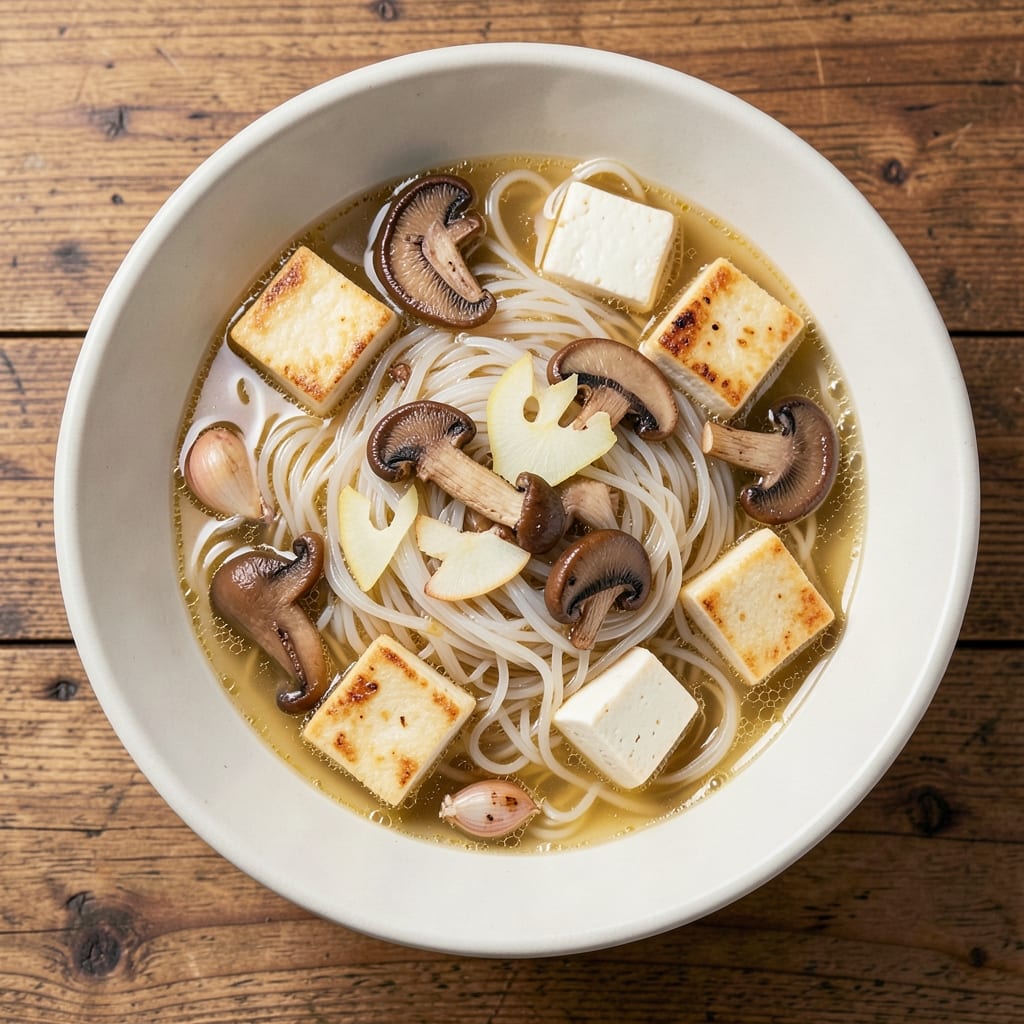
This Asian vegetable noodle soup delivers the perfect balance of fragrant ginger-lime broth and silky rice noodles in every spoonful. The secret lies in building layers of umami through a slow-simmered vegetable base, then brightening it with zesty lime and fresh herbs. I developed this recipe after years of testing—it’s the one that finally convinced even my pickiest eaters to finish their bowls.
The broth starts with aromatic ginger and garlic, simmered until their flavors meld into the bones of the soup. Adding mushrooms, tofu, and seasonal vegetables creates depth, while a splash of lime and a sprinkle of chili oil at the end elevate it from simple to extraordinary. The rice noodles cook in minutes, absorbing the rich broth while maintaining their signature slippery texture.
What you’ll end up with is a restaurant-quality dish that’s light yet satisfying—ideal for a quick weeknight meal or a comforting weekend lunch. Each bite offers a harmonious mix of earthy, tangy, and slightly spicy notes, with tender vegetables and noodles that practically melt in your mouth.
Serve it steaming hot with extra herbs, bean sprouts, and a wedge of lime for squeezing. The best part? This recipe scales effortlessly, whether you’re feeding one or a crowd. Let’s get started—your taste buds will thank you.
Ingredients for asian vegetable noodle soup
Nine ingredients create this fragrant, restaurant-quality vegetable noodle soup with silky rice noodles.
| Ingredient | Amount | Notes |
|---|---|---|
| Rice Noodles 🍜 | 8 oz | Flat or round, uncooked |
| Vegetable Broth 💧 | 6 cups | Low-sodium preferred |
| Fresh Ginger 🧄 | 2 tbsp | Grated, aromatic |
| Garlic Cloves 🧄 | 4 cloves | Minced, fresh preferred |
| Shiitake Mushrooms 🍄 | 6 whole | Stemmed, sliced |
| Firm Tofu 🥬 | 8 oz | Cubed, extra-firm |
| Carrots 🥕 | 2 whole | Julienned, medium |
| Green Onions 🧅 | 4 whole | White and green parts |
| Lime Juice 🍋 | 2 tbsp | Freshly squeezed |
| Sesame Oil 🫒 | 1 tbsp | Toasted, for aroma |
| Soy Sauce 🍶 | 2 tbsp | Low-sodium preferred |
| Chili Oil 🌶️ | 1 tbsp | For finishing touch |
| Bean Sprouts 🌱 | 1 cup | Fresh, rinsed |
| Fresh Cilantro 🌿 | ¼ cup | Chopped, for garnish |
| Salt 🧂 | 1 tsp | Adjust to taste |
The ginger and garlic are the soul of this soup—fresh is non-negotiable. I grab mine at Whole Foods or my local Asian market, where they keep it wrapped in paper to maintain freshness. For the mushrooms, shiitake gives the best umami, but cremini or oyster work too. The tofu should be extra-firm—Wildwood or Nasoya brands are my go-tos. Carrots can be baby carrots if you're in a rush, but julienning them adds that professional touch. Green onions add brightness, so use both white and green parts—don’t skip the greens!
No fresh ginger? Powdered works in a pinch, but it’s not the same—you’ll miss that aromatic punch. Running low on shiitake mushrooms? Cremini or oyster mushrooms are great substitutes, just slice them thinner. The rice noodles? Any brand works, but look for the flat or round variety—they hold up better than square ones. For extra depth, add a splash of fish sauce (vegetarian version) if you’re not strictly vegetarian, or more soy sauce. The chili oil is key—Lao Gan Ma is my favorite, but any good chili oil will do. No chili oil? Red pepper flakes with a little oil works too.
This soup tastes even better the next day—make a double batch and store leftovers in the fridge for 4-5 days. The noodles soften further, so add a splash of broth when reheating. Freezes beautifully for 3 months if you portion it into containers. I like to prep the broth base ahead of time and store it separately. When ready to serve, just reheat the broth, add the fresh veggies and noodles, and finish with lime and herbs. Garnish with extra cilantro and bean sprouts—they add crunch and freshness that makes it feel special.
Why You'll Love This Recipe
- No Chopping Chaos: I swear by this one—just slice the mushrooms and ginger, no dice, no julienne, nothing. The shiitakes hold their shape while soaking up the broth, and the garlic gets minced in seconds. Even my "I can't cook" friend made it without burning the kitchen down.
- Umami Bomb: That first sip? Chef’s kiss. The shiitakes break down into this meaty, savory depth, while the ginger and garlic sing in the broth. It’s the kind of flavor that makes you pause mid-slurp—like a hug in a bowl, but with actual vegetables.
- Lunchbox Legend: Between us, this is my go-to for meal prep. Toss cold noodles into containers with a splash of broth, and it’s a satisfying, no-reheat lunch. Honestly, I’ve sent this to work twice this week—zero complaints, just empty containers.
- Budget Magic: Vegetable broth, rice noodles, and mushrooms? This feeds four for under $10. I’ll be real: it’s the kind of recipe that makes me feel fancy without breaking the bank. Plus, leftovers taste just as good reheated—proof it’s actually better the second time.
Step-by-step instructions for Asian vegetable noodle soup
Here's how to create a fragrant, comforting bowl that balances crisp vegetables, tender tofu, and silky noodles.
Prepare the Aromatic Base
Heat a large pot over medium heat and add the 1 tablespoon sesame oil. Once shimmering, add the 2 tablespoons grated fresh ginger and 4 minced garlic cloves, stirring constantly for 30 seconds until fragrant but not browned. This is where the magic starts—ginger and garlic form the soul of your broth.
Add the 6 sliced shiitake mushrooms and 2 julienned carrots, stirring to coat in the oil. Cook for 3-4 minutes until the mushrooms soften slightly and carrots begin to brighten in color. You'll see them release their moisture, which will deepen your broth's flavor.
Build the Broth
Pour in the 6 cups vegetable broth and bring to a gentle boil. Once boiling, reduce heat to medium-low and add the 8 ounces cubed firm tofu and 2 tablespoons soy sauce. Let it simmer uncovered for 10 minutes, stirring occasionally. The tofu should absorb some of the broth, becoming slightly tender while maintaining its shape.
Here's the thing—don't rush this step. The broth needs time to meld with the vegetables and tofu, developing layers of flavor. You'll know it's ready when the mushrooms have softened completely and the carrots are tender but still hold their shape.
Cook the Noodles
While the broth simmers, prepare the 8 ounces rice noodles according to package instructions. I like to use the quick-soak method: place the noodles in a heatproof bowl, pour in 8 cups hot water (double the broth amount), and let them soak for 5-7 minutes until pliable but still slightly firm. Drain immediately and rinse briefly under cold water to stop cooking.
This step is crucial for texture. Overcooked noodles become mushy, while undercooked ones stay crunchy. You want them al dente—soft enough to eat but still with a slight bite. The cold water rinse also prevents them from sticking together when added to the hot broth.
Assemble the Soup
Add the drained rice noodles to the simmering pot and stir gently to combine. Cook for just 1-2 minutes—enough to warm through but not re-cook. Then add the 1 cup bean sprouts and 4 sliced green onions, stirring once more. The sprouts will cook almost instantly, adding a fresh crunch to each bowl.
Remove from heat and stir in the 2 tablespoons lime juice and 1 tablespoon chili oil. Taste and adjust with the 1 teaspoon salt if needed. The lime brightens the flavors while the chili oil adds a subtle kick. Real talk: this is where the soup comes together—each ingredient playing its part in perfect harmony.
Serve with Fresh Garnishes
Ladle the soup into bowls and immediately garnish with the 0.25 cup chopped fresh cilantro. The cilantro adds a fresh, slightly peppery note that cuts through the richness of the broth. Serve with extra bean sprouts and green onions on the side for those who prefer their vegetables more prominent.
This soup tastes best served immediately while the noodles are warm and the aromas are at their peak. The contrast of textures—silky noodles, crisp sprouts, tender mushrooms—makes every bite satisfying. And don't forget to taste as you go; that's how you'll know when it's perfectly balanced.
Pro Tips For Making Asian Vegetable Noodle Soup
- SOAK NOODLES SEPARATELY: I learned this the hard way—dumping rice noodles straight into boiling broth makes them turn to mush. Instead, soak them in warm water (about 10 minutes) until pliable but still firm, then drain and add them to the soup just before serving. That way, they absorb the broth perfectly without turning into a gluey mess.
- SWEAT GINGER AND GARLIC: Don’t just toss diced ginger and garlic into the broth—give them a good sweat first. Heat your pot on medium-low with a splash of oil, then cook the ginger and garlic until the raw smell disappears (about 3-4 minutes). This deepens their flavor and prevents that harsh, uncooked bite that ruins the soup’s balance.
- SLICE MUSHROOMS THINLY: Thick shiitake slices? Nope. For this soup, you want them paper-thin—almost translucent. Slice them against the grain (not with it) for maximum surface area, so they soak up the broth and stay tender. A sharp knife and steady hand make this easier than you’d think.
- SALT THE BROTH LAST: Vegetable broth can be finicky—adding salt early makes it bland later. Wait until the mushrooms and aromatics have simmered for at least 5 minutes, then taste and adjust. If you’re using store-bought broth, start with half the packet and add more as needed. (Yes, even if you’re impatient like me.)
Make-ahead tips for this recipe
Broth Prep Ahead
Save time by prepping the broth base the night before. In a large pot, combine 6 cups vegetable broth, 2 tbsp grated ginger, 4 minced garlic cloves, and 6 sliced shiitake mushrooms. Simmer for 15 minutes, then cool completely and store in an airtight container in the fridge. Reheat gently before adding noodles and fresh veggies—this keeps the flavors concentrated and ready to go. 💡
Noodle Prep Shortcut
For faster assembly, pre-cook the noodles and store them separately. Soak 8 oz rice noodles in 8 cups hot water for 5-7 minutes, drain, rinse with cold water, and pat dry. Store in a sealed container with a damp paper towel to prevent drying. When ready to serve, just reheat in the broth for 1-2 minutes—no need to re-soak. This works perfectly for meal prep. ✨
Freezer-Friendly Assembly
Make a full batch and freeze it for up to 3 months. Assemble the soup completely (no fresh garnishes), then portion into freezer-safe containers. When reheating, thaw overnight in the fridge, then warm on the stovetop over medium-low heat. Add fresh bean sprouts, cilantro, and lime juice just before serving to keep them crisp. This is my go-to for lazy Sundays—just grab and reheat! ❄️
Garnish Prep Station
Set up a garnish station to keep everything fresh and ready. Chop 0.25 cup cilantro, slice 4 green onions, and rinse 1 cup bean sprouts ahead of time. Store in small containers in the fridge for up to 3 days. When serving, simply sprinkle over each bowl—this keeps the presentation vibrant and the flavors bright. Trust me, it makes all the difference! 🌿
Double Broth Batch
Double the broth recipe and freeze half for future use. The extra broth works perfectly for other Asian-inspired dishes like stir-fries or dumpling soups. Just thaw and reheat—no need to adjust seasoning. I always keep a stash in my freezer for those nights when I need a quick, flavorful base. It’s like having a flavor bomb ready to go! 💥
Make-Ahead Serving Tips
If prepping ahead, store the broth and noodles separately until ready to serve. When reheating, add the noodles first and cook for just 1-2 minutes to warm through. Fresh veggies and garnishes should always go in last—this keeps them crisp and vibrant. Serve with lime wedges on the side so everyone can adjust the tanginess to their taste. 🍋
Nutrition facts
Frequently asked questions
Can I substitute rice noodles for another type?
For a chewier texture, try udon or soba noodles, but they'll need 2-3 minutes longer cooking time. If you prefer gluten-free, rice vermicelli works perfectly—just adjust the soaking time to 4-5 minutes in hot water. The key is using noodles that hold up well in broth without turning mushy.
How can I make this soup spicier?
Add 1-2 teaspoons of sriracha or gochujang to the broth while simmering, or increase the chili oil to 2 tablespoons when finishing. For heat lovers, stir in 1 teaspoon of red pepper flakes with the lime juice. Remember, you can always add more spice at the table with extra chili oil or fresh chili slices.
What if I don't have fresh ginger?
Use 1 teaspoon ground ginger as a substitute, but it won't have the same aromatic depth. For better flavor, combine 1 teaspoon powdered ginger with 1/2 teaspoon grated lemon zest to mimic fresh ginger's brightness. The recipe will still taste good, but the complexity will be slightly reduced.
Can I make this soup without tofu?
Yes! Replace the tofu with 8 oz of firm white beans (like cannellini) for protein, or add 1 cup of chopped bok choy or spinach for extra greens. For a meaty texture, try 8 oz of mushrooms (shiitake or oyster) plus 1/2 cup of lentils
How do I prevent the noodles from getting soggy when reheating?
Reheat only the broth first, then add the noodles for just 1-2 minutes to warm through. For extra insurance, drain the noodles after reheating and toss them with 1/2 teaspoon sesame oil to refresh their texture. Always add fresh garnishes (like bean sprouts) after reheating to keep them crisp.