
Soups & Stews
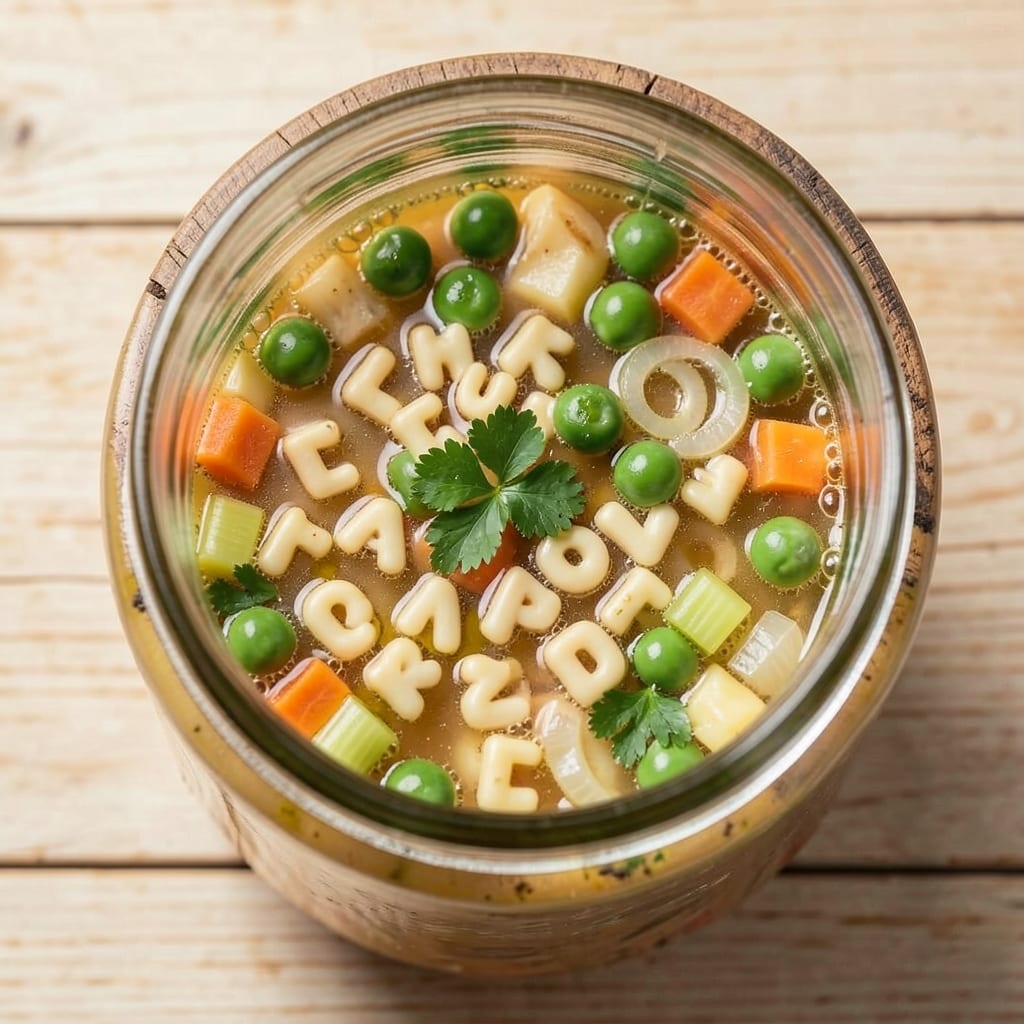
This alphabet soup in a jar recipe transforms pantry staples into a fun, customizable meal that kids will love. The genius lies in layering ingredients in a jar, letting you assemble and reheat a hearty soup whenever you need it—no last-minute chopping required. I developed this method after realizing how much time I wasted prepping soups from scratch, especially when balancing work and family meals.
The beauty of this approach is its flexibility: use alphabet pasta for easy identification (great for picky eaters), layer in broth, veggies, and even protein, then seal the jar for later use. The key to success is proper sterilization and layering—broth at the bottom, veggies in the middle, and pasta on top—to ensure everything cooks evenly when reheated. Food safety is critical, so we’ll cover how to store and reheat without compromising texture or flavor.
What you’ll end up with is a kid-friendly, restaurant-quality soup that’s ready in minutes. The alphabet pasta adds a playful touch, while the layered ingredients create depth of flavor. Whether you’re meal prepping for the week or just want to simplify dinner, this method delivers consistent results every time. Plus, it’s easy to customize—swap in meat, cheese, or dietary-friendly swaps to suit your family’s tastes.
Perfect for busy parents, meal prep enthusiasts, or anyone tired of last-minute soup assembly. Let’s get started with the step-by-step guide to layering, sealing, and serving your jarred soup like a pro.
Ingredients for alphabet soup in a jar
Pantry staples plus a few fun extras—this alphabet soup comes together in minutes.
| Ingredient | Amount | Notes |
|---|---|---|
| Alphabet Pasta 🍝 | 1 cup | Uncooked, fun shapes for kids |
| Chicken Broth 💧 | 3 cups | Low-sodium preferred |
| Diced Carrots 🥕 | ½ cup | Baby carrots work too |
| Diced Celery 🧅 | ½ cup | Fresh or frozen |
| Diced Onion 🧅 | ½ cup | Yellow or white |
| Frozen Peas 🌱 | ½ cup | No need to thaw |
| Diced Potatoes 🥔 | ½ cup | Small dice for even cooking |
| Canned Black Beans 🫘 | ½ cup | Drained and rinsed |
| Olive Oil 🫒 | 1 tbsp | For jar coating |
| Garlic Cloves 🧄 | 2 cloves | Minced for flavor |
| Dried Parsley 🌿 | 1 tsp | For garnish |
| Salt 🧂 | 1 tsp | Adjust to taste |
| Black Pepper 🌶️ | ½ tsp | Freshly ground |
| Optional Shredded Cheese 🧀 | ½ cup | For topping |
The broth is the foundation, so low-sodium is key—no one likes salty soup. I grab Swanson or Pacific Foods from the store, but homemade is even better. For the veggies, fresh is ideal but frozen works in a pinch—just make sure they're diced small enough to fit in the jar layers. The alphabet pasta is a game-changer for picky eaters (and honestly, just makes soup time more fun). Barilla or De Cecco are my go-tos—they hold up well during storage. If you're adding protein, diced chicken or beans both work great.
No chicken broth? Vegetable broth works perfectly, and swap the black beans for lentils if you prefer. Fresh herbs are nice, but dried parsley at half the amount gets the job done. The potatoes can be swapped for sweet potatoes if you're feeling adventurous—just adjust the cooking time slightly. For extra richness, a splash of cream or a dollop of sour cream when serving takes it to the next level. And if you're meal prepping, portion the cheese separately to keep it from getting soggy in storage.
This soup keeps for 5 days in the fridge and freezes beautifully for up to 3 months. I always label my jars with the date so I don't forget. When reheating, start with cold water in the pot to avoid cracking the jars. The pasta will soften perfectly, and the veggies will stay vibrant. Pro tip: Add a splash of broth when reheating if it seems too thick—it always does after storage. Leftovers? Double the batch and freeze half for lazy days.
Why You'll Love This Recipe
- Jar Magic: I swear by this method—just toss everything into a jar, shake, and dump into boiling water. No chopping boards, no mess, no stress. The alphabet pasta clings to the veggies like it’s been planned that way, and honestly? It’s the kind of simplicity that makes me want to cook more.
- Savory Simplicity: That first spoonful of broth-infused alphabet pasta with tender carrots and celery? It’s the kind of flavor that sneaks up on you. The broth soaks into the pasta perfectly, and the veggies soften just enough to melt in your mouth—no overcooking, no bitterness, just pure, warm comfort.
- Meal Prep MVP: Between us, this is my go-to for busy weeks. I prep jars ahead of time, stash them in the fridge, and when I’m starving, I just boil water and go. It’s the only soup that actually feels like a shortcut—but still tastes like I put in effort. (Yes, even on a Tuesday night.)
- Budget-Friendly Staples: Carrots, celery, onion, and chicken broth? That’s it. No fancy ingredients, no wasted leftovers sitting in the fridge. The alphabet pasta stretches further than regular noodles, and the veggies bulk it up without breaking the bank. My wallet—and my taste buds—thank me every time.
Step-by-step instructions for alphabet soup in a jar
Here's how to turn simple pantry staples into a colorful, kid-approved meal that's ready in minutes.
Prep All Vegetables and Protein
Start by dicing the 0.5 cup diced carrots, 0.5 cup diced celery, and 0.5 cup diced onion into small, even pieces—about ¼-inch cubes. The smaller the dice, the faster everything cooks and the easier it is for little ones to eat. For the 0.5 cup diced potatoes, cut them into similar-sized pieces so they all finish cooking at the same time.
Drain and rinse the 0.5 cup canned black beans to remove any excess sodium. Keep them separate until we're ready to add them later. You can use either fresh or frozen peas—just don't thaw them first. The frozen peas will release their color and nutrients directly into the broth as they cook.
Sauté the Aromatics in Olive Oil
Heat a large pot over medium heat and add the 1 tablespoon olive oil. Once the oil is shimmering, add the diced onion, carrots, and celery. Cook for 5-6 minutes until the vegetables begin to soften and the onion turns translucent. This step builds the flavor foundation for your soup.
Add the 2 cloves minced garlic and cook for another 30 seconds until fragrant. You'll know it's ready when the kitchen smells like fresh garlic—don't let it brown or it'll turn bitter. This is the moment that matters: proper garlic flavor makes all the difference in kid-friendly soups.
Add Broth and Vegetables to Simmer
Pour in the 3 cups chicken broth and bring everything to a gentle boil. Once boiling, add the diced potatoes and 0.5 cup frozen peas. Reduce the heat to low-medium and let it simmer uncovered for 12-15 minutes until the potatoes are tender when pierced with a fork. You want them soft enough to eat but still holding their shape.
I know it seems like too much liquid, but trust me—this ensures the vegetables cook through evenly without drying out. Stir occasionally, especially if the soup looks like it's reducing too quickly. The goal is a flavorful broth that coats the alphabet pasta perfectly.
Cook the Alphabet Pasta
While the vegetables simmer, bring a separate pot of water to a boil and add the 1 cup alphabet pasta. Cook according to package instructions—usually about 8-10 minutes—until the pasta is al dente. Drain and set aside. The fun shapes will make this soup extra appealing to little ones, and the slight firmness prevents them from turning mushy.
Here's the thing—don't rinse the pasta after draining. The starchy coating helps the broth cling to each piece, creating that perfect soup texture. Plus, it adds a subtle sweetness that kids love. Drain well to prevent the soup from getting watery when you combine everything.
Combine and Season to Perfection
Add the cooked alphabet pasta and 0.5 cup canned black beans to the simmering vegetable broth. Stir gently to combine, then add the 1 teaspoon salt and 0.5 teaspoon black pepper. Taste and adjust the seasoning—you might need a little more salt since we're using low-sodium broth. The soup should be flavorful but not overly salty for little taste buds.
Let the soup simmer together for another 5 minutes to allow all the flavors to meld. Stir in the 1 teaspoon dried parsley just before serving—this adds a fresh, bright note that makes the soup taste homemade. If you're using the optional 0.5 cup shredded cheese, sprinkle it on top right before serving to keep it from melting into the soup.
Pro Tips For Making Alphabet Soup In A Jar
- SOAK THE PASTA FIRST: I learned this the hard way—dry alphabet pasta absorbs broth like a sponge and turns mushy. Toss it in warm water for 10 minutes before adding to the jar, then drain. The letters stay firm and hold their shape, even after hours in the fridge.
- DICE VEGETABLES UNIFORM: Skip the lazy chopping—big celery chunks and uneven carrots mean some parts stay crunchy while others turn to mush. Aim for 1/4-inch dice on all three veggies. They’ll cook at the same rate, and every bite will have that perfect mix of texture.
- USE HOT BROTH ONLY: Cold broth = sad soup. Heat your chicken broth until it’s steaming before layering it over the veggies and pasta. The jar stays hot longer, and the flavors meld faster. I used to use room-temp broth, and the soup always tasted flat the next day.
- SALT THE BROTH WELL: Low-sodium broth? Add 1/2 teaspoon salt per cup before pouring it into the jar. The pasta and veggies soak up flavor like a dry towel. If you’re using high-sodium broth, taste it first—you might not need extra, but I’ve ruined jars by forgetting this step.
Essential equipment for this recipe
Jar Selection
For this recipe, you’ll need wide-mouth, airtight mason jars—I recommend 8-ounce or 12-ounce size for single servings or quart jars for larger portions. The wide mouth makes layering ingredients easier, and the airtight seal keeps flavors fresh. I use Ball or Kerr jars because their lids create a perfect vacuum seal, but any high-quality mason jar brand works. Avoid thin glass—it can crack when reheated. 💧
Sterilization Essentials
Sterilizing your jars is non-negotiable for food safety. Boil jars and lids in water for 10 minutes before filling, or run them through your dishwasher’s sanitize cycle. I also keep a jar sterilizer (like the Oxo Good Grips) handy for quick cleaning. For extra peace of mind, add a dash of vinegar to the boiling water—it helps prevent bacterial growth. Never reuse lids without sterilizing them first.
Layering Tools
A fine-mesh strainer and small ladle are your best friends for precise layering. Use the strainer to drain pasta and veggies evenly, and the ladle to distribute broth and smaller ingredients like peas. I also keep a tongue depressor or chopstick on hand to press down layers—this prevents shifting when the jar is sealed. For veggies, a mandoline slicer (like the OXO Good Grips) ensures uniform dice size, which cooks evenly.
Reheating Gear
Reheating soup in jars requires a large pot with a steamer basket (I use a stainless steel insert from OXO) to submerge jars partially in water. This gentle heat preserves texture better than microwaving. For quick servings, a microwave-safe jar sleeve (like SimpleHouseware’s) lets you heat one jar at a time without cracking. Always reheat jars in cold water—hot water can cause thermal shock and break the glass.
Storage Containers
After opening, transfer leftovers to glass Pyrex containers with snap-on lids for fridge storage. These containers stack neatly and are microwave-safe. For freezing, use quart-sized freezer bags with ziplock seals—squeeze out excess air to prevent freezer burn. Label everything with the date using a permanent marker (I use Sharpie) to track freshness. Store jars upright in the fridge to prevent broth from pooling at the top.
Optional Extras
For customization, keep small bowls of toppings (like shredded cheese or croutons) in your pantry. A mini food processor (like Cuisinart’s) helps chop fresh herbs quickly for garnishes. If you’re adding meat, pre-cook it in a slow cooker (like Hamilton Beach’s) for tender results. For picky eaters, a small colander lets kids fish out their favorite shapes—like letters or stars—from the soup. 🌟
Nutrition facts
Frequently asked questions
Why does the alphabet pasta need to be cooked separately?
Cooking the alphabet pasta separately prevents it from absorbing too much broth in the jar, which could make your soup watery when reheated. The starchy coating from unrinsed pasta also helps create that perfect creamy texture kids love. Plus, it ensures every piece cooks evenly without getting mushy.
Can I make this soup vegetarian or vegan?
Swap the chicken broth for vegetable broth and replace black beans with lentils or chickpeas. For vegan cheese, try nutritional yeast or store-bought vegan shreds. The flavor stays rich and satisfying—just adjust seasoning since plant-based broths can be milder.
How do I prevent the jar from cracking when reheating?
Always reheat jars in cold water (never hot) to avoid thermal shock. Use a steamer basket in a pot and heat gently over medium-low heat for 10-15 minutes. If using a microwave, transfer soup to a microwave-safe bowl first. Never seal jars tightly before reheating—leave a small gap to release steam.
What's the best way to store leftovers?
Transfer leftovers to glass Pyrex containers with lids for fridge storage (lasts 5 days) or freeze in quart-sized bags (up to 3 months). Label with dates! For jars, store upright in the fridge to keep broth from pooling at the top.
Can I add fresh herbs to the jar?
Fresh herbs like parsley or basil won't survive storage well—they'll turn mushy. Instead, add dried herbs (like parsley) directly to the jar or sprinkle fresh herbs on top when serving. For flavor, sauté fresh garlic and onions first, then layer them in the jar.