
Soups & Stews
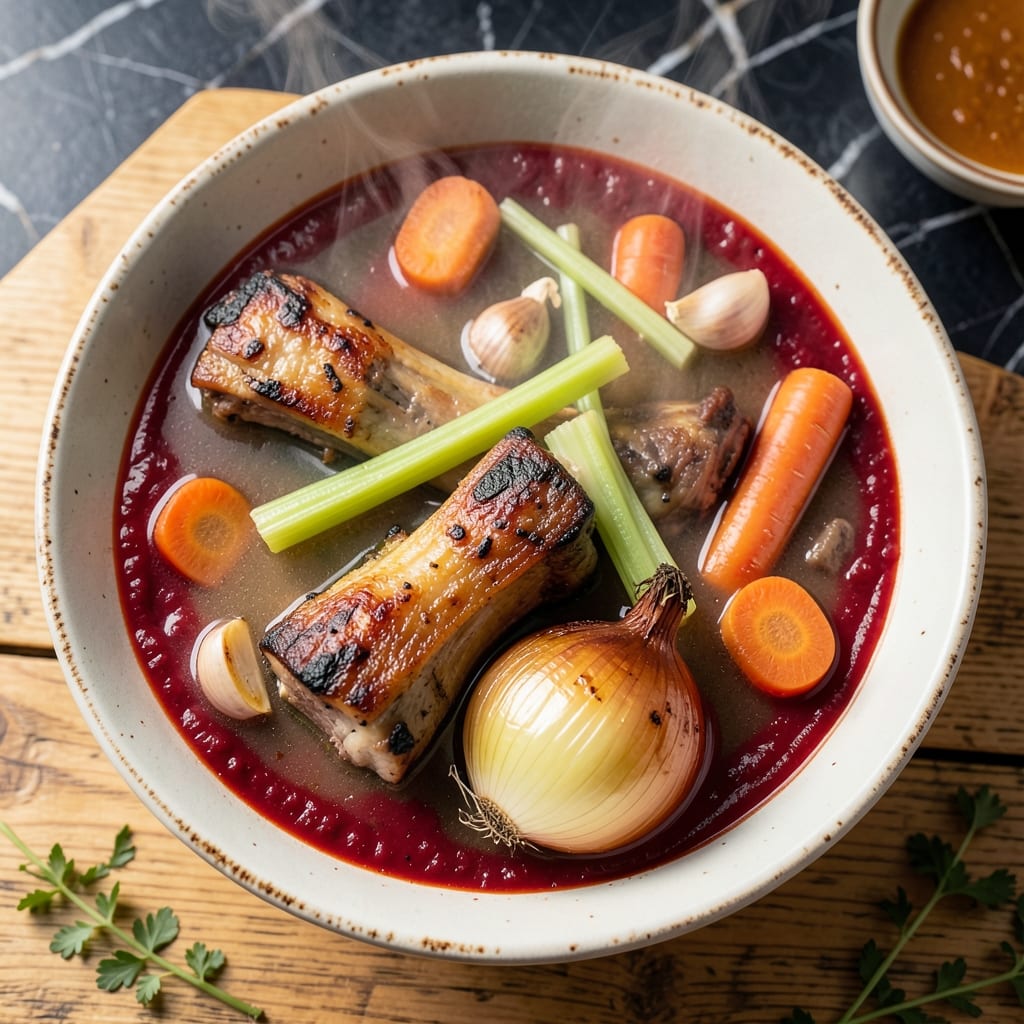
This basic beef soup recipe transforms tough cuts of beef into a deeply flavorful, comforting bowl of goodness through slow-simmered bones and aromatic vegetables. The secret lies in developing rich umami through caramelized meat and toasted spices—no shortcuts, just time and patience. What begins as a simple pot of ingredients evolves into a restaurant-quality broth that warms both body and soul. The process starts with searing beef bones and vegetables to build deep, savory flavors before adding liquid, then simmering for hours until the meat falls effortlessly from the bone. This slow cooking method ensures a broth so rich it coats every spoonful, while the vegetables soften just enough to melt into the liquid. The result is a soup that tastes like home—bold, hearty, and impossible to resist. By the time you serve it, you'll have a steaming bowl of deep umami richness, where tender beef and tender vegetables float in a golden, aromatic broth. The aroma alone will have everyone gathering at the table, and the first sip confirms why this soup has been a staple in kitchens for generations. Perfect for chilly evenings or when you crave a meal that nourishes as much as it satisfies.
What makes this recipe truly approachable is its flexibility—use store-bought broth for convenience or make your own from scratch, depending on your time and preference. The key steps are straightforward: sear, simmer, and season thoughtfully, letting the flavors meld naturally. No fancy techniques are required, just attention to detail and the willingness to let the soup work its magic over time.
The final dish delivers on its promise of comfort—a steaming bowl of soup that’s as satisfying to make as it is to eat. The beef becomes fork-tender, the vegetables melt into the broth, and the spices infuse every sip with warmth. This is the kind of soup that tastes even better the next day, making it ideal for meal prep or feeding a crowd. Let’s get started on creating a bowl of pure, hearty goodness.
Ingredients for basic beef soup
Six ingredients for the bones, six for the broth, plus the basics you already own.
| Ingredient | Amount | Notes |
|---|---|---|
| Beef Bones 🦴 | 3 lb | Knuckle or marrow bones preferred |
| Yellow Onion 🧅 | 2 whole | Medium size, chopped |
| Carrots 🥕 | 4 whole | Medium size, peeled |
| Celery Stalks 🌿 | 4 whole | Medium size, chopped |
| Garlic Cloves 🧄 | 6 cloves | Peeled, smashed |
| Tomato Paste 🍅 | ½ cup | Smooth, not chunky |
| Dried Thyme 🌿 | 1 tbsp | Or 1 tbsp fresh thyme |
| Bay Leaves 🍃 | 2 whole | Dried, standard size |
| Black Peppercorns 🌶️ | 1 tsp | Coarsely cracked |
| Salt 🧂 | 1 ½ tsp | Kosher or sea salt |
| Water 💧 | 12 cups | Or enough for 8 cups broth |
| Tomatoes 🍅 | 2 whole | Medium, ripe, diced |
| Worcestershire Sauce 🍯 | 1 tbsp | Vegetarian if needed |
| Olive Oil 🫒 | ½ cup | For searing |
The bones are everything here. Knuckle or marrow bones from the butcher section give you the best marrow-rich flavor, but Costco's pre-packaged soup bones work in a pinch. Look for bones with good meat still attached—those are your goldmines for flavor. If you're feeling fancy, ask your butcher to cut the bones for you, but the pre-packaged ones are perfectly fine for weeknight cooking. The key is to brown them deeply in the pot—that's where all the umami magic starts. Don't skip this step—it's what separates good soup from great soup.
No fresh thyme? Dried works at half the amount, but honestly, fresh is worth hunting down at the grocery store's produce section. The tomato paste can be the squeeze-tube kind from Trader Joe's—it's perfect for this recipe and lasts forever. Worcestershire sauce giving you pause? Vegetarian Worcestershire works just as well, and most stores carry it now. The tomatoes? Roma or vine-ripe hold up best when diced—no need for fancy varieties. And if you're short on time, store-bought beef broth can replace half the water, but homemade tastes worlds better.
This soup tastes even better the next day, so make a double batch. Store leftovers in the fridge for up to 5 days—the flavors deepen as it sits. For longer storage, freeze portions in airtight containers for 3 months. I like to freeze it in individual portions so I can grab a bowl whenever I need comfort. The bones? Save any leftover meat for sandwiches or salads—it's too good to waste. And if you're prepping ahead, make the broth first, then add the tomatoes and Worcestershire just before serving to keep them vibrant.
Why You'll Love This Recipe
- No-Chop Nightmare: I swear by the "mirepoix shortcut"—just roughly chop those onions, carrots, and celery (no fancy dice needed) while the beef bones simmer. The broth still tastes rich and layered, even if your knife skills are stuck in 2010.
- Rich Without Effort: That first sip? Pure umami magic from the beef bones—no bouillon cubes or secret spices. The garlic cloves caramelize right into the broth, giving it a depth that makes you forget you didn’t spend hours simmering.
- Leftovers That Beg for More: This soup insists on being reheated. The flavors actually deepen overnight, and it’s the kind of dish where my kids will ask for seconds before I’ve even sat down. (Yes, even the picky ones.)
- Budget Bone Broth: Between us, this is my go-to for stretching a dollar. Beef bones are cheaper than steaks, and the carrots/celery add sweetness without breaking the bank. It’s the meal that lets me feed my family and save for groceries next week.
Step-by-step instructions for basic beef soup
Here's how to create a rich, flavorful beef soup that builds depth through slow cooking.
Sear the Beef Bones for Maximum Flavor
Preheat your oven to 425°F and position a rack in the middle position. Place the 3 lb beef bones on a baking sheet and roast for 20-25 minutes until they develop a deep brown color. This step is crucial—it creates the Maillard reaction that forms the foundation of your soup's umami richness.
While the bones roast, heat the 0.5 cup olive oil in a large Dutch oven over medium-high heat. Remove the bones from the oven and carefully transfer them to the pot, bone-side down. Let them sear for 5-7 minutes until they develop a rich brown crust. Flip the bones and sear the other side for another 5-7 minutes. The bones should be deeply caramelized by now—this is what gives your soup its deep, complex flavor.
Sauté the Aromatic Vegetables
Remove the seared bones from the pot and set them aside. In the same Dutch oven, add the chopped 2 whole yellow onion, 4 whole carrots, and 4 whole celery stalks. Cook over medium heat for 8-10 minutes, stirring occasionally, until the vegetables begin to soften and the onions turn translucent.
Add the 6 cloves garlic cloves and cook for another 1-2 minutes until fragrant. Be careful not to burn the garlic—it should smell sweet and nutty, not bitter. Stir in the 0.5 cup tomato paste and cook for 2 minutes to deepen its flavor. This step builds the flavor base that will infuse your broth throughout the cooking process.
Simmer the Bones and Vegetables
Return the seared bones to the pot and add the 12 cups water, 1.5 tsp salt, 1 tbsp dried thyme, 2 whole bay leaves, and 1 tsp black peppercorns. Bring the mixture to a boil over high heat, then reduce the heat to low and let it simmer uncovered for 1.5 hours. This initial simmer helps extract the initial flavors from the bones and vegetables.
After 1.5 hours, add the 2 whole diced tomatoes and 1 tbsp Worcestershire sauce to the pot. Continue simmering uncovered for another 1.5 hours, skimming any foam or impurities that rise to the surface with a spoon. The broth should be developing a rich, golden color and deep aroma. This slow cooking process is what transforms simple ingredients into a complex, flavorful soup.
Strain and Finish the Soup
After the total simmering time of 3 hours, carefully remove the bones from the pot using tongs and set them aside. Strain the broth through a fine-mesh sieve into a clean pot, pressing gently on the vegetables to extract as much flavor as possible. Discard the solids or save them for another use.
Return the strained broth to the heat and bring it to a gentle simmer. Taste and adjust the seasoning with additional salt if needed. The soup should have a rich, meaty flavor with a good balance of sweetness from the carrots and tomatoes, and a touch of earthiness from the celery and thyme. Serve the soup hot, either with the bones removed or with the bones left in for a heartier presentation.
Pro Tips For Making Basic Beef Soup
- BLISTER THE BONES FIRST: Toss those beef bones in a screaming-hot pot for 5 minutes before adding liquid—this caramelizes the bone marrow and turns your broth from good to deeply flavorful. I used to skip this, and my soup always tasted like it was missing something. (Yes, even if you're impatient like me.)
- CHOP ONIONS SMALLER THAN YOU THINK: Tiny dice—no bigger than ¼-inch—so they melt into the broth instead of turning to mush or sitting as chunks. I learned this the hard way after serving soup with visible onion bits that looked like they’d been chewed by a dog. (Your future self will thank you.)
- DON’T BOIL THE VEGETABLES: Simmer celery and carrots gently—if they’re rolling in a full boil, they’ll turn to mush and release bitter starch. Keep the heat low enough that you can see tiny bubbles, not a violent storm. Sounds weird, but it works: your veggies stay crisp-tender, not sad and limp.
- USE COLD WATER FOR BROTH: Start with cold water in the pot—it prevents the bones from jumping around and splattering you (trust me, it’s messy). Also, cold water extracts more collagen from the bones for a richer broth. I was skeptical until I tried it, and now I never go back.
Serving suggestions for this recipe
Bread Pairings
Crusty baguette slices are my go-to for sopping up rich broth—just toast them lightly in olive oil until golden. For a heartier option, serve with rustic sourdough or a chewy ciabatta roll. The bread's texture contrasts perfectly with the tender beef and soft vegetables, making each bite more satisfying. 🥖
Toppings for Extra Flavor
Finish each bowl with a sprinkle of grated Parmesan cheese for a salty, nutty punch. Fresh parsley or thyme leaves add a bright herbal note that cuts through the richness. A drizzle of high-quality extra-virgin olive oil (like California Gold) elevates the dish with a silky finish. These toppings feel like restaurant-quality upgrades.
Crusty Garnishes
For a crispy contrast, top with toasted breadcrumbs—mix ¼ cup panko with 1 tbsp butter and toast in a dry pan until golden. A few crushed black peppercorns on top add a subtle kick. If you love texture, try crispy fried shallots from Trader Joe's—they add a sweet, oniony crunch that's irresistible. 🌟
Herb-Focused Finishes
Fresh herbs transform the soup instantly. A handful of chopped chives or dill adds a bright, fresh finish. For a Mediterranean twist, use fresh oregano or basil. If you're feeling fancy, blend ½ cup fresh parsley with 2 tbsp olive oil and a pinch of salt into a pesto-like garnish—drizzle lightly over the top for a pop of color and flavor.
Cheese Additions
For extra richness, stir in shredded Gruyère or Pecorino Romano while the soup simmers. The sharp, tangy flavors meld beautifully with the beef. If you prefer something creamier, add a dollop of crème fraîche or sour cream just before serving. A sprinkle of feta cheese adds a briny contrast that balances the soup's depth. 🧀
Presentation Tips
Serve the soup in deep, warm bowls to maintain its temperature and enhance the aroma. Garnish with a sprig of fresh thyme or a bay leaf for a rustic touch. For a visually stunning presentation, arrange the beef and vegetables in a circular pattern on top of the broth. A final drizzle of olive oil and a pinch of flaky salt make it look (and taste) like a gourmet dish. 💫
Nutrition facts
Frequently asked questions
Can I substitute beef bones with other cuts of beef?
Yes, but the flavor will differ. For a quicker version, use chuck roast or stew beef cut into chunks and simmer for 2-3 hours until tender. The broth won't be as rich, but it'll still be delicious. For maximum umami, stick with bones—they release collagen and marrow that create a velvety texture and deep flavor.
How do I make this soup vegetarian?
Replace the beef bones with mushrooms (like shiitake or portobello) or hearty vegetables like fennel and potatoes. Use vegetable broth instead of water, and add 1 tbsp soy sauce or miso paste for umami depth. The tomato paste and Worcestershire sauce can be swapped for vegetarian versions. The simmering time may be shorter (1.5 hours total).
Why does my soup taste bland?
Bland soup usually means insufficient seasoning or rushed cooking. Always brown the bones and vegetables deeply—this builds flavor. Taste as you go and adjust salt, pepper, and Worcestershire sauce. Let it simmer uncovered for the full 3 hours—rushing reduces flavor development. A splash of red wine or apple cider vinegar can also brighten the taste.
Can I make this soup in an Instant Pot?
Sear the bones in a skillet first, then transfer to the Instant Pot with all ingredients. Cook on high pressure for 60 minutes, then natural release for 15 minutes. Strain and finish as directed. The Instant Pot cuts cooking time significantly but still delivers rich flavor. For extra depth, add 1 tsp fish sauce or 1 tbsp balsamic vinegar at the end.
What's the best way to store leftovers?
Cool the soup to room temperature first, then store in airtight containers in the fridge for up to 5 days. For longer storage, freeze portions in single-serving containers for 3 months. Reheat gently on the stove over low heat or in the microwave, stirring occasionally to prevent scorching. The flavor actually improves after the first day!